Frozen Chicken Breast in the Instapot

You can safely cook frozen chicken breast in an Instant Pot by adjusting the cooking time to 12-15 minutes at high pressure. Always verify the internal temperature reaches 165°F with a meat thermometer before serving.
Cooking frozen chicken breast in the Instant Pot is a reliable method for busy home cooks who need to get dinner on the table without advance planning. By leveraging the power of high-pressure steam, you can safely transition poultry from a rock-solid state to tender, cooked meat in under an hour.
- Safety First: Always ensure your chicken reaches a safe internal temperature of 165°F.
- Liquid Necessity: Never start the pot without at least one cup of water or broth to.
- Natural Release: Allow for at least a 10-minute natural pressure release to keep the meat juicy.
- Consistency: Use individually frozen breasts for even cooking results.
Can You Cook Frozen Chicken Breast in the Instant Pot? The Quick Answer

Yes, you can safely cook frozen chicken breast in an Instant Pot by increasing the cooking time to account for the frozen state. Always ensure the chicken reaches an internal temperature of 165°F (74°C) as verified by a meat thermometer before serving.
Understanding the Science: Why the Instant Pot Excels at Frozen Poultry
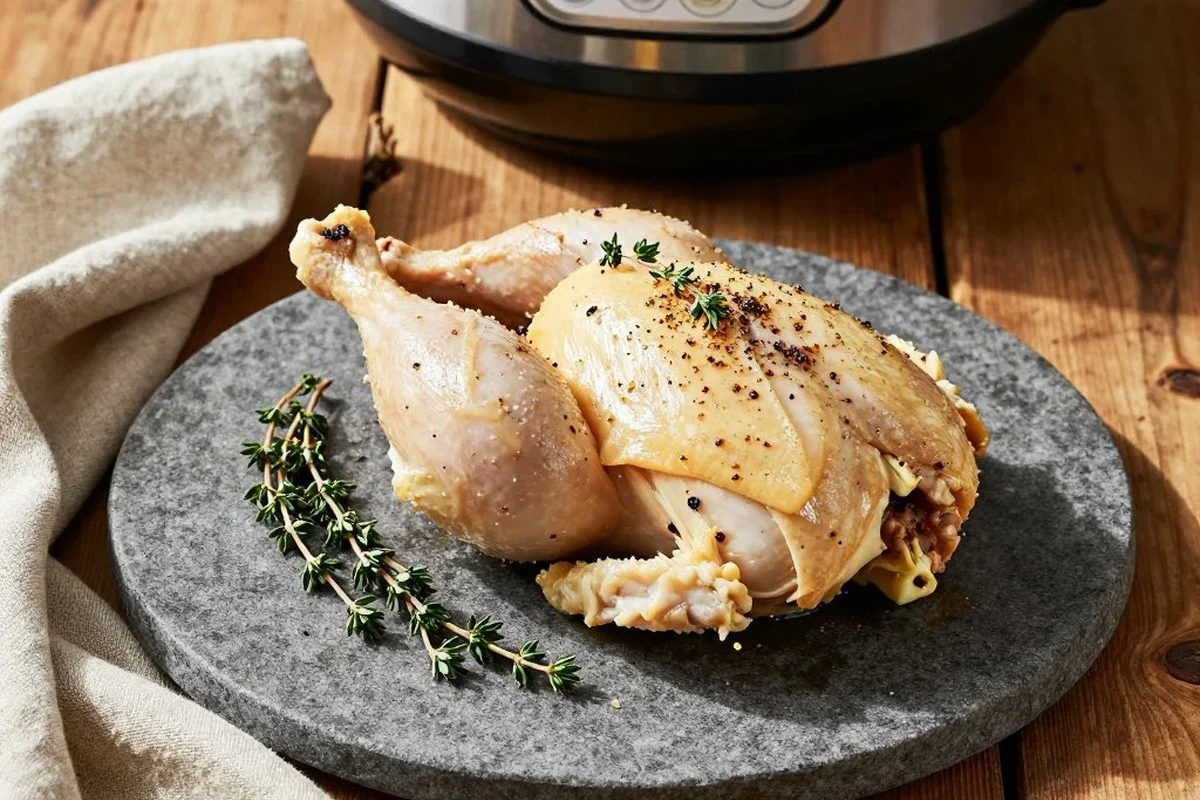
The Pressure Cooking Advantage: Speed Meets Texture
The magic of the Instant Pot lies in its ability to raise the boiling point of water by creating a pressurized environment. When cooking frozen chicken, this intense heat penetrates the ice crystals faster than conventional methods like oven roasting or stove-top simmering. The result is a moist product that retains its structure, provided you manage the timing correctly.
Safety First: Navigating Internal Temperatures and Bacteria
Food safety is paramount. According to the USDA, chicken must be cooked to an internal temperature of 165°F to ensure harmful bacteria like Salmonella are destroyed. Because frozen meat starts at a lower temperature, the Instant Pot requires a longer “come to pressure” time, which effectively contributes to the total cooking duration. Never rely on the timer alone; always use a calibrated food thermometer to check the thickest part of the breast.
Essential Ingredients and Prep for Perfect Instant Pot Chicken
Selecting the Best Frozen Breast Cuts
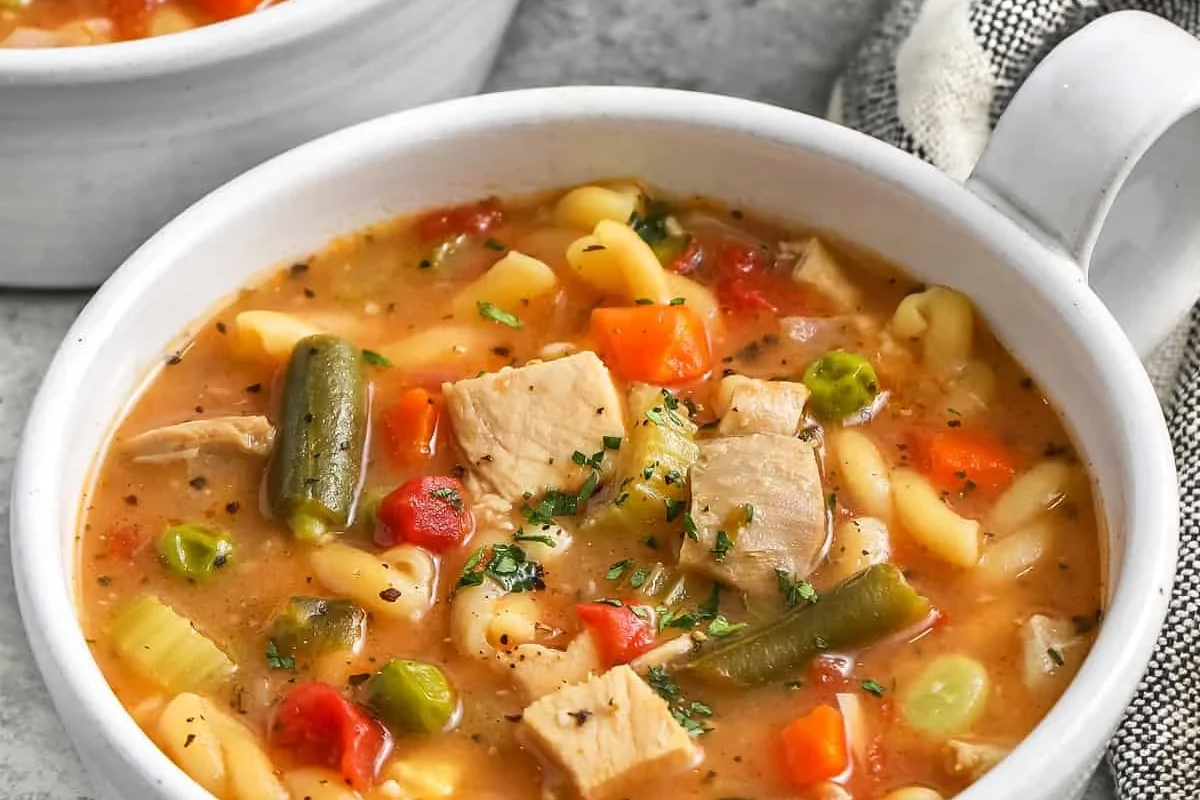
For the best results, try to use individually frozen (IQF) chicken breasts rather than one large, solid block. If your breasts are frozen together in a clump, they will cook unevenly, leaving the outer edges dry and the center raw. If you are preparing a meal that requires shredded poultry for a recipe like Zupas chicken noodle soup, consistent sizing is your best friend.
The Role of Liquid: Why You Can’t Skip the Broth or Water
The Instant Pot requires liquid to generate the steam necessary for pressure. Without at least one cup of liquid (water, chicken broth, or even a splash of citrus juice), the unit will trigger a “Burn” error. This liquid also serves as a flavor base, infusing the meat as it cooks.
Flavor Profiles: Seasoning Frozen Meat Effectively
Seasoning frozen chicken can be tricky because dry rubs slide off the icy surface. Instead, focus on aromatics in the liquid—garlic cloves, onion wedges, bay leaves, or a dash of adobo seasoning. If you want a crust or specific flavor profile, it is best to season the meat after it has been cooked and shredded.
Add a tablespoon of oil or butter to your cooking liquid. This helps prevent the chicken breasts from sticking together while they thaw under pressure.
Step-by-Step Cooking Technique: From Freezer to Table
Determining Cooking Times Based on Breast Thickness
Standard frozen breasts typically require 12 to 15 minutes at high pressure. If your breasts are exceptionally thick or large, lean toward the 15-minute mark. Always allow for a 10-minute natural pressure release (NPR) to ensure the fibers have time to relax.
The Importance of the Natural Pressure Release (NPR)
Skipping the NPR is a common mistake. A rapid release of pressure can cause the moisture inside the muscle fibers to expand and burst, resulting in tough, stringy chicken. By letting the pressure drop naturally, you allow the meat to reabsorb some of its juices.
Troubleshooting Toughness: Why Your Chicken Might Be Dry
If your chicken feels rubbery, it is likely overcooked. Because the appliance stays hot during the NPR, even a few extra minutes of pressure can push the meat past the point of tenderness. If you find the texture isn’t to your liking, try using it in a saucy dish like Belizean curry chicken, where the sauce can rehydrate the meat.
Common Mistakes to Avoid When Cooking Frozen Chicken
- Use a trivet to keep chicken out of the direct boiling liquid.
- Verify internal temperature with a thermometer.
- Use room-temperature broth to help the pot reach pressure faster.
- Overcrowding the pot beyond the “max fill” line.
- Using a quick-release valve immediately after the timer beeps.
- Adding thick sauces like BBQ sauce before cooking, as they will burn.
Versatility in the Kitchen: How to Use Your Shredded Chicken
Belizean-Inspired Shredded Chicken Add-ins
Once you have perfectly tender chicken, the possibilities are endless. You can use it as a base for Belizean chicken tacos, or stir it into a hearty soup. Because the pressure-cooked meat is neutral, it absorbs whatever spices or sauces you add afterward.
Storage, Shelf Life, and Food Safety Protocols
Cooked chicken should be refrigerated within two hours of cooking. In a sealed container, it will stay fresh in the refrigerator for 3 to 4 days. If you have leftovers, consider portioning them out so you don’t have to reheat the entire batch repeatedly.
Best Practices for Reheating Without Losing Moisture
To reheat, add a small splash of water or broth to your container. Cover it loosely and microwave in short, 30-second bursts, or warm it gently on the stovetop. Avoid high heat, which will quickly dry out the already-cooked protein.
Comparison: Instant Pot vs. Traditional Thawing and Oven Roasting
Traditional thawing is the gold standard for texture, but the Instant Pot is the champion of time management. While an oven-roasted breast might have a better exterior texture, the Instant Pot creates a consistently moist interior that is ideal for salads, soups, and casseroles. For the 2026 home cook, the choice often comes down to how much time you have available.
Final Verdict: Is Instant Pot Frozen Chicken Right for Your Meal Prep?
Cooking frozen chicken breast in the Instant Pot is an excellent tool for efficiency. It is perfectly suited for those who need to shred meat for weekly meal prep or quick weeknight dinners. However, if you are looking for a crispy skin or a specific roast texture, you are better off planning ahead to thaw the meat and using an oven or a grill. For most, the convenience of this method outweighs the slight compromise in texture.
Common Questions
No, the Instant Pot is designed to cook food from frozen, saving you time on meal preparation.
You should always use at least one cup of liquid to ensure the Instant Pot can reach and maintain pressure.
It is best to separate them before cooking; a frozen clump will cook unevenly, leaving the center undercooked.
Use a food thermometer to check that the thickest part of the breast has reached an internal temperature of 165°F.
You can add aromatics like garlic or onions to the liquid, but dry rubs are better applied after cooking for better flavor adherence.
Frequently Asked Questions
Cooked chicken can be stored in an airtight container in the refrigerator for 3 to 4 days. Ensure it is cooled and refrigerated within two hours of cooking.
It is not recommended because they have different cooking times and fat contents. Cooking them together will likely result in one being overcooked while the other remains undercooked.
This usually happens when there is insufficient liquid or the food is touching the bottom of the pot. Ensure you have enough broth or water and use a trivet to elevate the meat.
No, breading will become soggy and potentially burn during the pressure cooking process. This method is strictly for plain, unseasoned, or marinated chicken breasts.
Yes, at higher altitudes, water boils at lower temperatures, which may require you to increase the cooking time. Consult your Instant Pot manual for altitude adjustment guidelines.
While you can cook chicken directly in the liquid, using a trivet prevents the meat from boiling in the broth, which can sometimes lead to a tougher texture.