
Fridge Snacks

Fridge snacks are chilled, ready-to-eat foods that make busy days easier and help reduce waste. The best ones balance freshness, texture, and safe storage.
Fridge snacks are chilled, ready-to-eat bites that help busy Belizean households save time, cut waste, and keep something satisfying on hand between meals. They work best when you balance freshness, texture, and food safety so the snack still feels appealing after a day or two in the refrigerator.
- Best structure: Pair one protein, one produce item, and one crunchy or creamy element.
- Texture matters: Keep wet and dry ingredients separate until serving.
- Safety first: Refrigerate promptly and discard anything with spoilage signs.
- Budget-friendly: Seasonal fruit, eggs, beans, and simple vegetables usually stretch best.
What Fridge Snacks Are and Why They Work for Belizean Homes
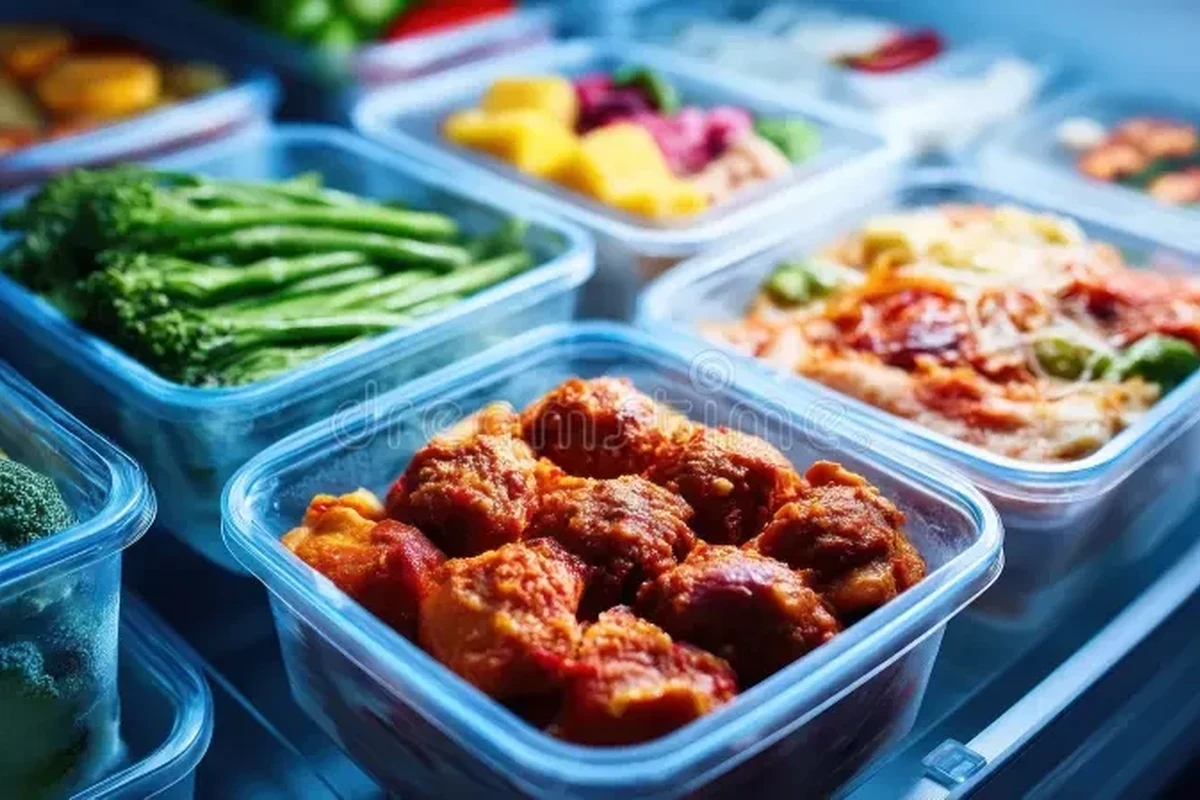
Quick answer: the best fridge snacks are ready-to-eat, chilled bites that save time, reduce waste, and fit busy school, work, and after-hours routines
In simple terms, fridge snacks are foods you keep cold and can eat with little or no extra cooking. For many homes, that means fruit cups, yogurt bowls, cheese and crackers, boiled eggs, dips, cut vegetables, or small portions of leftovers that are safe to chill and serve later.
How fridge snacks differ from pantry snacks and why the category matters in 2026
Pantry snacks are shelf-stable, while fridge snacks rely on cold storage to stay safe and enjoyable. That difference matters more in 2026 because many people are trying to stretch grocery budgets, reduce food waste, and keep faster options ready for school mornings, shift work, and late-night hunger.
For readers who like browsing by format, fridge snacks sit naturally beside snack ideas and other street food snacks that can be adapted for home storage.
Best Fridge Snack Ideas for BelizeanRecipe Readers
Fresh fruit cups, yogurt bowls, cheese plates, boiled eggs, dips, and leftover-friendly bites
The most practical fridge snacks are the ones that need little assembly and hold up well after chilling. Good examples include melon, pineapple, mango, papaya, or cucumber cups; plain or lightly sweetened yogurt with fruit; cheese with crackers; boiled eggs; hummus or bean dip with cut vegetables; and small portions of rice, chicken, or stew leftovers that can be safely refrigerated and eaten cold or reheated.
Fruit-and-protein combinations
These work well for school snacks and afternoon hunger because they feel light but still satisfying. The main limitation is that cut fruit softens over time, so it is best eaten within a short storage window.
Cheese, eggs, and dip plates
These suit people who want more staying power and less sweetness. They are more filling, but they need careful refrigeration and clean packaging.
Belize-friendly flavor profiles: citrus, pepper, herbs, salt, and gentle heat
Belizean kitchens often lean on bright, bold flavors, and fridge snacks can do the same without becoming heavy. A little lime, orange, or sour citrus can wake up fruit; a pinch of salt can sharpen cucumber or melon; herbs like cilantro or parsley add freshness; and gentle heat from pepper sauce or chopped chile can work when the snack is meant for adults who enjoy spice.
Keep wet seasonings separate until serving time. That helps fruit, vegetables, and crackers stay crisp instead of turning soggy.
Which snacks suit kids, workers, students, and late-night eaters
Kids usually do best with simple, familiar snacks such as fruit, yogurt, cheese, and egg halves. Workers and students often need something more filling, like a small sandwich, a bean dip box, or leftovers in a portioned container. Late-night eaters may prefer lighter options that are easy to digest and do not require much cleanup, such as fruit, yogurt, or a few crackers with cheese.
Key Ingredients and What to Look For When Building Fridge Snacks
Choosing proteins, dairy, produce, and crunchy add-ons for balance
A balanced fridge snack usually has at least two parts: something fresh or creamy and something with protein or crunch. Protein can come from eggs, yogurt, cheese, beans, hummus, chicken, or tuna if it is handled safely. Produce adds color and freshness, while crunchy add-ons like crackers, toasted bread, cucumber slices, or vegetable sticks keep the snack from feeling too soft.
- Choose one protein, one produce item, and one texture booster.
- Check whether the snack needs refrigeration until serving.
- Think about who will eat it and how long it must last.
How to judge freshness, ripeness, texture, and packaging before buying
For fridge snacks, freshness matters more than decoration. Buy fruit that is ripe but not mushy, dairy that is well within its date and kept cold, eggs with intact shells, and packaged items with seals that are not broken or swollen. If a product smells sour before opening, feels slimy, or looks discolored, do not use it.
When in doubt, discard food that shows spoilage signs. Do not rely on smell alone for safety, especially with dairy, eggs, meats, and leftovers.
Budget-friendly ingredient swaps when prices rise or supplies run low
When groceries get tight, the goal is to keep the snack balanced without insisting on premium ingredients. Plain yogurt can replace flavored cups, local seasonal fruit can replace imported fruit, beans can stand in for more expensive proteins, and cucumber or carrot sticks can replace pricier cut vegetables. For readers comparing value, the best approach is often to follow the same structure and swap ingredients based on what is in season and in good condition.
Prices and availability can change quickly by district, season, and retailer, so confirm current options before planning a week of snacks around one ingredient.
How to Assemble Fridge Snacks Fast Without Losing Quality
Simple prep workflow: wash, portion, chill, and label
A fast snack routine usually follows the same order: wash produce, dry it well, portion it into small containers, chill everything promptly, and label the container if it will not be eaten right away. This keeps the kitchen organized and makes it easier for family members to grab the right item without opening multiple containers.
Clean fruit and vegetables under running water and dry them well so extra moisture does not shorten shelf life.
Use small containers so only one serving is exposed at a time instead of the whole batch.
Put prepared snacks into the refrigerator soon after assembling them, especially if they contain dairy, eggs, or meat.
Texture tips for keeping snacks crisp, creamy, and not watery
Texture is what makes fridge snacks feel worth eating. Keep cucumbers, crackers, and toasted bread separate from wet ingredients; store yogurt or dip in a small cup with a lid; and place fruit on top of paper towel if needed to absorb surface moisture. If a snack has to last more than one meal, keep the crunchy part and the moist part apart until serving time.
- Store dry and wet items separately when possible.
- Use tight lids or sealed containers for creamy foods.
- Mixing crackers into dips hours before eating.
- Leaving cut fruit sitting in excess juice.
Flavor-building with salt, acid, spice, and herbs
Good fridge snacks often taste better after a small amount of seasoning. Salt sharpens sweet fruit and vegetables, acid from lime or vinegar brightens creamy foods, spice adds interest, and herbs keep everything tasting fresh. The key is restraint: a snack should taste lively, not over-seasoned.
Common Mistakes People Make with Fridge Snacks
Overfilling containers, mixing wet and dry items too early, and using weak packaging
One common mistake is packing containers too tightly, which crushes fruit and softens crunchy foods. Another is combining everything too early, which turns crackers, toast, and vegetable sticks soggy. Weak lids can also let in odors, leaks, and extra moisture that change the snack’s flavor and texture.
Poor portion control, bland seasoning, and relying on snacks that spoil too fast
Some snacks fail because they are too large to finish in one sitting, while others fail because they are so plain that nobody wants them after the first day. Snacks made from very delicate fruit, soft greens, or weakly sealed leftovers may spoil too quickly for busy households. A better approach is to choose ingredients that still look and taste good after a short chill.
- Make snack portions small enough to finish in one sitting.
- Season lightly, then adjust at serving time.
- Choose ingredients that hold their shape after chilling.
How to avoid food waste and keep snacks appealing for more than one day
To reduce waste, build snacks from ingredients that can cross over into another meal. For example, cut fruit can become breakfast, boiled eggs can move into lunch, and leftover beans can become a dip or filling. This approach is especially useful for households that also use a big fridge to store prepared foods in organized zones.
Food Safety, Storage, and Shelf Life for Fridge Snacks
Safe temperature habits, clean hands, and cross-contamination prevention
Food safety starts with clean hands, clean tools, and prompt refrigeration. Keep cold foods cold, avoid leaving dairy, eggs, meats, and leftovers at room temperature for long periods, and use separate utensils for raw and ready-to-eat foods. For official guidance, readers should check recognized food-safety sources such as the USDA or FDA, or their local health authority, because storage advice can vary by food type and preparation.
Do not serve a fridge snack if it smells off, looks slimy, has mold, or sat too long in unsafe conditions. When a snack contains meat, eggs, dairy, or seafood, be extra cautious about storage time and temperature.
How long common fridge snacks last: fruits, dairy, eggs, dips, and leftovers
Exact shelf life depends on the ingredient, how fresh it was when prepared, and how cold the refrigerator stays. Cut fruit usually lasts less time than whole fruit, dairy should be kept according to the package and refrigerated promptly, boiled eggs need careful handling, dips should stay covered, and leftovers should be eaten within the safe window recommended by food-safety authorities. If you are unsure, treat the shortest-use ingredient as the limit for the whole snack.
Best containers, labeling practices, and signs a snack should be discarded
Use clean containers with tight-fitting lids so odors do not transfer and moisture does not escape. Labeling the date helps you remember what should be eaten first, especially when several family members share the fridge. Discard the snack if the lid was left open, the food was warm for too long, there is visible spoilage, or the texture has changed in a way that suggests it is no longer good.
Substitutions, Value, and Smart Buying Choices
Affordable substitutions for cheese, yogurt, protein, and fresh produce
Fridge snacks do not need expensive ingredients to work well. If cheese is pricey, try eggs, beans, or a small portion of leftover chicken. If yogurt costs too much, use plain curd-style dairy only if it is a familiar and safe option in your kitchen, or switch to fruit and nut-free vegetable snacks when appropriate. For produce, buy what is seasonal and local when possible, since it usually gives better value and more reliable freshness.
How to stretch ingredients across multiple snacks and reduce weekly costs
One of the smartest ways to save money is to prep ingredients that can appear in more than one snack. A single cucumber can become sticks, rounds, and salad pieces; boiled eggs can be served plain, chopped, or tucked into a sandwich; and fruit can be portioned for breakfast, lunch, or an afternoon bite. This is also where planning around a salad fridge setup can help, because organized storage makes it easier to use ingredients before they spoil.
| Option | Best For | Key Consideration |
|---|---|---|
| Fruit cups | Kids and quick snacks | Best when eaten soon after cutting |
| Egg and cheese plates | More filling snack breaks | Need careful refrigeration and clean handling |
| Dip and vegetable boxes | Work and school prep | Keep crunchy items separate until serving |
When homemade fridge snacks are better value than store-bought options
Homemade snacks often give better value when you already have basic ingredients, need to control salt or sugar, or want to use leftovers before they go to waste. Store-bought snacks can still be convenient, but homemade versions usually offer more flexibility in portion size and flavor. For readers who want more sweet ideas, Belizean sweet snacks can also inspire chilled treats that fit the same fridge-friendly routine.
Final Recommendation: The Best Fridge Snack Strategy for 2026
Choose snacks that are quick, safe, affordable, and easy to customize
The best fridge snacks are the ones your household will actually eat without wasting time or ingredients. In 2026, that usually means simple combinations that can be portioned fast, stored safely, and adjusted for different appetites.
Recommended approach for Belizean kitchens: mix one protein, one fruit or vegetable, and one crunchy or creamy element
A reliable formula is to pair one protein, one fruit or vegetable, and one crunchy or creamy component. That could be eggs with cucumber and crackers, yogurt with fruit and a few seeds if tolerated, or beans with vegetables and a soft tortilla piece. If you want more snack ideas for events or family gatherings, birthday snacks can also be adapted into fridge-friendly portions.
Closing note on convenience, freshness, and everyday usefulness
Fridge snacks are not about fancy presentation; they are about having something fresh, safe, and ready when people need it. When you keep the ingredients balanced and the storage habits clean, they become one of the easiest ways to feed a busy home well.
Common Questions
A good fridge snack is easy to eat, safe to store, and still tastes good after chilling. It should also fit the eater’s appetite and schedule.
Yes, many fridge snacks can be made ahead if they are stored cold and packed well. Keep crunchy items separate until serving.
They can be, as long as they were handled safely and chilled promptly. Use the same food-safety rules you would use for any prepared food.
Dry it well after washing and store it in a covered container. If needed, keep juicy fruit separate from other snack items.
Simple fruit, yogurt, cheese, or boiled egg portions usually work well. Keep flavors mild and textures familiar.
Frequently Asked Questions
Fruit cups, yogurt bowls, cheese and crackers, boiled eggs, and vegetable dip boxes are all practical choices. Pick snacks that pack well and do not need much assembly later.
Add protein such as eggs, cheese, beans, yogurt, chicken, or tuna if safely handled. Pair it with produce and a crunchy item so the snack feels complete.
Avoid mixing wet ingredients with crunchy ones too soon. Crackers, toast, and vegetable sticks stay better when packed separately from dips and juicy foods.
It depends on the food and how it was handled. Follow official food-safety guidance, keep cold foods cold, and use the shortest-use ingredient as the limit.
Overfilling containers, using weak lids, and leaving foods at room temperature too long are common problems. Bland seasoning and poor portioning also make snacks less appealing.
Throw it away if it smells off, looks slimy, has mold, or was stored unsafely. When in doubt, do not serve it.


