Easy Healthy Appetizers

Easy healthy appetizers are simple, fresh, and flexible snacks that work well for Belizean kitchens. The best versions use affordable ingredients, smart seasoning, and safe handling so they are practical for everyday use.
Easy healthy appetizers are small, simple bites that use fresh ingredients, lighter cooking methods, and smart seasoning so they feel satisfying without being heavy. For Belizean kitchens in 2026, they are one of the most practical ways to serve family snacks, welcome guests, or build a quick spread before dinner.
- Fresh first: Build around cucumber, cabbage, beans, eggs, avocado, and lime for easy flavor and texture.
- Keep it simple: No-cook and light-cook formats are the fastest for busy homes and warm weather.
- Balance matters: Use acid, herbs, and a little heat to keep healthy snacks satisfying.
- Safety counts: Chill perishable foods promptly and follow official food-safety guidance for party service.
- Best value: Affordable staples like beans, cabbage, and eggs can make appetizers filling without being heavy.
What Makes Easy Healthy Appetizers a Smart Choice for Belizean Kitchens?
Quick definition and why they work for everyday snacking, guests, and weeknight meals
Easy healthy appetizers are snacks or starter plates that come together with minimal fuss and rely more on fresh produce, beans, eggs, yogurt, seafood, or light cooking than on deep frying or rich sauces. They work well when you want something fast but still balanced enough to keep people satisfied until the main meal.
In Belizean homes, that matters because snack time often has to fit around work, school, errands, and changing weather. A good appetizer can be as simple as cucumber with lime and salt, a bean dip with vegetables, or small tostada-style bites that feel festive without requiring a long prep session.
Who this guide fits: busy families, home cooks, party hosts, and budget-conscious shoppers
This guide is for anyone who needs appetizers that are realistic on a weekday and flexible enough for a gathering. Busy families can use these ideas for after-school snacks, home cooks can build them from pantry staples, and party hosts can scale them up without turning the kitchen into a full catering line.
It also helps shoppers who want to stretch ingredients carefully. Many of the best options use inexpensive produce, canned beans, eggs, or a little cheese, which means you can build variety without buying a long list of specialty items. If you are planning a larger spread, our guide to catering appetizers can help you think through portions and serving style.
Why this matters in 2026: lighter eating, faster prep, and better ingredient choices
In 2026, many home cooks are looking for lighter meals that still feel practical and satisfying. That does not mean trendy or complicated. It usually means choosing ingredients with more freshness, less excess oil, and simpler combinations that are easier to shop for and prepare.
Another reason this matters now is speed. Households are still looking for recipes that can be assembled quickly, adapted to what is available, and served without special equipment. If you often need ideas that move from snack to meal support, our quick and easy meal ideas article may also be useful.
Best Ingredients for Easy Healthy Appetizers
Fresh produce staples: cucumber, tomato, avocado, bell pepper, carrot, cabbage, lime, and herbs
Fresh produce gives appetizers crunch, color, and freshness without needing much cooking. In Belizean kitchens, cucumber, tomato, avocado, bell pepper, carrot, cabbage, lime, cilantro, and parsley are especially useful because they work in salads, dips, cups, and topping mixtures.
Availability can vary by season and market. Choose whatever is freshest and most affordable in your area, then build the appetizer around that ingredient instead of forcing a fixed menu.
Cabbage and carrot are especially helpful when you need something that holds well for a little longer than delicate greens. Avocado adds creaminess, while lime and herbs brighten the flavor so the dish does not feel bland.
Protein and filling add-ins: beans, eggs, yogurt, tuna, chickpeas, cheese, and seeds
To make a small bite more satisfying, add a protein or a filling base. Beans and chickpeas can become spreads or salads, eggs can be boiled for quick bites, yogurt can replace heavier creamy sauces, and tuna can add convenience when you need something fast from the pantry.
Cheese and seeds can also help, but they work best in modest amounts. A little crumbled cheese or toasted seeds adds texture and flavor without making the dish overly rich. For readers comparing protein choices, our article on are chicken drumsticks healthy may help when you are deciding whether a snack should stay light or become more filling.
Belize-friendly flavor builders: habanero, cilantro, onion, garlic, citrus, and local seasonings
Flavor is what keeps healthy appetizers from tasting plain. Belizean kitchens often rely on habanero, onion, garlic, cilantro, lime, and familiar seasonings to make simple ingredients taste complete.
Acid from lime or citrus can make a dish taste brighter and more balanced, which is why many light appetizers feel more satisfying even with less salt or oil.
Use heat carefully. A little habanero goes a long way, especially in mixed dips or party platters where guests may have different spice preferences. Keeping the spice on the side is often the easiest way to make one appetizer work for more people.
How to choose ingredients for taste, nutrition, cost, and availability
The best ingredient list is usually the one you can actually repeat. Start with what is fresh, affordable, and easy to store, then add one creamy element, one crunchy element, and one bright seasoning so the dish has balance.
- Choose one base ingredient that is easy to find, such as cabbage, cucumber, beans, or eggs.
- Use lime, onion, herbs, or a mild pepper to give the appetizer more character.
- Keep at least one ingredient raw or lightly cooked for freshness and texture.
- Buy only what you can store safely before serving, especially in warm weather.
Simple Appetizer Formats That Work Well Without Complicated Cooking
No-cook options: dips, veggie cups, fruit-and-cheese bites, and tostada-style snacks
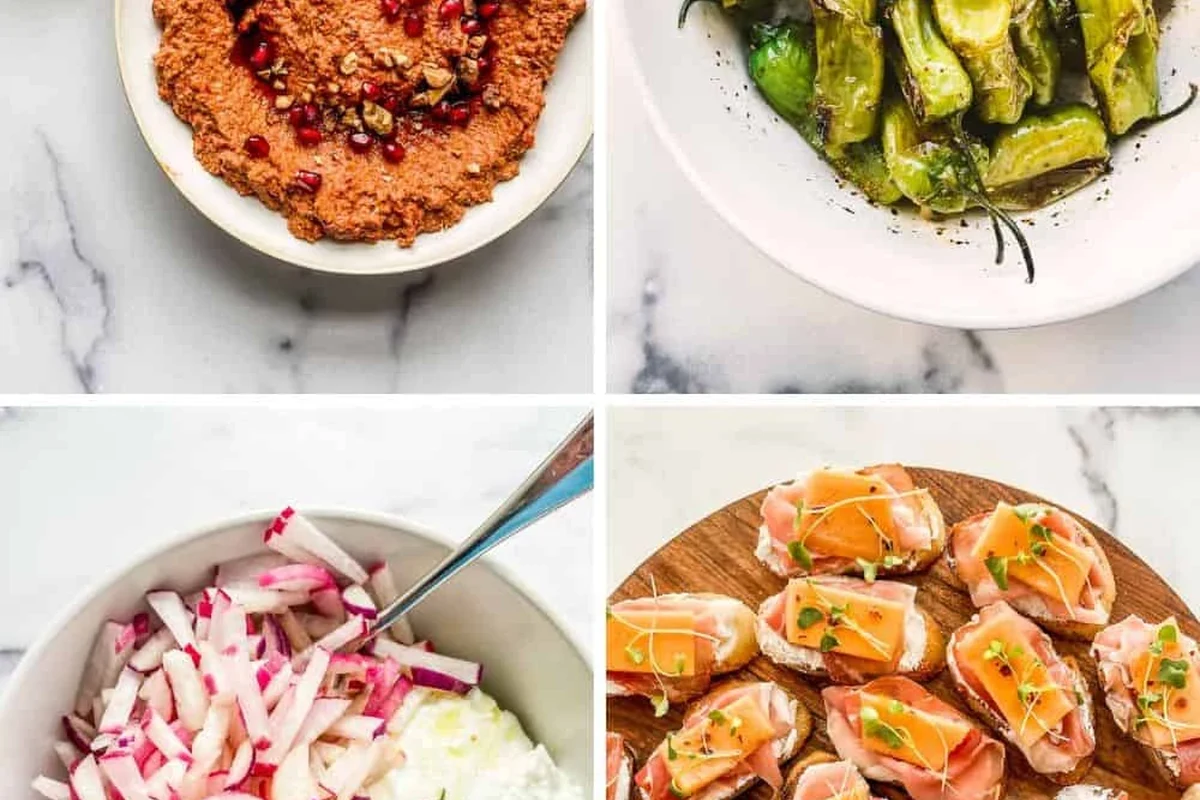
No-cook appetizers are ideal when the weather is hot, the kitchen is busy, or you need something very fast. Think bean dip with cucumber sticks, yogurt-based dips with carrot and bell pepper, fruit and cheese bites, or small tostada-style snacks topped with salad ingredients.
These options are useful because they reduce kitchen heat and shorten cleanup. They also let you assemble just before serving, which helps produce stay crisp and fresh.
Light-cook options: baked chips, roasted vegetables, boiled egg bites, and pan-warmed fillings
Light-cook appetizers add a little more texture and warmth without moving into heavy frying. Baked chips, roasted vegetables, boiled egg halves, and pan-warmed bean or vegetable fillings can all be part of a healthier spread.
If you want a larger side dish that can support an appetizer table, a simple slaw can be a good companion. Our easy coleslaw recipes article offers more ideas that pair well with lighter snacks.
When to choose each format based on time, heat, equipment, and serving style
No-cook appetizers are best when you have limited time, no oven space, or a crowded kitchen. Light-cook options are better when you want a warmer bite, a little more structure, or a dish that feels more like a true starter than a raw snack plate.
For outdoor events, no-cook or lightly cooked items are usually easier to manage than dishes that need constant reheating. For a sit-down meal, a warm appetizer can feel more intentional and satisfying.
Core Cooking Techniques for Better Texture and Flavor
Chopping, mixing, and layering for fast assembly
Good appetizer prep is often about cutting ingredients into the right size and layering them in a way that keeps texture intact. Smaller pieces mix more evenly, but if everything is chopped too fine, the dish can turn mushy.
Layering is especially helpful for dips, cups, and tostada-style snacks. Put wetter ingredients lower or in the center, and keep delicate toppings on top so they stay visually appealing and do not break down too quickly.
Baking, roasting, and air-frying for crispness without heavy oil
Baking and roasting can give vegetables, bread bases, or chips a more satisfying texture with less oil than deep frying. Air-frying can also help when you want crispness, though results vary by appliance and basket size.
Spread ingredients in a single layer when possible. Crowding traps steam, which can make vegetables soft instead of lightly crisp.
Because appliance performance varies, always follow the manufacturer’s instructions for temperature, timing, and preheating. If you are using an air fryer for the first time, it may take a few tries to find the right texture for your kitchen setup.
Balancing salt, acid, heat, and creaminess for a more satisfying bite
Healthy appetizers taste better when they have contrast. Salt brings out flavor, acid from lime or vinegar brightens the bite, heat adds interest, and creaminess helps the dish feel complete.
A simple bean dip, for example, may need onion, lime, and a little chili to feel lively. A cucumber snack may need a creamy element like yogurt or avocado so it does not feel too plain. The goal is balance, not heavy seasoning.
How to avoid soggy, bland, or overly oily appetizers
Soggy appetizers usually happen when wet ingredients are added too early or when hot ingredients are stacked before cooling. Bland appetizers usually need more salt, acid, herbs, or a stronger base ingredient. Overly oily appetizers usually come from too much frying or too much dressing.
- Assemble right before serving when possible.
- Taste and adjust seasoning in small steps.
- Drain ingredients well after washing or cooking.
- Adding sauce too early to crisp vegetables or chips.
- Using so much dressing that the texture collapses.
- Leaving warm fillings covered tightly before they cool slightly.
Healthy Substitutions and Ingredient Swaps
Swapping fried bases for baked, grilled, or raw options
One of the easiest ways to lighten an appetizer is to change the base. Instead of fried chips, use baked tortillas, grilled bread, cucumber rounds, cabbage leaves, or carrot sticks. Those swaps keep the snack familiar while reducing the need for extra oil.
Raw bases work especially well for dips and spreads. Grilled or baked bases are better when you want a warmer, sturdier bite that can hold toppings without falling apart.
Replacing heavy sauces with yogurt, avocado, bean spreads, or citrus dressings
Heavy creamy sauces are not always necessary. Plain yogurt mixed with herbs, mashed avocado with lime, seasoned bean spread, or a simple citrus dressing can give you flavor and body without making the appetizer feel dense.
If you are building a snack board, think in layers: one spread, one crunchy base, one fresh topping, and one bright finish. That structure works well in Belizean-style kitchens because it is flexible, affordable, and easy to scale.
If you need more ideas for lighter bases, our healthy breads nutrition guide can help you choose bread-style options more carefully.
Lower-cost substitutions for Belizean households
Budget-friendly appetizers often rely on ingredients that are already common in the pantry. Beans can stand in for pricier proteins, cabbage can replace more expensive salad greens, and eggs can provide a filling bite at a lower cost than many meats.
When fresh avocado or tomatoes are expensive, lean more on cucumber, carrot, cabbage, onion, and lime. The appetizer can still taste complete if you season it well and keep the texture interesting.
Diet-friendly adjustments for vegetarian, gluten-free, and dairy-light eating
Vegetarian appetizers are easy to build around beans, chickpeas, eggs, vegetables, and avocado. Gluten-free options are often naturally available when you use raw vegetables, corn-based items, or certified gluten-free products where needed.
For dairy-light eating, choose citrus dressings, bean spreads, or avocado-based toppings instead of cheese-heavy sauces. If someone has allergies or a medical diet need, check labels carefully and follow guidance from a qualified health professional when appropriate.
Food Safety and Handling Tips for Fresh Appetizers
Safe washing, peeling, cutting, and chilling of produce
Fresh produce should be washed under running water before cutting or peeling, even if you plan to remove the skin. Clean hands, clean cutting boards, and clean knives matter just as much as the ingredients themselves.
Use separate cutting boards or wash and sanitize surfaces after handling raw meat, seafood, or eggs. This helps prevent cross-contamination in mixed appetizer prep.
Chill cut produce promptly if it will not be served right away, especially in warm climates. Soft fruits, cut tomatoes, and sliced avocado are more delicate and should not sit out too long.
Handling eggs, dairy, seafood, and cooked fillings correctly
Egg-based, dairy-based, or seafood-based appetizers need extra care. Cook eggs and seafood according to recognized food-safety guidance, and keep dairy fillings cold until serving. When in doubt, follow USDA or FDA recommendations and the instructions on the package if you are using a prepared ingredient.
For warm fillings, keep them hot enough to stay safe until serving, and do not let them linger at room temperature for long periods. If a dish has been sitting out and you are unsure about its safety, it is better to discard it than take a risk.
Time-and-temperature guidance for serving at parties and outdoor events
Party food is where many appetizer mistakes happen. Warm environments can shorten the safe window for perishable foods, so plan to serve in smaller batches and refill as needed instead of leaving everything out at once.
Discard food that shows spoilage signs and follow safe internal-temperature and storage-time guidance. When serving outdoors, keep cold foods cold and hot foods hot, and do not rely on appearance alone.
For exact time limits, use official food-safety guidance from recognized public health sources, since safe holding times can depend on temperature, humidity, and the type of food.
Common safety mistakes to avoid in warm climates
The biggest mistake is assuming a fresh-looking appetizer is still safe after sitting out too long. Another common issue is mixing hot and cold ingredients without cooling the hot component first, which can raise the temperature of the whole dish.
It is also easy to forget about allergen exposure at gatherings. Dairy, eggs, fish, shellfish, nuts, wheat, and sesame can all matter, so label dishes clearly when you are serving a group.
Storage, Shelf Life, and Make-Ahead Planning
What can be prepped in advance and what should be assembled at the last minute
Chopped vegetables, washed herbs, bean spreads, and some sauces can usually be prepared ahead of time. Delicate items like avocado, sliced cucumber, and crisp toppings are best added close to serving so they do not brown or soften too much.
- Check which ingredients can be chilled ahead and which should stay separate.
- Plan a base, a topping, and a finishing flavor so the snack feels complete.
- Confirm whether the dish will be served immediately, packed for travel, or held for a party.
Refrigeration tips for dips, chopped vegetables, and protein-based toppings
Store dips in covered containers and keep them cold until serving. Chopped vegetables last best when they are dry, sealed, and separated from wet dressings. Protein-based toppings such as egg salad, tuna mixture, or dairy-based dips need especially careful chilling.
If condensation builds up in the container, the texture may suffer. Lining a container with a paper towel can help absorb extra moisture for some vegetables, though it is not a substitute for proper refrigeration.
How long leftovers usually stay fresh and when to discard them
Leftovers do not all behave the same way. Crisp vegetables may wilt quickly, avocado may brown, and dairy or seafood mixtures can spoil faster than dry snacks. Because shelf life depends on ingredients and storage conditions, use smell, texture, and official food-safety guidance together rather than guessing.
When something looks slimy, smells off, or has been stored too long for its ingredient type, discard it. That is especially important for warm-climate storage, where food can deteriorate faster than expected.
Best containers and packing methods for travel, picnics, and lunchboxes
Use airtight containers, shallow containers for quick cooling, and separate compartments when possible. For travel, pack wet ingredients apart from dry bases so the snack stays crisp until serving.
Picnics and lunchboxes work best with sturdy items such as carrot sticks, cabbage slaw, bean dips in sealed cups, or boiled eggs packed safely with cold storage. If you need to transport a larger spread, planning the menu around stable ingredients will make the whole process easier.
Common Mistakes, Value Tips, and Final Recommendation
Typical mistakes: too much sauce, poor seasoning, weak texture, and unsafe holding
The most common appetizer mistakes are easy to fix once you notice them. Too much sauce makes food soggy, too little seasoning makes it flat, weak texture makes it forgettable, and unsafe holding can turn a good idea into wasted food.
Another mistake is trying to make every appetizer do everything. A snack should either be crisp, creamy, fresh, warm, or hearty enough to serve its purpose. Pick the main role first, then build around it.
How to get the best value from affordable ingredients without sacrificing quality
Value comes from choosing ingredients that can do more than one job. Cabbage can become slaw or a crunchy base, beans can become dip or filling, and eggs can become a snack, topping, or protein add-in.
Choose fresh produce, beans, eggs, and a bright citrus finish when you want reliable, low-fuss snacks that fit busy Belizean routines.
Add cheese, tuna, chickpeas, or baked bases when the appetizer needs to carry more weight for guests or a longer gathering.
Keep an eye on what is actually available and affordable in your market that week. The smartest menu is usually the one built from practical ingredients, not the one with the longest shopping list.
When easy healthy appetizers are the right choice—and when a heartier snack is better
Easy healthy appetizers are the right choice when you need something quick, fresh, and flexible for family snacking, pre-dinner bites, or casual entertaining. They are especially useful when you want to serve a group without spending all day in the kitchen.
A heartier snack may be better when the appetizer is replacing a meal, when guests will not eat for hours, or when you need something more substantial for children, workers, or travelers. In those cases, add more protein, a sturdier base, or a fuller side dish so the spread lasts longer.
Final recommendation: the best approach for reliable, tasty, and practical appetizer planning
The most dependable approach is to build easy healthy appetizers from a fresh base, one filling element, and one bright flavor. That formula keeps the food practical, affordable, and adaptable for Belizean kitchens in 2026 without making prep complicated.
If you want the simplest path, start with vegetables, beans, eggs, or yogurt, then add lime, herbs, onion, and a little heat as needed. That gives you appetizers that feel thoughtful, taste balanced, and fit real-life schedules.
Common Questions
A simple veggie tray with lime dip or bean spread is one of the easiest options. It needs little cooking and can be assembled quickly.
Yes. Add beans, eggs, yogurt, chickpeas, cheese, or seeds so the snack has more staying power.
Cucumber, tomato, cabbage, avocado, lime, onion, cilantro, and habanero are all useful. They are flexible and widely adaptable.
Prepare wet and dry ingredients separately and assemble close to serving time. Keep anything perishable chilled until needed.
Often, yes, if you want less oil and a lighter bite. Baking or roasting can still give good texture when done carefully.
Frequently Asked Questions
Fresh vegetables, fruit, bean dips, and light bread or tostada-style bases all work well. Choose items that match the event, whether it is a family snack, a party tray, or a pre-dinner starter.
Use lime, herbs, onion, garlic, and a little pepper to add contrast. A mix of creamy, crunchy, and bright flavors usually tastes more complete.
Bean spreads, chopped vegetables, and some cold dips are good make-ahead choices if they stay refrigerated. Add avocado, crisp toppings, and dressing at the last minute.
Check for spoilage signs like off smells, sliminess, or unusual texture. For perishable foods, follow official food-safety guidance on storage time and temperature instead of guessing.
Yes. Many options are naturally vegetarian, and gluten-free choices are easy when you use vegetables, beans, eggs, or certified gluten-free products as needed. Always check labels if you are serving someone with allergies or sensitivities.
Using too much sauce or leaving food out too long are two common problems. Both can hurt texture and safety, especially in warm weather.