Children’s Party Snacks

Children’s party snacks should be easy to serve, low-mess, and safe for the youngest kids at the table. A small Belizean-inspired mix of savory bites, fruit, and simple sweets works best for most parties.
Children’s party snacks should be easy to eat, simple to serve, and friendly to a mixed group of kids. For Belizean-style parties in 2026, that usually means a mix of savory bites, fruit, and a few sweet treats that hold up well on a table or in lunch-style trays.
- Keep it simple: One savory item, one fresh item, and one sweet item is usually enough.
- Match the ages: Younger children need softer textures and smaller portions.
- Plan for safety: Watch allergens, cross-contact, and temperature control.
- Protect texture: Assemble wet snacks close to serving time so they do not get soggy.
What Are Children’s Party Snacks? Quick Answer for Busy Parents
Children’s party snacks are small, kid-friendly foods served in portions that are easy to grab, eat, and clean up. The best choices balance taste, mess control, and budget, while still feeling festive enough for a birthday, school celebration, or family gathering.
For Belizean-style parties, think of snacks that travel well, can be made ahead, and do not need a formal sit-down meal. That makes them practical for homes, church halls, classrooms, and outdoor spaces.
If you want a simple plan, start with one savory item, one fresh item, and one sweet item. That formula keeps the spread varied without making prep feel overwhelming.
Best Belizean-Style Children’s Party Snacks That Work for 2026
In Belizean homes, party snacks often lean toward familiar street-food flavors in smaller, less messy forms. The goal is not to make a huge menu; it is to choose foods that stay appealing while kids move around, talk, and play.
Mini meat pies, johnny cakes, and pinwheel sandwiches
Mini meat pies are a strong party option because they feel special, can be made in batches, and are easy for children to hold. Johnny cakes, especially split and filled with cheese or chicken, are also practical because they are soft, filling, and easy to portion.
Pinwheel sandwiches work well when you need a no-fuss option that can be made ahead and served cold. Use soft bread, a spread that is not too wet, and fillings that stay neat when sliced.
For mixed-age parties, make some sandwiches with very mild fillings and keep sauces on the side so children can choose what they want.
Fruit cups, cheese bites, and sweet treats with less mess
Fruit cups are a smart way to add color and freshness without relying on heavy desserts. Choose fruits that hold their shape well, such as melon, pineapple, grapes cut appropriately for age, or banana added close to serving time.
Cheese bites, cubes, or small cheese-and-cracker plates can help round out the snack table with something more filling. For sweets, look for low-mess options like small muffins, simple cookies, or bite-size cakes rather than sticky desserts that end up on clothes and floors.
For children’s parties, snacks that can be eaten with one hand often create less cleanup because kids can keep moving without needing extra utensils.
Hot vs. cold snack ideas for indoor and outdoor parties
Hot snacks can feel more filling and festive, but they need better timing and temperature control. Cold snacks are usually easier for outdoor parties, especially when the weather is warm and the serving window is long.
For indoor events, a mix of hot and cold works best if you can keep hot foods hot and chilled foods cold. For outdoor events, lean more heavily on room-temperature-safe items, then add one hot tray only if you can keep it properly heated.
How to Choose the Right Snacks for Age, Budget, and Party Size
The best menu depends on who is coming, how long the party lasts, and how much help you have in the kitchen. A smaller, well-chosen spread usually works better than trying to make too many things.
What fits toddlers, school-age kids, and mixed-age groups
Toddlers need soft textures, small portions, and foods that are easy to chew. School-age children usually handle more variety, including mini sandwiches, baked bites, and fruit cups.
For mixed-age groups, choose snacks that can be adjusted easily. For example, a cheese plate can work for older children, while softer fruit and small sandwiches can suit younger ones.
Portion size, allergy awareness, and mess control
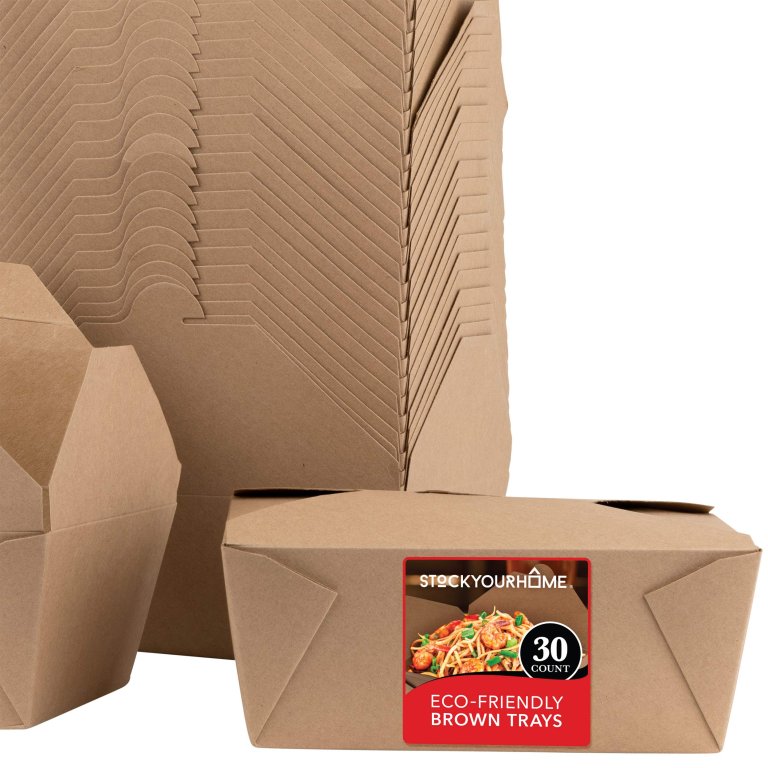
Keep portions small enough that children can finish them without waste, but not so tiny that you spend all day making food. Disposable napkins, small plates, and clear serving trays can also help control mess and speed up cleanup.
Always think about allergies before setting the menu. Common concerns include dairy, eggs, wheat, nuts, and sometimes fish or shellfish depending on the household and community.
If you are serving children you do not know well, label foods that contain common allergens and keep serving utensils separate to reduce cross-contact.
Balancing savory, sweet, and filling options
A good party table usually needs more than one flavor direction. Savory snacks help children stay satisfied, sweet snacks make the event feel like a celebration, and fruit adds freshness.
If you serve too many sweets, kids may fill up quickly and ignore the rest. If you serve only savory foods, the spread can feel less festive. A balanced mix usually solves both problems.
Key Ingredients and Smart Substitutions for Belizean Party Snacks
Many Belizean-style children’s snacks rely on simple pantry ingredients and flexible fillings. That is helpful because party cooking often has to adapt to what is available locally or what fits the budget.
Common pantry staples: flour, cheese, chicken, fruit, and dips
Flour shows up in pies, pastries, and dough-based snacks. Cheese and chicken are common filling choices because they are familiar to most children and easy to portion into small pieces.
Fruit works as both a snack and a palate cleanser, especially when the menu includes fried or baked items. Dips such as mild salsa, yogurt-based dips, or simple mayo-based spreads can add flavor, but they should be used carefully so snacks do not become soggy.
- Choose one or two main fillings that can be used in more than one snack
- Check whether you need kid-safe fruit sizes, allergen labels, and serving utensils
- Plan for storage space if you are making food ahead
Affordable substitutions when ingredients are hard to find
If a specific ingredient is unavailable, keep the texture and purpose in mind rather than chasing an exact match. For example, a mild local cheese can stand in for a pricier imported one, and cooked shredded chicken can often replace more expensive meats in pies or sandwiches.
When fresh fruit is limited, choose whatever is in season and easy to serve cleanly. The same idea applies to bread and pastry: use the format that is available, then focus on neat sizing and good filling balance.
Vegetarian, dairy-free, and gluten-free swaps
Vegetarian options can include bean fillings, egg-free sandwiches, roasted vegetables, or fruit and cracker platters. Dairy-free versions may use plant-based spreads or simply skip cheese and lean on savory fillings like chicken, tuna, or beans if those fit the menu.
For gluten-free needs, use naturally gluten-free foods where possible, such as fruit cups, cheese cubes, and certain corn-based snacks, but always verify labels because ingredients can vary by brand. If a child has a medical allergy or celiac disease, confirm details with the family and follow their guidance carefully.
Cooking Techniques That Make Party Snacks Easier and Better
The easiest party snacks are the ones that can be made in batches without losing texture. Good planning matters as much as the recipe itself.
Baking, frying, and no-cook assembly methods
Baking is often the most manageable method for larger groups because it lets you prepare multiple trays with less hands-on attention. Frying can create great texture for items like meat pies or turnovers, but it usually requires more monitoring and more cleanup.
No-cook assembly is ideal for fruit cups, sandwiches, and cheese trays. These are especially useful when you need to prep close to serving time or when oven space is limited.
Batch prep, make-ahead steps, and keeping textures fresh
Batch prep helps you avoid last-minute stress. You can cook fillings in advance, portion fruit the same day, and assemble sandwiches or pies closer to serving time.
Keep wet ingredients separate until needed. That matters for sandwiches, pastries, and crackers, because moisture is the main reason snack foods turn soft before the party ends.
- Cool cooked fillings before assembling pastries or sandwiches.
- Store crisp items separately from moist fillings.
- Cut fruit close to serving time when possible.
- Use shallow containers so food chills faster and more evenly.
How to keep snacks crisp, soft, or chilled as needed
Different snacks need different handling. Crisp foods should be kept uncovered or lightly covered until serving, soft foods should be protected from drying out, and chilled foods should go back into the refrigerator quickly after being set out.
If you are serving outdoors, rotate small amounts onto the table instead of placing everything out at once. That helps preserve texture and supports safer temperature control.
Food Safety and Handling for Children’s Party Snacks
Food safety matters more at children’s parties because young children are more vulnerable to foodborne illness. Follow recognized guidance from food-safety authorities such as the USDA, FDA, or your local health department when handling, chilling, cooking, and serving food.
Safe temperatures for hot foods and cold foods
Hot foods should stay hot, and cold foods should stay cold. If foods are left out for a long time, the risk of bacterial growth rises, especially in warm weather or outdoor settings.
Use a food thermometer for cooked meats, poultry, and other potentially risky items, and keep perishable foods refrigerated until serving. When in doubt, follow official food-safety guidance and the instructions for any packaged ingredients or prepared foods.
Discard food that shows spoilage signs and follow safe internal-temperature and storage-time guidance.
Allergen control, cross-contamination, and clean serving tools
Use separate utensils for different dishes, especially when one item contains nuts, dairy, eggs, wheat, or seafood. Keep allergen-containing foods clearly identified so parents can make informed choices for their children.
Wash hands, boards, knives, and trays between tasks. Even a small amount of cross-contact can matter for a child with a serious allergy.
When to avoid risky ingredients for young children
For very young children, avoid foods that are hard, round, sticky, or difficult to chew without supervision. Whole grapes, large chunks of raw vegetables, popcorn, nuts, and similar items can create choking concerns depending on age and preparation.
When serving mixed ages, cut foods into smaller pieces and keep an adult nearby for supervision. If you are unsure whether a food is appropriate for a child’s age, choose a softer or smaller alternative.
Storage, Reheating, and Make-Ahead Planning
Good storage planning makes party food less stressful and reduces waste. The best approach depends on whether the snack is baked, fried, fresh, or chilled.
How long different snacks keep in the fridge or freezer
Storage time varies by ingredient, moisture level, and how the food was handled. In general, cooked meats, dairy-based fillings, and cut fruit should be refrigerated promptly and eaten within a safe window recommended by food-safety authorities.
Some baked items, such as mini pies or rolls, freeze well if wrapped properly before freezing. Fresh fruit cups and assembled sandwiches usually do not freeze well and are better made closer to serving time.
Best reheating methods for baked and fried snacks
Baked snacks usually reheat best in an oven or toaster oven, which helps preserve texture. Fried snacks can also be refreshed in the oven or air fryer, depending on the item and the equipment available.
Microwaves are convenient, but they can soften crisp foods quickly. If you want a snack to stay crisp, use gentle reheating and avoid overcrowding the pan.
What to do with leftovers after the party
Pack leftovers into shallow containers as soon as the party ends so they cool quickly. Label containers with the date if you are not serving them right away, and refrigerate or freeze them promptly.
If a snack has been sitting out too long, it is safer to discard it than to guess. That is especially true for foods with meat, dairy, eggs, or cut fruit.
Common Mistakes, Value Tips, and Final Recommendation
The most successful children’s party menus are usually simple, balanced, and easy to manage. You do not need a huge spread; you need snacks that stay appealing and safe from the first guest to the last.
Overcomplicating the menu, underestimating portions, and soggy textures
One common mistake is making too many different snacks and then running out of time or serving space. Another is underestimating how much children will eat once they start moving between games, cake, and drinks.
Soggy textures are also a frequent problem. To avoid them, keep wet fillings separate, assemble close to serving time, and use trays that let air circulate around baked items.
How to save money without making the spread feel plain
Save money by repeating ingredients across several snacks. For example, one chicken filling can become mini pies, sandwiches, and small rolls, while one fruit selection can become both fruit cups and garnish.
Another good strategy is to choose one or two “special” items and fill the rest of the table with simple, familiar snacks. That keeps the menu festive without making every item expensive.
- Reusing ingredients lowers waste and prep time
- Simple snacks are easier to serve and clean up
- Balanced menus suit different ages and appetites
- Too much variety can create extra stress
- Wet fillings can ruin texture if assembled too early
- Budget menus can feel plain if everything is identical
Best overall approach for a Belizean children’s party in 2026
The best approach in 2026 is a small Belizean-inspired spread built around one baked or savory item, one fresh item, and one easy sweet item. That gives you variety, keeps cleanup manageable, and works well for both indoor and outdoor celebrations.
If you want more inspiration for menu planning, you may also like our guides to kids party food, kids party food ideas, and birthday snacks. For readers who want broader snack planning, our street food snacks category can also help.
For most Belizean children’s parties, the smartest menu is simple, colorful, and easy to keep safe. Choose snacks that can be made ahead, served in small portions, and handled without much mess, and you will have a spread that feels festive without becoming stressful.
Common Questions
They are small, kid-friendly foods served in easy-to-eat portions. The best ones are simple, low-mess, and easy to share.
Mini meat pies, johnny cakes, fruit cups, and pinwheel sandwiches are all practical choices. They fit well on snack tables and are easy to portion.
Either can work, but cold snacks are usually easier for outdoor parties. Hot foods need better temperature control and faster serving.
Keep wet fillings separate until close to serving time. Store crisp foods and moist foods apart whenever possible.
Use small pieces, soft textures, and close supervision. Avoid foods that can cause choking or that need careful chewing.
Frequently Asked Questions
Mini pies, some sandwiches, and cooked fillings are often the easiest make-ahead choices. Fruit cups and assembled cold snacks usually do better when prepared closer to serving time.
Choose foods that can be served in small pieces and adjusted for different ages. Soft fruit, mild sandwiches, and baked savory bites usually work well.
Avoid hard, round, sticky, or hard-to-chew foods unless they are prepared safely for the child’s age. Whole grapes, popcorn, nuts, and large raw vegetable pieces are common concerns.
It depends on the food, the temperature, and whether it is hot or cold. Follow official food-safety guidance and do not rely on guesswork for meat, dairy, eggs, or cut fruit.
Label foods with common allergens and use separate utensils for serving. If a child has a serious allergy, confirm details directly with the family before planning the menu.
Reuse the same ingredients in several snacks and keep the menu small. One special item plus simple fruit and sandwiches usually feels complete without costing too much.