4th of July Hors D Oeuvres

The best 4th of July hors d oeuvres are easy-to-hold bites that can be prepped ahead and served safely outdoors. Build a simple mix of dips, skewers, and baked snacks so your menu stays festive without becoming stressful.
4th of July hors d oeuvres are small, shareable party bites that help guests snack comfortably before the main meal. For a BelizeanRecipe-style celebration, the best choices are colorful, easy to hold, and safe to serve outdoors, especially when you need food that works for a mixed crowd and a busy host.
- Choose sturdy bites: Finger foods, skewers, dips, and mini bakes hold up best for crowds.
- Prep in stages: Make fillings, dips, and chopped ingredients ahead of time to reduce party-day work.
- Protect texture: Add sauces and delicate garnishes close to serving so food stays fresh.
- Follow food safety: Keep perishable foods properly hot or cold, especially outdoors in summer heat.
What Are 4th of July Hors D Oeuvres and Why They Fit a Belizean-Style Celebration
Hors d’oeuvres are appetizer-sized foods served before a meal or alongside drinks. On the 4th of July, they usually lean toward finger foods, skewers, dips, and bite-sized bakes because they are easy to pass around, easy to portion, and simple to scale for a crowd.
That style fits naturally with Belizean entertaining, where gatherings often center on sharing, bold seasoning, and foods that can be eaten without much fuss. Think of the same relaxed energy you might bring to street snacks or a community cookout: practical, flavorful, and colorful enough to look festive without requiring complicated plating.
For patriotic parties, the goal is not to make the fanciest spread. It is to serve a mix of hot and cold bites that stay appealing while people mingle, talk, and come back for seconds.
In 2026, many hosts are also planning around dietary variety. A smart hors d’oeuvres menu includes at least one vegetarian option, one protein-forward option, and one dip or spread that can be served with crackers, chips, or vegetables.
Best Make-Ahead 4th of July Hors D Oeuvres: What to Serve for a Crowd
When you are feeding a group, make-ahead snacks save time and reduce stress. The best 4th of July hors d oeuvres are the ones that hold texture, travel well from kitchen to table, and do not need constant last-minute attention.
Finger Foods, Skewers, Dips, and Bite-Sized Bakes
Finger foods are usually the easiest crowd-pleasers because they require no utensils. Mini sandwiches, stuffed mushrooms, deviled eggs, and cheese-and-cracker plates are classic examples, but skewers can be even easier because they already come portioned.
Skewers work especially well for patriotic parties because you can build them with red, white, and blue ingredients, such as cherry tomatoes, mozzarella, blueberries, strawberries, grapes, or turkey cubes. For a more savory spread, try shrimp skewers, chicken bites, or grilled vegetables with a dip on the side.
Dips are another strong choice because they stretch well. A creamy dip, salsa, bean spread, or yogurt-based sauce can feed many people if you pair it with vegetables, pita chips, tortilla chips, or toasted bread. If you want more visual inspiration for party platters, our pictures of snacks guide can help with serving ideas.
Bite-sized bakes like mini quiches, pinwheels, sausage rolls, or stuffed pastry cups are useful when you want something warm and filling. They are especially good for hosts who want to prep early and reheat right before serving.
Choosing Recipes by Budget, Prep Time, and Serving Style
The smartest menu is the one that fits your schedule. If you need low-cost options, choose ingredients that can be used in more than one dish, like eggs, tortillas, crackers, cream cheese, beans, or seasonal produce. If you need speed, focus on no-cook or minimal-cook items such as fruit skewers, dips, and assembled cheese boards.
For a more substantial spread, combine one chilled item, one baked item, and one grilled item. That balance helps you avoid serving everything at the same temperature or texture. It also gives guests more variety without forcing you to make too many separate recipes.
Serving style matters too. Passed appetizers need compact, sturdy bites. Buffet-style trays can handle more variety, including dips and layered platters. If the party is mostly outdoors, choose foods that can sit safely and still look fresh for a reasonable amount of time.
Essential Ingredients and Smart Shopping Guide for Patriotic Party Snacks
A good shopping list keeps the menu simple. You do not need rare ingredients to make a festive spread; you need fresh produce, reliable proteins, and pantry items that hold up well in a party setting.
Fresh Produce, Proteins, Dairy, Pantry Staples, and Garnishes
Fresh produce gives hors d’oeuvres color and brightness. Look for berries, cherry tomatoes, cucumbers, peppers, grapes, herbs, avocados, citrus, and lettuce or greens if you are building platters. These ingredients help create the red, white, and blue look without relying on artificial decorations.
For proteins, common choices include chicken, shrimp, deli meats, eggs, bacon, sausage, beans, and cheese. Dairy ingredients such as cream cheese, sour cream, yogurt, feta, mozzarella, and shredded cheese are especially useful for dips, stuffed bites, and baked appetizers.
Pantry staples matter more than many people expect. Crackers, tortilla chips, puff pastry, bread, mustard, mayonnaise, pickles, olives, olive oil, spices, and canned beans can turn a few simple ingredients into a full party tray. Garnishes like parsley, chives, paprika, or sesame seeds make platters look finished with very little effort.
If you are planning a mixed menu, check labels for gluten, dairy, egg, shellfish, soy, sesame, and nut ingredients. That matters even for simple snack trays, because cross-contact can happen through shared serving utensils and prep surfaces.
How to Choose Quality Ingredients and Easy Substitutions
Choose produce that looks firm, colorful, and free from major bruising or leaking. For dairy, check use-by dates and keep cold items cold during shopping and transport. For seafood and meat, buy from a source you trust and refrigerate promptly once you get home.
Easy substitutions can save the menu if the store selection is limited. Swap sour cream for plain Greek yogurt in some dips, use canned beans instead of fresh-cooked beans for spreads, or replace expensive berries with grapes and strawberries. If a recipe normally uses shrimp, chicken or roasted vegetables can often fill the same role in a skewer or salad-style bite.
- Buy one or two backup ingredients that can work in multiple recipes.
- Choose sturdy produce for outdoor platters so the food holds its shape longer.
- Keep cold ingredients in the refrigerator until the last possible minute.
Cooking Techniques That Keep Hors D Oeuvres Crisp, Fresh, and Easy to Serve
Technique matters because small foods can dry out, soften, or lose appeal quickly. The goal is to cook just enough for flavor and safety while preserving a texture that still feels appetizing on a platter.
Baking, Grilling, Chilling, and Assembly Tips for Busy Hosts
Baking works well for pastry bites, stuffed mushrooms, mini quiches, and cheese-based snacks. Use it when you want even cooking and a hands-off method. Grilling is useful for skewers, vegetables, and small meat bites, especially if you want a smoky flavor that fits a summer holiday.
Chilling is best for dips, layered cups, fruit trays, and make-ahead spreads. Cold items should be assembled close to serving time when possible so they stay bright and do not absorb too much moisture. Assembly is often the most overlooked step: dry ingredients should go on first, sauces should be added carefully, and delicate herbs should be used as a final garnish.
If you are pairing appetizers with a larger meal, keep portions small enough that guests can sample more than one item. That is especially helpful when the menu also includes heartier dishes later in the day.
Make-Ahead Timing and Batch-Prep Strategy
Batch prep reduces last-minute chaos. Chop vegetables in advance, mix dips the day before, and pre-cook fillings that can be reheated safely. For baked items, many hosts prefer to assemble earlier in the day and bake closer to serving time so the texture stays better.
Wash produce, measure pantry items, and cook fillings that need cooling before assembly.
Keep cold items separate from hot items so each tray can be managed safely and efficiently.
Add garnishes, sauces, and delicate toppings right before guests arrive.
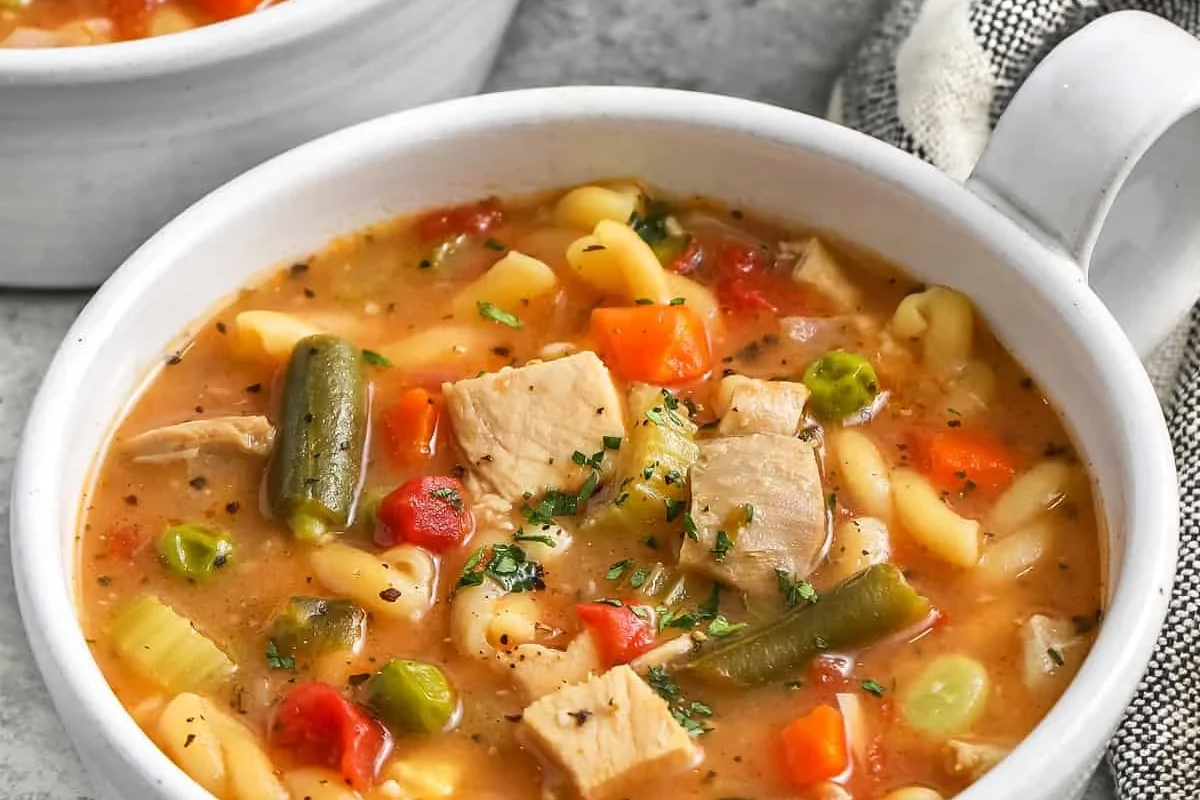
For hosts who want a visual serving layout, our how many ounces in a bowl of soup article can also help you think about portion size and serving capacity, even though the format is different.
Common Mistakes to Avoid When Making 4th of July Hors D Oeuvres
Most appetizer problems come from moisture, timing, or underseasoning. The good news is that these mistakes are easy to avoid once you know what to watch for.
Soggy Bites, Overcrowding, Weak Seasoning, and Poor Timing
Soggy bites happen when wet ingredients sit too long on bread, crackers, or pastry. To prevent that, keep sauces separate until serving or use sturdier bases. Overcrowding a tray is another common issue because steam and trapped heat can soften crispy foods.
Weak seasoning is especially noticeable in small bites. Since each piece is small, flavor needs to be clear and balanced. Taste fillings before assembly when possible, and remember that cold foods often taste less salty or less bold than warm ones.
Poor timing can ruin texture. If you bake too early, crisp items may soften. If you wait too long to assemble cold platters, ingredients may dry out or discolor. The simplest fix is to assign each recipe a serving window and work backward from that point.
- Keep wet and dry ingredients separate until close to serving.
- Season fillings thoughtfully and taste before assembling.
- Use trays that match the amount of food, not oversized platters that spread items too thin.
- Leaving crisp foods under sauce for too long.
- Stacking hot appetizers in deep piles where steam builds up.
- Assuming a cold appetizer will stay safe just because it looks fresh.
Food Safety, Holding Temperatures, and Outdoor Serving Tips
Outdoor entertaining needs extra care because heat and humidity can make foods unsafe faster. Use official food-safety guidance from USDA or your local health authority when planning how long food can sit out, especially for meat, dairy, seafood, eggs, and mayonnaise-based snacks.
Safe Handling for Dairy, Seafood, Meat, and Mayonnaise-Based Snacks
Keep raw ingredients separate from ready-to-eat foods during prep. Use different utensils and cutting boards for raw meat or seafood, and wash hands and surfaces after contact. Cook meat and seafood to safe internal temperatures according to recognized food-safety guidance, and do not rely on color alone.
Do not leave perishable hors d’oeuvres in the danger zone longer than official food-safety guidance allows. When in doubt, chill it, heat it, or discard it.
Mayonnaise-based snacks are not automatically unsafe, but they do need careful handling. The real issue is temperature control, not the ingredient alone. If a dish contains eggs, dairy, or seafood, treat it as perishable and keep it properly cold or hot until serving.
Keeping Food Cool, Covered, and Guest-Ready in Hot Weather
Use shallow trays, chilled serving bowls, and insulated containers when possible. Replace small amounts of food on the table instead of putting out the entire batch at once. That helps preserve both safety and texture.
Keep lids, foil, or food covers nearby so trays can be protected from insects, dust, and direct sun. If the party is outside for several hours, rotate fresh platters from the refrigerator and retire any food that has been sitting out too long. For cold items, nest serving dishes in ice when appropriate; for hot items, use warming trays or other safe holding methods that maintain temperature.
Discard any appetizer that smells off, looks slimy, or has been sitting out beyond safe time limits. If you are unsure, do not serve it.
Storage, Reheating, and Leftover Planning for Party Platters
Leftovers are easier to manage when you plan for them before the party starts. Some hors d’oeuvres store well, while others lose texture quickly and are better eaten the same day.
How Long Different Hors D Oeuvres Keep in the Fridge or Freezer
Storage time depends on the ingredients and how the food was handled. In general, cooked meat, seafood, dairy-based dips, and egg-based appetizers should be refrigerated promptly and used according to recognized food-safety guidance and the recipe’s specific instructions. Crisp items with sauces usually do not freeze well, while baked pastry bites, cooked fillings, and some meat-based snacks may freeze better.
For best quality, store foods in shallow, airtight containers and label them with the date. Keep raw and cooked foods separate. If you are unsure whether a leftover is still safe, it is better to throw it out than to guess.
Best Reheating Methods for Texture and Food Safety
Reheat baked appetizers in the oven or toaster oven when you want to restore crispness. Microwaves are faster, but they can soften pastry and leave hot spots, so they are better for moist fillings or dips that will be stirred before serving. Always reheat to safe temperatures based on the food type and recognized guidance.
Cold leftovers like fruit, cheese, or vegetable trays should be refreshed with clean garnishes rather than mixed back into the original platter. If a dip has been left out too long or repeatedly warmed and cooled, discard it instead of saving it for later.
- Build your menu around foods that are easy to hold, easy to portion, and safe for outdoor serving.
- Mix cold, hot, and room-temperature items so the platter feels complete without overcomplicating prep.
- Protect texture by keeping sauces, garnishes, and delicate ingredients separate until the last minute.
- Follow official food-safety guidance for temperature control, especially with dairy, seafood, meat, and egg-based snacks.
Final Recommendation: The Best 4th of July Hors D Oeuvres for Easy Entertaining
The best 4th of July hors d oeuvres are the ones that match your guest count, your serving space, and your prep time. For most hosts, the strongest combination is one make-ahead dip, one baked bite, and one fresh skewer or platter, because that gives you variety without creating a complicated kitchen schedule.
If you want the easiest path, choose recipes that can be prepped in stages and served in small batches. That approach keeps food fresher, reduces waste, and makes it easier to enjoy the party instead of managing the table all day.
For easy entertaining, prioritize sturdy finger foods, chilled dips, and bite-sized bakes that hold up well in warm weather. If your menu includes seafood, dairy, eggs, or mayonnaise-based snacks, follow safe storage and holding guidance closely and choose a simpler alternative if you cannot keep food properly cold or hot.
Common Questions
Dips, skewers, deviled eggs, and mini baked bites are usually the easiest. They are simple to portion and can be made in batches.
Yes, many fillings, dips, and baked components can be made ahead. Assemble delicate items closer to serving time.
Strawberries, blueberries, cherry tomatoes, mozzarella, grapes, and herbs work well. They add color without extra effort.
Use ice, chilled serving dishes, and small refill batches. Keep cold foods covered and out of the sun as much as possible.
Refrigerate them promptly in shallow containers. Reheat only what needs reheating and discard anything that sat out too long.
Frequently Asked Questions
The best make-ahead choices are dips, baked bites, skewers, and cold platters that do not lose texture quickly. Recipes with separate components usually hold up better than fully assembled soft sandwiches.
For meat, seafood, and egg-based bites, use recognized food-safety temperature guidance rather than color alone. If a recipe includes a thermometer cue, follow that instead of guessing.
The biggest mistakes are soggy bases, weak seasoning, and making everything too early. Another common issue is leaving perishable food out longer than safe guidance allows.
Plain yogurt can sometimes replace sour cream, and vegetables or chicken can often replace shrimp in skewers or bites. The best substitution depends on texture, flavor, and any allergy concerns.
That depends on the food, the temperature, and official food-safety guidance. Perishable items like dairy, seafood, meat, and egg-based snacks should not sit out indefinitely, especially in hot weather.
Refrigerate leftovers promptly in shallow containers and keep raw foods separate from cooked foods. Reheat baked items in the oven or toaster oven when you want to preserve texture.