
Healthy Summer Meal Ideas

Healthy summer meal ideas should be light, fresh, and easy to pack or cook in hot weather. The best options use produce, lean protein, and simple methods like grilling, quick sautéing, or make-ahead assembly.
Healthy summer meal ideas in Belizean street-food style are usually light, colorful, and easy to put together without losing flavor. Think fresh produce, lean protein, and fast-cooking methods that work for lunch, beach days, or a quick dinner after work.
- Fresh and light: Build meals around produce, lean protein, and simple bases.
- Heat-friendly: Choose recipes that stay good in warm weather and travel well.
- Budget-aware: Beans, eggs, and chicken can replace more expensive proteins.
- Texture matters: Keep sauces separate to prevent soggy tortillas, wraps, or bowls.
What Healthy Summer Meal Ideas Mean for Belizean Street-Food Style Cooking
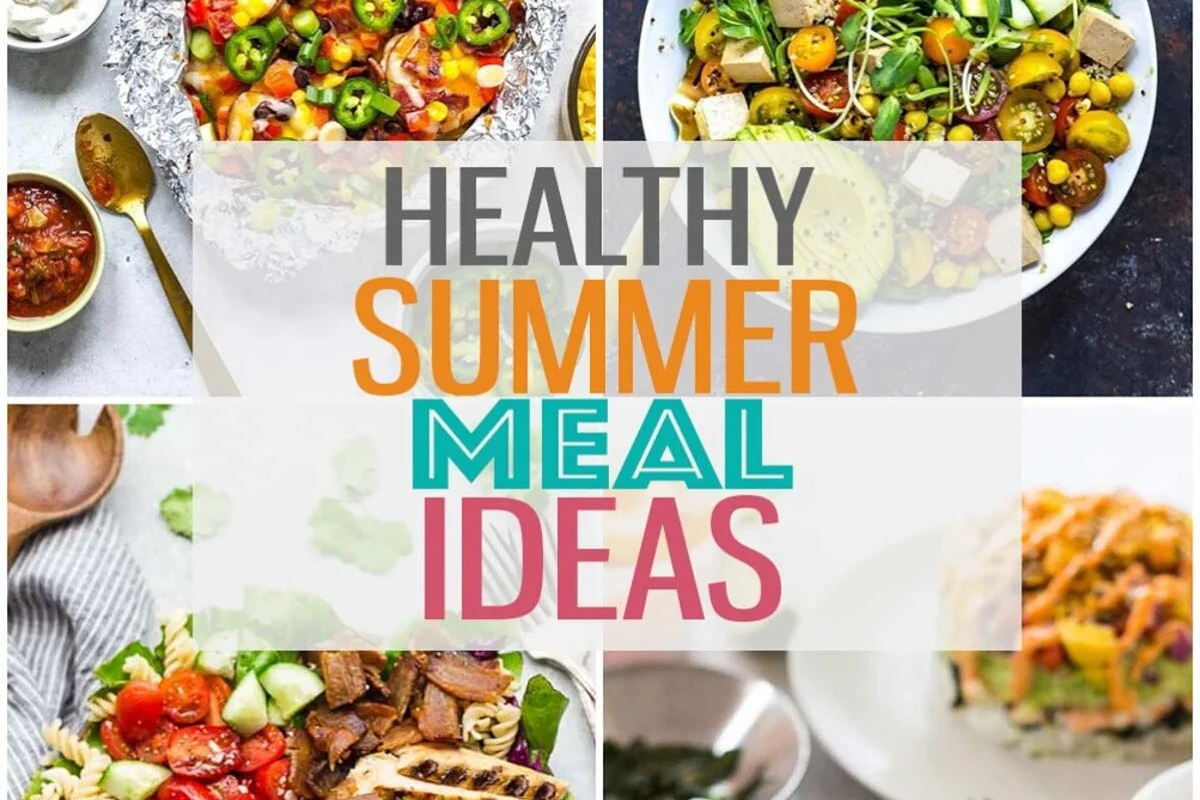
Quick answer: light, satisfying, affordable meals built around fresh produce, lean protein, and fast-cooking methods
In practice, that means meals that feel refreshing in hot weather but still keep you full enough to carry you through the day. For BelizeanRecipe readers, the best versions usually borrow the bright flavors of street food—lime, chili, herbs, cabbage, grilled fish, beans, and fruit—while keeping frying, heavy sauces, and oversized portions in check.
This is not about strict dieting. It is about building meals that are practical, affordable, and satisfying in real kitchens, especially when the weather is hot and nobody wants to stand over the stove for long.
Who These Meals Fit Best in 2026
Busy families, students, workers, and anyone wanting lighter meals without losing flavor
In 2026, many home cooks are looking for meals that fit tighter schedules and more flexible eating habits. These ideas work well for people who need lunch that travels, dinner that comes together fast, or snacks that can double as a light meal.
Good for quick assembly, picky eaters, and using leftovers without making a second heavy meal.
Helpful when you need something portable, budget-aware, and easy to pack.
Best when you want components that stay useful for several meals, such as grilled chicken, rice, slaw, or beans.
Best occasions: lunch, beach days, picnics, market meals, and after-work dinners
These meals fit moments when you want food that feels fresh rather than heavy. They are especially useful for outdoor eating, since many of them can be packed in separate containers and assembled right before serving.
If you want more ideas for fast meals that do not require a complicated shopping list, see our guide to quick and easy meal ideas. For lighter packed lunches, our grab-and-go lunch ideas also pair well with this topic.
Key Ingredients to Build a Healthy Summer Plate
Fresh produce: cucumber, tomato, cabbage, mango, pineapple, avocado, lime, and herbs
Fresh produce gives summer meals their cooling feel and helps keep each plate bright and balanced. Cabbage and cucumber add crunch, tomato adds juiciness, avocado adds richness, and mango or pineapple can bring sweetness that works well with chili, lime, and salt.
Availability changes by season and region, so use what is fresh and affordable where you shop. In Belize, market produce often makes these meals more practical than imported ingredients.
Smart proteins: fish, chicken, beans, lentils, eggs, yogurt, and shrimp
Protein helps make a summer meal feel complete without needing a lot of starch. Fish and shrimp fit the street-food style especially well because they cook quickly, while beans, lentils, eggs, and yogurt give budget-friendly options for mixed bowls, wraps, and salads.
If chicken is your easiest protein, you can also use ideas from our meal prep with chicken breast guide or browse shredded chicken meal ideas for flexible filling options.
Better carbs and bases: corn tortillas, brown rice, sweet potato, plantain, and whole-grain wraps
Healthy summer meals still need a base that gives energy and structure. Corn tortillas, brown rice, sweet potato, plantain, and whole-grain wraps can all work, but the best choice depends on the meal: tortillas for tacos, rice for bowls, wraps for portability, and roasted plantain or sweet potato when you want something a little heartier.
- Use produce that holds up well in heat, such as cabbage, cucumber, carrot, and lime.
- Keep creamy sauces light so they do not overpower the fresh flavors.
- Build each meal around one protein, one crunchy vegetable, and one simple base.
How to Choose the Right Meal for Heat, Budget, and Time
Decision criteria: prep time, portability, cost, cooling needs, and ingredient availability
The best healthy summer meal is the one you can realistically make and eat before it gets tired or soggy. Start by asking how long you have, whether the food needs to travel, and whether you can keep it chilled until serving.
- Choose ingredients that match your budget and the season.
- Think about whether the meal will be eaten immediately or packed for later.
- Check if you need a cold container, insulated bag, or separate dressing cup.
When to choose no-cook, quick-cook, or make-ahead options
No-cook meals are best when the heat is intense and you want the kitchen to stay cool. Quick-cook meals work when you have a stove, grill, or air fryer and want something fresh in a short time. Make-ahead meals are ideal for work lunches, picnics, and family schedules because you can prepare the components in advance and assemble them later.
| Option | Best For | Key Consideration |
|---|---|---|
| No-cook | Very hot days and fast lunches | Needs excellent food safety and cold storage |
| Quick-cook | Fresh dinners and street-food style meals | Best when ingredients are prepped ahead |
| Make-ahead | Workdays, picnics, and meal prep | Keep wet and dry ingredients separate |
Healthy Summer Meal Ideas That Work in Real Kitchens
Belizean-style fish tacos with cabbage slaw and lime yogurt
This is one of the easiest ways to make a summer meal feel like street food without going heavy. Use grilled, baked, or pan-seared fish, then top corn tortillas with cabbage slaw, lime yogurt, and a little hot sauce or salsa.
Keep the slaw dry until serving so the tortillas stay firm. If you need extra flavor, add lime juice and herbs right before eating instead of soaking the fish in a heavy sauce.
Chicken or bean wraps with avocado, tomato, and hot sauce
Wraps are one of the most convenient healthy summer meal ideas because they travel well and do not need a full plate setup. Chicken gives a lean protein option, while beans make the meal more budget-friendly and still satisfying.
For readers building lunch rotation ideas, our best meal prep lunches guide offers more practical combinations that fit busy weekdays.
Mango-chili salad bowls with grilled protein and rice
This style of bowl works especially well when mango is in season. The fruit adds sweetness, chili adds heat, and lime ties everything together. Add grilled fish, chicken, shrimp, or beans over rice, then finish with cucumber, herbs, and a light dressing.
Cold noodle or grain bowls with vegetables and citrus dressing
Cold bowls are useful when you want something filling but not hot. Use cooked and cooled grains or noodles, then mix in crunchy vegetables, herbs, and a citrus dressing made with lime or lemon, a little oil, and salt.
For summer meals, the best bowls are usually built from simple parts that can be stored separately and combined at the last minute. That keeps the texture better and makes leftovers much more useful.
Cooking Techniques That Keep Summer Meals Light but Flavorful
Grilling, steaming, quick sautéing, and roasting with minimal oil
These methods keep meals lighter because they add flavor without requiring a lot of fat. Grilling gives a smoky street-food feel, steaming keeps vegetables crisp-tender, quick sautéing is good for fast dinners, and roasting works well when you want deeper flavor with less hands-on time.
Balancing acid, salt, heat, and sweetness for better flavor without heaviness
Healthy summer food does not need to taste plain. Lime, vinegar, tomato, chili, herbs, and a touch of fruit can create a satisfying balance that makes lean protein and vegetables taste complete without relying on creamy sauces or deep frying.
How to keep textures crisp and meals from turning soggy
The main trick is separating wet and dry ingredients until the last possible moment. Store sauces in small containers, pack tortillas or wraps separately, and add delicate ingredients like avocado or herbs after the meal is assembled.
- Chill ingredients before packing cold meals.
- Use firm vegetables that stay crunchy longer.
- Dress salads lightly and finish with lime at serving time.
- Soaking tortillas, wraps, or grains in sauce too early.
- Using too much mayonnaise or cream-based dressing in hot weather.
- Mixing hot and cold ingredients before storage if you want good texture later.
Food-Safety and Storage Guide for Warm Weather
Safe handling for seafood, poultry, dairy, and cut fruit
Warm weather makes food safety more important, especially for seafood, chicken, yogurt-based sauces, and cut fruit. Follow recognized food-safety guidance from the USDA, FDA, or your local health authority, and do not leave perishable food out for long periods in heat.
Use safe internal cooking temperatures for poultry, seafood, and other proteins, and keep cold foods properly chilled. If food smells off, looks slimy, or has been left in unsafe conditions, discard it.
Cooling, chilling, and transport tips for lunches, picnics, and leftovers
Let hot food cool promptly before refrigerating it in shallow containers. For lunches and picnics, use insulated bags or coolers with ice packs, and keep perishable items out of direct sun. If you are making a meal for later, store dressing and toppings separately so the food stays fresher.
Shelf life for common components and when to discard them
Shelf life varies by ingredient, storage temperature, and how the food was handled. As a general rule, treat cooked seafood, poultry, dairy-based dressings, and cut fruit as highly perishable, and follow official guidance if you are unsure whether leftovers are still safe.
Do not rely on smell alone to judge safety. When in doubt, follow official storage guidance and throw out food that may have been held too warm for too long.
Common Mistakes, Smart Substitutions, and Final Recommendation
Mistakes to avoid: overloading sauces, under-seasoning, poor chilling, and using heavy fried bases
The most common problem with “healthy” summer meals is that they become bland, soggy, or too rich to feel light. Too much sauce can drown the fresh ingredients, while too little seasoning can make grilled fish, beans, or vegetables taste flat.
Substitutions for dietary needs, budget limits, or missing ingredients
If fish is too expensive, use beans, eggs, or chicken. If tortillas are not available, use rice, sweet potato, or a whole-grain wrap. If yogurt is not an option, a simple lime-and-herb dressing can still give you brightness without adding heaviness. For readers who want more protein-forward snack and meal ideas, our healthy protein snacks guide is a useful next stop.
Fish tacos with cabbage slaw
They are fast, flexible, and very much in line with Belizean street-food flavors. The main limitation is that the fish and slaw must be handled carefully so the texture stays fresh.
Bean wraps or rice bowls
These are easier to scale for families and meal prep. They are less delicate than seafood meals, but they still benefit from bright seasoning and fresh vegetables.
Value, convenience, and the best all-around approach for healthy summer meals in Belize
The best approach is to build meals from a simple formula: one fresh protein, one crunchy vegetable, one light base, and one bright sauce or dressing. That method gives you the most flexibility with Belizean ingredients, keeps costs under control, and works for lunch, dinner, or a portable picnic meal.
- Choose fresh, affordable ingredients that hold up well in heat.
- Keep sauces light and pack wet ingredients separately when possible.
- Use grilling, quick sautéing, or make-ahead prep to save time.
- Follow safe food-storage and temperature guidance in warm weather.
Common Questions
A wrap, grain bowl, or fish taco is usually the easiest. These meals need little cooking and can be assembled quickly.
Cucumber, cabbage, tomato, lime, mango, avocado, and herbs all add freshness. They work well with grilled protein and simple dressings.
Yes, if you keep them properly chilled. Use insulated bags or coolers and do not leave perishables out too long.
Use beans, eggs, rice, and seasonal produce. These ingredients stretch well and still taste good with bold seasoning.
Corn tortillas, rice, sweet potato, or whole-grain wraps all work. Pick the one that fits your meal and travel needs.
Frequently Asked Questions
A simple wrap or bowl is usually the easiest place to start. Use one protein, one crunchy vegetable, and one light dressing so the meal stays balanced without much effort.
Cook it to a safe internal temperature and refrigerate leftovers promptly. For transport, keep it in an insulated container with ice packs and follow official food-safety guidance.
You can use lime juice, a little oil, herbs, and salt for a lighter dressing. That keeps the flavor bright without adding a creamy base.
Keep wet ingredients separate until serving time. Add sauce, avocado, or juicy toppings right before eating.
Yes, beans, lentils, eggs, and yogurt can replace meat or seafood. Add plenty of vegetables and a simple base so the meal still feels complete.
Look for odd smells, slime, discoloration, or signs that the food sat out too long. When in doubt, discard it and follow recognized food-safety guidance.


