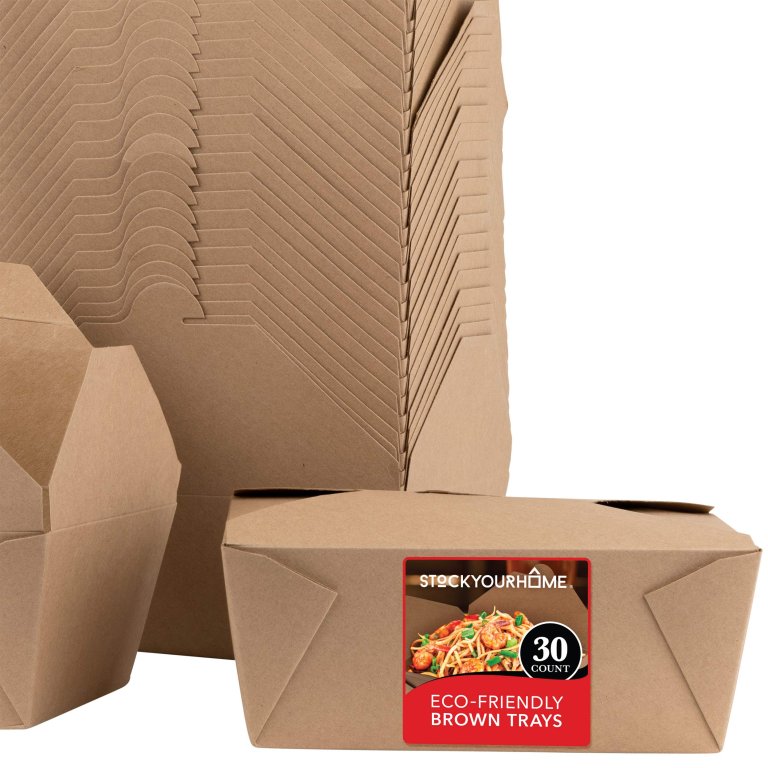
Hot Appetizers

Hot appetizers are warm, savory bites that work well for Belizean-style snacks, parties, and street-food menus. The best choices balance crisp texture, bold seasoning, safe handling, and easy serving.
Hot appetizers are small savory bites served warm, usually fresh from the stove, oven, fryer, or grill. In Belizean street food and snacks, they matter because they bring together bold seasoning, quick cooking, and the kind of handheld comfort people want at home, at a gathering, or from a market stall.
- Best texture: Choose fried, baked, or toasted snacks based on how crisp you want the finish.
- Flavor base: Masa, flour, cheese, peppers, herbs, and spices do most of the work.
- Safety first: Use safe internal temperatures for meat and seafood fillings and chill leftovers promptly.
- Make-ahead tip: Prepare fillings early, but cook or reheat close to serving for the best texture.
What Hot Appetizers Are and Why They Matter in Belizean Street Food

In simple terms, a hot appetizer is any small starter or snack meant to be eaten warm rather than chilled. That includes fried turnovers, stuffed breads, fritters, skewers, and toasted bites that stay appealing because of their texture, aroma, and seasoning.
Quick answer: what makes an appetizer “hot”
The “hot” part is about serving temperature and cooking method, not just spice level. A hot appetizer is usually cooked right before serving or reheated so it still has warmth, crisp edges, or a soft center that feels fresh.
How Belizean snack culture shapes the category
Belizean snacks often balance convenience with flavor, which is why warm handheld foods fit so well. Fry jacks, empanada-style turnovers, stuffed doughs, and savory fritters all reflect a practical street-food style: easy to portion, easy to share, and satisfying enough to stand on their own.
For Belizean-style serving, think of hot appetizers as flexible crowd food. They can open a meal, anchor a snack plate, or become the main event when served with salsa, beans, slaw, or a simple dipping sauce.
Who this guide is for: home cooks, hosts, and street-food fans
This guide is for anyone choosing snacks for a family night, a party tray, or a menu inspired by Belizean street food. It also helps busy cooks who want make-ahead options that reheat well and shoppers who need to compare homemade, market-bought, or catered choices.
Best Types of Hot Appetizers to Serve in 2026
The best hot appetizers are the ones that match your time, budget, and serving style. In 2026, that usually means choosing foods that can be cooked in batches, held briefly without losing quality, and adapted for different fillings or dietary needs.
Fried bites: empanadas, fry jacks, and stuffed turnovers
Fried appetizers are popular because they deliver fast browning and strong texture. Empanadas, fry jacks, and other stuffed turnovers work especially well when you want a crisp outside and a savory filling inside.
These are ideal for casual gatherings, but they do demand attention to oil temperature and batch size. If the oil is too cool, the food absorbs more grease; if it is too hot, the outside may brown before the inside is ready.
Baked and toasted options for lighter preparation
Baked hot appetizers are useful when you want less hands-on frying and easier cleanup. Toasted breads, baked turnovers, and oven-warmed stuffed snacks can still give good texture when the dough, filling, and finishing time are balanced well.
For readers looking for a lighter appetizer spread, pairing baked options with fresh sides can help. If that is your goal, you may also want to look at healthy food appetizers for more ideas that fit a lighter menu.
Skewers, fritters, and handheld snacks for crowds
Skewers and fritters are useful for larger groups because they are easy to portion and serve quickly. Seafood skewers, chicken bites, vegetable fritters, and cheese-filled snacks can all work well if the seasoning is bold enough to stand up to warm serving.
Choose this style when you want classic Belizean comfort, a crisp exterior, and a filling enough to serve as a substantial snack. The main limitation is oil management and the need to serve promptly.
Choose this when cleanup, batch size, or a lighter finish matters more than deep-fried texture. These are often easier for home cooks who are serving mixed-age crowds.
How to choose based on time, budget, and serving style
If you have limited time, choose a snack with a short filling list and a simple shape, such as small turnovers or fritters. If budget matters most, bean-based fillings, flour doughs, and vegetable-forward snacks often stretch ingredients farther than seafood or larger meat fillings.
For sit-down service, choose items that stay neat on a plate. For a buffet or street-food style spread, pick foods that can be eaten with one hand and do not require much sauce to stay flavorful.
Core Ingredients That Build Flavor and Texture
Hot appetizers depend on a few core elements: a dough or wrapper, a filling, seasoning, and a cooking fat or heat source that creates the right texture. Belizean-style snacks often use familiar pantry ingredients in combinations that are simple but very adaptable.
Common Belizean staples: masa, flour, cheese, peppers, herbs, and spices
Masa and flour are common bases for many warm snacks because they create structure. Cheese adds richness, peppers bring heat or aroma, herbs add freshness, and spices help the filling taste complete even in a small portion.
When a snack tastes flat, the problem is often balance rather than salt alone. A little acid, such as a citrus note, or a fresh herb finish can brighten fried or baked appetizers without making them heavy.
Protein and filling options: beans, chicken, seafood, and vegetables
Beans are budget-friendly and work well in turnovers or stuffed doughs. Chicken is a flexible filling that can be seasoned in many styles, while seafood brings a more delicate flavor that benefits from careful handling and proper chilling.
Vegetables are important too, especially for cooks who want variety or need to stretch a menu. Squash, cabbage, onions, peppers, and greens can all add body and moisture, but they should be cooked enough to avoid excess water in the filling.
Oil, fat, and heat sources that affect crispness
For fried appetizers, the type of oil and the stability of the heat source affect the final texture. Neutral oils are often preferred because they do not overpower the seasoning, while even heat helps the outside crisp without burning.
For baked snacks, butter, oil, or egg wash can improve browning and surface texture. For pan-seared or toasted items, a heavy pan and controlled heat can make a big difference in whether the edges become crisp or stay pale.
Ingredient substitutions for pantry limits or dietary needs
If you do not have masa, flour-based dough may be easier to manage at home. If dairy is a concern, you can use fillings built around beans, vegetables, or dairy-free seasonings, though flavor and texture will change.
Gluten-free, vegetarian, or lower-dairy versions can work well, but they usually need testing and adjustment because dough behavior changes with each substitution. For readers with food restrictions, label reading and allergen awareness matter more than any single recipe idea.
How to Make Hot Appetizers Successfully at Home
Good hot appetizers are mostly about workflow. Once the filling is ready and the shapes are formed, the cooking step should be quick, controlled, and matched to the size of the snack.
Prep workflow: mixing, filling, shaping, and holding
Start by preparing fillings first so they can cool enough to handle safely. Then mix the dough or batter, shape the snacks, and keep them covered so they do not dry out before cooking.
Cook proteins fully, soften vegetables as needed, and season the mixture so it tastes complete before it goes into the wrapper or batter.
Use enough filling to be satisfying, but not so much that the seam opens during cooking or the center stays cold.
Keep raw or partially assembled items chilled if they contain perishable ingredients and cook them in batches rather than leaving them out too long.
Best cooking techniques: frying, baking, air-frying, and pan-searing
Frying gives the most classic texture, especially for turnovers and fritters. Baking is easier for larger batches and can be less messy, while air-frying may work well for some doughs or breaded snacks depending on the recipe and the appliance.
Pan-searing is useful for items that need browning on the outside without deep oil. The best method depends on the shape of the appetizer, how much moisture is in the filling, and how crisp you want the final bite to be.
Temperature control and batch cooking for consistent results
Small batches are usually better than crowding the pan or fryer. Too many pieces at once can lower the heat, which leads to uneven color and greasy texture.
Follow recognized food-safety guidance for poultry, seafood, and mixed fillings. Use safe internal cooking temperatures, and do not rely on color alone to judge doneness.
Doneness cues and food-safety checkpoints
For dough-based snacks, look for even browning, a cooked smell, and a texture that feels set rather than gummy. For meat or seafood fillings, the safest approach is to confirm doneness with a thermometer and follow official food-safety guidance from USDA or your local health authority.
Common Mistakes and How to Avoid Them
Most problems with hot appetizers come from rushing the filling, ignoring moisture, or overheating the oil. A little planning prevents the most common texture and safety failures.
Overfilling, underseasoning, and soggy textures
Overfilling can cause leaks, torn dough, and uneven cooking. Underseasoning is just as common, especially when the filling is bland before it goes into the wrapper; once it is enclosed, the flavor may seem even weaker.
Soggy texture usually comes from excess moisture, undercooked filling, or holding cooked snacks in a covered container too long. Let fillings cool and drain when needed before assembly.
Oil management problems: low heat, crowding, and greasy results
Low heat makes fried snacks absorb more oil. Crowding the pan does the same thing because it drops the temperature and slows browning.
- Fry or sear in manageable batches.
- Let oil return to temperature between batches.
- Drain finished snacks on a rack or paper-lined tray.
- Adding too many pieces at once.
- Using oil that smokes or smells off.
- Leaving fried food stacked tightly while hot.
Burnt exteriors with raw centers
This usually happens when the heat is too aggressive or the pieces are too large. Smaller, evenly shaped snacks cook more reliably, and fillings that start at room temperature or chilled at the right stage are easier to finish evenly.
Cross-contamination and unsafe handling of meats and dairy
Keep raw proteins separate from ready-to-eat ingredients, and wash hands, knives, and cutting boards between tasks. This matters especially for chicken, seafood, and dairy-based fillings, which can spoil faster if left at unsafe temperatures.
Storage, Reheating, and Make-Ahead Planning
Hot appetizers are often at their best fresh, but many can still be planned ahead with the right storage approach. The key is to separate what can be made early from what should be cooked right before serving.
How long hot appetizers keep in the fridge
Storage time depends on the ingredients, but cooked perishable foods should be refrigerated promptly and kept cold according to recognized food-safety guidance. When in doubt, use official storage recommendations rather than guessing based on smell or appearance alone.
Freezing options for doughs, fillings, and cooked snacks
Many doughs and fillings freeze well if they are wrapped tightly and cooled properly first. Cooked snacks can sometimes be frozen too, but texture may soften after reheating, especially if the appetizer was heavily sauced or very delicate to begin with.
Best reheating methods to restore crispness
To bring back texture, use dry heat when possible. An oven, toaster oven, or air fryer often works better than a microwave for fried or breaded snacks because it helps the outside crisp again.
- Reheat in a single layer so steam can escape.
- Warm fillings separately when possible, then assemble just before serving.
- Use gentle heat first, then finish hotter if the snack needs more browning.
What to avoid when storing sauced or fried items
Do not store hot fried foods sealed tightly while still steaming, because trapped moisture softens the crust. Sauced appetizers also lose texture quickly, so keep sauce on the side when you want leftovers to reheat better.
Buying Guide: What to Look For When Choosing Hot Appetizer Options
If you are deciding between making hot appetizers at home, buying them at a market, or ordering them for a group, focus on freshness, convenience, and how the food will be served. The best choice depends on whether you want control, speed, or scale.
Freshness, ingredient quality, and portion value
Freshly made appetizers should look and smell clean, with no greasy stale odor or limp texture. Ingredient quality matters most when the snack is simple, because there is less to hide weak seasoning or poor handling.
Portion value is not only about size. A smaller snack with good filling, good seasoning, and a useful dipping sauce may satisfy more than a bigger but bland option.
Choosing between homemade, market-bought, and catered options
Homemade snacks give you the most control over spice, salt, and allergens. Market-bought options save time and can be ideal for quick meals, while catered trays are usually the simplest choice for larger events.
If you are comparing event options, a broader planning guide like catering appetizers can help you think through quantity, service style, and timing before you order.
| Option | Best For | Key Consideration |
|---|---|---|
| Homemade | Flavor control and budget flexibility | Requires prep time and safe handling |
| Market-bought | Quick meals and casual snacking | Check freshness and reheating needs |
| Catered | Parties and larger groups | Confirm portion size, timing, and allergens |
Cost, convenience, and crowd size considerations
For a small family, homemade snacks often make the most sense because you can scale the recipe to your needs. For a larger crowd, catered or market-bought options may save time, but you should still verify serving quantity and whether the food will arrive hot enough to serve safely.
Final recommendation: the best approach for different occasions
For everyday snacking, choose a simple homemade or market-bought option that reheats well. For parties, mix one fried item, one baked item, and one lighter snack so guests have variety without overcomplicating the menu.
- Choose hot appetizers based on texture, serving style, and how long they need to stay appealing.
- Balance fillings, moisture, and heat so the outside crisps without leaving the center underdone.
- Store and reheat with food safety in mind, especially for meat, seafood, and dairy fillings.
- For events, homemade works best for control, while market-bought and catered options save time.
Common Questions
They are small savory snacks served warm, often fresh from frying, baking, grilling, or toasting.
Fry jacks, empanadas, stuffed turnovers, fritters, and savory breads are all common examples.
Simple fritters or small baked turnovers are often the easiest because they use basic ingredients and cook quickly.
Drain them well, avoid stacking while hot, and reheat in dry heat instead of the microwave when possible.
Yes. Many fillings and doughs can be prepared early, but final cooking or reheating should happen close to serving.
Frequently Asked Questions
Beans, chicken, seafood, cheese, and cooked vegetables all work well. Choose fillings that are flavorful but not too wet, since excess moisture can make the snack soggy.
The safest method is to use a food thermometer and follow official food-safety guidance for the protein you are using. Do not rely on color alone, especially for poultry and seafood.
Overfilling and overcrowding are two of the most common problems. They can cause leaks, uneven cooking, and greasy texture.
Cool them promptly, refrigerate them in a covered container, and reheat them thoroughly before serving again. Sauced items usually lose crispness faster than dry ones.
An oven, toaster oven, or air fryer usually restores texture better than a microwave. Reheat in a single layer so steam can escape.
Choose homemade for control, market-bought for convenience, and catered for larger groups. Confirm portion size, freshness, and allergen information before serving any option to guests.