Healthy Protein Snacks

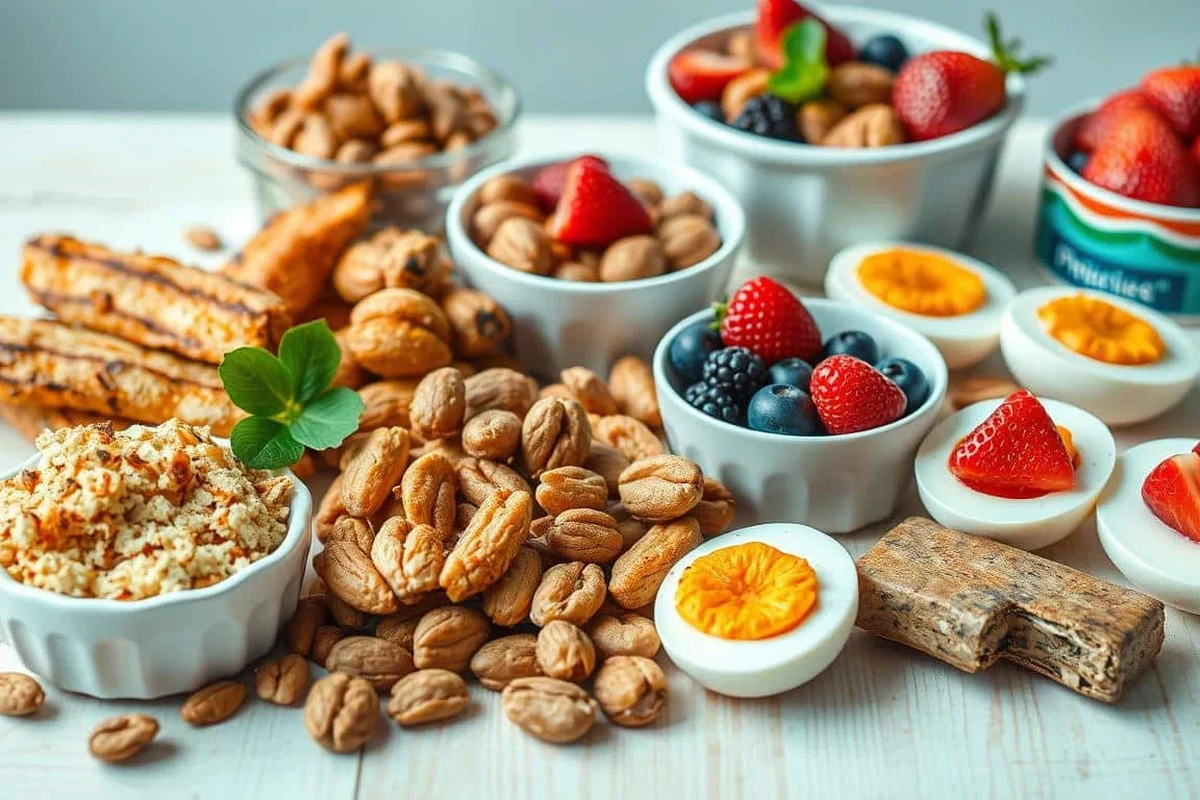
Healthy protein snacks are foods that provide a good amount of protein with minimal added sugar and unhealthy fats. Examples include Greek yogurt, hard-boiled eggs, cottage cheese, edamame, nuts, and protein bars with simple ingredients.
Healthy Protein Snacks
Healthy protein snacks are the kind of quick bites that help you stay satisfied between meals without relying on sugary, ultra-processed options. For busy parents, workers, students, and meal preppers, the best snack is usually one that is simple, portable, and made from ingredients you already trust.
In Belizean homes, that might mean eggs, beans, yogurt, nuts, seeds, tuna, chicken, or roasted chickpeas. The right choice depends on your budget, your schedule, and how long the snack needs to sit before you eat it. If you want more ideas for everyday snacking, you can also look at snacks for work and our broader street food snacks collection.
This guide focuses on practical, real-kitchen choices: what to make, what to buy, how to store it, and when a snack is a better fit than a full meal.
- Best for: Quick post-workout or midday snacks when you need protein without a full meal.
- Choose by: Check protein grams, added sugar, and ingredient quality before buying or prepping.
- Safety: Keep refrigerated items cold and follow package storage instructions to reduce spoilage risk.
- Limit: Some protein snacks are calorie-dense, so portion size still matters for weight goals.
- Practical use: Pair protein snacks with fruit or whole grains for more balanced, longer-lasting energy.
What Makes a Protein Snack “Healthy”?
A protein snack is not automatically healthy just because it contains protein. The overall package matters. A snack can be high in protein but also very high in sodium, added sugar, or saturated fat. It can also be “healthy” on paper but not practical if it spoils quickly, is hard to pack, or leaves you hungry again an hour later.
For most home cooks, a better way to judge a protein snack is to ask three questions: Does it contain a meaningful protein source? Is the portion reasonable for your appetite and schedule? Can it be handled safely and stored properly?
That is why a boiled egg, a small container of yogurt, or roasted chickpeas may be more useful than a packaged bar with a long ingredient list. The “healthy” choice is often the one that fits your routine and helps you avoid impulsive junk-food snacking.
Best Types of Healthy Protein Snacks
There is no single best protein snack for everyone. The right option depends on whether you need something cold, shelf-stable, kid-friendly, or easy to make in batches. Below are reliable categories that work well in everyday kitchens.
| Option | Best For | Key Consideration |
|---|---|---|
| Boiled eggs | Fast, inexpensive snack at home or on the go | Needs refrigeration and careful storage |
| Greek yogurt or plain yogurt | Breakfast-style snack or afternoon hunger | Check added sugar and keep cold |
| Roasted chickpeas or beans | Crunchy, shelf-stable snacking | Texture changes if stored poorly |
| Nuts and seeds | Portable snack for work, school, or travel | Easy to overeat; watch allergens |
| Tuna or chicken salad cups | More filling snack or mini-meal | Must stay cold and be eaten safely |
For readers who want more savory ideas, our healthy food appetizers article can also help because many appetizer-style bites double as protein snacks when portions are kept modest.
1. Eggs
Eggs are one of the most practical protein snacks because they are cheap to prepare, easy to season, and easy to pair with fruit, vegetables, or whole-grain toast. Boiled eggs travel well for short periods, but they should be kept cold if you are not eating them right away.
They work especially well for people who want a snack that feels more substantial than crackers or fruit alone. The limitation is simple: eggs are perishable, and peeling them ahead of time can make them less tidy if they sit too long.
2. Dairy-based snacks
Plain Greek yogurt, cottage cheese, and similar dairy options can be strong protein choices. They are especially useful when you want something quick and soft, such as for a child after school or an adult needing a fast desk snack. Plain versions are usually easier to control because you can add your own fruit, cinnamon, or a small amount of honey.
Flavored yogurts can be convenient, but some contain a lot of added sugar. Check the label if you are trying to keep the snack more balanced.
If you are lactose intolerant or sensitive to dairy, this category may not be the best fit. In that case, beans, eggs, fish, tofu, or nuts may be more comfortable alternatives.
3. Beans, lentils, and chickpeas
Beans and lentils are excellent budget-friendly protein snack ingredients. They can be turned into hummus, bean dip, roasted chickpeas, or seasoned lentil patties. They also fit well into Belizean-style meal prep because they are familiar, affordable, and easy to season with garlic, onion, citrus, and herbs.
If you want a deeper look at one ingredient, see our guide to dried lentils protein. Lentils are especially useful for people who want a plant-based snack that feels filling without requiring much cooking time once prepped.
For a quicker snack, cook a larger batch of beans or lentils once, then portion them into small containers. Add seasoning after reheating so the flavor stays fresher.
4. Nuts and seeds
Nuts and seeds are portable and convenient, which makes them popular for work bags, school bags, and road trips. They are also easy to combine with fruit for a more balanced snack. A small handful can go a long way, so portioning matters more here than with many other snacks.
The main caution is allergen awareness. Nuts are a common allergen, and cross-contact can matter if you are packing snacks for children, classrooms, or shared spaces. Seeds can be a good alternative for some people, but they are not suitable for everyone either.
5. Tuna, salmon, chicken, and other savory protein options
Protein snacks do not have to be sweet or dairy-based. Tuna packets, leftover chicken, shredded chicken salad, or salmon on whole-grain crackers can be very practical. These are especially useful when you need a snack that is closer to a mini-meal.
The trade-off is food safety. These items spoil faster than shelf-stable snacks and should be handled with care. If you want a more filling savory option, our high protein chicken tenders article may be helpful for readers who want a snack that can also work as a lunch item.
Meat, poultry, fish, eggs, and dairy should be kept out of the temperature danger zone for too long. Follow USDA or local food-safety guidance for refrigeration, reheating, and safe internal temperatures, and discard food that smells off, looks slimy, or has been left out too long.
How to Choose the Right Snack for Your Day
The best protein snack for a school run is not always the best one for a long commute or a night shift. Use the situation to guide your choice.
Choose simple options like boiled eggs, yogurt, nuts, or store-bought hummus. These require little technique and are easy to portion.
Batch-cook beans, roasted chickpeas, or chicken salad so you can pack snacks for several days.
Make mixed snack boxes, bean dips, or seasoned patties that balance flavor, texture, and storage life.
If the snack needs to last all day without refrigeration, choose shelf-stable items like nuts, seeds, roasted chickpeas, or unopened shelf-stable protein products that are labeled for that purpose. If you can keep it cold, you have more flexibility with eggs, yogurt, chicken, and tuna.
For readers who need ideas specifically for the office or school day, this pairs well with healthy snacks work and snacks for lunch.
Simple Homemade Protein Snack Ideas
Homemade snacks usually give you the most control over salt, sugar, and portion size. They also let you use leftovers wisely, which can save money and reduce waste.
Whisk eggs with chopped vegetables, bake in a muffin tin, and cool before storing. Use them as a grab-and-go snack after refrigeration.
Drain and dry chickpeas well, season lightly, and roast until crisp. Let them cool fully before storing so they stay crunchy longer.
Use plain yogurt, fruit, and a small amount of nuts or seeds. Keep the crunchy topping separate until serving if you want better texture.
Turn leftovers into dip, spread, or seasoned snack bowls. This is useful when you want a quick option without starting from scratch.
- Keep wet and dry ingredients separate until serving when possible.
- Portion snacks into small containers so you do not eat the whole batch at once.
- Season lightly at first; you can always add more after tasting.
- Label containers with the prep date if you make several snacks at once.
Store-Bought Protein Snacks: What to Check
Packaged protein snacks can be useful when time is short, but they are not all equal. Some are genuinely convenient; others are mostly marketing. Read the ingredient list and nutrition label carefully, and compare products by what they actually contain rather than by front-of-package claims.
- Check the main protein source, not just the claim on the front of the package.
- Look at added sugar, sodium, and serving size.
- Confirm whether the snack needs refrigeration.
- Review allergen statements for nuts, dairy, gluten, soy, eggs, or seafood.
- Confirm current price and availability before relying on a specific product.
Bars and ready-to-eat snacks can be convenient, but they vary widely in quality. Some are fine for travel, while others are better treated as emergency snacks rather than everyday staples. A simple homemade option is often more affordable and easier to understand.
- Choose snacks with a clear protein source you recognize.
- Use the label to compare serving size and storage needs.
- Keep perishable snacks cold until you are ready to eat them.
- Assuming “high protein” automatically means healthy.
- Leaving dairy, eggs, meat, or fish in a hot bag for hours.
- Ignoring allergens when packing snacks for others.
Common Mistakes and Limitations
One common mistake is making a snack too small to satisfy real hunger. If you are truly hungry, a few nuts or a single cracker with tuna may not be enough. In that case, it may be better to build a mini-meal with protein plus fiber, such as beans with vegetables or yogurt with fruit.
Another mistake is relying too heavily on one type of protein snack. Eggs are great, but not if you eat them every single day and get bored. The same is true for bars, yogurt, or roasted chickpeas. Variety helps you stay consistent.
There are also limitations to keep in mind. Some protein snacks are not suitable for long storage without refrigeration. Some are expensive relative to their portion size. Others may not fit vegetarian, dairy-free, nut-free, or gluten-free needs. If you need a special diet for medical reasons, it is best to check with a doctor or registered dietitian.
When in doubt, throw it out. If a perishable snack has been left unrefrigerated too long, or if it shows spoilage signs, do not taste it to “check.”
Safety, Storage, and Reheating
Food safety is especially important with protein snacks because many of the most satisfying options are also the most perishable. Always follow official guidance from USDA, FDA, or your local health authority for refrigeration, reheating, and safe handling.
As a general rule, keep cold foods cold, hot foods hot, and do not let perishable snacks sit out for long periods. Use insulated lunch bags or ice packs if you are packing snacks for school, work, or travel. Reheat leftovers thoroughly according to recognized food-safety guidance, and never rely on smell alone to judge safety.
Allergen awareness matters too. Nuts, dairy, eggs, seafood, soy, and gluten can all be relevant depending on the snack. If you are packing food for children, shared workplaces, or guests, it is wise to label containers clearly and avoid cross-contact during prep.
For Belizean-style snack planning, the easiest wins are usually simple: use familiar ingredients, keep portions practical, and choose recipes that still taste good after chilling or packing.
Conclusion and Recommendation
Healthy protein snacks work best when they are simple, safe, and realistic for your routine. For most people, the strongest options are boiled eggs, plain yogurt, beans, chickpeas, nuts, seeds, or small savory portions made from leftovers. The best choice depends on whether you need something cold, shelf-stable, kid-friendly, or filling enough to bridge a long gap between meals.
If you want the easiest place to start, build your snack around one clear protein source, then add a fruit, vegetable, or whole-grain side when needed. That approach is practical, affordable, and easier to keep consistent than chasing trendy packaged snacks. For more snack ideas that fit a busy day, explore our guides to snacks for work and healthy food appetizers.
The best healthy protein snacks are the ones you can prepare, store, and eat safely without much stress. Start with simple homemade options if you want better control over ingredients, and choose packaged snacks only when convenience truly matters. If you need a snack that must stay fresh for hours, prioritize shelf-stable choices or use proper cooling methods every time.
Common Questions
They are a good option for a quick between-meal bite, post-workout refuel, or lunchbox addition when you want something more filling than a typical snack. If you need a full meal, pair them with fruit, vegetables, or whole grains.
You can often swap in Greek yogurt, cottage cheese, eggs, beans, tofu, nuts, or seeds depending on the recipe and your dietary needs. The best substitute depends on whether the snack needs to be baked, blended, or kept no-cook.
Measuring the protein base and binding ingredients carefully helps the snack hold together and stay balanced in texture. If you are baking, follow the oven temperature and time closely because ingredient variations can change the result.
Store perishable snacks in the refrigerator and keep them in a sealed container to reduce contamination and drying out. If you are packing them for school or work, use an insulated bag or ice pack when they need to stay cold.
That depends on your schedule, ingredient preferences, and how much control you want over salt, sugar, or allergens. Packaged brand options can be convenient, but homemade snacks make it easier to adjust ingredients for regionally available foods or personal preferences.
Frequently Asked Questions
Healthy protein snacks are best for between-meal hunger, pre- or post-workout refueling, and busy days when you need something filling and portable. The ideal choice depends on your schedule, appetite, and personal taste, since brands and ingredients vary widely. If you want something on the go, look for options that hold up well at room temperature; if you’re at home, a fresher snack may be easier to prepare.
You can usually swap in different proteins, nuts, seeds, dairy, or plant-based options based on what you have and what you prefer. For example, ingredient substitutions often depend on brand, region, and personal taste, so the texture and flavor may change. If you’re avoiding allergens or specific foods, check labels carefully and choose substitutions that fit your dietary needs.
A good balance of protein, moisture, and texture is the key to making protein snacks satisfying instead of dry or crumbly. Techniques like mixing thoroughly, chilling before cutting, or baking just until set can matter, but results vary by oven, ingredient freshness, and even altitude. If a recipe uses nut butter, yogurt, eggs, or protein powder, small brand-to-brand differences can change the final texture.
Follow recognized food-safety guidance from the USDA, FDA, or your local health authority, especially for snacks made with eggs, dairy, meat, or other perishable ingredients. Keep cold foods refrigerated and avoid leaving perishable snacks out too long, since safe handling depends on the ingredients and the environment. When in doubt, use official guidance for storage, reheating, and temperature control rather than guessing.
Store them in an airtight container, and refrigerate or freeze them if they contain perishable ingredients. Exact storage life varies by recipe, ingredient freshness, and brand of product used, so it’s best to check the specific ingredients and use common-sense food safety practices. For grab-and-go snacks, portioning them separately can help keep texture and freshness more consistent.
The most common mistakes are using too much dry ingredient, not enough binder, or choosing a snack that doesn’t match the occasion. If you need something shelf-stable, pick a different option than you would for a chilled snack or a quick post-workout bite. Your decision should depend on your taste, schedule, storage space, and any dietary restrictions, since results and preferences vary by brand and personal taste.