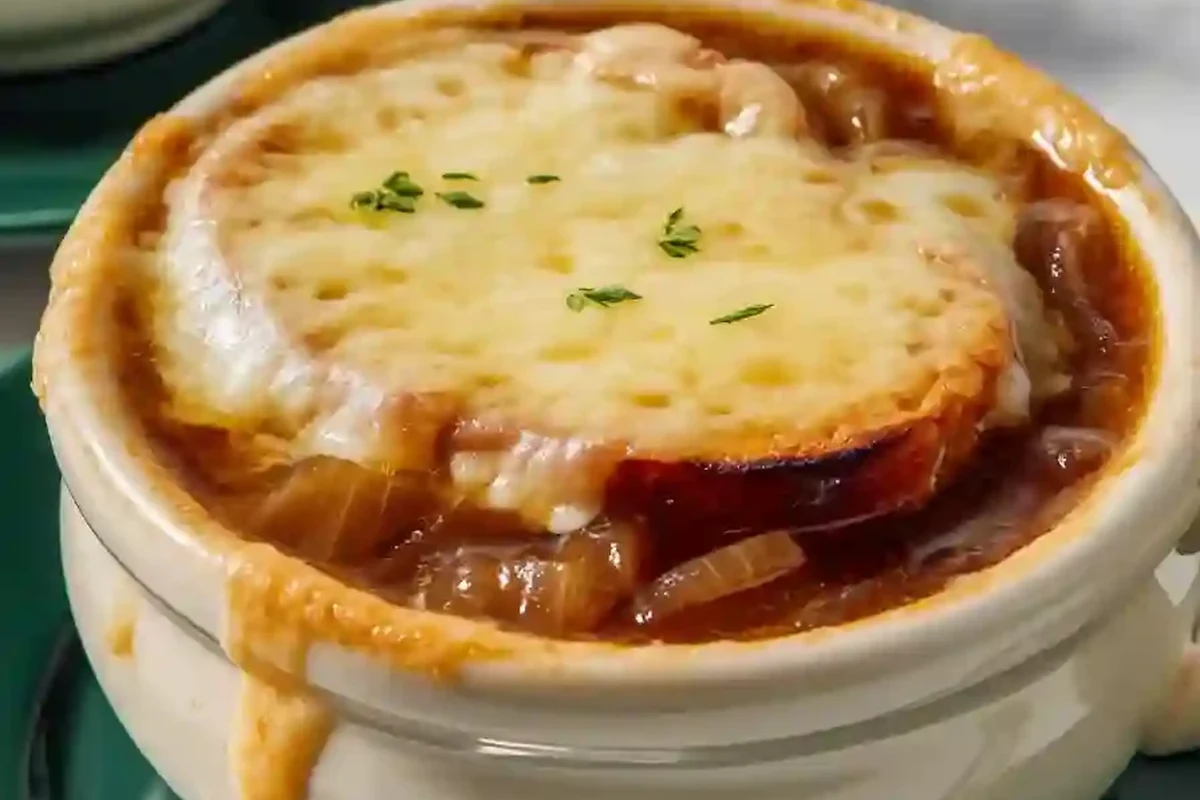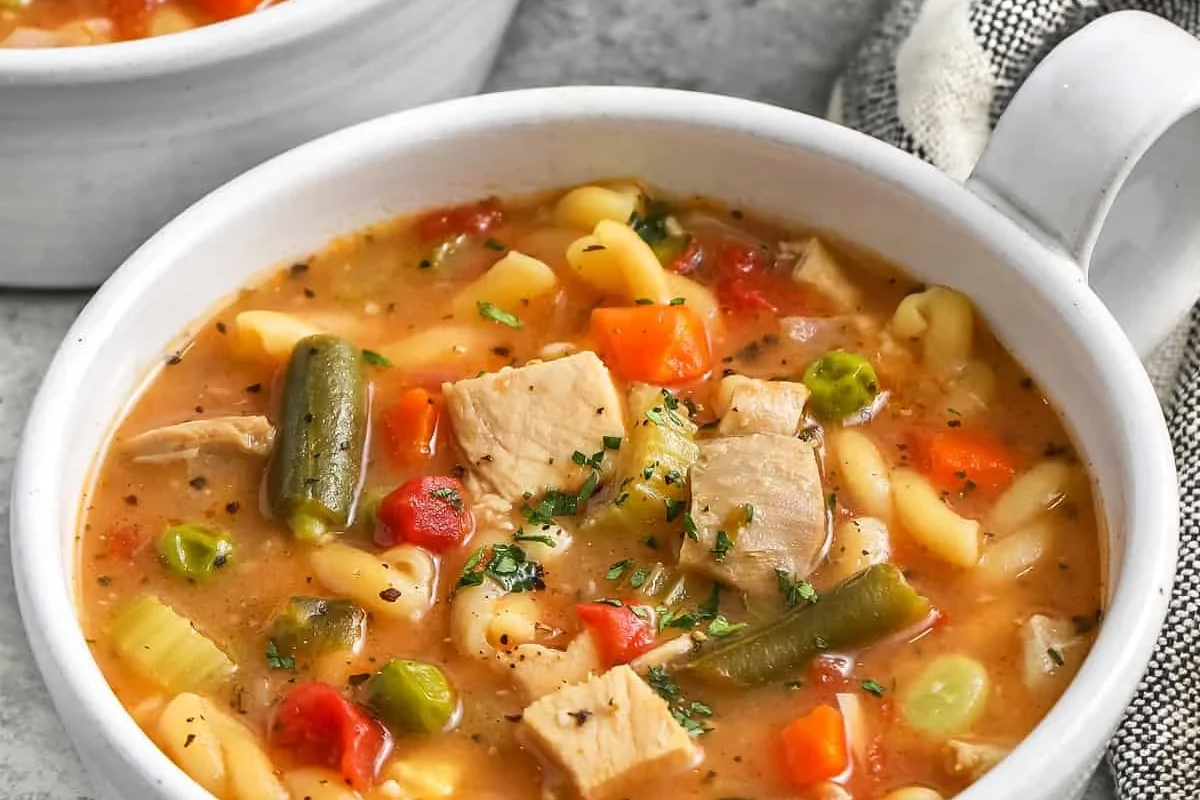
Snacks Images

Belizean snacks images work best when they show real food clearly, with fresh ingredients, simple plating, and strong texture. Fry jacks, garnaches, salbutes, and panades are the most reliable choices for authentic-looking visuals.
If you are looking for snacks images that feel true to Belizean street food, focus on the foods people actually buy, eat, and recognize right away: fry jacks, garnaches, salbutes, panades, and simple handheld bites with bold color and texture. The best images are clear enough to show what the snack is, how it is served, and why it belongs in Belizean food culture.
- Best visuals: Choose snacks with strong shape, color contrast, and visible texture.
- Authenticity matters: Show real Belizean serving styles instead of over-styled plating.
- Ingredient cues: Corn, beans, cheese, onion, and fried dough make the food instantly recognizable.
- Food safety: Handle dairy, beans, and fresh garnishes carefully and refrigerate leftovers promptly.
What “Snacks Images” Means for Belizean Street Food and Why They Matter

In practice, “snacks images” can mean a few different things: photos for recipe posts, menu inspiration, social media, food blogs, or travel content. For Belizean street food, the goal is not just to make food look pretty. It is to show the snack honestly so readers can identify it, understand the toppings, and decide whether it is something they want to make, buy, or feature.
Quick answer: what this article will help readers choose, make, or identify
This guide helps you choose Belizean snacks that photograph well, present them in a way that feels authentic, and avoid common image mistakes that make food look misleading. It also covers ingredient selection, storage, and food-safety basics so the final image matches a snack that is still appealing and safe to serve.
Who this guide is for: home cooks, vendors, travelers, and Belize food fans
Home cooks can use it to plan better plating and ingredient choices. Vendors and small food businesses can use it to improve menu photos without over-staging the food. Travelers and Belize food fans can use it to identify classic snacks more confidently, especially when comparing street stalls, market stands, and online food posts.
For Belizean street food, the strongest snack images usually show familiar shape, real texture, and toppings that look freshly added rather than overly polished.
Popular Belizean Snacks to Feature in Your Images
Some snacks are naturally more camera-friendly because they have contrast, shape, and visible layers. In Belize, that often means golden fried dough, bright garnishes, creamy beans, and crisp vegetables. If you are building a visual recipe post or a snack gallery, start with the foods people already associate with everyday Belizean eating.
Fry jacks, garnaches, salbutes, panades, and other camera-friendly favorites
Fry jacks photograph well because they have a puffed, irregular shape and a golden surface that catches light nicely. Garnaches and salbutes are strong visual choices because the corn base, beans, cheese, cabbage, onion, and sauce create layers of color and texture. Panades work well too, especially when cut or arranged to show the filling.
Other good options include small meat pies, coconut-based snacks, plantain bites, and sweet treats that fit Belizean snack culture. If you want your images to feel more like real street food than styled restaurant food, show the snack in a practical serving format: paper-lined trays, simple plates, or a market-style setup.
Fry jacks and salbutes
These are ideal when you want strong shape and color contrast. Their texture is easy to show, but they can lose appeal if they sit too long after frying or assembling.
Panades and garnaches
These work well when you want a more filling-focused image. They are especially useful for recipe content because the layers and fillings are easier to explain visually.
How to choose snacks that photograph well and represent real Belizean eating
Choose snacks that are common, recognizable, and easy to explain in one glance. Good snack images should reflect what people actually eat in Belize, not only what looks trendy online. That means using real toppings, practical portions, and serving styles that match street food rather than fine dining.
Key Ingredients That Make Belizean Snacks Recognizable
Belizean snack images feel authentic when the ingredients are easy to identify. Even if the viewer does not know the exact recipe, they should be able to recognize corn, beans, cheese, onion, peppers, and fried dough elements right away. Those ingredients are part of the visual language of the cuisine.
Common doughs, corn bases, beans, cheese, onions, peppers, and seasonings
Many Belizean snacks rely on a few repeated building blocks: flour dough for fry jacks, masa or corn-based shells for salbutes and garnaches, bean spreads, fresh cabbage, onion, tomato, hot pepper, and cheese. Some versions also include chicken, beef, fish, or other fillings depending on local tradition and vendor style.
Seasonings matter visually too, even when they are subtle in the photo. A well-finished snack usually looks balanced, not overloaded. If the topping is too thick or the garnish is too sparse, the image may look less appetizing or less realistic.
- Choose ingredients that match the snack you want to show, not just what is available.
- Check that tortillas, masa, beans, and dairy are fresh and stored properly.
- Keep garnishes colorful and simple so the main snack stays visible.
- Confirm substitutions will still look and taste close to the traditional version.
Ingredient quality cues: freshness, texture, color, and aroma
Fresh ingredients usually make better images because they hold shape and color longer. Look for beans that are smooth rather than dry and crumbly, vegetables that are crisp, and dairy that looks clean and evenly distributed. Dough-based snacks should look light and structured, not flat or greasy.
Ingredient quality varies by market, season, and brand. If you are buying packaged items, check labels and storage instructions rather than assuming every product behaves the same way in photos or in the pan.
How to Style and Capture Better Snacks Images
Good food photography does not require heavy editing. For Belizean snacks, the best images usually come from simple choices: natural light, clean backgrounds, and a clear view of the food’s shape and texture. The snack should still look edible, not artificial.
Lighting, angle, color contrast, and plating tips for food photos
Soft daylight often works best because it shows texture without harsh shadows. A slightly angled shot can help reveal fillings and toppings, while a straight-on shot may work better for stacked or layered snacks. Use color contrast to your advantage: golden dough, red sauce, green garnish, white cheese, and brown beans all help the image read quickly.
- Use a plain plate or tray so the snack stays the focus.
- Leave a little space around the food to avoid a crowded frame.
- Wipe plate edges and crumbs before shooting for a cleaner look.
- Photograph fried snacks soon after cooking, when texture is still crisp.
Showing texture, filling, and garnish without over-staging the food
Cut one piece open if the filling is important to the story, but do not make every item look identical or overly arranged. A small amount of garnish can help the food look fresh, yet too much can hide the snack itself. The most believable images usually look like a real serving, not a display piece.
- Show one clear hero snack with visible texture.
- Use a few fresh garnish elements for color.
- Keep the serving style close to what a vendor would offer.
- Over-saucing the snack until the shape disappears.
- Using props that make the food look like a different cuisine.
- Editing colors so heavily that the snack no longer looks real.
Buying and Choosing Snack Ingredients for the Best Results
Whether you are cooking at home or preparing photos for a recipe post, ingredient choice affects both taste and appearance. The best-looking snacks usually start with ingredients that are fresh, correctly stored, and suitable for the texture you want to show.
What to look for at markets, supermarkets, and local Belizean shops
At markets, look for vegetables that are crisp and bright, beans that are not overly dry, and dough ingredients that are within freshness dates. In supermarkets and local Belizean shops, compare labels, storage instructions, and package condition. If you are buying prepared items, choose products that look properly sealed and refrigerated when required.
For a deeper look at common snack categories, readers can also browse the BelizeanRecipe snacks collection or the street food snacks section for related ideas.
Substitutions for hard-to-find ingredients without losing authenticity
Some ingredients are easier to find than others depending on where you live. If a traditional item is unavailable, choose the closest substitute in texture and function, not just in color. For example, the best substitute for a missing topping is one that behaves similarly in the snack, not one that only looks similar in a bowl.
For sweet snack inspiration that still fits the Belizean theme, see the Sweet Snacks Belizean Guide. If you are planning a celebration spread, the Birthday Snacks article can help with menu ideas that photograph well together.
If a substitution changes moisture or color too much, it may also change how the snack looks in photos. Test the appearance on a small batch first so you can adjust before making the full tray.
Common Mistakes That Make Snacks Look or Taste Worse
Many snack images fail because the food is either too oily, too wet, or too crowded. The snack may still taste fine, but the photo will not communicate freshness or structure. This is especially important for fried and topped foods, where texture is part of the appeal.
Greasy frying, soggy toppings, dull colors, and poor portion balance
Greasy frying can make dough look heavy instead of airy. Soggy toppings can blur the layers that make Belizean snacks visually interesting. Dull colors often happen when vegetables are old, sauces are darkened too much, or lighting is too flat. Poor portion balance can also make a snack look either tiny and unsatisfying or overloaded and messy.
How to avoid misleading images that do not match the real snack
Do not style a snack so heavily that it no longer resembles what a person would actually receive. If the image shows extra ingredients, unusual plating, or unrealistic sizing, readers may feel misled when they make or buy the food. Honest images build more trust than perfect-looking but inaccurate ones.
Discard food that shows spoilage signs and follow safe internal-temperature and storage-time guidance. For leftovers, use recognized food-safety guidance from USDA or FDA resources, especially when dairy, meat, or bean toppings are involved.
Food Safety, Storage, and Reheating for Street-Style Snacks
Street-style snacks often include fried dough, cooked beans, dairy toppings, and fresh vegetables. That mix looks great in images, but it also means handling and storage matter. If you are preparing food for later photography or serving, safe cooling and refrigeration are just as important as presentation.
Safe handling for fried foods, bean toppings, dairy, and fresh garnishes
Keep hot foods hot and cold foods cold as much as possible during prep. Do not leave dairy-based toppings or cooked bean mixtures out longer than recognized food-safety guidance allows. Fresh garnishes should be washed properly, handled with clean utensils, and kept separate from raw ingredients to reduce cross-contamination.
Storage times, refrigeration, and the best reheating methods for texture
Storage time depends on the ingredient and how it was handled, so readers should follow official food-safety guidance and package instructions when available. For best texture, reheat fried snacks in a way that helps restore crispness rather than steaming them soft. If a snack contains fillings or toppings, reheat the base and add fresh toppings afterward when possible.
When in doubt, refrigerate per food-safety guidance and discard anything that smells off, looks slimy, or sat too long at room temperature. If you have allergies or dietary restrictions, check for gluten, dairy, shellfish, nuts, and other common allergens before serving.
Final Recommendation: Which Belizean Snacks Deserve the Spotlight
If your goal is strong snacks images for BelizeanRecipe, the best starting points are fry jacks, garnaches, salbutes, and panades. They are familiar, visually distinct, and flexible enough for recipe posts, menu inspiration, and social content without needing overly complicated styling.
Best choices for recipe content, social media visuals, and menu inspiration
For recipe content, salbutes and panades are especially useful because the fillings and toppings help explain the dish. For social media visuals, fry jacks and garnaches often stand out because they have bright contrast and recognizable shapes. For menu inspiration, a mix of savory and sweet snacks gives readers a fuller picture of Belizean street food culture.
Value, practicality, and the most reliable snack images to create in 2026
In 2026, the most reliable snack images are still the simplest ones: food that looks real, fresh, and easy to understand at a glance. If you want images that hold up across blog posts, search results, and social feeds, choose snacks with strong texture, clear ingredients, and honest presentation rather than heavy styling. For more Belizean snack ideas, keep exploring the site’s street food and snack categories as you build your visual library.
Common Questions
Fry jacks are often the easiest because their shape and golden color stand out well. They also work with many serving styles.
Simple plating, familiar toppings, and realistic portions usually make the image feel authentic. The snack should look like something a person could actually buy or make.
Only when the filling is an important part of the story. One cut piece can help, but too many cut items can make the image look staged.
Yes, but choose substitutes that match the original texture and role in the snack. A close functional substitute usually works better than a visually similar one.
Drain fried items well and avoid overcrowding the plate. Good lighting also helps reduce the heavy look that grease can create.
Frequently Asked Questions
Fry jacks, garnaches, salbutes, and panades are strong choices because they show texture and layers well. They also help readers recognize the snack quickly.
Use simple dishes, realistic portions, and toppings that match common street food serving styles. Avoid props or editing that make the food look like a different cuisine.
Corn bases, beans, cheese, onion, peppers, cabbage, and fried dough are the most recognizable. Fresh garnish adds color, but the main snack should still be easy to see.
Photograph them soon after cooking and avoid trapping steam. If reheating, use a method that helps restore crispness instead of softening the crust.
Follow recognized food-safety guidance for refrigeration and storage times, especially for dairy, beans, and meat fillings. If food smells off or looks spoiled, discard it.
Check whether the substitute will change texture, moisture, or color too much. If it does, the snack may no longer look or taste like the traditional version.