Broasted Chicken Recipe

Broasted chicken is prepared by pressure frying to create a unique, extra-crispy crust while keeping the meat tender. This method uses precise heat and pressure to deliver results that are superior to standard deep frying.
Broasted chicken is a unique culinary technique that combines pressure frying with traditional deep frying to create a crust that is exceptionally crisp while keeping the meat succulent and tender. By utilizing a controlled pressure environment, home cooks can replicate the signature results often found in professional kitchens, achieving a perfect balance of texture and flavor.
- Marinade Importance: Use buttermilk and spices to tenderize and flavor the chicken deeply.
- Double-Dredge: Use a double-coating technique to ensure a thick, durable crust.
- Temperature Control: Keep oil at 350°F to prevent greasy or burnt chicken.
- Safety First: Always verify internal temperatures reach 165°F for food safety.
What is Broasted Chicken? The Belizean Secret to Crispy Perfection
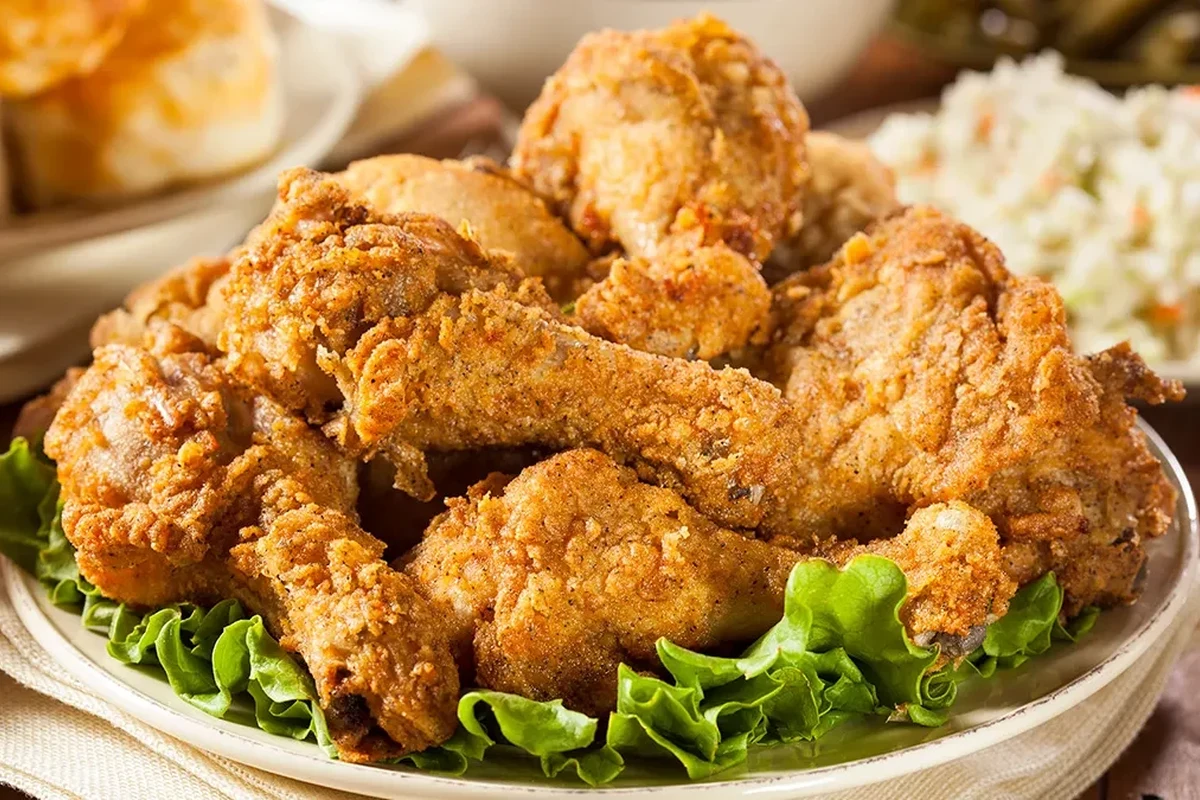
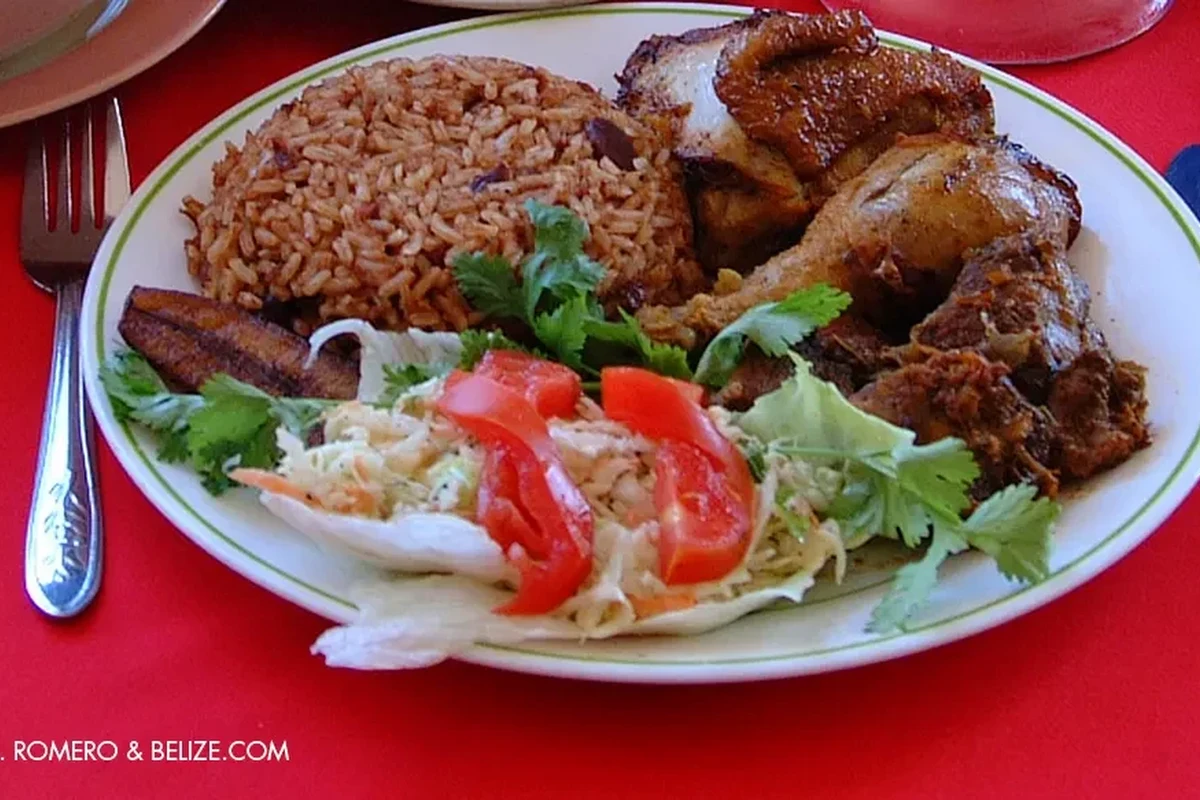
In Belize, where fried chicken is a cultural staple, the term “broasted” has become synonymous with the gold standard of fried poultry. Unlike standard deep frying, which relies solely on hot oil, the broasting process uses a specialized pressure-fryer environment. This method seals in the natural juices of the chicken while the exterior forms a dense, crunchy coating. By 2026, many home cooks have turned to this method to elevate their weeknight dinners, moving beyond standard Belizean BBQ chicken recipe traditions to experiment with this high-heat, high-pressure craft.
The Essential Ingredients for Authentic Broasted Chicken
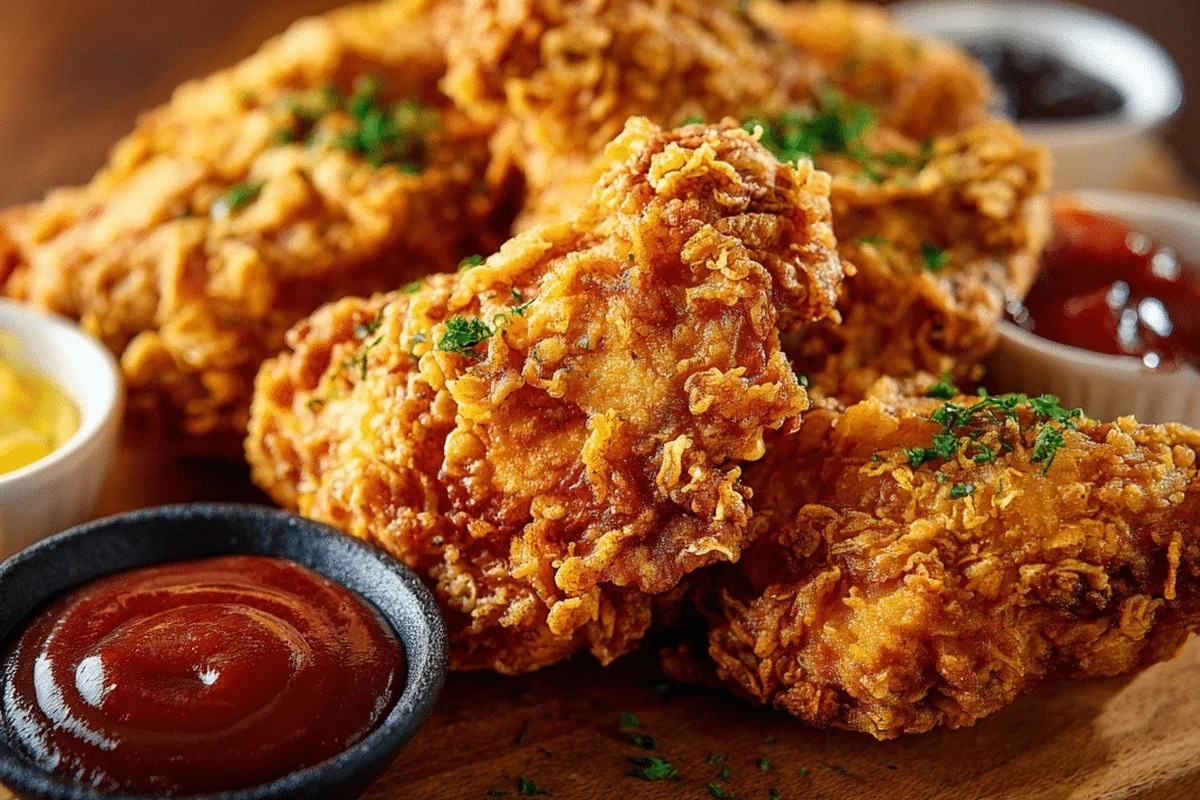
Achieving the authentic flavor profile requires attention to both the marinade and the dry coating. The goal is to build layers of seasoning that penetrate the bone-in pieces.
The Marinade: Infusing Belizean Flavor
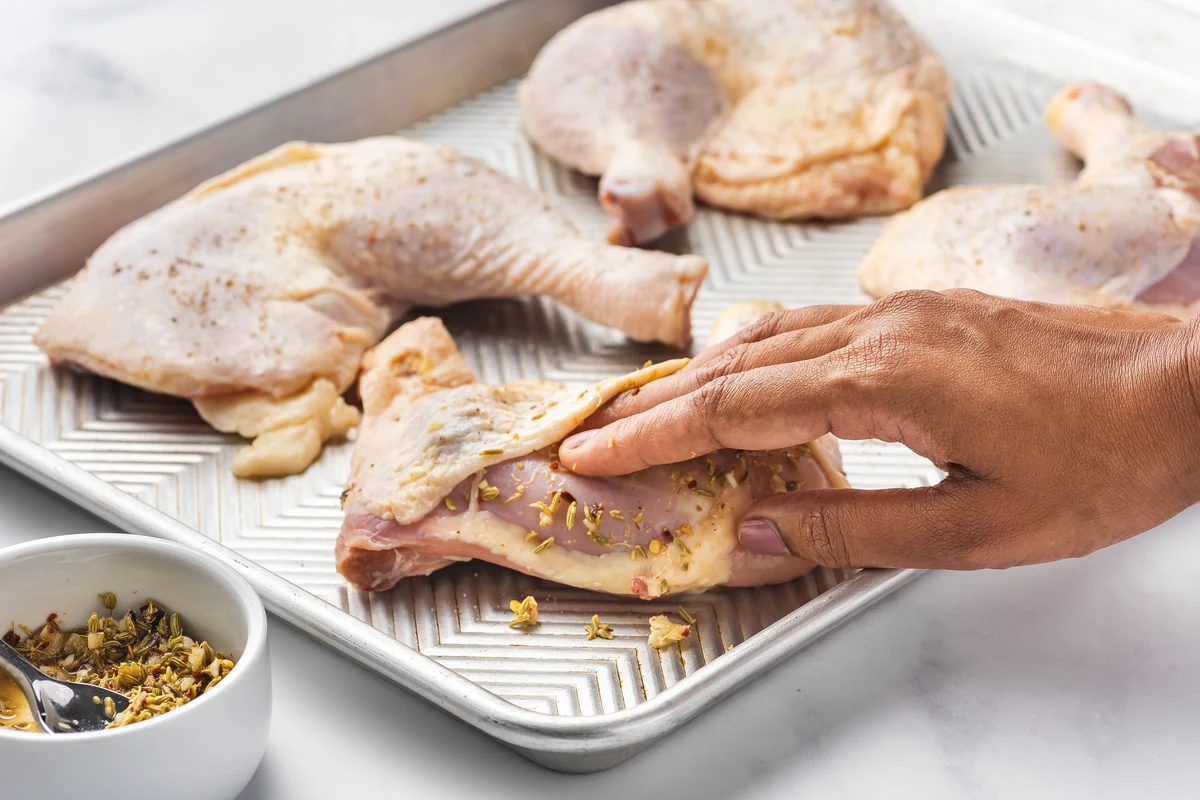
A deep-penetrating marinade is crucial. Use a base of buttermilk or seasoned yogurt, which helps tenderize the fibers of the chicken. Incorporate local staples like crushed garlic, onion powder, black pepper, and a touch of habanero-infused vinegar to provide that characteristic Caribbean kick. Allow the chicken to marinate for at least four to six hours, though overnight is ideal for maximum flavor saturation.
The Breading: Achieving the Signature Crunch
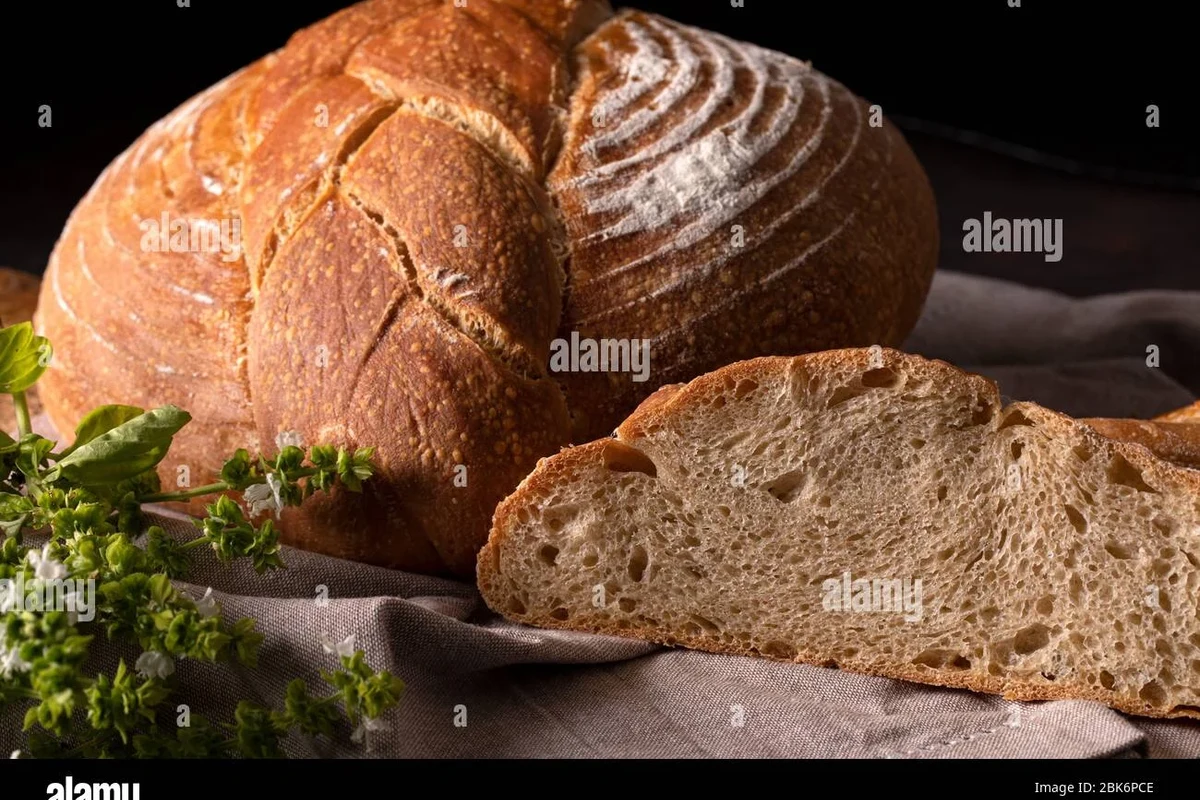
The breading should be a seasoned flour mixture. Use a blend of all-purpose flour, cornstarch (to increase crispiness), paprika, salt, white pepper, and a pinch of dried oregano. The key is in the “double-dredge” technique: dip the marinated chicken into the flour, then a light egg wash, and back into the flour mixture, pressing firmly to ensure the coating adheres to every crevice.
For an extra crispy finish, add a small amount of the liquid marinade into your dry flour mixture to create small, crunchy “clumps” that will fry into crispy bits on the surface of the chicken.
Equipment Guide: How to Get “Broaster” Results at Home
Pressure Fryer vs. Dutch Oven: Choosing Your Method
True broasting requires a pressure fryer designed specifically for oil. However, many home cooks attempt this using a heavy-duty Dutch oven. While a Dutch oven provides excellent heat retention, it lacks the pressure component that makes broasting unique. If you are not using a dedicated pressure fryer, you are essentially deep frying. Always prioritize equipment safety; never modify standard pressure cookers to hold oil, as they are not designed for the viscosity and temperature of frying oil.
The Importance of Precision Thermometers
Temperature control is the most critical variable. You need a high-quality digital probe thermometer to monitor both the oil temperature and the internal temperature of the chicken. Maintaining the oil at a consistent 350°F (177°C) is essential for the crust to set without burning.
Step-by-Step Cooking Technique: Mastering the Pressure-Fry Method
Pat the chicken dry after marination. Excess moisture creates steam, which can prevent a crispy crust.
After coating, let the chicken rest on a wire rack for 15 minutes. This allows the flour to hydrate, ensuring the crust doesn’t fall off during frying.
Carefully lower the chicken into the oil. If using a pressure fryer, follow the manufacturer’s specific pressure settings. If deep frying, ensure the pieces have enough space to float freely.
Common Mistakes and How to Avoid Them
- Use a wire rack to rest chicken before and after frying.
- Fry in small batches to maintain oil temperature.
- Overcrowding the pot, which drops oil temperature and causes sogginess.
- Using oil with a low smoke point, such as extra virgin olive oil.
Food Safety and Handling: Best Practices for Poultry
According to USDA guidelines, poultry must reach an internal temperature of 165°F (74°C) to be considered safe. Always check the thickest part of the meat without touching the bone.
Prevent cross-contamination by using dedicated cutting boards for raw chicken. Once the chicken is cooked, move it to a clean platter rather than the one used for the raw product. If you enjoy experimenting with chicken, consider trying our chicken leek and potato soup recipe for a different way to utilize your kitchen skills.
Storage, Reheating, and Maintaining Crispiness
Leftovers should be cooled quickly and placed in the refrigerator within two hours. To reheat, avoid the microwave, which will ruin the texture. Instead, place the chicken on a wire rack in an oven preheated to 375°F (190°C) for about 10–15 minutes until the skin is crisp again. For those who enjoy variety, you might also find that using leftover cooked chicken in a Belizean chicken tacos recipe provides a great way to repurpose your meal.
- Marinate for at least four hours for maximum depth of flavor.
- Maintain a strict oil temperature of 350°F to ensure a perfect crust.
- Always use a thermometer to verify an internal temperature of 165°F.
- Reheat leftovers in the oven to restore the original crunch.
Value and Verdict: Is Home-Broasting Worth the Effort?
Home-broasting is an investment in technique. While it requires more setup and cleanup than standard frying, the result—a juicy interior protected by a rigid, flavorful, and incredibly crispy shell—is unmatched. For the home cook who values texture and authentic preparation, mastering this method is a rewarding endeavor that brings professional-quality results to your own kitchen.
Common Questions
The pressure-frying environment seals the exterior quickly while cooking the interior evenly, resulting in a unique, dense crunch.
Buttermilk or yogurt, garlic, onion, black pepper, and vinegar are key for tenderizing and flavor.
No, never use a standard kitchen pressure cooker for frying, as they are not designed to handle hot oil under pressure.
Use a digital thermometer to ensure the thickest part of the chicken reaches 165°F.
Letting the breaded chicken rest for 15 minutes before frying allows the flour to hydrate and stick to the meat.
Frequently Asked Questions
While you can achieve a very crispy result using a heavy-bottomed Dutch oven, true broasting technically requires a pressure-frying environment to lock in juices effectively.
Use oils with a high smoke point, such as peanut oil, canola oil, or vegetable oil, to ensure the oil remains stable at high temperatures.
Ensure the chicken is patted dry before breading and allow the breaded pieces to rest on a wire rack for at least 15 minutes before frying to let the coating set.
You can reuse oil if it is strained to remove food particles and stored in a cool, dark place. Discard the oil if it becomes dark, thick, or develops an off odor.
The chicken must reach an internal temperature of 165°F (74°C) as measured by a food thermometer in the thickest part of the meat.
The chicken is best eaten immediately. If stored properly, it will stay fresh for up to three days, but reheating in an oven is required to restore the crispiness.