Broiled Chicken

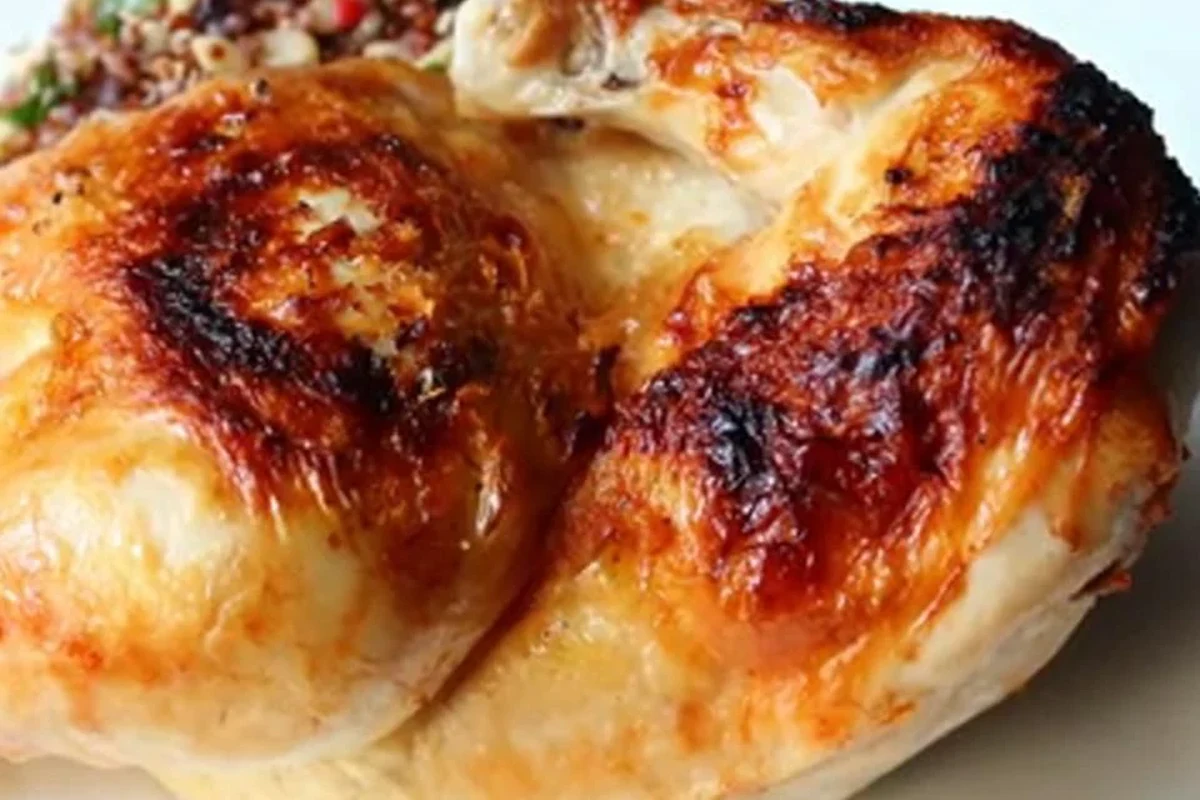
Broiled chicken is cooked under intense, direct overhead heat to achieve a crispy skin and juicy interior. It is a fast, effective method perfect for achieving restaurant-quality results in your home oven.
Broiled chicken is a high-heat cooking method that uses the direct, intense radiation from your oven’s top element to create a beautifully charred, crispy skin while keeping the interior succulent. In the Belizean kitchen, where bold flavors and efficient cooking are highly valued, mastering the broiler is a essential skill for achieving restaurant-quality results at home.
- Preparation: Always pat the chicken dry to ensure the skin crisps rather than steams.
- Technique: Position the rack in the upper third of the oven for optimal heat exposure.
- Safety: Use a meat thermometer to confirm an internal temperature of 165°F (74°C).
- Ventilation: Keep your kitchen well-ventilated as broiling can create smoke.
What Is Broiled Chicken and Why It’s a Belizean Kitchen Staple
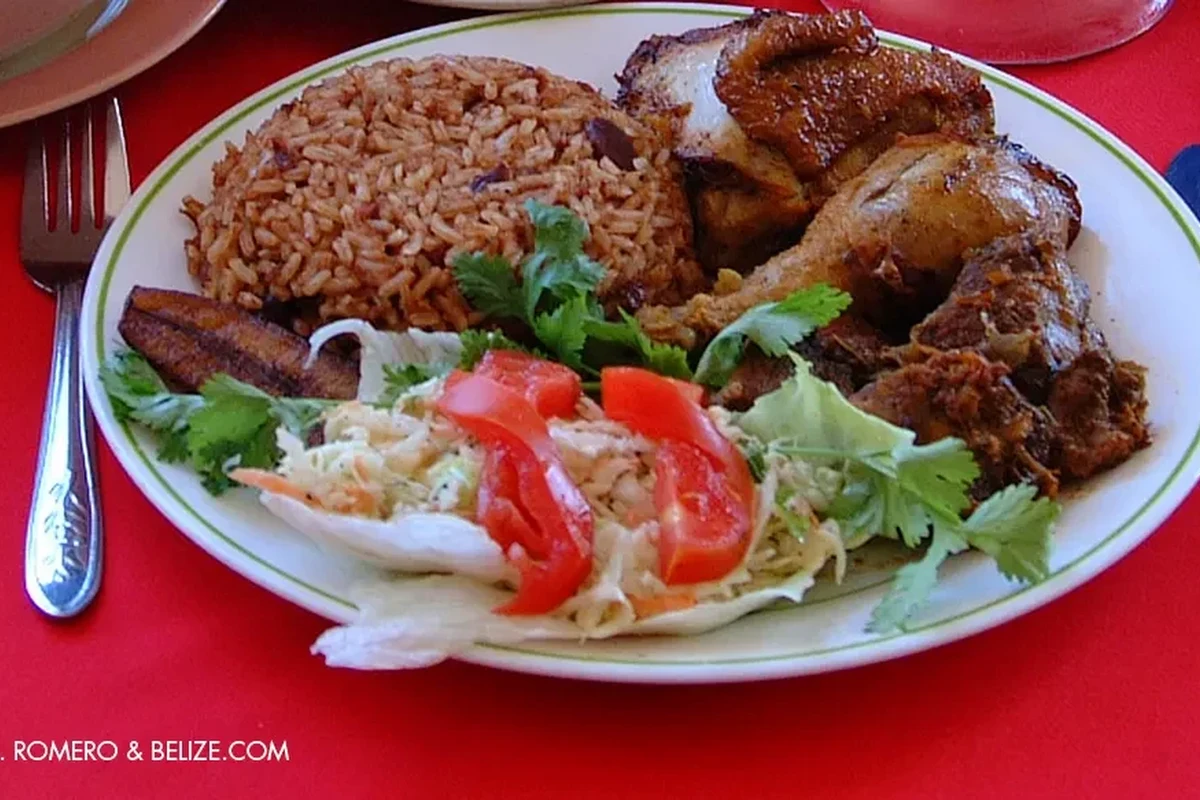
Broiling is essentially “upside-down grilling.” While most oven cooking relies on ambient air temperature, broiling focuses heat directly onto the surface of the food. For those who love the smoky, caramelized finish of a Belizean BBQ chicken recipe but lack an outdoor grill, the broiler offers a convenient indoor alternative that mimics that signature char.
Broiling is perfect for busy weeknights when you want deep, roasted flavor in a fraction of the time required for traditional oven-roasting.
The Essential Belizean Broiled Chicken Recipe: A Step-by-Step Guide
Ingredients for Authentic Flavor
To capture the essence of Belizean seasoning, focus on aromatics. You will need bone-in, skin-on chicken pieces, fresh lime juice, crushed garlic, recado (annatto paste) or a blend of paprika and cumin, salt, black pepper, and a touch of habanero if you enjoy heat. A light coating of oil helps the skin crisp evenly under the direct heat.
Technique: Mastering the Broiler for Crispy Skin and Juicy Meat
Choosing the Right Chicken: Buying Guide for Superior Results
Selecting Cuts: Why Bone-In, Skin-On Reigns Supreme
For broiling, bone-in cuts like thighs and legs are far more forgiving than breast meat. The bone acts as a heat sink, protecting the meat from drying out during the intense blast of the broiler. The skin is also vital, as it renders fat and crisps up, creating a protective barrier for the juices inside.
Quality Indicators: What to Look for at the Butcher
Always look for chicken with firm, pink-toned flesh and intact skin. Avoid packages with excessive liquid, which can indicate improper storage. In 2026, many local markets provide transparency regarding the source of their poultry; prioritize fresh, locally raised options when available to support quality standards.
Essential Equipment: Getting the Best Out of Your Oven
Choosing the Right Pan: Broiler Pans vs. Heavy-Duty Baking Sheets
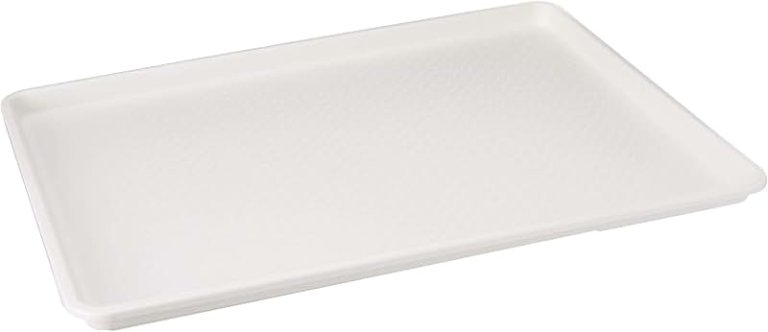
A true broiler pan has a two-piece design: a slotted top tray that allows fat to drip away, and a base that catches the drippings. If you do not have one, a heavy-duty rimmed baking sheet lined with a wire rack is an excellent substitute. This setup encourages airflow, which is critical for crisping.
Managing Oven Rack Positioning for Even Browning
If your chicken is browning too quickly before the center is cooked, lower the rack by one level. Conversely, if the skin remains pale, move it closer to the element. Always monitor the process during the final minutes, as sugar-based marinades can go from caramelized to burnt very quickly.
The Science of Broiling: Benefits and Limitations
Why Broiling Wins for Quick, High-Heat Cooking
Broiling utilizes infrared radiation to achieve Maillard reaction—the chemical process that creates flavor and browning—at a much faster rate than convection roasting. This is why it is a fantastic alternative for those who find air fryer chicken thighs to be too small a capacity for family meals.
Navigating the Limitations: Smoke Points and Heat Distribution
Broiling can create significant smoke. Ensure your kitchen is well-ventilated by running your exhaust fan, and keep a close eye on the oven to prevent grease fires.
Common Mistakes and How to Avoid Them
- Pat the chicken very dry before seasoning.
- Use a meat thermometer for accuracy.
- Overcrowding the pan, which leads to steaming.
- Leaving the oven door closed if your broiler requires a cracked door.
Food Safety, Storage, and Reheating
Internal Temperature Cues: Ensuring Perfect Doneness
According to food safety guidelines, chicken must reach an internal temperature of 165°F (74°C) as measured by a food thermometer in the thickest part of the meat. Never rely on color alone to judge doneness, especially when using marinades that contain spices like annatto.
Best Practices for Refrigeration and Freezing
Store leftover broiled chicken in an airtight container in the refrigerator for up to 3 to 4 days. If freezing, wrap the chicken tightly in plastic wrap and then aluminum foil to prevent freezer burn; it will maintain best quality for up to 3 months.
Reviving Leftovers: How to Reheat Without Drying Out
To reheat without turning the meat into rubber, add a tablespoon of water or broth to your container before warming it in the oven at a low temperature (300°F). This gentle heat helps maintain moisture, similar to the method used to warm a hearty chicken mulligatawny soup.
Expert Recommendations for the Home Cook
- Use a citrus-based marinade to tenderize the meat before broiling.
- Let the chicken rest for 5 minutes after removing it from the oven to redistribute the juices.
- If your marinade contains honey or brown sugar, apply it only in the last 2 minutes of cooking to prevent burning.
Broiled chicken is an accessible, high-reward technique that brings the joy of outdoor grilling into the home kitchen. While it requires active monitoring to prevent burning, the result—crispy skin and juicy meat—is well worth the effort. It is the ideal method for the home cook looking for a fast, flavorful way to prepare poultry on a busy evening.
Common Questions
Broiling uses direct, intense heat to brown the surface quickly, whereas roasting uses indirect, ambient heat to cook the meat more slowly and evenly.
Yes, but you must reduce the cooking time significantly to prevent the meat from drying out.
Avoid marinades with high sugar content, or apply them only during the final few minutes of the cooking process.
Wash your hands and any surfaces that touch the raw chicken, and ensure you use a dedicated cutting board to prevent cross-contamination.
Yes, preheating the broiler for 5-10 minutes ensures the heating element is at maximum intensity before the chicken enters the oven.
Frequently Asked Questions
It typically takes 15 to 20 minutes, depending on the thickness of the cuts. Always use a meat thermometer to ensure the internal temperature reaches 165°F.
Yes, flipping the chicken halfway through ensures even browning on both sides. This also helps the skin render its fat properly.
Soggy skin is usually caused by excess moisture or overcrowding the pan. Always pat the chicken dry before seasoning and ensure there is space between pieces for airflow.
Yes, you can use a rimmed baking sheet with a wire rack inserted. This setup mimics a broiler pan by allowing air to circulate under the meat.
Most ovens have a single ‘Broil’ setting which operates at high heat. If your oven has ‘High’ and ‘Low’ settings, use ‘High’ for thin cuts and ‘Low’ for thicker, bone-in pieces.
Broiling is a relatively healthy cooking method because it allows excess fat to drip away from the meat. The nutritional value depends on your choice of seasonings and marinades.