Italian Spices for Chicken

Italian spices for chicken provide a classic aromatic blend of oregano, basil, rosemary, and thyme that enhances the natural flavor of poultry. These herbs are best applied as a rub or in a marinade to ensure deep flavor and a perfectly seasoned crust.
Italian spices provide a versatile, aromatic foundation that enhances the natural mildness of poultry, turning simple meals into restaurant-quality dishes. Whether you are roasting, searing, or grilling, these herbs create a balanced flavor profile that defines classic Mediterranean-inspired cooking.
- Herb Profile: Use a blend of oregano, basil, rosemary, and thyme for a balanced Mediterranean flavor.
- Application: Use dry rubs for crispy skin and marinades for deep, infused flavor.
- Heat Control: Prevent bitterness by avoiding high-heat scorching of dried herbs.
- Safety: Always verify that chicken reaches an internal temperature of 165°F (74°C).
Italian Spices for Chicken: The Ultimate Flavor Guide for 2026
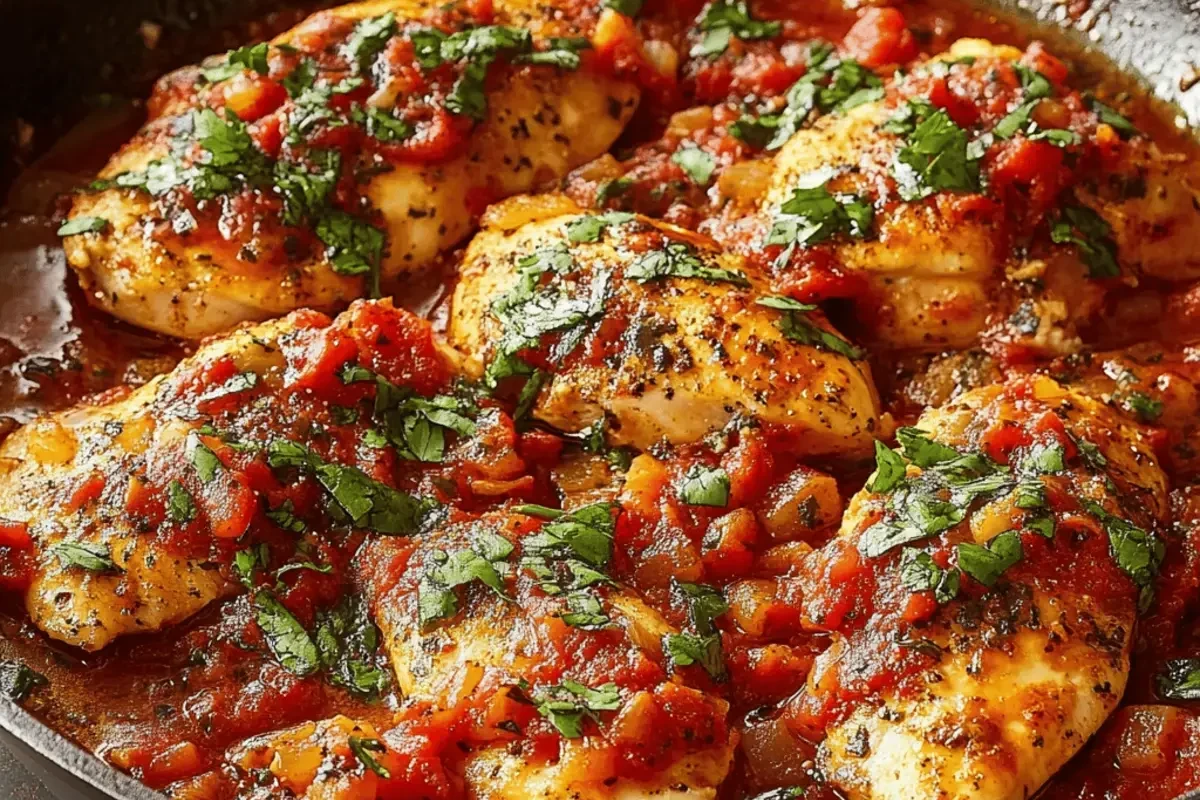
As we move through 2026, the focus in home kitchens remains on maximizing flavor with minimal effort. Using the right blend of Italian spices for chicken is perhaps the most efficient way to elevate a standard protein into a centerpiece. These herbs are not just for pasta sauces; they are specifically suited to withstand the heat of roasting and the quick intensity of pan-searing, ensuring your poultry remains succulent and deeply seasoned.
What Are Italian Spices and Why Do They Transform Chicken?
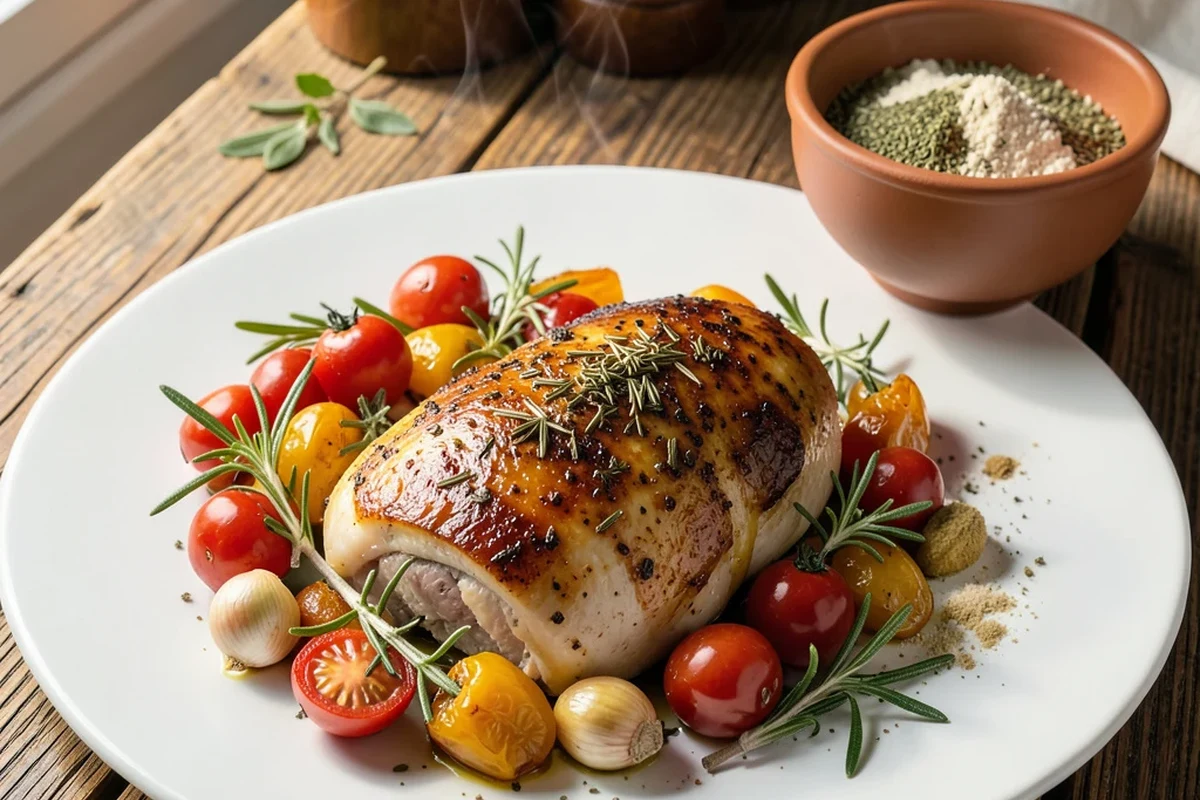
Italian seasoning is a blend of dried herbs and spices that typically features a base of oregano, basil, rosemary, and thyme. This combination works because it balances the earthy, slightly bitter notes of woody herbs like rosemary with the sweet, peppery aromatics of basil. When applied to chicken, these spices penetrate the surface and harmonize with the bird’s fat, creating a savory crust that locks in moisture.
The Essential Herb Profile: Balancing Savory and Sweet
The magic of this blend lies in the ratio. Oregano provides the “savory” backbone, while basil adds a bright, slightly sweet finish. Thyme offers a subtle, lemony undertone, and rosemary brings an intense, piney aroma that stands up well to high-heat roasting. By using these together, you cover the full spectrum of flavor required to make chicken taste complex rather than one-dimensional.
Who Benefits Most from Italian Seasoning Blends?
Home cooks who want to save time without sacrificing quality benefit the most. If you are preparing air fryer chicken thighs or a quick weeknight sheet-pan dinner, having a pre-mixed Italian blend on hand eliminates the need to measure out five different jars. It is an essential shortcut for busy parents and meal preppers alike.
Core Ingredients: Building Your Perfect Italian Spice Cabinet
To build a high-quality blend, focus on the “Big Five”: oregano, basil, rosemary, thyme, and garlic. These ingredients are the standard for a reason. While some commercial blends include fillers, building your own ensures you are getting only the potent, flavorful oils of the herbs.
When using dried herbs, crush them between your palms before applying them to the chicken. This friction releases the essential oils, significantly boosting the aroma and flavor intensity.
Cooking Techniques: How to Apply Italian Spices for Maximum Impact
The application method changes how the spices interact with the meat. For a deep, infused flavor, a marinade is ideal. For a crispy, textured exterior, a dry rub is superior.
Dry Rubs vs. Marinades: Choosing the Right Application Method
A dry rub is best used just before cooking to prevent the salt from drawing out too much moisture prematurely. If you prefer a marinade, mix your Italian herbs with olive oil, a splash of vinegar or lemon juice, and a touch of salt. This allows the fat-soluble compounds in the herbs to permeate the meat over 30 to 60 minutes.
The Sauté and Sear: Infusing Flavor into the Crust
When searing chicken, add the herbs toward the end of the cooking process if using fresh herbs, as they burn easily. Dried herbs, however, are robust enough to handle the initial sear, helping to form a fragrant, golden-brown crust that creates a delicious barrier against moisture loss.
Recipe Guide: Classic Italian Herb-Roasted Chicken
This method is reliable for whole birds or large bone-in cuts. It relies on the slow release of aromatics to flavor the meat from the inside out.
Pat the chicken completely dry with paper towels to ensure the skin crisps rather than steams.
Rub the chicken with high-quality olive oil, then generously coat with your Italian spice blend, salt, and black pepper.
Roast in a preheated oven at 400°F (200°C) until the skin is golden and the internal temperature reaches 165°F (74°C).
Always use a digital meat thermometer to verify the internal temperature of your chicken. According to food safety guidelines, poultry must reach an internal temperature of 165°F (74°C) in the thickest part of the meat to be safe for consumption.
Buying Guide: Selecting the Best Spice Blends in 2026
When shopping in 2026, look for blends that list herbs as the primary ingredients. Avoid products where salt is the first ingredient, as this limits your ability to control the seasoning levels. Check the label for anti-caking agents like silicon dioxide; while safe, they often indicate a lower-quality, mass-produced product.
- Convenient for quick meals
- Consistent flavor profile
- Often contain excessive salt
- Potential for hidden fillers
Troubleshooting and Common Mistakes
The most common mistake is burning the herbs. If your pan is too hot, the delicate leaves will turn bitter. If you notice the herbs darkening too quickly, reduce the heat or add a small amount of liquid to the pan to steam-cook the spices.
Storage, Shelf Life, and Preservation
Spices lose potency over time. To maximize freshness, store them in a cool, dark place away from the heat of the stove. Proper storage in airtight containers can keep dried herbs flavorful for up to 12 months. If you are looking to organize your kitchen, consider how your spice storage fits with your kitchen hood setup, as high humidity and heat near the range can degrade spice quality faster.
Substitutions and Customization
If you run out of an Italian blend, you can easily replicate it with individual jars from your pantry. A reliable ratio is 2 parts dried oregano, 1 part dried basil, 1 part dried thyme, and 1/2 part dried rosemary. For a spicier kick, add a pinch of red chili flakes, which complements the herbal notes perfectly when making dishes like zucchini chicken parmesan.
Final Verdict: Elevating Your Belizean Kitchen with Italian Aromatics
Using Italian spices for chicken is a low-risk, high-reward culinary strategy. By focusing on quality herbs and proper application techniques—such as adjusting heat to prevent bitterness and checking for internal doneness—you can easily transform basic poultry into a flavorful meal. Whether you are a novice or an experienced cook, keeping these aromatics stocked ensures you are always prepared to add depth to your cooking.
Common Questions
The essential herbs are oregano, basil, rosemary, thyme, and garlic.
It is better to keep your herb blend salt-free so you can control the seasoning levels during cooking.
Add fresh herbs near the end of the cooking process or ensure your pan is not excessively hot.
Yes, but use three times the amount of fresh herbs compared to dried for equivalent flavor.
When stored in a cool, dark place, dried herbs typically remain potent for about 12 months.
Frequently Asked Questions
Yes, but use three times the amount of fresh herbs as dried, as fresh herbs are less concentrated. Add fresh herbs toward the end of cooking to preserve their delicate flavor.
Bitterness usually occurs when herbs are scorched by high heat. Ensure your pan isn’t too hot, and consider adding the herbs in the final minutes of cooking if you are searing.
Rub a small amount of the herb between your fingers; if it does not release a strong aroma, it has lost its potency. Replace spices that have lost their scent for better flavor.
Pre-mixed blends are convenient for busy cooks, but they often contain excessive salt or fillers. Buying individual herbs allows for greater control over the flavor profile and salt content.
Store spices in airtight glass containers in a cool, dark, and dry place. Avoid placing them directly above the stove, as heat and humidity will cause them to degrade quickly.
According to food safety guidelines, chicken must be cooked to an internal temperature of 165°F (74°C). Always use a meat thermometer to ensure it is thoroughly cooked.