Oven Jerk Chicken

Oven jerk chicken delivers authentic Caribbean flavors by using a potent marinade of Scotch bonnets, allspice, and thyme followed by a high-heat roasting method. This approach allows you to achieve a smoky, charred finish in a standard home oven without needing a traditional outdoor pit.
Authentic Belizean-style oven jerk chicken brings the bold, smoky, and spicy essence of Caribbean street food into your home kitchen using your standard oven. By layering aromatics, spices, and a disciplined marination process, you can achieve deep, complex flavors that rival any outdoor pit-smoked preparation.
- Marination: Allow the chicken to sit for at least 12–24 hours for deep flavor penetration.
- Heat Control: Use a wire rack to ensure air circulation and crisp skin on all sides.
- Char Technique: Use the broiler for the final minutes to mimic the smoky char of a.
- Food Safety: Always cook to an internal temperature of 165°F (74°C) and handle raw poultry with.
What is Authentic Belizean-Style Oven Jerk Chicken?
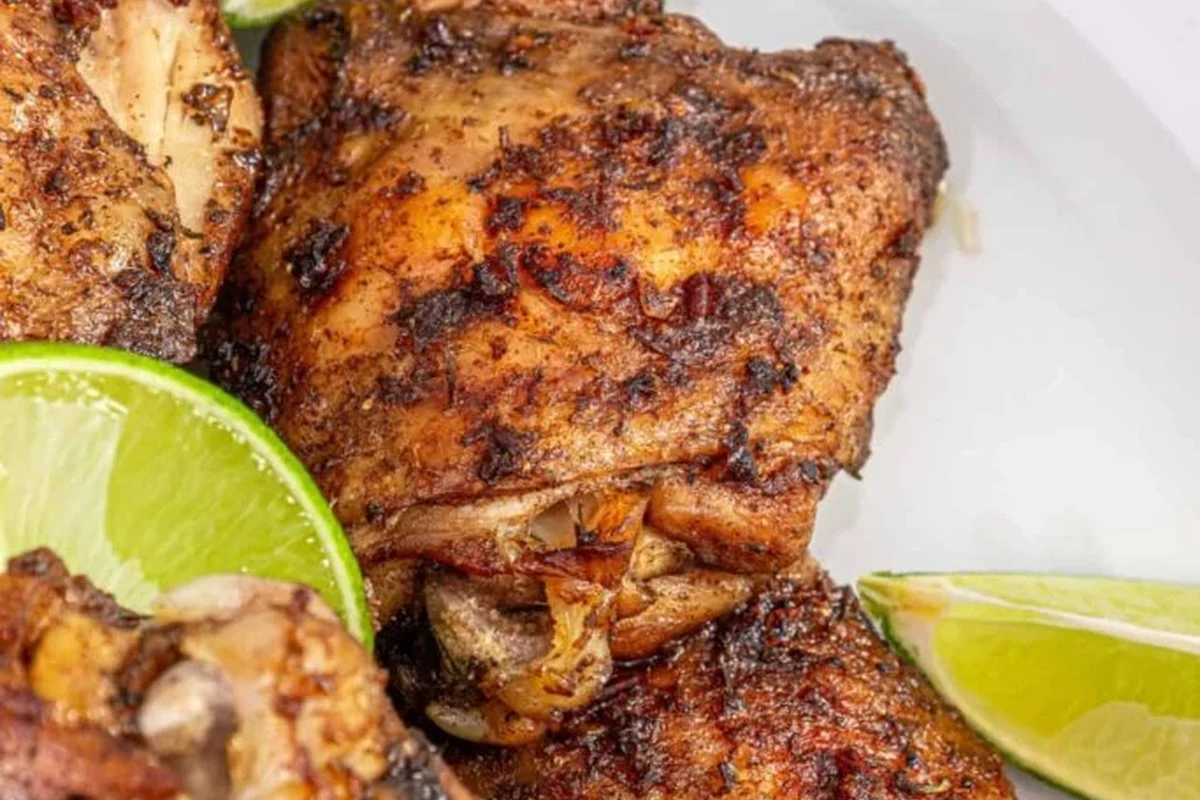
Authentic jerk is defined by its method of slow-smoking meat over pimento wood, a practice deeply rooted in Caribbean history. In a Belizean context, this translates to a pungent, deeply flavorful marinade featuring the “holy trinity” of Scotch bonnet peppers, allspice berries, and fresh thyme. When you cannot access a traditional outdoor fire pit, the “oven jerk” method recreates these characteristics by utilizing a concentrated rub and high-heat roasting techniques to mimic the char and depth of smoke.
Why Oven Jerk Chicken is the Ultimate Weeknight Caribbean Fix
Who This Recipe Is For: Bringing Tropical Flavors to Your Kitchen
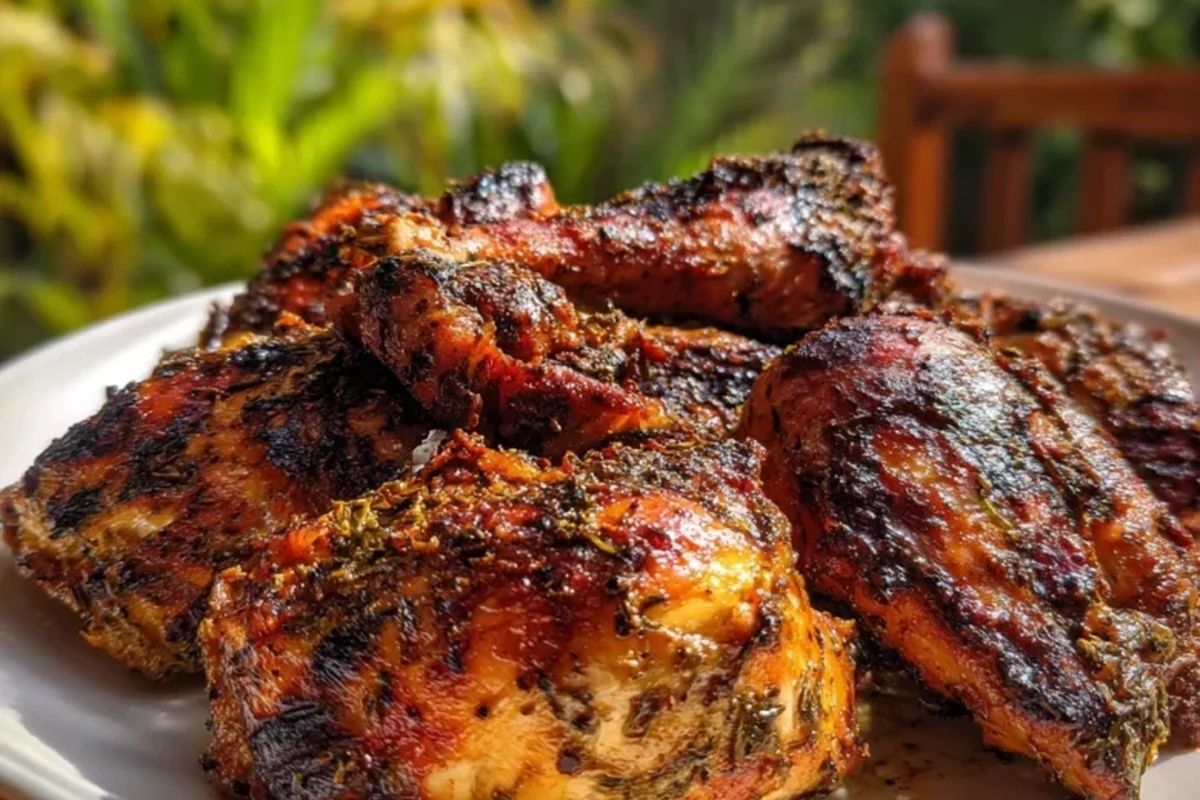
This recipe is perfect for the home cook who craves the vibrant, spicy profile of island cuisine without the time commitment of tending an outdoor fire. Whether you are managing a busy work week or hosting a casual dinner, this method allows for consistent results that bring a touch of the tropics to your table.
The Real-Kitchen Benefits: Why Baking Beats Traditional Smoking for Busy Cooks
Traditional jerk requires constant monitoring of temperature and smoke levels. Baking in your oven provides a controlled environment, ensuring the chicken cooks through evenly without the risk of drying out over an unpredictable flame. This is especially advantageous when you are balancing multiple kitchen tasks or working with modern appliances that offer precise climate control.
If you are looking to upgrade your setup, consider how a 36-inch gas oven provides the consistent heat distribution necessary to maintain a steady roast for larger batches of chicken.
Essential Ingredients for an Authentic Jerk Marinade
The Holy Trinity: Scotch Bonnet Peppers, Allspice, and Thyme
The soul of any jerk marinade lies in three ingredients. Scotch bonnet peppers provide the signature fruity heat, while ground allspice (often called pimento) gives the dish its deep, warm, clove-like earthiness. Fresh thyme ties these punchy flavors together with a subtle, woody aroma.
Sourcing Quality Ingredients in 2026
As of 2026, sourcing authentic ingredients has become more accessible through local international grocers and online specialty spice purveyors. When selecting allspice, opt for whole berries and grind them fresh; the potency of pre-ground spice often fades, which can dull the impact of your marinade. Ensure your Scotch bonnets are firm and vibrant in color.
Ingredient Substitutions for When You Can’t Find Belizean Staples
If Scotch bonnets are unavailable, habaneros are the closest reliable substitute in terms of heat level and fruity undertones. If you cannot find fresh pimento wood or leaves, liquid smoke (used sparingly) can mimic the depth, though it should not replace the spice profile itself.
Mastering the Technique: How to Achieve Jerk Flavor Without a Pit
The Importance of the Long Marinate: Timing and Penetration
Jerk is not a quick-fix dish. For the best results, chicken should marinate for at least 12 to 24 hours. This duration allows the acidic components in the marinade to tenderize the meat while the spices penetrate deeply into the muscle fibers, ensuring the flavor isn’t just on the surface.
Preparing the Chicken: Scoring for Maximum Flavor Absorption
Before applying the marinade, use a sharp knife to score the chicken skin and flesh. This creates channels for the marinade to seep into the thicker parts of the bird, which is particularly important for bone-in cuts like thighs or legs.
- Score the chicken skin to allow the marinade to penetrate
- Use bone-in, skin-on chicken for maximum moisture
- Marinating in metal containers, which can react with acidic ingredients
- Overcrowding the baking sheet, which leads to steaming rather than roasting
The Secret to Char: Achieving a “Smoky” Finish in a Standard Oven
To get that dark, charred exterior, finish the chicken under the broiler for the final 3–5 minutes of cooking. Keep a close eye on it, as the sugars in the marinade can go from caramelized to burnt quickly.
Step-by-Step Oven Jerk Chicken Recipe
Ingredients List
- 4 lbs chicken (thighs and legs work best)
- 4–6 Scotch bonnet peppers (seeded for less heat)
- 1/2 cup scallions, chopped
- 3 tbsp soy sauce
- 2 tbsp fresh thyme leaves
- 1 tbsp allspice berries, freshly ground
- 1 tbsp brown sugar
- 1 tsp cinnamon and nutmeg
- 2 tbsp oil
The Rub and Marinade Process
Blend the peppers, scallions, soy sauce, spices, and oil into a thick paste. Rub this mixture thoroughly over the chicken, ensuring it gets under the skin. Place in a non-reactive container and refrigerate for at least 12 hours.
Cooking Instructions and Temperature Control
Preheat your oven to 375°F (190°C). Arrange the chicken on a wire rack set over a baking sheet; this allows hot air to circulate underneath, helping the skin crisp. Roast for 40–50 minutes until the juices run clear.
Ensuring Food Safety and Perfect Doneness
The Internal Temperature Guide: How to Avoid Dry Chicken
Always use a digital meat thermometer to ensure your chicken reaches a safe internal temperature of 165°F (74°C) as recommended by food safety authorities. Removing it once it hits this mark prevents the meat from drying out.
Safe Handling of Scotch Bonnet Peppers and Raw Poultry
Always wear gloves when handling Scotch bonnet peppers, as the oils can cause significant skin and eye irritation. Wash all surfaces and utensils that have touched raw chicken thoroughly with hot, soapy water to prevent cross-contamination.
Storage, Reheating, and Meal Prep
Store leftover jerk chicken in an airtight container in the refrigerator for up to 3 days. When reheating, use a low oven setting or a warming drawer to prevent the meat from becoming rubbery. If you have extra marinade, it can be frozen for up to 3 months; just ensure it is labeled clearly.
Final Thoughts: Is Oven Jerk Chicken Worth the Effort?
Oven jerk chicken is a highly rewarding way to enjoy intense, authentic Caribbean flavors without needing specialized outdoor equipment. While it requires patience for the marination process, the actual cooking time is straightforward and manageable. By following the steps for proper marination and using a broiler to finish the skin, you can achieve a level of flavor that makes this a staple for any home cook looking to explore Belizean culinary traditions.
Common Questions
The secret is the combination of fresh Scotch bonnet peppers, freshly ground allspice, and fresh thyme allowed to marinate for a long period.
Yes, roasting in an oven at high heat and finishing with a quick broil creates a very similar texture and flavor profile.
Use a wire rack placed over a baking sheet to allow heat to circulate under the chicken and finish under the broiler for a few minutes.
Only if it has been boiled thoroughly; otherwise, discard any marinade that has touched raw meat to prevent foodborne illness.
Pimento wood is traditional, but you can achieve excellent results with a well-balanced spice rub; liquid smoke is an optional, non-traditional add-in.
Frequently Asked Questions
Yes, but breasts cook faster and can dry out easily. Adjust your cooking time and check the internal temperature frequently to ensure they remain juicy.
The heat level depends on the Scotch bonnet peppers. Remove the seeds and membranes to significantly reduce the heat while keeping the signature fruity flavor.
Traditional sides include rice and peas, fried plantains, or a crisp cabbage slaw to balance the intense spices of the chicken.
Yes, avoid marinating for more than 48 hours. The acidity in the marinade can begin to break down the texture of the meat, making it mushy.
The chicken is done when a meat thermometer inserted into the thickest part reads 165°F (74°C) and the juices run clear.
Never reuse marinade that has been in contact with raw chicken unless you boil it rapidly for several minutes to kill bacteria. It is safer to discard used marinade.