Dinner Ideas with Chicken Tenders

Chicken tenders are a versatile, fast-cooking protein perfect for quick weeknight meals. You can easily elevate them by using creative breading techniques or simple, flavorful pan-searing methods.
Chicken tenders are a versatile, quick-cooking cut of poultry that serves as a blank canvas for everything from classic comfort food to vibrant, Caribbean-inspired meals. By mastering a few simple preparation techniques, you can transform this humble ingredient into a reliable solution for busy weeknights in 2026.
- Efficiency: Tenders cook faster than most chicken cuts, making them ideal for busy schedules.
- Preparation: Always remove the white tendon for a better eating experience.
- Technique: Use an air fryer or wire rack in the oven to maintain crispiness without.
- Safety: Always ensure an internal temperature of 165°F (74°C) to guarantee safety.
Dinner Ideas with Chicken Tenders: The Ultimate Weeknight Solution
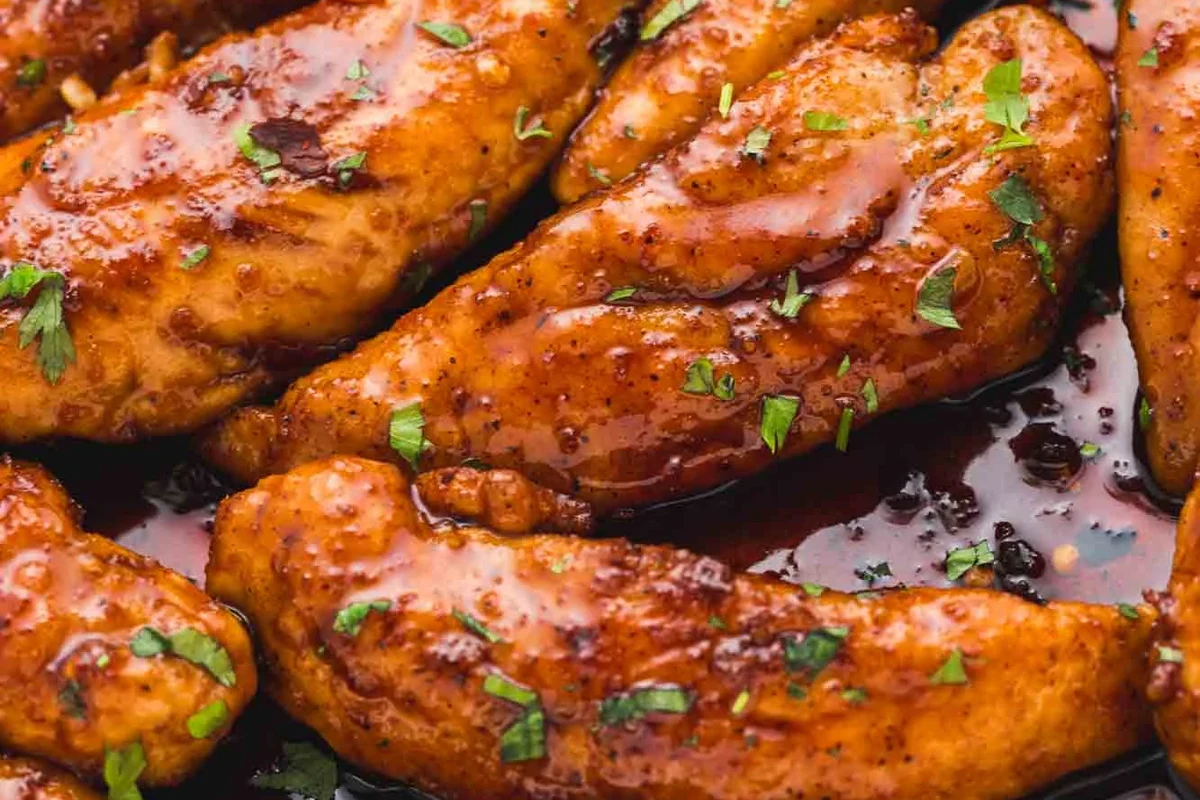
When the clock is ticking and dinner needs to be on the table, chicken tenders are often the first thing home cooks reach for. Their small size means they cook significantly faster than whole breasts or thighs, reducing your time at the stove. Whether you are looking to create a crispy snack or a sophisticated main course, these tender strips offer consistent results with minimal fuss.
Why Chicken Tenders Are the MVP of Your Kitchen

Understanding the Cut: What Makes Tenders Unique
Technically known as the pectoralis minor muscle, the tenderloin is a strip of meat located just beneath the breast. Because this muscle does very little work, it is naturally tender and delicate. It is leaner than thigh meat and cooks more evenly than a thick chicken breast, making it an ideal choice for high-heat cooking methods like pan-searing or air-frying.
The Luis Perspective: Why They Fit the Modern Belizean Kitchen
In Belize, we prioritize freshness and flavor, and chicken tenders adapt beautifully to our local spice profiles. Whether you are incorporating them into a quick batch of chicken tacos or pairing them with bold, tropical aromatics, they fit the fast-paced lifestyle of modern home cooks who still demand quality on their plates.
Always remove the white tendon that runs through the center of the tenderloin before cooking. You can do this easily by holding the end with a paper towel and scraping the meat away with the back of a knife.
Essential Pantry Staples to Elevate Your Chicken Tenders
The Holy Trinity of Seasoning: Herbs, Spices, and Aromatics
To move beyond plain breaded strips, rely on a robust spice cabinet. Garlic powder, smoked paprika, and dried oregano are staples that work across almost any cuisine. For a more authentic flair, consider adding ground allspice or a touch of habanero powder to your dry rubs to bring that signature warmth to your poultry.
Choosing the Right Breading and Binding Agents
A classic breading station—flour, egg wash, and breadcrumbs—is standard, but you can innovate by using crushed cornflakes or toasted coconut for extra texture. If you are looking to keep things lighter, a simple marinade of yogurt or buttermilk acts as a tenderizer and helps your seasonings adhere without a heavy coating.
Techniques for Perfect Chicken Tenders Every Time
The Secret to Crispy Without the Deep Fry: Oven-Baking and Air-Frying
You do not need a deep fryer to achieve a satisfying crunch. Using an air fryer is often the most efficient method for achieving a golden-brown finish with less oil. When using an oven, place your tenders on a wire rack set over a baking sheet; this allows hot air to circulate underneath, preventing the bottom from becoming soggy.
Pan-Searing vs. Braising: When to Switch Up Your Cooking Method
Pan-searing is best when you want a quick, caramelized crust. However, if you are working with a rich sauce or curry, braising is the superior choice. Briefly searing the tenders before simmering them in liquid ensures they remain succulent and absorb the flavors of your dish.
Three Crowd-Pleasing Dinner Recipes to Master
1. Belizean-Inspired Coconut-Crusted Chicken Tenders
Combine shredded unsweetened coconut with panko breadcrumbs for a tropical twist. Dip your tenders in beaten egg, coat them in the mixture, and bake at 400°F (200°C) until golden. Serve with a spicy mango salsa for a vibrant meal.
2. Zesty Lemon-Garlic Skillet Tenders
Sauté tenders in a mix of butter and olive oil. Once cooked, deglaze the pan with fresh lemon juice, minced garlic, and a splash of white wine or chicken stock to create a bright, pan-sauce finish.
3. Quick-Fix Sweet and Spicy Glazed Tenders
Pan-sear your tenders until cooked through, then toss them in a mixture of honey, soy sauce, and a touch of chili paste. This creates a sticky, savory glaze that pairs perfectly with steamed rice or vegetables.
Avoiding Common Pitfalls: Troubleshooting Your Tenders
The Rubber Texture Trap: How to Prevent Overcooking
Chicken tenders are small, meaning they can go from juicy to dry in mere seconds. Use a meat thermometer to ensure they reach an internal temperature of 165°F (74°C). Once they hit this mark, remove them from the heat immediately to preserve their texture.
Fixing Soggy Breading: Tips for Maximum Crunch
Sogginess usually occurs when moisture is trapped. Never stack freshly cooked tenders; keep them in a single layer on a rack. If you are adding a sauce, wait until the very last second before serving to keep the coating crisp.
Always wash your hands and surfaces thoroughly after handling raw poultry. Ensure all chicken reaches the safe internal temperature of 165°F (74°C) as recommended by food safety authorities.
Food Safety and Storage: Keeping Your Kitchen Professional
The Golden Rules of Handling Raw Poultry
Avoid cross-contamination by keeping raw chicken away from fresh vegetables. Use color-coded cutting boards if possible, and sanitize your workspace immediately after preparation.
Proper Storage and Reheating Techniques for Leftovers
Store cooked tenders in an airtight container in the refrigerator for up to 3–4 days. To reheat, skip the microwave, which often makes breading rubbery. Instead, use an oven or air fryer at 350°F (175°C) until the meat is heated through and the crust is crisp again.
Value and Versatility: Is It Worth the Cost?
Comparing Whole Breasts vs. Pre-Cut Tenders
Pre-cut tenders are convenient but often carry a price premium. If you are on a budget, purchasing whole chicken breasts and cutting them into strips yourself is a highly effective way to manage grocery costs. You can use the remaining trimmings for a hearty soup or stir-fry.
- Chicken tenders are an essential, time-saving protein for busy households.
- They offer immense versatility, working well in both fried and braised applications.
- By focusing on internal temperature and proper storage, you can ensure high-quality meals every time.
- Purchasing whole breasts and slicing them yourself provides the best value for your kitchen budget.
Common Questions
Use a wire rack in the oven or an air fryer to allow air circulation around the chicken, which prevents the bottom from getting soggy.
They are the same cut of meat, but since they cook faster, they are often a better choice for quick, lean meals if prepared without heavy breading.
Yes, you can freeze them for up to 3 months; just ensure they are tightly wrapped to prevent freezer burn.
Deglaze your pan with citrus juice, honey, or soy sauce after cooking the chicken to create a flavorful, sticky glaze.
The white tendon is connective tissue that does not break down during quick cooking, so it is best to remove it before you begin.
Frequently Asked Questions
The key is to avoid overcooking. Use a meat thermometer to pull the chicken off the heat as soon as it reaches 165°F (74°C).
Yes, you can simply slice chicken breasts into uniform strips. Just ensure they are cut to a similar size to keep cooking times consistent.
Use an oven or air fryer at 350°F (175°C) until hot and crispy. Avoid the microwave, as it softens the breading and makes it rubbery.
Cooked chicken should be stored in an airtight container and consumed within 3 to 4 days for the best quality and safety.
No, washing raw chicken is not recommended. It can spread bacteria to other surfaces in your kitchen through splashing.
Garlic powder, smoked paprika, and dried oregano are excellent foundations. You can also experiment with tropical spices like allspice for a Belizean twist.