Piccata Sauce Recipe

Piccata sauce is a quick, zesty pan sauce made by emulsifying lemon juice, dry white wine, and butter with salty capers. It is the perfect way to add a bright, restaurant-quality finish to any seared protein.
Piccata sauce is a bright, buttery, and zesty Italian-American pan sauce that transforms simple proteins into a restaurant-quality meal. By balancing the acidity of lemon juice and the salinity of capers with a silky butter emulsion, this sauce elevates everything from pan-seared poultry to delicate white fish.
- Emulsion is key: Always whisk in cold butter off the heat to create a silky, stable sauce.
- Deglaze properly: Scrape up the browned bits from the pan to provide a deep, savory foundation.
- Use fresh citrus: Fresh lemon juice provides an essential acidity that bottled versions lack.
- Balance the salt: Capers are naturally salty, so taste your sauce before adding any additional salt.
What is Piccata Sauce? The Essence of Bright, Zesty Italian-American Flavor
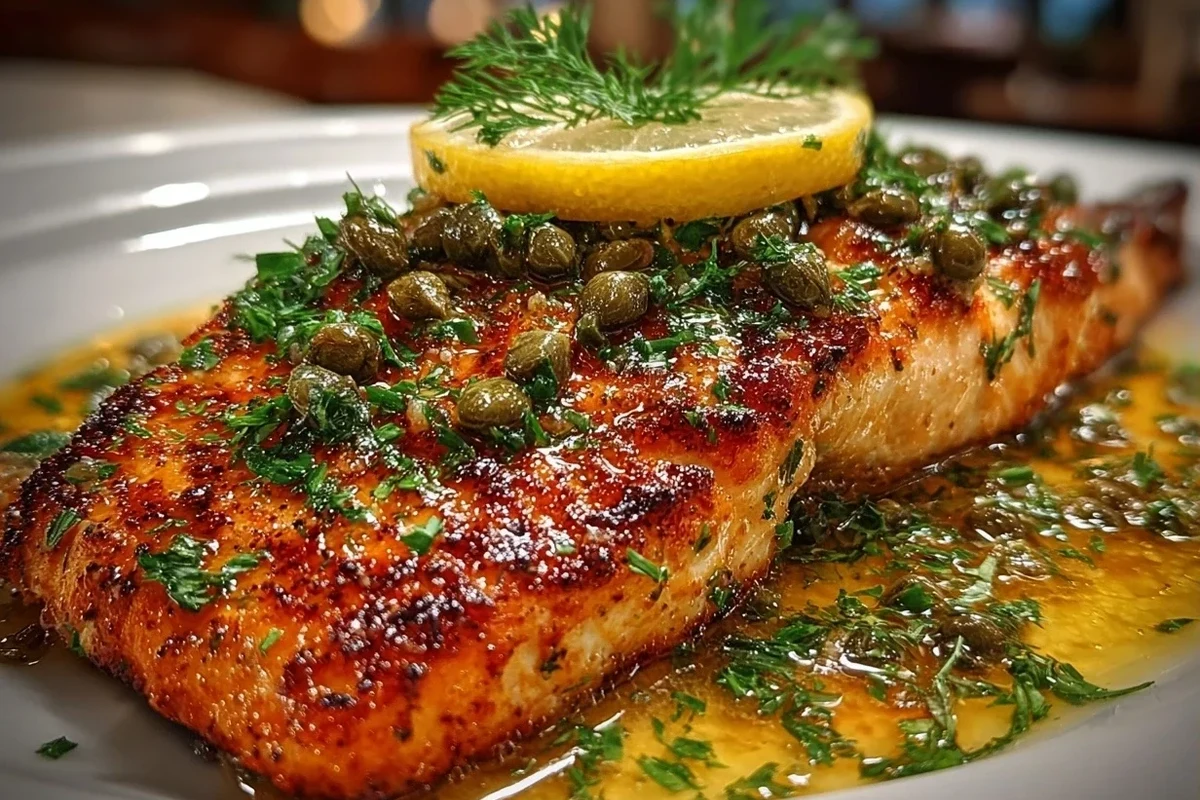
At its heart, a piccata sauce is a masterclass in deglazing and emulsification. The technique relies on the “fond”—the caramelized brown bits left in the pan after searing a protein—to provide a savory foundation. This is then brightened with dry white wine and fresh lemon juice, and finished with cold, cubed butter to create a glossy, thickened sauce that clings perfectly to the meat. It is a quintessential staple for home cooks looking to add a vibrant punch to their repertoire, much like how a well-balanced Belizean pepper sauce recipe can sharpen the profile of a savory dish.
The Core Components: Choosing the Best Ingredients for Your Piccata
The Importance of Quality Capers and Brine
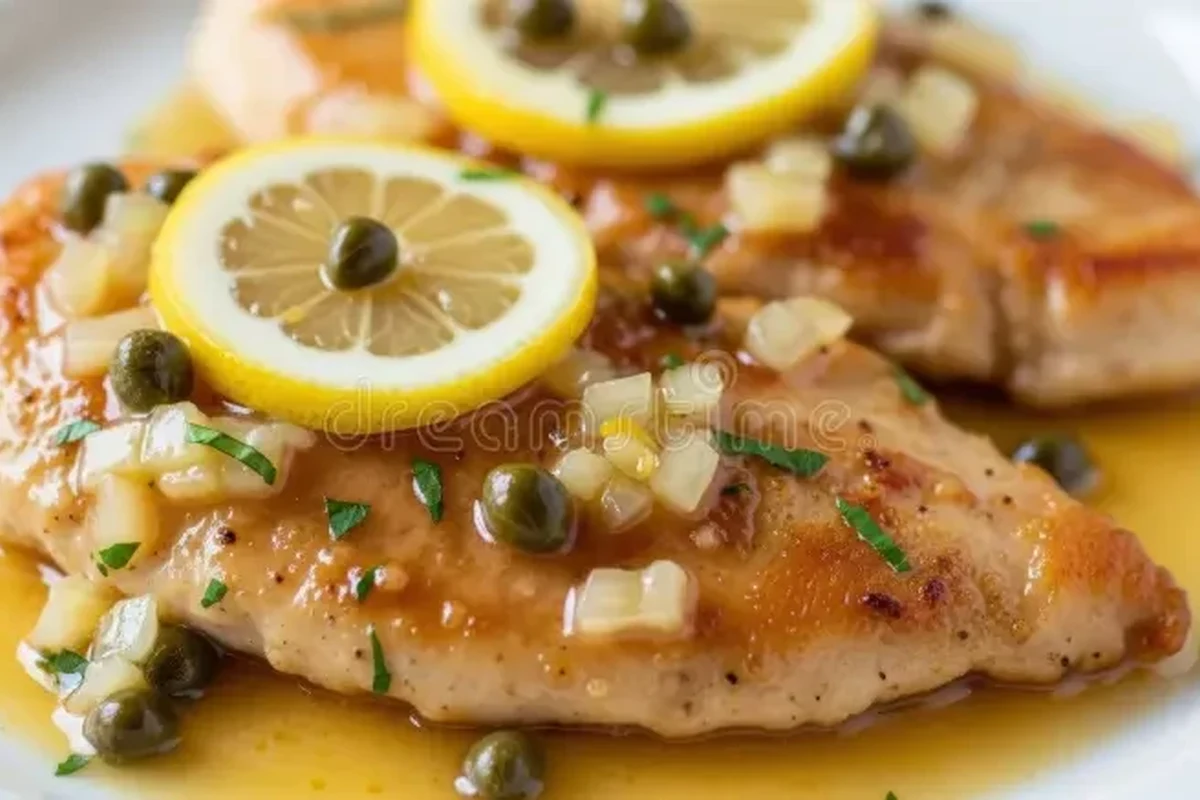
Capers are the salty, briny backbone of the dish. They provide a necessary contrast to the richness of the butter and the brightness of the citrus. Always aim for high-quality, jarred capers. If you find the flavor too intense, you can briefly rinse them, but keeping a bit of the brine adds depth to the pan sauce.
Selecting the Right Dry White Wine for Deglazing
The wine you choose should be one you would enjoy drinking. A dry, crisp white wine like Sauvignon Blanc, Pinot Grigio, or a dry Chardonnay works best. The acidity in these wines is crucial for cutting through the fat in the butter, ensuring the sauce doesn’t feel overly heavy on the palate.
Why Fresh Lemon Juice Outperforms Bottled Concentrates
Freshly squeezed lemon juice contains volatile oils and a brightness that bottled versions simply cannot replicate. In 2026, home cooks are increasingly prioritizing fresh, seasonal produce to ensure the cleanest flavor profile. If lemons aren’t available, local limes can be used, though they will shift the profile toward a more tropical, sharper acidity.
Butter vs. Oil: Achieving the Perfect Emulsified Consistency
The secret to a velvety sauce is the addition of cold, unsalted butter at the very end of the process. While olive oil is used for the initial sear, it doesn’t provide the same creamy texture. By whisking in cold butter cubes off the heat, you create an emulsion that binds the wine and lemon juice into a cohesive, luxurious coating.
The Master Piccata Sauce Recipe: A Step-by-Step Guide
- Ensure your butter is chilled; warm butter will separate rather than emulsify.
- Have your lemon juice measured and ready before you start the deglazing process.
- Use a wide skillet to allow for proper evaporation of the wine.
After removing your seared chicken or fish from the pan, leave the browned bits (the fond) behind.
Pour in the white wine and use a wooden spoon to scrape up the fond. Let it reduce by half to concentrate the flavor.
Stir in the fresh lemon juice and capers, allowing the mixture to simmer for a minute.
Remove the pan from the heat. Add the cold butter, one tablespoon at a time, whisking constantly until the sauce is creamy and thick.
Doneness and Safety Cues: When the Sauce is Ready
The sauce is ready when it reaches a “nappé” consistency—meaning it is thick enough to coat the back of a spoon. If you are serving this over poultry, ensure the meat has reached a safe internal temperature of 165°F (74°C) as verified by a food thermometer before spooning the sauce over the top.
Beyond Chicken: How to Adapt Your Piccata Sauce
Protein Pairings: From Veal and Fish to Tofu
While chicken is the classic choice, this sauce is incredibly versatile. It pairs beautifully with delicate white fish like tilapia or snapper, and even firm tofu. For those who enjoy variety, you might find that adapting your sauce style is as rewarding as experimenting with a Belizean chicken tacos recipe to suit different weeknight moods.
Vegetarian and Vegan Substitutions for Dairy-Free Piccata
To make a dairy-free version, use a high-quality plant-based butter alternative or a small amount of extra virgin olive oil whisked with a splash of vegetable stock to create body. While the texture may vary slightly from dairy butter, the flavor profile remains vibrant.
Common Mistakes and Troubleshooting Your Sauce
- Whisk in cold butter off the heat.
- Use dry white wine for the best balance.
- Adding butter while the pan is on high heat, which causes it to melt into oil rather than emulsify.
- Using pre-juiced lemon, which lacks essential aromatic oils.
If your sauce is too acidic, add an extra tablespoon of butter. If it is too salty, add a splash of chicken or vegetable stock to dilute the concentration.
Buying Guide: Sourcing the Best Ingredients in Belize
In Belize, sourcing the right ingredients can be a fun culinary challenge. While “Non-Pareil” capers are the standard for their small size and delicate flavor, you may find larger “Capote” varieties in local markets. Both work well, though you may want to chop the larger ones. When it comes to citrus, look for fresh, thin-skinned limes if lemons are scarce, as they provide a similar acidic punch. For wine, choose a dry, un-oaked white; avoid anything labeled “cooking wine,” as the high sodium content can ruin the delicate balance of the sauce.
Safe Handling, Storage, and Reheating Best Practices
Store any leftover sauce in an airtight container in the refrigerator for no more than 2-3 days. Reheat gently over low heat, whisking constantly to prevent the emulsion from breaking.
The Value of the Piccata Technique in Your Kitchen
Mastering this sauce technique is a foundational skill that proves you don’t need complex ingredients to create a sophisticated meal. It is a reliable, fast, and elegant solution for any night of the week. Much like the comfort of a well-prepared Belizean BBQ chicken recipe, the piccata technique offers a predictable, high-reward result that makes home cooking feel like a special occasion.
Common Questions
The secret is emulsifying cold butter into the deglazed pan sauce off the heat to create a smooth, velvety consistency.
Yes, local limes can be used, though they offer a sharper, more tropical acidity compared to the milder profile of lemon.
A dry, crisp white wine such as Sauvignon Blanc or Pinot Grigio provides the best acidity to balance the richness of the butter.
If the sauce separates, remove it from the heat and whisk in a small amount of cold butter or a splash of water to help re-emulsify it.
The sauce itself is naturally gluten-free, provided you do not use flour to thicken it and ensure your ingredients are not cross-contaminated.
Frequently Asked Questions
Yes, you can substitute the wine with a high-quality chicken or vegetable stock mixed with a squeeze of extra lemon juice. The result will be less complex but still provides the necessary acidity.
The sauce usually breaks because the butter was added while the pan was too hot. Always remove the pan from the heat and whisk in cold butter cubes to maintain the emulsion.
Non-pareil capers are preferred for their small size and delicate texture. If you only have larger capote capers, chop them roughly before adding to the sauce.
It is best served immediately after preparation to maintain the texture. If you must store it, keep it in the fridge and reheat very gently over low heat, whisking constantly.
Yes, provided it is stored promptly in an airtight container in the refrigerator and consumed within 2-3 days. Always ensure it is reheated to a safe temperature.
The sauce should have a ‘nappé’ consistency, meaning it coats the back of a spoon smoothly. It should be light and buttery rather than heavy or gluey.