Frozen Chicken Breast Pressure Cooker

Cooking frozen chicken breast in a pressure cooker is a safe and convenient method that bypasses the need for thawing. Simply add liquid, set to high pressure, and ensure the meat reaches an internal temperature of 165°F.
Cooking a frozen chicken breast in a pressure cooker is an efficient, safe way to prepare a protein-packed meal without the need for advance thawing. By utilizing high-pressure steam, you can achieve tender results that are ready for shredding, dicing, or serving whole in just a fraction of the time required by traditional methods.
- Safety First: Always verify that the chicken reaches 165°F (74°C) using a food thermometer.
- Liquid Ratio: Use at least one cup of liquid to help the cooker reach pressure safely.
- Natural Release: Allow a 10-minute natural pressure release to keep the meat moist and tender.
- Avoid Clumping: Separate frozen breasts before starting to ensure even heat distribution.
Can You Cook Frozen Chicken Breast in a Pressure Cooker? The Definitive Guide
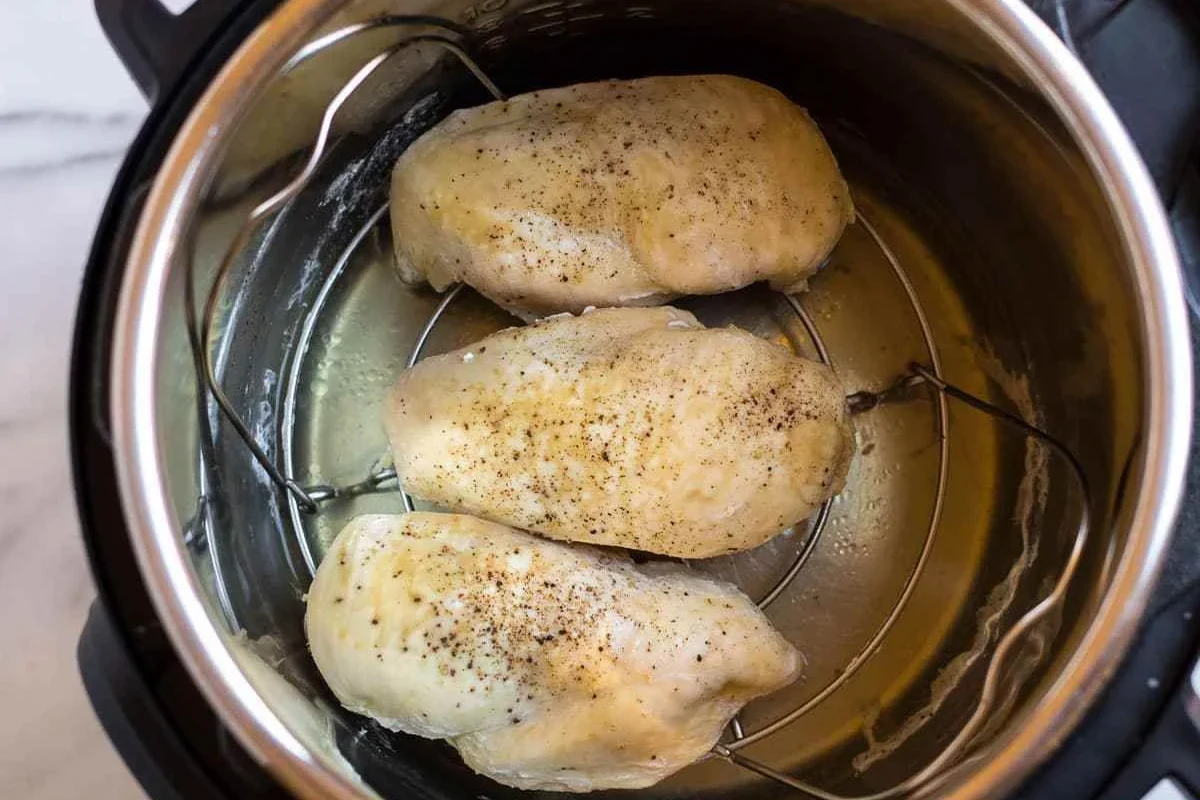
The short answer is yes; modern electric pressure cookers are designed to handle frozen poultry effectively. When life gets busy and you have forgotten to move meat from the freezer to the refrigerator, the pressure cooker acts as a reliable backup plan. However, success depends on understanding how temperature transition affects texture and safety.
Why the Pressure Cooker is a Game-Changer for Frozen Chicken

The Science of Pressure Cooking Frozen Proteins
Pressure cooking works by trapping steam, which raises the boiling point of water and forces heat into the food more rapidly than conventional methods. When cooking frozen chicken, the appliance first spends extra time bringing the temperature up to the necessary pressure point. This “thawing phase” is integrated into the cooking cycle, ensuring the chicken reaches safe internal temperatures without drying out the exterior.
Time-Saving Benefits for the Modern Home Cook
For those balancing work and family, the ability to bypass the overnight thaw is invaluable. While you must add a few extra minutes to the total cycle, the process is entirely hands-off. In 2026, as kitchen technology continues to evolve, these devices remain a staple for efficient meal prep, often working faster than an air fryer chicken thighs setup for larger, denser cuts of meat.
Always ensure your chicken breasts are not frozen into a solid, impenetrable block. If they are stuck together, run them under cool water for a few seconds just until they can be separated; cooking them individually ensures even heat distribution.
Essential Equipment: Choosing the Right Pressure Cooker
Size and Capacity Considerations for Batch Cooking
When cooking frozen items, you should never overfill your pot. A 6-quart or 8-quart cooker is ideal for standard family meals. Always respect the “Max Fill” line, as frozen chicken may release more liquid than thawed chicken during the initial heating phase.
Material and Sealing: Ensuring Safety and Efficiency
A high-quality stainless steel inner pot is preferred for its durability and even heat conduction. Ensure your sealing ring is clean and properly seated before each use; a compromised seal will prevent the unit from reaching full pressure, leading to unevenly cooked or rubbery meat.
Step-by-Step: How to Cook Frozen Chicken Breast Perfectly
Flavor Infusions: Ingredients and Seasoning Strategies
Best Liquid Bases for Succulent Results
Water is the baseline, but using broth, coconut milk, or a splash of citrus juice adds depth. Since the chicken releases its own juices during the pressure-cooking process, avoid overly salty broths if you plan to reduce the remaining liquid into a glaze later.
Dry Rubs and Aromatics: Timing Your Seasoning
Apply dry rubs directly to the frozen surface. While the spices won’t penetrate as deeply as they would on thawed meat, they will create a flavorful crust. If you prefer a more intense flavor profile, consider adding fresh garlic, ginger, or herbs to the liquid base.
Food Safety and Quality: What You Must Know
According to the USDA, poultry must reach an internal temperature of 165°F (74°C) to be considered safe. Always use a digital meat thermometer inserted into the thickest part of the breast to verify doneness.
Troubleshooting: Common Issues and How to Fix Them
Why Your Chicken Turned Out Dry or Rubbery
Overcooking is the primary cause of dry chicken. Because frozen meat takes longer to reach pressure, it is easy to over-estimate the cook time. If your chicken is rubbery, try reducing the cook time by 2 minutes next time or increase the natural release duration.
Handling Uneven Cooking and “Frozen Clumps”
If you find that your chicken is cooked on the outside but still icy in the center, it is likely because the breasts were stuck together. For best results, use a trivet to elevate the chicken slightly, allowing the steam to circulate underneath and around the meat.
Storage and Reheating: Maximizing Your Meal Prep
Once cooked, store chicken in airtight containers in the refrigerator for up to 3–4 days. To maintain texture when reheating, add a small splash of water or broth to the container and warm it gently in the microwave or on the stovetop. This approach works exceptionally well if you are preparing components for a Belizean chicken tacos recipe.
The BelizeanRecipe Verdict: Is It Worth It?
When to Rely on Frozen Chicken vs. Fresh
Frozen chicken in a pressure cooker is an excellent solution for “emergency” dinners or last-minute meal prep. While fresh chicken often provides better texture for searing or grilling, the convenience of the pressure cooker method is hard to beat for shredded applications like salads, soups, or tacos.
- Always use at least one cup of liquid to reach pressure.
- Prioritize a natural pressure release for 10 minutes to lock in moisture.
- Verify an internal temperature of 165°F for food safety.
- Separate frozen breasts before cooking to ensure even heat.
Common Questions
Yes, frozen chicken requires extra time for the pressure cooker to build heat and thaw the meat before the actual cooking phase begins.
Yes, you can place frozen breasts directly into the inner pot, provided you include the required amount of cooking liquid.
Chicken broth, water, or even a light sauce are all excellent choices that provide the necessary steam to cook the meat.
The texture may be slightly different; pressure-cooked frozen chicken is best suited for recipes that require shredded or diced meat.
Yes, apply your dry rubs or aromatics directly to the frozen surface before sealing the pot for better flavor infusion.
Frequently Asked Questions
Yes, it is safe as long as the chicken reaches a minimum internal temperature of 165°F (74°C). The pressure cooking process is efficient at bringing frozen meat to a safe temperature quickly.
Typically, frozen chicken breasts require 10–15 minutes on high pressure, depending on their size and thickness. Always use a meat thermometer to confirm they have reached 165°F.
Using a trivet helps keep the chicken out of the liquid, which can help with even cooking and prevent the bottom from overcooking. It is highly recommended if you want the best texture.
It is better to cook vegetables separately or add them after the chicken is finished. Vegetables often cook much faster than chicken and may turn to mush if pressure-cooked for the full duration.
If the chicken is not fully cooked, reseal the pressure cooker and cook for an additional 2–3 minutes. Ensure you have enough liquid in the pot to maintain pressure.
Store leftover chicken in an airtight container in the refrigerator for 3–4 days. For longer storage, you can freeze the cooked chicken for up to 3 months.