Bbq Chicken Thigh Recipes Oven

Oven-baked BBQ chicken thighs are best cooked on a wire rack at 400°F (200°C) until tender, followed by a brief broil to caramelize the sauce. Always use a meat thermometer to ensure the chicken reaches a safe internal temperature of 165°F (74°C).
Achieving that signature smoky, sticky, and charred BBQ flavor doesn’t require a backyard grill. By mastering specific oven techniques, you can produce tender, flavorful chicken thighs right in your own kitchen, perfect for a 2026 home-cooked meal.
- Temperature Control: Always bake at 400°F to ensure fat renders and skin crisps.
- Moisture Management: Use a wire rack over your baking sheet to prevent soggy skin.
- Safety First: Confirm an internal temperature of 165°F using a digital thermometer.
- Glazing Timing: Apply BBQ sauce only in the final minutes to avoid burning the sugars.
The Ultimate Guide to Oven-Baked BBQ Chicken Thighs: Belizean-Inspired Flavor
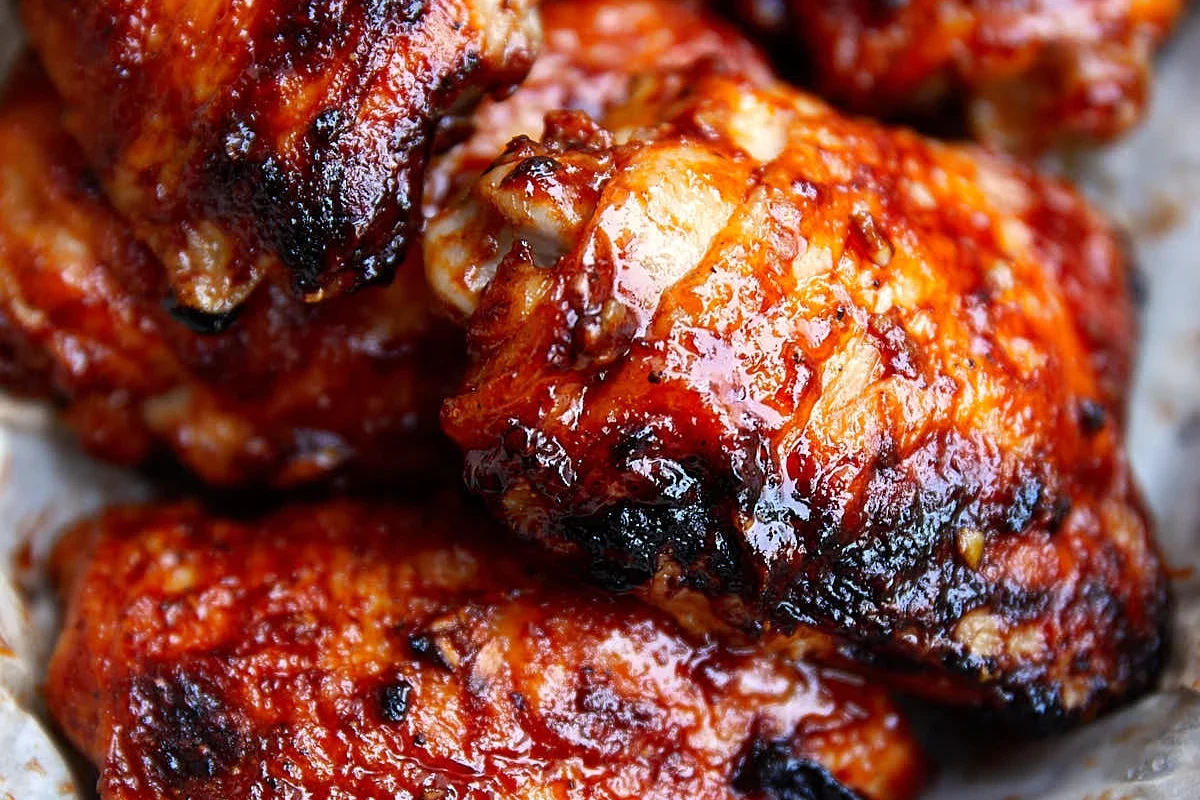
In Belize, barbecue is more than just a method; it is a celebration of bold spices and deep, caramelized glazes. While traditional Belizean BBQ chicken recipe methods often rely on open-flame pits, the home oven is a versatile tool capable of replicating that same depth of flavor. Whether you are looking to simplify your weekly meal prep or want to bring a taste of the Caribbean to your dinner table, oven-roasting chicken thighs offers a reliable and stress-free solution.
What Makes Oven-Baked BBQ Chicken Thighs a Kitchen Essential
Why Thighs Outperform Breasts for Oven Roasting
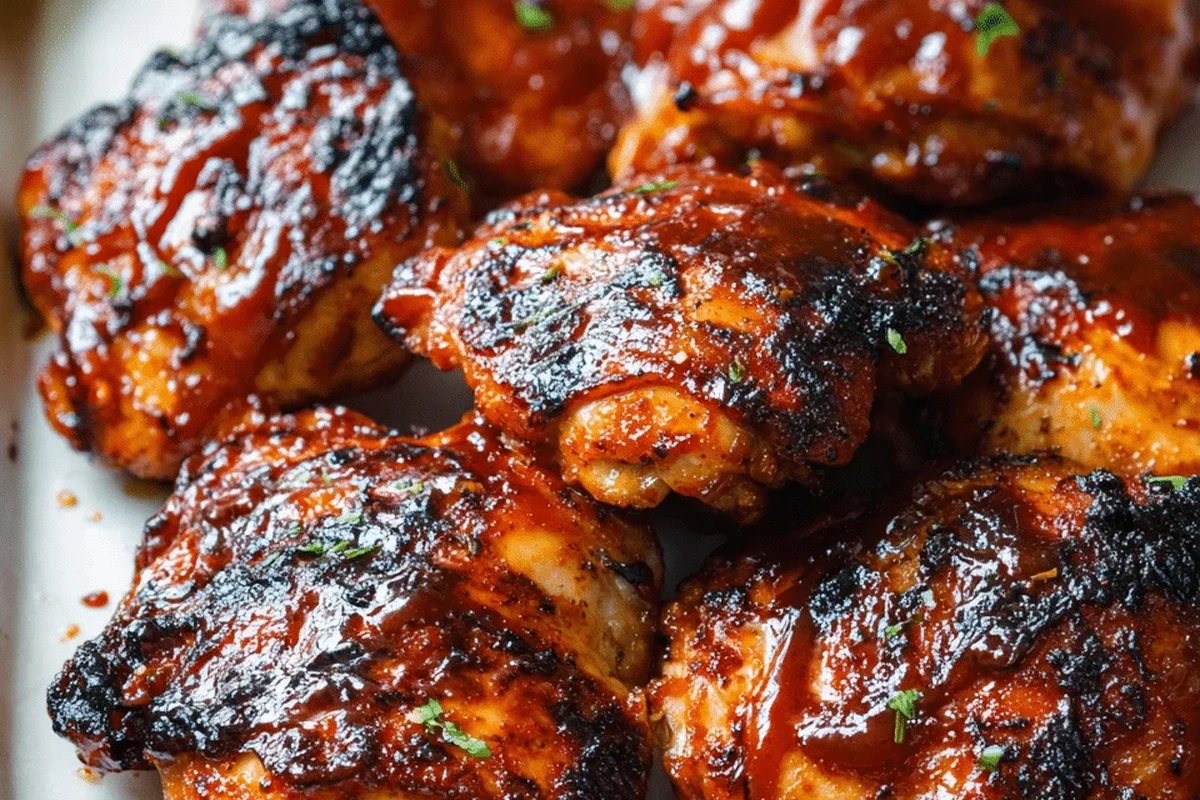
Chicken thighs are the ideal candidate for oven roasting because they contain a higher fat content than breasts. This fat renders during the cooking process, basting the meat from the inside out. This makes them far more forgiving; even if they remain in the oven a few minutes past their prime, they stay succulent rather than turning dry and stringy.
The Science of Achieving Charred Flavor Without a Grill
Grilling provides char through direct contact with high heat and smoke. In an oven, you mimic this via the Maillard reaction—a chemical reaction between amino acids and reducing sugars that gives browned food its distinctive flavor. By utilizing high heat and a final blast under the broiler, you can achieve that sought-after sticky, slightly charred exterior without needing a charcoal setup.
For the best results in any oven, ensure your chicken is at room temperature for about 15 minutes before baking. This promotes even cooking and prevents the outer skin from over-browning before the center reaches a safe internal temperature.
Selecting Your Ingredients: Building the Perfect Belizean BBQ Profile
Choosing the Right Chicken Thighs: Bone-in vs. Boneless
Bone-in, skin-on thighs are the gold standard for flavor and texture. The bone helps regulate internal temperature, while the skin crisps up beautifully under the broiler. Boneless, skinless thighs cook significantly faster but lack the structural integrity and fat rendering that provide the “classic” BBQ experience.
The Essential Spice Rub: Aromatics and Heat
A great rub is the foundation of flavor. Start with a base of brown sugar for caramelization, smoked paprika for depth, garlic powder, onion powder, and a touch of salt and black pepper. To lean into the Belizean style, consider adding a pinch of ground allspice or a dash of cumin to provide an earthy, aromatic undertone.
Selecting the Best BBQ Sauce: Balancing Sweet, Tangy, and Smoky
The sauce should complement the rub, not overpower it. Look for a sauce that balances acidity (vinegar or tomato) with sweetness (molasses or honey). If you find your store-bought sauce is too sweet, whisk in a teaspoon of lime juice or apple cider vinegar to brighten the profile.
Mastering the Technique: How to Bake BBQ Chicken Thighs to Perfection
Step-by-Step Cooking Method for Oven-Roasted Success
Pat the thighs completely dry with paper towels to ensure the skin can crisp up rather than steam.
Apply your dry rub generously, ensuring it gets under the skin and into the crevices of the meat.
Place the thighs on a wire rack over a baking sheet at 400°F (200°C) for 25–30 minutes until mostly cooked through.
Brush your chosen BBQ sauce over the chicken, coating it evenly.
The Secret to Caramelization: Using the Broiler Technique
Once the chicken is nearly cooked, it is time for the final touch. Move the oven rack to the top position and switch the oven to “Broil.” Watch the chicken closely for 3–5 minutes. The sugars in the sauce will bubble and caramelize, creating that signature sticky BBQ finish. Do not walk away during this step; sugar burns very quickly.
Essential Equipment for Consistent Results
Bakeware Selection: Sheet Pans vs. Baking Dishes
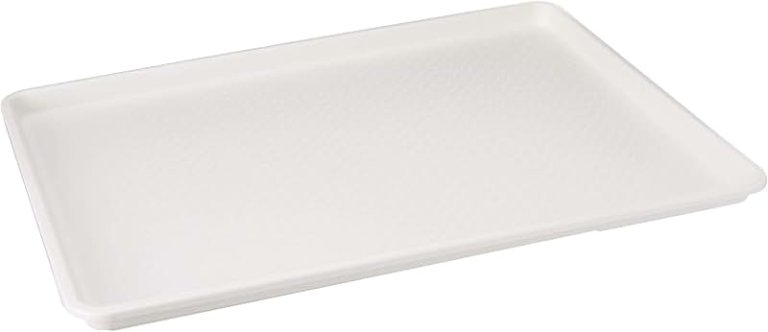
Using a rimmed sheet pan with a wire cooling rack is superior to using a glass baking dish. The rack allows hot air to circulate under the chicken, preventing the bottom of the thigh from sitting in its own juices, which leads to soggy skin.
Why You Need a Digital Meat Thermometer
Visual cues can be misleading. According to USDA food safety standards, chicken must reach an internal temperature of 165°F (74°C) to be considered safe. A digital thermometer is the only way to ensure the meat is cooked safely without accidentally overcooking it.
Common Mistakes and How to Avoid Them
- Pat skin dry thoroughly
- Use a wire rack
- Check temperature with a probe
- Applying sauce too early
- Crowding the pan
- Ignoring the broiler
The Soggy Skin Trap: Moisture Control Tips
Soggy skin usually happens because of trapped steam. If you don’t have a wire rack, ensure you are not overcrowding the pan, as this causes the chicken to release too much moisture at once, essentially steaming the meat instead of roasting it.
Overcooking and Drying Out the Meat
Even though thighs are forgiving, they can still become tough if left in the oven for too long. Set a timer for the minimum recommended bake time and check the temperature early if your oven runs hot.
Preventing Sauce Burning During the Baking Process
Never apply BBQ sauce at the beginning of the roasting process. The high sugar content in most sauces will burn long before the chicken is cooked through. Wait until the final 5–10 minutes of cooking to apply your glaze.
Food Safety, Storage, and Reheating
Always verify the internal temperature of the thickest part of the thigh, away from the bone. Store leftovers in an airtight container in the refrigerator for no more than 3-4 days.
Expert Reheating Methods to Maintain Texture and Moisture
To reheat, avoid the microwave if possible, as it tends to make the skin rubbery. A toaster oven or a conventional oven set to 350°F (175°C) is best. Add a splash of water to the pan to create a bit of steam, which helps keep the meat moist while the skin regains some of its texture.
Customizing Your Recipe: Substitutions and Variations
Adjusting the Heat: Incorporating Habaneros for a Belizean Kick
If you want an authentic Belizean flair, incorporate a finely minced habanero pepper into your BBQ sauce. Habaneros provide a distinct floral heat that pairs perfectly with the sweetness of molasses or brown sugar.
Healthy Alternatives: Low-Sugar and Gluten-Free Sauce Options
Many bottled BBQ sauces contain high-fructose corn syrup. For a healthier approach, use a tomato paste base combined with apple cider vinegar, smoked paprika, and a natural sweetener like monk fruit or stevia. Always double-check ingredient labels if you are managing gluten sensitivities, as some Worcestershire sauces or soy-based additives in BBQ sauces may contain wheat.
Final Recommendations for the Perfect 2026 Kitchen Experience
The key to mastering BBQ chicken thighs in the oven is patience with the initial roast and vigilance under the broiler. By using a wire rack to promote airflow and relying on a digital thermometer for safety, you can achieve a professional-quality result in your own kitchen. Whether you keep the seasoning simple or lean into spicy Caribbean influences, the process remains a staple for any home cook throughout 2026 and beyond.
Common Questions
Use the broiler for the final few minutes of cooking to caramelize the sugars in your BBQ sauce.
Bone-in, skin-on thighs provide better flavor and are more forgiving during the roasting process.
No, keep the chicken uncovered to allow the skin to crisp and the sauce to set properly.
Yes, you can roast the chicken partially and finish it with sauce and broiling just before serving.
Thighs are naturally fatty and resist drying out, but using a thermometer ensures you pull them at the perfect internal temperature.
Frequently Asked Questions
Yes, you can use boneless thighs, but they will cook faster than bone-in pieces. Reduce the initial roasting time by about 5-10 minutes and monitor carefully.
Use a wire rack set inside a rimmed baking sheet. This allows air to circulate underneath the chicken, preventing it from sitting in its own juices.
Only apply the sauce during the final 5-10 minutes of cooking. The sugar in the sauce will char quickly, so keep a close eye on it under the broiler.
Leftover chicken should be stored in an airtight container in the refrigerator and consumed within 3 to 4 days for the best quality and safety.
While marinating adds depth, a good dry rub applied 30 minutes before roasting is often sufficient. If you do marinate, ensure you pat the skin dry before baking.
The internal temperature of the chicken must reach at least 165°F (74°C) as measured by a food-safe digital meat thermometer.