Honey and Mustard Chicken Salad

Honey and mustard chicken salad is a nutrient-dense dish that combines tangy mustard with sweet honey to create a perfectly balanced dressing. It is an ideal meal-prep option that stays fresh for days when components are stored correctly.
Honey and mustard chicken salad is a versatile, high-protein dish that balances the tangy heat of mustard with the natural sweetness of honey. In 2026, it remains a favorite for home cooks looking for a quick, nutrient-dense meal that transitions perfectly from a light lunch to a satisfying dinner.
- Emulsion: Whisk mustard, honey, and vinegar well before slowly drizzling in oil for a stable.
- Safety: Always cook chicken to an internal temperature of 165°F to ensure food safety.
- Texture: Keep components separate until serving to prevent the greens from wilting.
- Customization: Add tropical fruits or toasted seeds to elevate the flavor and texture profile.
What is Honey and Mustard Chicken Salad: A Belizean Fusion Perspective
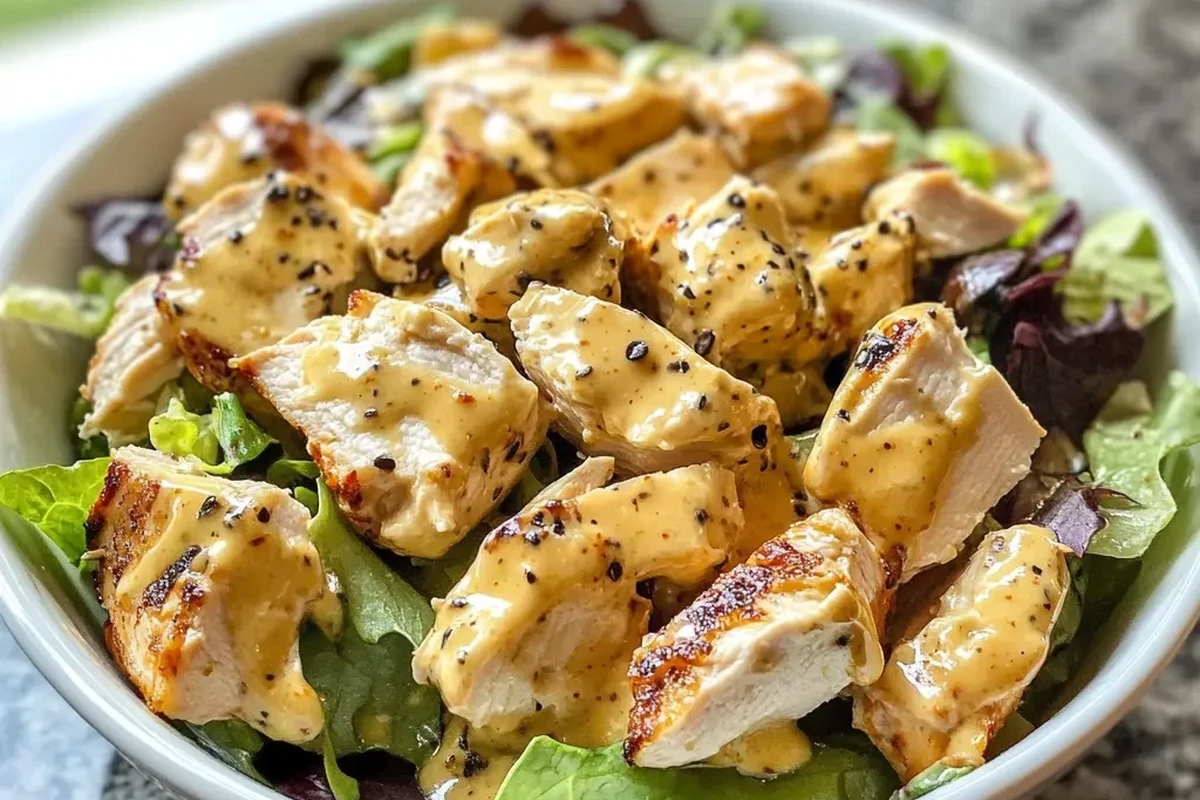
At its core, this salad is a study in texture and flavor contrast. While the classic version is a staple in many kitchens, a Belizean-inspired approach invites the incorporation of local staples, such as fresh lime juice for an extra acidic punch or even a hint of habanero for those who enjoy a subtle heat. The dish brings together crisp, fresh greens, succulent poultry, and a dressing that coats every leaf with a balanced, emulsified glaze.
Why This Dish is Perfect for Your 2026 Meal Rotation
As we navigate the demands of 2026, efficiency in the kitchen is paramount. This salad is highly adaptable for meal prep; you can roast a large batch of chicken at the start of the week and assemble the salad in minutes. It serves as an excellent canvas for seasonal produce, allowing you to swap out ingredients based on what is available at the market, ensuring your meals never feel stagnant.
To keep your meal prep fresh, store the dressing in a separate container and toss the greens only when you are ready to serve. This prevents the vegetables from wilting prematurely.
The Essential Ingredient Guide for the Perfect Honey Mustard Dressing
The dressing is the soul of this dish. Because it relies on so few ingredients, the quality of each component is vital to the final result.
Choosing the Right Mustard: Dijon vs. Stone-Ground
Dijon mustard provides a sharp, clean heat and a smooth consistency, making it the gold standard for a creamy emulsion. If you prefer a more rustic texture and a slightly milder flavor profile, stone-ground mustard is an excellent alternative. It adds visible texture to the dressing and a more complex, earthy taste that pairs beautifully with grilled chicken.
Selecting Quality Honey and Acid Balance
The honey acts as a natural sweetener, but it also provides the necessary viscosity to help the dressing cling to the salad ingredients. For the acid, apple cider vinegar is the traditional choice, but fresh lemon or lime juice can add a brighter, more vibrant note. Always taste as you go; the goal is to find the “sweet spot” where the honey tempers the acidity of the mustard and vinegar without becoming cloying.
Mastering the Chicken: Techniques for Succulent Results
Dry, overcooked chicken is the primary reason many people avoid chicken salads. Achieving a tender texture requires attention to both the cooking method and the post-cooking rest.
Pan-Seared vs. Grilled: Which Method Suits Your Kitchen
Pan-searing in a heavy-bottomed skillet allows for a golden-brown crust that adds a savory depth to the dish. Grilling, conversely, imparts a smoky aroma that complements the sweetness of the honey-mustard glaze. Both methods are effective, provided you monitor the heat level to prevent the outside from charring before the center is cooked through.
Ensuring Food Safety: Internal Temperature and Resting Periods
According to USDA guidelines, all poultry must be cooked to a minimum internal temperature of 165°F (74°C). Use a digital meat thermometer to verify this in the thickest part of the breast or thigh. Always let the chicken rest for at least 5-10 minutes before slicing to allow the juices to redistribute.
Step-by-Step Recipe: The Ultimate Honey and Mustard Chicken Salad
Ingredients List for the Home Cook
For the chicken, you will need boneless, skinless breasts or thighs, olive oil, salt, and black pepper. The dressing requires Dijon mustard, raw honey, apple cider vinegar, and a neutral oil like grapeseed or avocado oil for the emulsion. For the salad base, use a mix of hearty greens like romaine, arugula, or baby spinach, complemented by cherry tomatoes, cucumbers, and thinly sliced red onions.
The Assembly Process: Layering Flavors and Textures
Whisk the mustard, honey, and vinegar together, then slowly drizzle in the oil while whisking constantly until the mixture is thick and glossy.
Season the chicken and sear or grill until it reaches an internal temperature of 165°F. Rest the meat, then slice into bite-sized strips.
Place the greens in a large bowl, add the vegetables, and top with the warm chicken. Drizzle with the dressing just before serving to maintain the crunch of the vegetables.
Common Mistakes to Avoid When Making Chicken Salads
Preventing Soggy Greens and Overcooked Poultry
Soggy greens usually result from over-dressing or adding the dressing to hot chicken. Let the chicken cool slightly before placing it on the greens. If you are preparing this for later, keep all components separate in airtight containers.
Balancing the Emulsion: Troubleshooting Broken Dressings
If your dressing “breaks” or separates, it usually means the oil was added too quickly. You can often fix this by placing a teaspoon of fresh mustard in a clean bowl and slowly whisking the broken dressing into it, essentially starting the emulsion over.
Customizing Your Salad: Substitutions and Belizean-Inspired Additions
Healthy Alternatives for Dietary Restrictions
For those looking for lower-sugar options, you can reduce the honey or swap it for a touch of maple syrup or a dash of stevia. If you are avoiding dairy, ensure your mustard brand is free from additives. Those on a gluten-free diet should verify that their mustard and vinegar are certified gluten-free, as some varieties can contain trace amounts.
Adding Tropical Flair: Fruits and Crunchy Toppings
- Add diced mango or pineapple for a tropical sweetness that pairs perfectly with honey mustard.
- Incorporate toasted pumpkin seeds or cashews for a satisfying, nutrient-dense crunch.
- Add sliced avocado for creaminess without the need for heavy cheese or dairy.
Storage, Freshness, and Food Safety Best Practices
Store cooked chicken in the refrigerator for no more than 3 to 4 days. If the chicken develops an off-odor or changes texture, discard it immediately. Keep your dressing in a glass jar in the refrigerator; it will stay fresh for up to one week, though you may need to whisk it again before use as it may thicken when cold.
Reheating Tips for Leftover Chicken
If you prefer your chicken warm in the salad, reheat it gently in a pan with a splash of water or broth to prevent it from drying out. Avoid using the microwave if possible, as it tends to make chicken rubbery.
Final Verdict: Why Honey and Mustard Chicken Salad Remains a Kitchen Staple
The honey and mustard chicken salad is a balanced, reliable, and endlessly customizable dish that justifies its place in any 2026 home kitchen. By mastering the emulsion of the dressing and ensuring the chicken is cooked to a safe, succulent temperature, you create a meal that satisfies both the need for convenience and the desire for high-quality, fresh flavors. Whether you keep it traditional or add a tropical twist, this salad remains a top choice for balanced, efficient eating.
Frequently Asked Questions
Yes, chicken thighs are often more flavorful and forgiving when cooking. Just ensure they reach the safe internal temperature of 165°F.
The homemade dressing can be stored in an airtight container in the refrigerator for up to one week. Whisk it well before serving.
Store the dressing separately and only add it to the greens right before serving. Also, ensure the cooked chicken has cooled slightly before adding.
Absolutely. Prep the chicken and dressing in advance and store them separately. Assemble the greens and vegetables on the day you plan to eat.
Yes, provided the chicken was cooked to 165°F and refrigerated within two hours of cooking. Consume within 3-4 days.
Toasted nuts, seeds like sunflower or pumpkin, and even crispy chickpeas add great texture without overpowering the dressing.