Caesar Salad Dressing Without Mayonnaise

Making Caesar dressing without mayonnaise relies on a classic emulsion of fresh egg yolks, high-quality oil, and lemon juice. This method provides a significantly more refined and savory flavor than store-bought alternatives.
Making a Caesar salad dressing without mayonnaise is a culinary technique that prioritizes fresh emulsification over pre-packaged convenience. By using raw egg yolks and high-quality oil, you can achieve a sophisticated, authentic flavor profile that elevates any garden-fresh salad in your 2026 home kitchen.
- Emulsion science: Whisking egg yolks and oil slowly creates a stable, creamy texture.
- Quality matters: Use fresh garlic, high-quality Parmesan, and real anchovies for the best flavor.
- Food safety: Always use pasteurized eggs and keep the finished product refrigerated.
- Troubleshooting: If the dressing separates, slowly whisk it into a new, fresh egg yolk.
What is Mayonnaise-Free Caesar Dressing and Why It Works
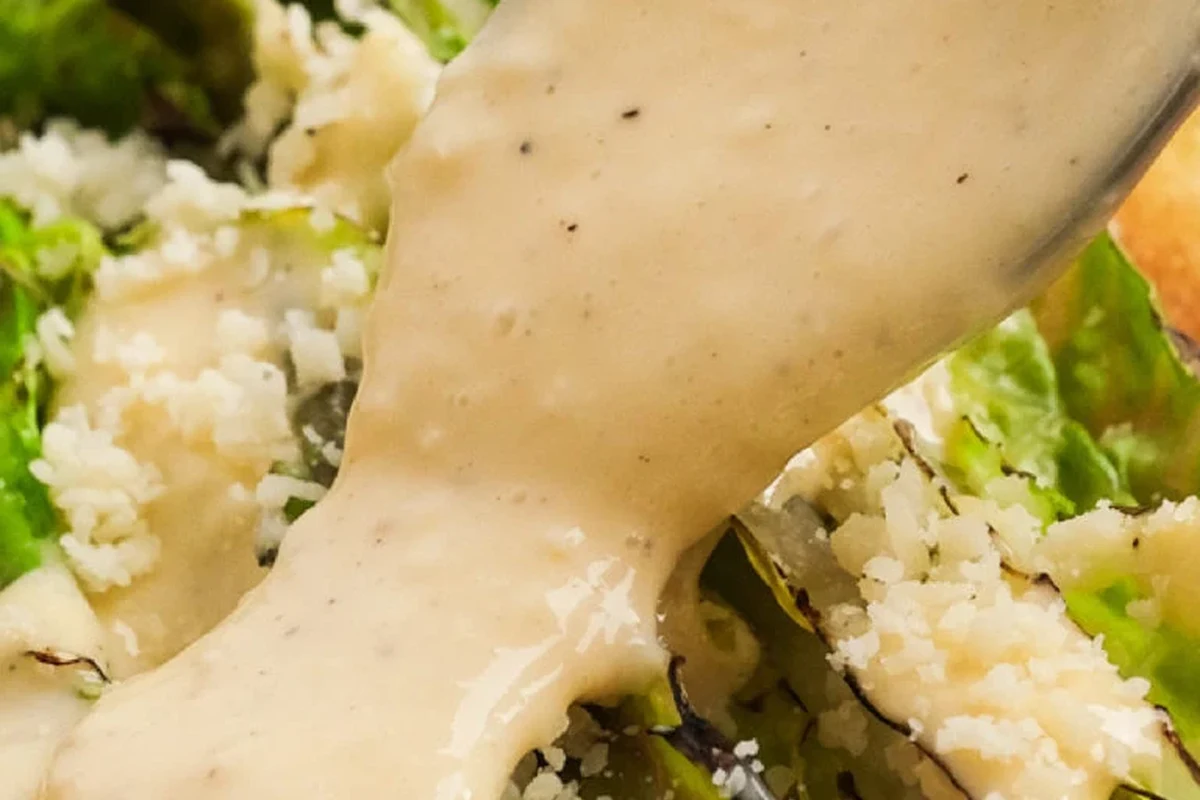
Traditional Caesar dressing is fundamentally an emulsion—a delicate suspension of fat and liquid. While many commercial versions rely on mayonnaise as a shortcut to achieve thickness, the original method builds that structure from the ground up using fresh ingredients. This approach results in a cleaner, more vibrant taste that highlights the punchy characteristics of garlic, anchovy, and lemon.
The Evolution of the Classic Emulsion
The history of the Caesar dressing is rooted in simplicity. Before mayonnaise became a staple pantry item, cooks relied on the natural emulsifying properties of egg yolks. When whisked vigorously with oil, the yolks trap tiny droplets of fat, creating a creamy texture without the vinegar-heavy, stabilizers-laden profile often found in jarred mayo-based dressings.
Who This Recipe Fits: Dietary Needs and Flavor Preferences
Requires patience with whisking but uses simple, accessible ingredients.
Ideal for those looking to eliminate processed preservatives from their diet.
Perfect for mastering the delicate science of oil-in-yolk emulsification.
The Science of the Emulsion: Key Ingredients for Success
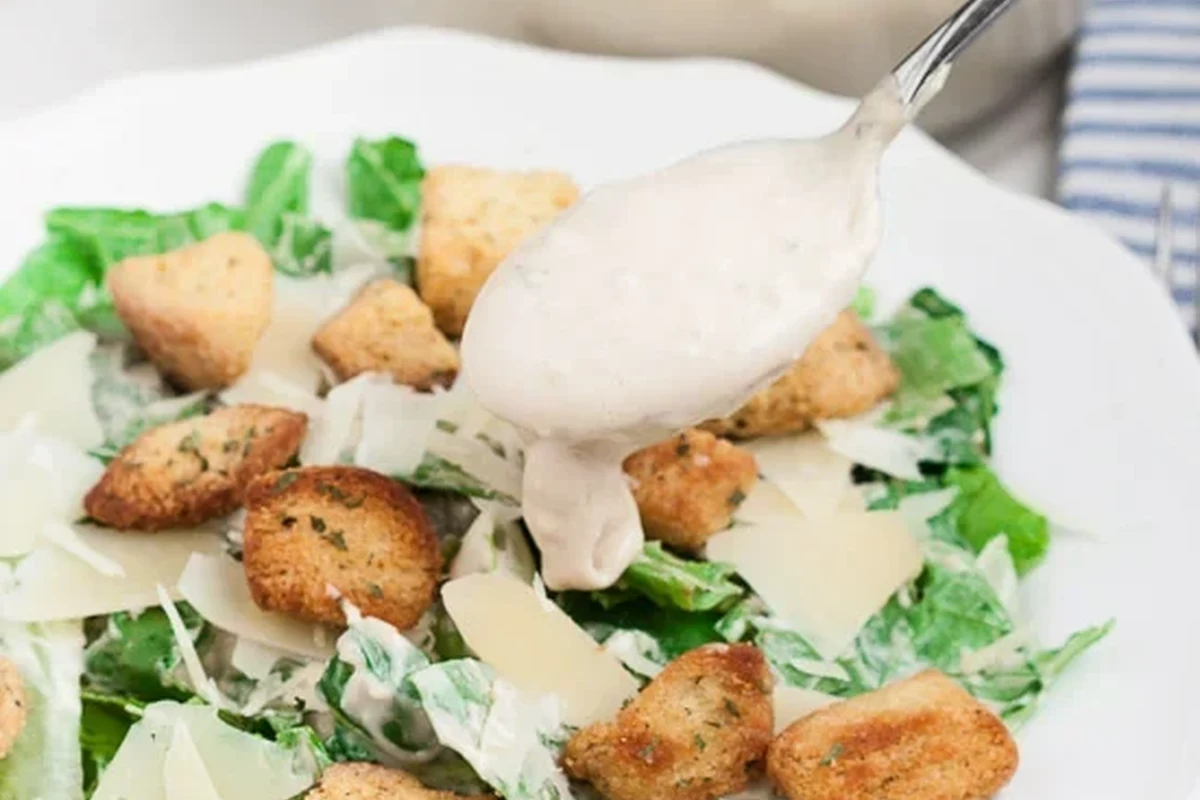
The Role of Olive Oil and Egg Yolks
Egg yolks contain lecithin, a natural emulsifier that bridges the gap between water-based ingredients like lemon juice and oil-based ingredients. Using a neutral oil combined with a high-quality extra virgin olive oil provides the best balance of structure and flavor. Avoid using only extra virgin olive oil, as its strong flavor can sometimes become bitter when vigorously whisked.
Achieving That Signature Tang: Anchovies, Garlic, and Lemon
The “bite” of a Caesar dressing comes from a careful balance of acidity and umami. Anchovies provide a deep, savory foundation that is essential to the authentic profile. Freshly minced garlic adds sharpness, while fresh-squeezed lemon juice cuts through the richness of the egg and oil.
The Importance of High-Quality Parmesan or Pecorino
Cheese is not just a garnish; it is a structural component of the dressing. Finely grated, aged cheese adds saltiness and helps thicken the final mixture. Always grate your cheese finely to ensure it integrates smoothly into the emulsion rather than leaving gritty chunks.
Step-by-Step: How to Make Caesar Dressing from Scratch
Combine egg yolks, minced garlic, finely mashed anchovy fillets, and lemon juice in a medium bowl.
Begin whisking the yolk mixture while slowly adding oil, drop by drop at first, to initiate the emulsion process.
Once the mixture begins to thicken, you can increase the oil flow slightly. Finish by folding in the grated cheese and black pepper.
Real-Kitchen Benefits: Why You Should Skip the Store-Bought Mayo
Using mayonnaise as a shortcut often masks the nuanced flavors of the garlic and anchovies. By preparing the dressing from scratch, you gain full control over the salt levels and acidity. Furthermore, you avoid the stabilizers, thickeners, and sugar often found in mass-produced mayonnaise, leading to a cleaner, more refined salad experience.
Common Mistakes and Troubleshooting Your Dressing
If your dressing appears thin or oily, it has likely “broken.” This occurs when the oil is added too quickly, preventing the lecithin in the egg yolk from bonding with the fat. To fix a broken dressing, place a fresh egg yolk in a clean bowl and slowly whisk the broken mixture into the new yolk, effectively restarting the emulsion process.
Food Safety and Raw Egg Handling
Consuming raw or undercooked eggs may increase your risk of foodborne illness. Always use pasteurized eggs if you are concerned about raw handling, and keep the finished dressing refrigerated at or below 40°F (4°C) at all times.
Storage, Shelf Life, and Serving Suggestions
Homemade dressing lacks the preservatives found in store-bought versions, meaning it has a shorter shelf life. Store your dressing in an airtight container in the coldest part of your refrigerator. It is best consumed within 24 to 48 hours for optimal quality and safety.
If you have leftover dressing, it works excellently as a creamy dip for fresh crudité or as a spread for crusty sandwiches.
Final Verdict: Elevating Your Salad Game
Moving away from mayonnaise-based dressings is a transformative step for any home cook. While it requires a bit more technique and focus than simply opening a jar, the resulting depth of flavor is unmatched. For those who appreciate the classic, pungent, and savory profile of a true Caesar, the effort is well worth the time. Start with high-quality ingredients, focus on your whisking technique, and you will find that your homemade version becomes the standard by which all other salads are measured.
Frequently Asked Questions
Yes, you can use Greek yogurt or silken tofu as a base, though the flavor and texture will differ significantly from the traditional egg-yolk emulsion.
Purchase pasteurized eggs from your local grocery store to significantly reduce the risk of salmonella. Always store them properly and check for any signs of spoilage before use.
Separation usually happens when oil is added too quickly. Ensure you add the oil in a thin, steady stream while whisking constantly to maintain the emulsion.
For the best flavor and food safety, store your homemade dressing in an airtight container for no more than 48 hours.
You can substitute anchovies with a dash of Worcestershire sauce or capers to maintain that signature savory, salty depth.
Extra virgin olive oil can be quite pungent. It is often better to use a blend of half light olive oil and half extra virgin to balance the flavor profile.