Vent Hood Cabinet: Design, Safety, and Selection Guide 2026

A vent hood cabinet is a specialized kitchen housing unit designed to conceal a ventilation insert while maintaining a cohesive, seamless look across your cabinetry. It serves as the bridge between functional air purification and high-end kitchen design, ensuring that your cooking space remains free of smoke and grease without disrupting the visual flow of your wall-mounted storage.
- Aesthetic Integration: Hides ventilation components for a seamless, furniture-grade finish.
- Insert Compatibility: Requires a specific range hood insert designed for cabinet housing.
- Safety First: Must maintain proper clearance from the cooktop to prevent fire hazards.
- Material Selection: Must be constructed or lined with heat-resistant materials.
- Performance Matters: Ensure the housing accommodates a blower with sufficient CFM for your cooking style.
What Is a Vent Hood Cabinet and Do You Need One for Your Kitchen?
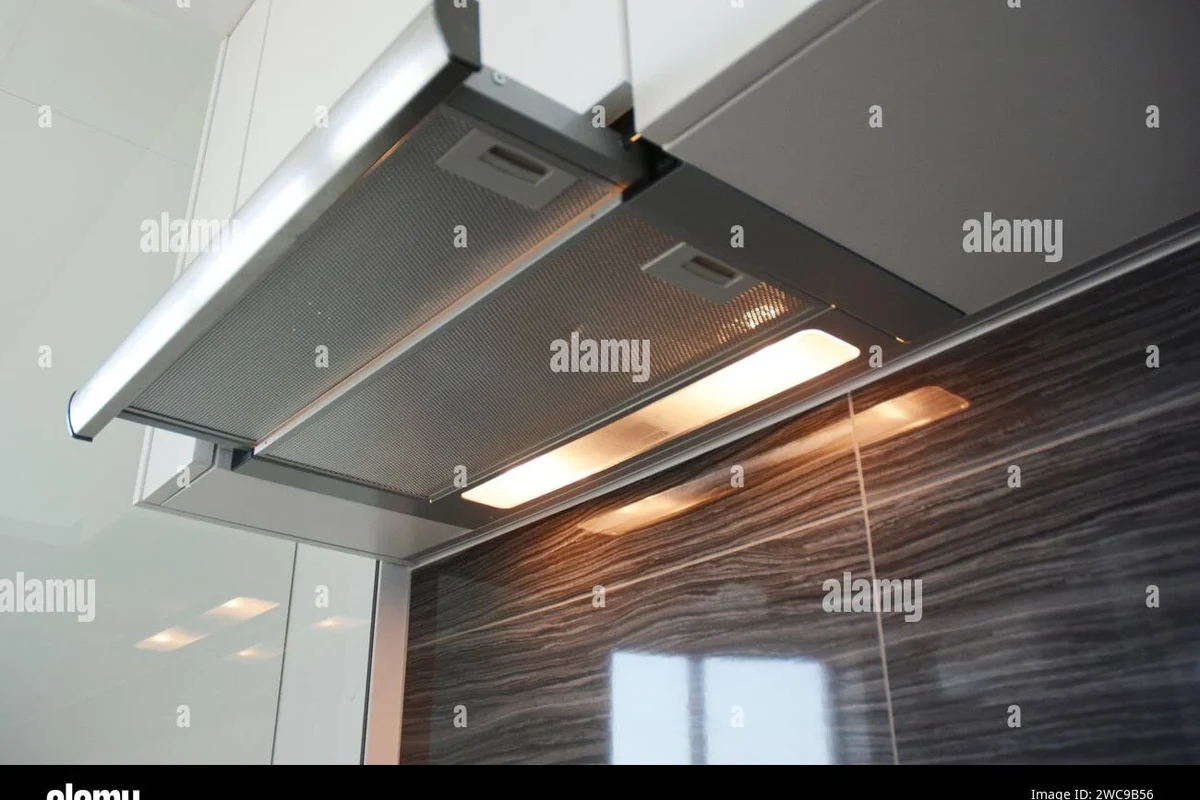
In modern kitchen design, the “vent hood cabinet” is more than just a box; it is a structural component that hides the mechanical guts of your range hood. While basic kitchens might use a standalone stainless steel chimney or an under-cabinet hood, a vent hood cabinet is typically built to match your existing kitchen millwork. This allows the ventilation system to blend into the room, making it an ideal choice for homeowners who prefer a clean, minimalist, or traditional aesthetic.
You need one if you prioritize a seamless, custom-built appearance. If your kitchen layout features wall-to-wall cabinetry, an exposed metal hood can sometimes feel like an interruption. By integrating the hood into a matching cabinet, you create a focal point that feels intentional and architectural.
Understanding the Role of Vent Hood Cabinets in Modern Kitchen Ventilation

Ventilation is a non-negotiable safety and comfort feature in any kitchen. The vent hood cabinet acts as the chassis for your ventilation system, providing the necessary depth and width to house powerful blowers, filters, and lighting components.
How Vent Hood Cabinets Integrate with Range Hood Inserts
The cabinet itself is usually a “shell.” Inside, you install a range hood insert (or “power pack”). This insert contains the fan motor, controls, and grease baffles. The cabinet must be sized specifically to accommodate the insert’s footprint, ensuring the blower has enough space to pull air effectively while still allowing for easy access to the filters for routine cleaning. Vent Hood Cabinet
The Core Purpose: Balancing Aesthetics with Air Quality
The primary conflict in kitchen design is often between form and function. A vent hood cabinet resolves this by allowing you to choose the highest-performing ventilation insert available—regardless of its appearance—and masking it behind a finish that complements your kitchen’s style. Whether your kitchen is rustic, modern, or transitional, the cabinet facade can be customized with molding, paint, or wood grain to match your surrounding decor.
Key Decision Criteria: Choosing the Right Cabinet for Your Cooking Style
Material Considerations: Durability and Heat Resistance
Because these cabinets sit directly above a heat source, material selection is critical. While wood is the most common aesthetic choice, it must be properly treated or lined with fire-resistant materials. Many cabinets are constructed with stainless steel liners or heat-shielding inserts to protect the woodwork from long-term exposure to high heat and grease accumulation.
Sizing and Clearance: Ensuring Proper Airflow and Safety
Clearance is a matter of both performance and safety. Standard kitchen codes usually require a minimum distance between the cooktop and the bottom of the cabinetry. If the vent hood cabinet is mounted too low, the heat may damage the cabinet finish or pose a fire risk; if it is mounted too high, the hood will lose its ability to effectively clear smoke and odors.
Real-Kitchen Benefits: Why Designers Prioritize Hidden Ventilation
Seamless Integration: Achieving a Custom Cabinetry Look
Designers love the vent hood cabinet because it creates a “furniture-grade” look. By extending the line of the cabinets across the range, the kitchen feels larger and more cohesive. It eliminates the “choppy” visual effect that occurs when a metal hood breaks up a continuous run of upper cabinets.
Maximizing Storage Efficiency in Compact Kitchens
In smaller kitchens, space is at a premium. A well-designed vent hood cabinet can sometimes incorporate small shelves or “spice nooks” on the flanking sides, provided they are kept well away from the direct heat and grease path of the cooktop.
Common Mistakes When Selecting and Installing Vent Hood Cabinets
Overlooking CFM Requirements for High-Heat Cooking
A beautiful cabinet is useless if the insert inside is underpowered. If you frequently cook with high-heat methods like searing or stir-frying, you need a high Cubic Feet per Minute (CFM) rating. Ensure your cabinet is designed to house a blower system that matches your cooking habits, not just your kitchen’s aesthetic.
Ignoring Material Compatibility with Heat and Grease Exposure
Avoid using porous materials or finishes that are difficult to scrub. Grease will inevitably migrate toward the cabinet face. If the material is not heat-rated or is prone to warping, you will see premature degradation of the cabinet finish within a few years. Vent Hood Cabinet
- Use heat-resistant finishes
- Install a metal liner inside the cabinet
- Check CFM for your burner output
- Installing too close to flames
- Using non-washable decorative trim
- Ignoring vent ducting requirements
Safety, Maintenance, and Care Guidelines for Long-Term Performance
Maintenance is the secret to a long-lasting vent hood setup. Grease buildup is a fire hazard and can cause the motor to labor, leading to premature failure. Regularly cleaning the baffle filters—typically once a month—is essential. For the cabinet exterior, use a gentle degreaser that is safe for your specific wood or paint finish.
Limitations and Alternatives: When a Cabinet Housing Isn’t the Best Fit
Comparing Enclosed Cabinets vs. Exposed Stainless Steel Hoods
If you prefer a professional-grade kitchen aesthetic, an exposed stainless steel hood is often better. It is easier to clean, inherently fire-resistant, and often features more powerful, heavy-duty blowers. The choice between a cabinet-housed hood and an exposed hood often comes down to whether you want your kitchen to look like a specialized workspace or a seamless living space.
Budget-Friendly Alternatives for Open-Concept Kitchens
If a custom cabinetry hood is outside your budget for your 2026 renovation, consider an under-cabinet hood with a simple stainless steel finish. It provides the necessary ventilation without the high cost of custom carpentry or specialized cabinet fabrication.
Final Recommendation: Is a Vent Hood Cabinet Right for Your 2026 Kitchen Reno?
A vent hood cabinet is the perfect choice for homeowners who value a unified, high-end look and are willing to invest in a quality ventilation insert. It effectively hides the “mechanical” look of a vent while protecting your kitchen’s air quality. If you are planning a 2026 renovation that prioritizes design cohesion, this is an excellent investment. However, if your budget is tight or you prioritize heavy-duty industrial cooking, an exposed stainless steel hood may offer better performance and easier maintenance at a lower price point.
Common Questions
It is a custom or pre-fabricated cabinet shell designed to hide a range hood insert while matching your kitchen’s overall cabinetry design.
Yes, you must use a range hood insert (or power pack) specifically designed to be mounted inside a cabinet structure.
They are safe when installed according to manufacturer clearance specifications and equipped with a heat-resistant liner or shield.
Measure your cooktop width and ensure the hood is at least as wide, then follow the manufacturer’s height clearance guidelines for your specific range.
Maintenance involves cleaning the baffle filters inside the insert regularly and wiping the exterior with a grease-cutting cleaner safe for your cabinet finish.
Frequently Asked Questions
No, you must use a ‘vent hood insert’ or ‘power pack’ specifically designed for cabinet mounting. These are built to fit within the dimensions of a cabinet and typically include a mounting flange for secure attachment.
Clean the exterior with a mild degreaser suitable for your cabinet’s finish. For the interior insert, remove the baffle filters and soak them in hot, soapy water or run them through the dishwasher if the manufacturer specifies they are dishwasher-safe.
The height varies based on your cooktop type. Generally, gas ranges require 30 to 36 inches of clearance, while electric ranges may allow for slightly less. Always check the manufacturer’s manual for the specific clearance requirements.
Yes, provided they are installed with the correct clearance and include a non-combustible liner or shield. Never expose raw wood directly to the heat of the cooktop.
Not always. Many manufacturers offer pre-built vent hood cabinets that match standard cabinetry lines. However, a custom cabinet is often required if you have specific sizing or design needs.
The most important factor is ensuring the cabinet can safely house a high-performance ventilation insert that meets your kitchen’s CFM needs. Performance should never be sacrificed for aesthetics.