Alison Roman Matzo Ball Soup Recipe: Tips for Light & Fluffy Dumplings

Alison Roman’s approach to matzo ball soup strips away unnecessary complexity, focusing on a deeply flavorful, clear broth and light, pillowy dumplings that define the modern standard for home-cooked comfort. By prioritizing high-quality fats and proper resting time, this recipe elevates a traditional staple into a refined dish suitable for any season.
- Resting phase: Always refrigerate the batter for at least 30 minutes to ensure optimal texture.
- Handling: Shape the balls gently with wet hands to keep them light and pillowy rather.
- Broth clarity: Maintain a gentle simmer rather than a boil to keep the soup clear and.
- Storage: Keep matzo balls separate from the broth in the refrigerator to prevent them from.
What Makes Alison Roman’s Matzo Ball Soup a Modern Classic?

In the culinary landscape of 2026, home cooks are increasingly drawn to recipes that balance tradition with a streamlined, accessible technique. Alison Roman’s rendition of this classic soup is celebrated because it avoids the “heavy” or “sinking” texture often associated with amateur matzo balls. Instead, it relies on a specific ratio of fat to meal and a deliberate resting phase, resulting in a result that feels both nostalgic and sophisticated. Soup Cups With Lids
Understanding the Philosophy: Why This Recipe Redefines Comfort Food
The Balance of Broth and Texture
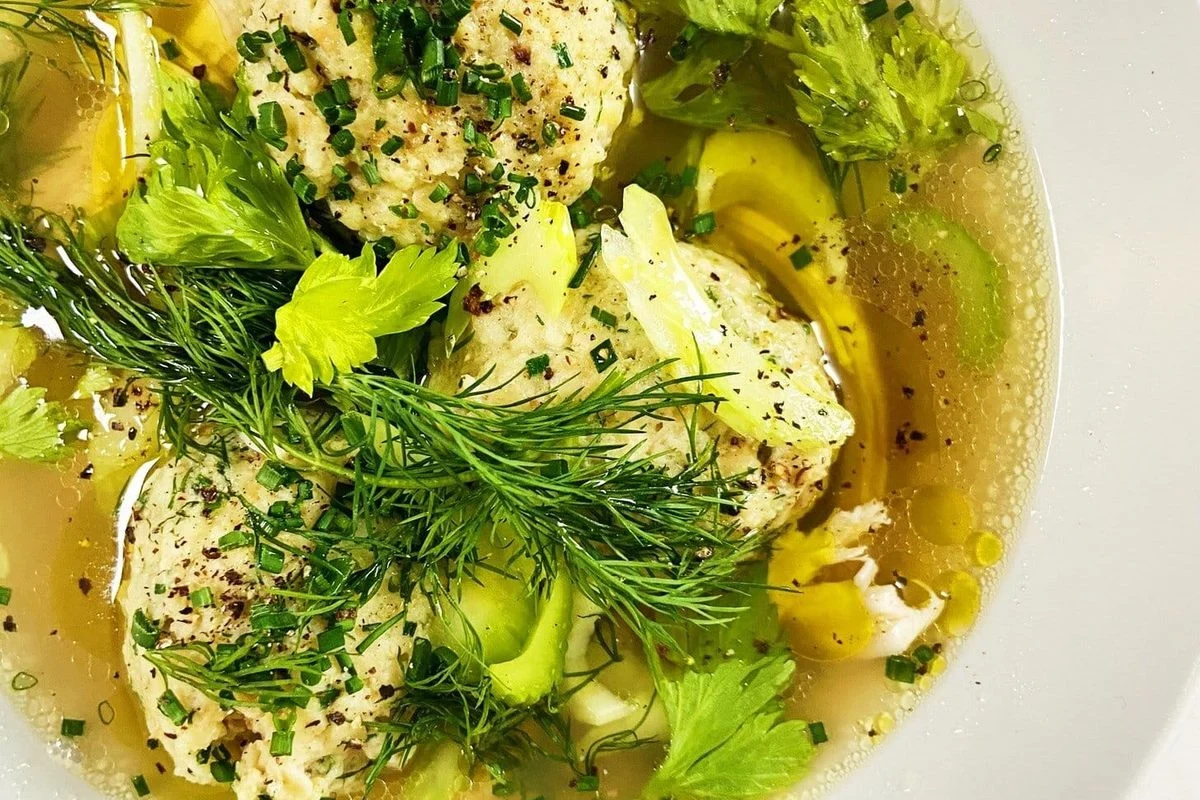
The success of this dish lies in the tension between the golden, aromatic broth and the ethereal lightness of the matzo balls. Rather than treating the dumpling as a dense filler, the recipe treats it as a delicate sponge designed to absorb the essence of the chicken stock. The broth itself is built slowly, ensuring it remains clear rather than cloudy, which provides a clean canvas for the richness of the matzo. Soup Cups With Lids
Who This Recipe Is For: From Home Cooks to Culinary Enthusiasts
Essential Ingredients: Sourcing for the Best Results

The Matzo Meal Debate: Fine vs. Coarse
The texture of the matzo meal significantly dictates the final mouthfeel of the balls. A finer meal typically yields a smoother, more uniform dumpling, while a coarser grain provides a rustic, traditional bite. For those seeking the “classic” experience, a medium grind is often the gold standard, balancing structure with tenderness.
Fat Matters: Schmaltz vs. Butter vs. Oil
Aromatics and Herbs: Building the Foundation of the Broth
The base requires fresh celery, carrots, onions, and high-quality herbs. The goal is to create a broth that is savory but not overwhelmed by woody stems or bitter herbs. Adding fresh dill at the very end of the cooking process preserves its bright, grassy notes.
Step-by-Step Cooking Guide: Mastering the Technique
Achieving the Perfect “Float”: How to Handle Your Matzo Mixture
The Science of the Simmer: Ensuring Clarity and Depth of Flavor
Avoid a rolling boil. A gentle simmer prevents the matzo balls from breaking apart and ensures the broth remains clear. When dropping the batter into the pot, use wet hands to shape them loosely; compressing the mixture too tightly will result in dense, heavy dumplings.
Common Pitfalls and How to Avoid Them
- Use room-temperature eggs for better emulsification.
- Keep the pot covered during the simmer to trap steam.
- Over-mixing the batter, which creates a tough, rubbery texture.
- Adding the balls to a cold broth; ensure it is at a steady simmer first.
Food Safety, Storage, and Reheating Best Practices
The Art of Reheating: Maintaining Texture Without Overcooking
Matzo balls are like sponges. If left in the broth for too long during storage, they will become waterlogged. For the best results, store the matzo balls separately from the broth and combine them only when heating for a meal. Soup Cups With Lids
Substitutions and Customizations for the Modern Kitchen
While the traditional recipe is beloved, modern kitchens often call for flexibility. For a gluten-free adaptation, ensure your matzo meal is certified gluten-free or use an appropriate substitution like almond flour mixed with a binder, though note that the texture will deviate from the original.
Final Verdict: Is This the Ultimate Matzo Ball Soup Recipe?
Frequently Asked Questions
Density is usually caused by over-mixing the batter or compressing the balls too firmly when shaping. Ensure you handle the mixture gently and allow it to rest sufficiently so the dry ingredients hydrate properly.
Yes, butter is a suitable substitute if you prefer a dairy-based fat, though it will change the flavor profile. Schmaltz (rendered chicken fat) provides a more traditional, savory depth.
The batter should rest for at least 30 minutes in the refrigerator. This step is crucial for achieving the correct consistency and ensuring the balls hold their shape during the simmer.
It is best to simmer them in the broth to infuse flavor, but avoid a high boil. If you are preparing a large batch for future use, consider cooking them in salted water separately to keep the broth clear.
The soup can be safely stored in the refrigerator for 3 to 4 days. Keep the matzo balls separate from the broth to prevent them from becoming waterlogged or disintegrating.
You can freeze the broth successfully, but matzo balls generally do not freeze well; their texture often becomes mushy upon thawing. It is best to prepare fresh matzo balls when you are ready to serve.