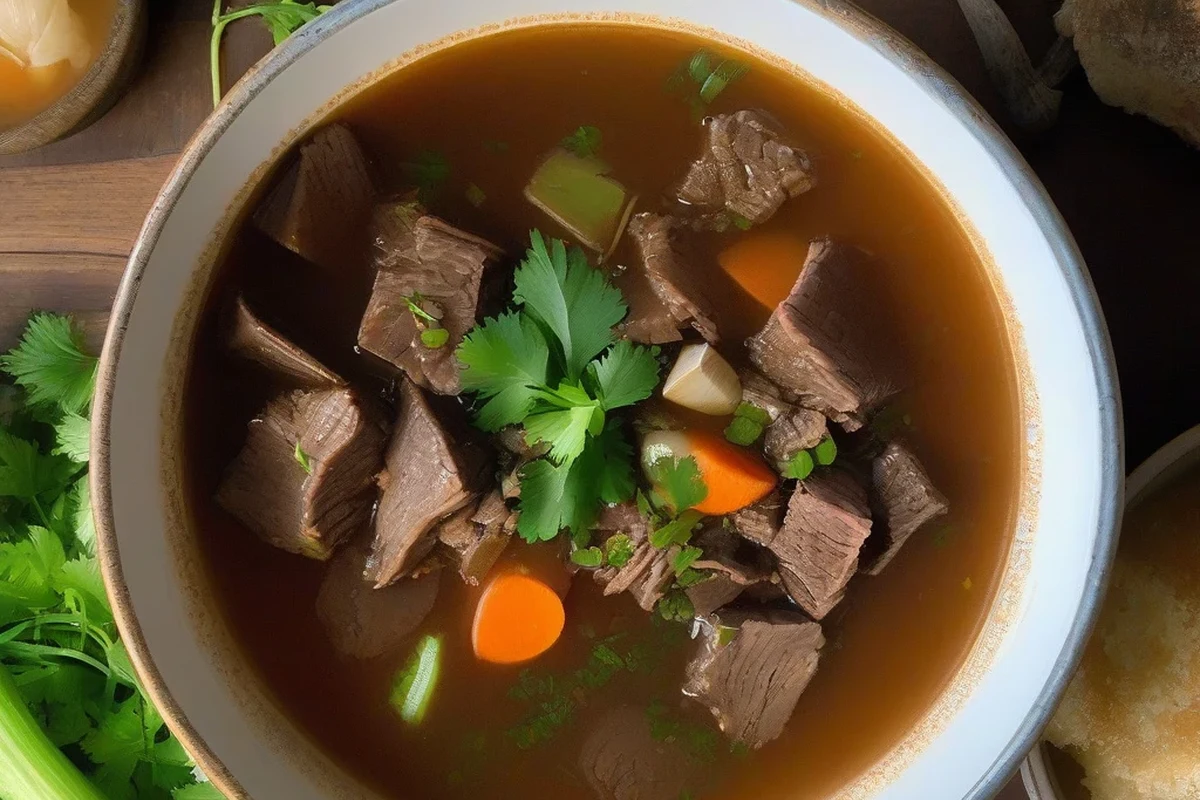
What Is suimono soup? Authentic Japanese Clear Soup Recipe & Guide

Suimono is a traditional Japanese clear soup characterized by its refined, delicate flavor profile and visual elegance. Unlike miso-based soups, suimono relies on a high-quality dashi base, seasoned minimally with salt and a touch of soy sauce to highlight the natural essence of its seasonal ingredients.
- Dashi Quality: Use high-grade kombu and bonito flakes to build a foundation of deep, natural umami.
- Clarity: Never boil the broth or squeeze the bonito flakes, as these actions create cloudiness.
- Seasoning: Keep it minimal with light soy sauce and salt to preserve the soup’s pale.
- Presentation: Use seasonal garnishes (wan-dane) to add texture and visual interest to the bowl.
What is Suimono? Understanding the Essence of Japanese Clear Soup

The Philosophy of Suimono: Simplicity and Clarity
In Japanese culinary tradition, suimono—literally translating to “sipping thing”—is the embodiment of wabi-sabi, the appreciation of beauty in simplicity. The goal of this dish is not to overwhelm the palate but to cleanse and prepare it for the following courses in a meal. The broth must be crystal clear, reflecting the purity of the water and the quality of the ingredients used to create the dashi.
Who Is This Dish For? Perfecting the Art of Fine Dining at Home
Suimono is an ideal project for home cooks who appreciate the nuances of minimalist cooking. It is perfect for those looking to elevate a dinner party menu or those who enjoy the meditative process of preparing a meal where every component serves a specific, intentional purpose.
Key Ingredients: The Building Blocks of Authentic Suimono

Selecting the Right Dashi: The Soul of the Soup
The foundation of suimono is ichiban dashi, or “first broth,” made from kombu (dried kelp) and katsuobushi (dried bonito flakes). Because the liquid is the primary component, the quality of these two ingredients is paramount. In 2026, many specialty retailers offer high-grade, sustainably sourced kombu and bonito that can elevate the depth of your broth. suimono soup
The Importance of Seasonal Garnishes (Wan-dane)
The ingredients placed inside the soup, known as wan-dane, are chosen based on the time of year. A piece of white fish, a shrimp, or a delicate slice of seasonal mushroom (like matsutake in autumn) provides texture and visual appeal. The garnish should be subtle enough to harmonize with, rather than compete with, the dashi.
Balancing Flavor with Salt, Soy Sauce, and Sake
Seasoning for suimono is intentionally light. A tiny amount of light-colored soy sauce (usukuchi shoyu) is used to maintain the color of the broth, while a splash of sake adds a layer of aromatic complexity. Salt is added sparingly to lift the flavors of the dashi without dulling its inherent sweetness.
How to Make Suimono: A Step-by-Step Cooking Guide

Technique: Preparing the Dashi Base Without Clouding
To keep the broth clear, never boil the kombu or the bonito flakes. Simmer the kombu gently and remove it just before the water reaches a boil. Once the bonito is added, steep it briefly and strain the liquid through a fine-mesh cloth or paper filter without squeezing the flakes, as squeezing releases bitter, cloudy particles.
Preparation of Proteins and Vegetables
Proteins like shrimp or fish should be cleaned thoroughly. Blanching these items in a separate pot of hot water before adding them to the final bowl ensures that any surface impurities are removed, keeping your final soup perfectly clear.
The Art of Assembly: Achieving the Perfect Presentation
Place your main protein in the center of a lacquerware bowl. Arrange vegetables or garnishes around it, then gently pour the hot, seasoned dashi over the ingredients. The goal is to create a moment of visual harmony when the lid of the bowl is lifted.
Essential Kitchen Equipment for Suimono
Choosing the Right Pots and Strainers for Clarity
Use a clean, non-reactive pot for the dashi. A fine-mesh strainer lined with a kaeshi cloth or a high-quality paper coffee filter is essential for removing microscopic debris from the bonito flakes.
The Role of Traditional Lacquerware Bowls
Traditional Japanese lacquerware (shikki) isn’t just for aesthetics; it provides excellent insulation, keeping the soup warm while remaining comfortable to hold. The lid also traps the delicate aromas, which are released all at once when the diner opens the bowl. Japanese clear soup
Common Mistakes and Troubleshooting
Why Your Soup Turned Cloudy: Causes and Prevention
Cloudiness is usually caused by boiling the dashi or squeezing the bonito flakes during straining. Ensure your heat remains low, and always use gentle, passive filtration.
Fixing Over-salted or Under-flavored Broth
If the broth is under-flavored, add a small amount of salt or a tiny dash of soy sauce. If it is over-salted, the only effective fix is to dilute it with a small amount of plain, freshly prepared kombu dashi, not water, to maintain the flavor profile.
- Use high-quality, filtered water.
- Strain using a fine-mesh cloth.
- Keep heat low and consistent.
- Boiling the dashi.
- Squeezing the bonito flakes.
- Using dark, aged soy sauce.
Safety, Storage, and Reheating Best Practices
Food Safety: Handling Delicate Seafood and Tofu
Always handle raw seafood with care, maintaining a cold chain until the moment of cooking. Ensure that any fish or shellfish used in suimono is cooked to an internal temperature appropriate for that specific protein to ensure safety.
Storing Your Dashi and Soup Components
Dashi is best consumed immediately. If you must store it, keep the broth and the solid ingredients separate. The broth can be refrigerated for 2–3 days, but the delicate flavor of the kombu and bonito will begin to fade after 24 hours. safe seafood handling
The Proper Way to Reheat Suimono Without Compromising Texture
Reheat the dashi gently on the stove. Never let it reach a vigorous boil, as this will destroy the delicate aromatics. Add the protein and vegetables to the hot broth just before serving to ensure they do not become overcooked or mushy.
Ingredient Substitutions and Adaptations
Vegan and Vegetarian Dashi Alternatives
If you prefer a vegan version, use a kombu-only dashi or incorporate dried shiitake mushrooms for added umami. A blend of these two provides a deep, savory base that rivals the traditional bonito-based version.
Finding Suitable Replacements for Traditional Garnishes
If specific Japanese vegetables are unavailable, use seasonal ingredients that offer similar textures, such as thinly sliced daikon, baby bok choy, or tender snap peas. The core requirement is that the garnish should not impart strong flavors or colors that might cloud the soup.
The Value of Suimono in a Balanced Meal
Nutritional Benefits and Digestive Advantages
Suimono is inherently low in calories and fat, making it a light start to a meal. The umami-rich dashi stimulates the palate, while the warmth of the liquid is soothing for digestion.
Final Recommendation: Elevating Your Culinary Repertoire
Mastering suimono is an exercise in patience and precision. By focusing on the quality of your water, the gentleness of your heat, and the freshness of your seasonal ingredients, you can create a dish that is as beautiful to look at as it is rewarding to consume. It is the perfect centerpiece for a thoughtfully planned 2026 dinner menu.
Frequently Asked Questions
While you can prepare the dashi ahead of time, suimono is best served fresh. For the best flavor and texture, assemble the components and add the hot broth immediately before serving.
To maintain clarity, never boil your dashi and strain it through a fine-mesh cloth without squeezing the bonito flakes. Adding blanched ingredients prevents surface impurities from clouding the soup.
It is not recommended. Regular soy sauce is too dark and will ruin the signature clear, pale color of the suimono broth. Use light-colored or ‘usukuchi’ soy sauce for the best results.
If the dashi develops a sour smell, becomes slimy, or shows any signs of mold, discard it immediately. Always store dashi in the refrigerator and use it within 2-3 days.
Suimono is very light, low in calories, and contains no added fats. It is a traditional, palate-cleansing start to a meal that relies on natural umami from kombu and fish.
You will need a medium pot, a fine-mesh strainer, and a high-quality cloth filter or coffee filter. Traditional lacquerware bowls are recommended to help maintain the soup’s temperature.