Dried Veggies for Soup: Best Mixes, Tips & How to Use Them

Dried vegetables serve as an essential pantry staple for home cooks, offering a shelf-stable way to add depth, nutrition, and convenience to soups and stews. By rehydrating perfectly in simmering broths, these ingredients bridge the gap between long-term storage and fresh-tasting culinary results.
- Convenience: Eliminates the need for peeling and chopping, saving significant time.
- Shelf Stability: Offers a long-lasting pantry solution that reduces food waste.
- Liquid Management: Remember that dried vegetables absorb excess water, so adjust broth amounts accordingly.
- Quality Check: Always inspect for moisture or mold to ensure food safety before adding to the.
Dried Veggies for Soup: The Ultimate Guide to Pantry-Ready Nutrition
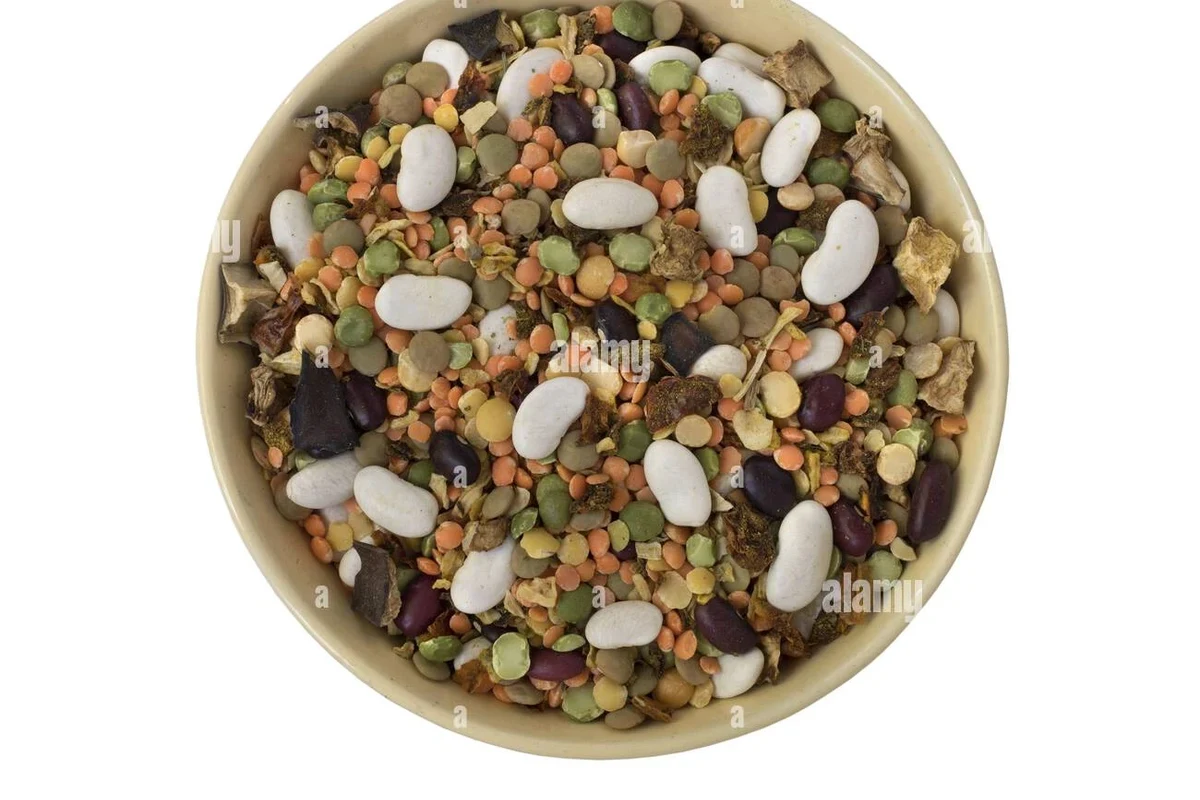
In the world of soups and stews, the foundation is rarely just about the liquid; it is about the aromatic base and the textural complexity of the vegetables. Dried soup vegetables—a blend of dehydrated carrots, onions, celery, bell peppers, and sometimes leafy greens or legumes—provide a reliable solution for busy days when fresh produce is unavailable or has reached the end of its lifespan. As we look toward the 2026 home-cooking landscape, the shift toward minimizing food waste while maintaining high nutritional standards makes these items more relevant than ever.
The Process: Dehydration vs. Freeze-Drying Explained
It is important to understand that not all dried vegetables are processed the same way. Dehydration typically involves circulating warm air to remove moisture, which can slightly alter the texture and color of the produce. Freeze-drying, by contrast, removes moisture through sublimation while the product is frozen. This method generally preserves the cell structure better, leading to faster rehydration and a closer approximation to the original fresh state. For soups, both methods work well, though freeze-dried options often retain a “fresher” bite. Dried Veggies for Soup
Who Benefits Most from Using Dried Soup Vegetables?
These ingredients are ideal for anyone looking to streamline their daily kitchen routine. Whether you are a meal-prepper managing a tight schedule or a home cook building an emergency food supply, dried vegetables remove the labor-intensive peeling and chopping phases of soup making. They are especially useful in remote settings where fresh market access is limited, ensuring you always have the components for a hearty meal at your fingertips.
Key Criteria for Choosing High-Quality Dried Soup Mixes
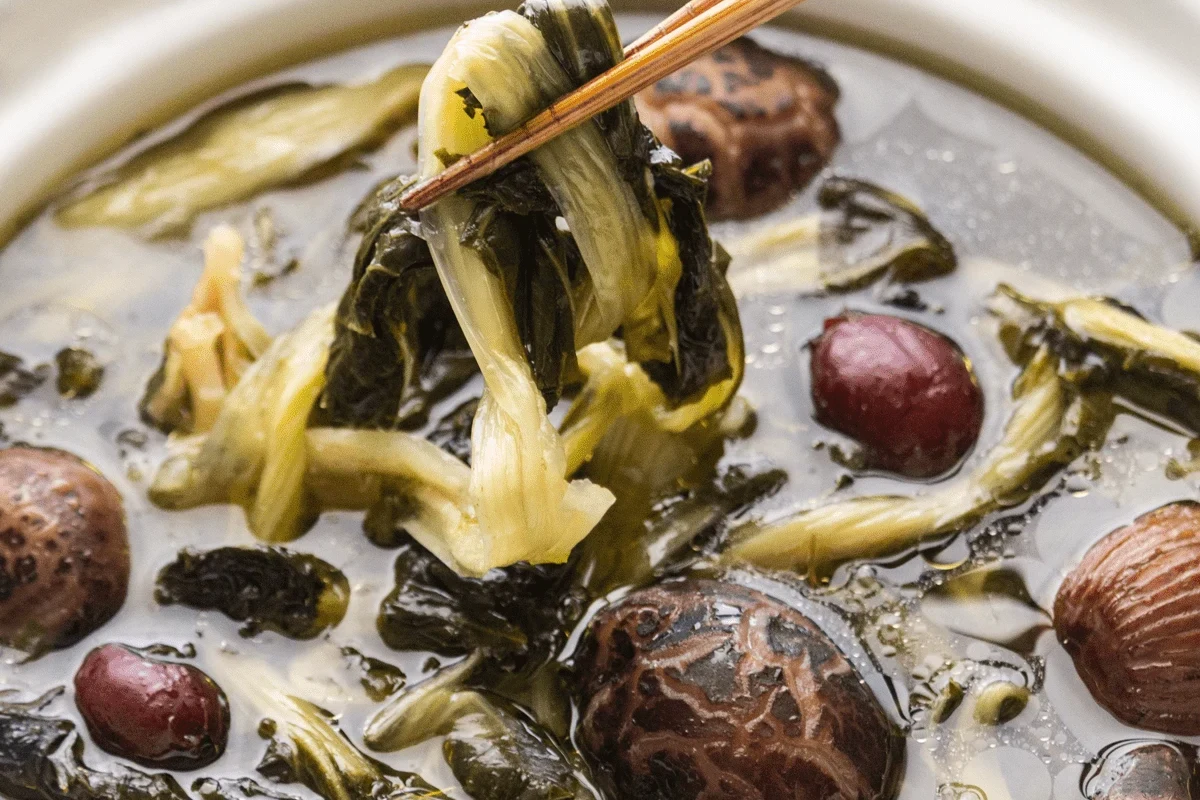
Not every store-bought mix is created equal. To ensure your soup remains a highlight of your meal, you must evaluate the product based on several technical factors.
Texture and Rehydration Expectations
The goal is a vegetable that softens without turning into mush. Higher-quality mixes generally contain uniform cuts. If the pieces are too small, they may disintegrate during a long simmer. If they are too large, they may remain tough in the center. Always check the packaging for recommended soak times if the recipe requires very short cooking. Dried Veggies for Soup
Nutritional Integrity: Keeping the Vitamins Intact
Dehydration is generally a gentle process, but extreme heat can degrade certain vitamins. Look for products that indicate low-temperature drying processes. While some nutrient loss is inevitable compared to raw produce, most reputable manufacturers ensure that the fiber and mineral content remain stable, making these a solid choice for maintaining a balanced diet.
Common Ingredients to Look For vs. Additives to Avoid
The best mixes are single-ingredient or simple blends of vegetables. Avoid products that list “hydrolyzed vegetable protein” or excessive sodium as primary fillers. While some salt is expected for preservation, you want the flexibility to season your soup to your own taste preferences.
Real-Kitchen Benefits: Convenience Meets Belizean Culinary Traditions
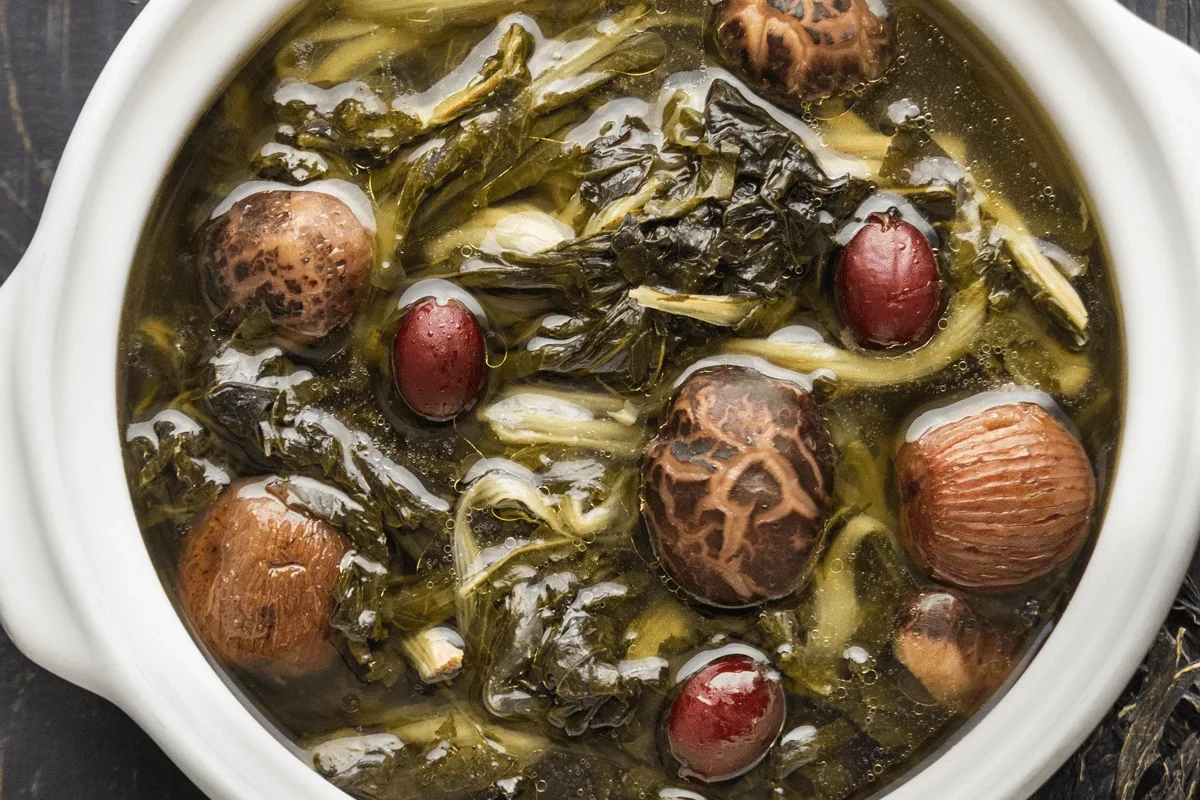
In Belizean cooking, the complexity of a stew often relies on the “trinity” of aromatics: onion, bell pepper, and garlic. Using dried versions allows you to maintain the soul of these recipes even when fresh garden supplies are thin. By keeping these ingredients in your pantry, you can start a traditional stew in minutes rather than hours.
Saving Time on Prep Work for Traditional Stews
Reducing the time spent at the cutting board is the most immediate benefit. When preparing a traditional Belizean soup, you can simply toss the dried mix into the pot alongside your protein and broth, allowing the ingredients to rehydrate naturally as the liquid comes to a boil.
Reducing Food Waste and Maximizing Shelf Life
Fresh produce has a limited window of peak quality. Dried vegetables, however, can last for months or even years if stored correctly. This significantly lowers the likelihood of throwing away wilted carrots or soft onions at the end of the week. For those interested in sustainable kitchen practices, this is one of the most effective ways to manage your household food inventory.
The Essential Belizean-Style Vegetable Soup Recipe
This recipe demonstrates how to integrate dried ingredients into a hearty, comforting, and authentic-feeling soup.
Doneness and Safety Cues: Achieving the Perfect Texture
The vegetables are ready when they are tender enough to pierce with a fork but still retain their shape. If the soup is too thick, add a splash more broth. Always ensure the internal temperature of the liquid reaches at least 165°F (74°C) to ensure safety, particularly when cooking with meat-based stocks.
Common Mistakes When Cooking with Dried Vegetables
The most common error is failing to account for the liquid absorption. Dried vegetables act like sponges; if you do not add enough extra liquid, your soup will turn into a thick, dry stew rather than a broth-based dish.
The Pitfall of Under-Rehydration
If you rush the process, you may end up with “crunchy” bits in your soup. If you find your soup is ready but the vegetables are still firm, simply remove the pot from the heat, cover it, and let it sit for an additional 10 minutes. The residual heat will finish the rehydration without overcooking the rest of the ingredients.
Food Safety, Handling, and Proper Long-Term Storage
Dry, cool, and dark is the golden rule for storage. Exposure to light and heat will cause the vegetables to lose color and flavor over time. Ensure your containers are airtight to prevent moisture from entering, which could lead to mold growth.
Cost Analysis: Is Buying Dried Veggies Worth the Investment?
While the initial price per pound of dried vegetables may seem higher than fresh produce, the cost-per-serving is often lower when you factor in zero waste and year-round availability. You are essentially paying for the labor of dehydration and the convenience of shelf stability.
| Feature | Fresh Veggies | Dried Veggies |
|---|---|---|
| Shelf Life | Days | Months to Years |
| Prep Time | High | Low |
| Volume | Heavy | Lightweight |
Final Recommendation: Integrating Dried Vegetables into Your Daily Routine
Dried vegetables are a versatile, reliable, and space-saving addition to any pantry. By selecting high-quality blends and learning to balance your liquid-to-vegetable ratio, you can consistently produce flavorful, nutritious soups. Whether you are looking to simplify your weekly meal prep or ensure you are prepared for any cooking scenario in 2026, these pantry staples offer the perfect balance of convenience and culinary performance. Dried Veggies for Soup
Frequently Asked Questions
In most cases, no. You can add them directly to the broth as it simmers, as the liquid will naturally rehydrate them during the cooking process.
Dried vegetables absorb significantly more liquid than fresh ones. Plan to add an extra half-cup of broth or water for every cup of dried vegetables used.
When stored in an airtight container in a cool, dark place, they can last up to 12 months. Always check for off-odors or signs of moisture before use.
Yes, this is an excellent strategy. Add the dried vegetables early in the simmer for flavor, and add fresh, quick-cooking vegetables like spinach or herbs toward the end.
They retain most of their fiber and mineral content. While some heat-sensitive vitamins may decrease during drying, they remain a healthy and convenient option.
Store leftovers in an airtight container in the refrigerator for up to 3-4 days. Note that the vegetables may continue to absorb liquid, so add a splash of water when reheating.