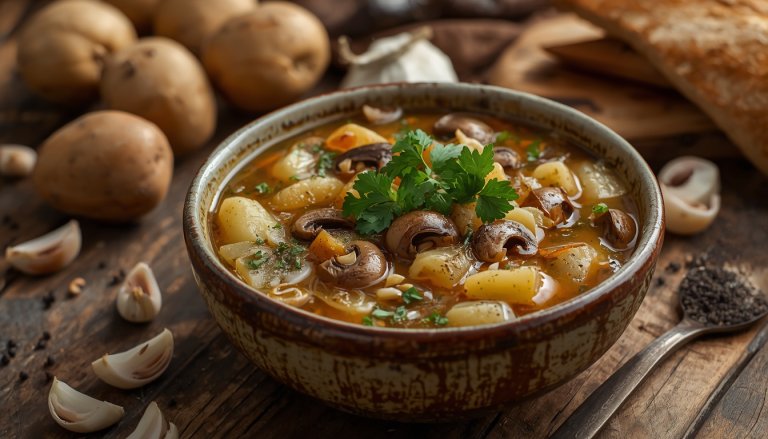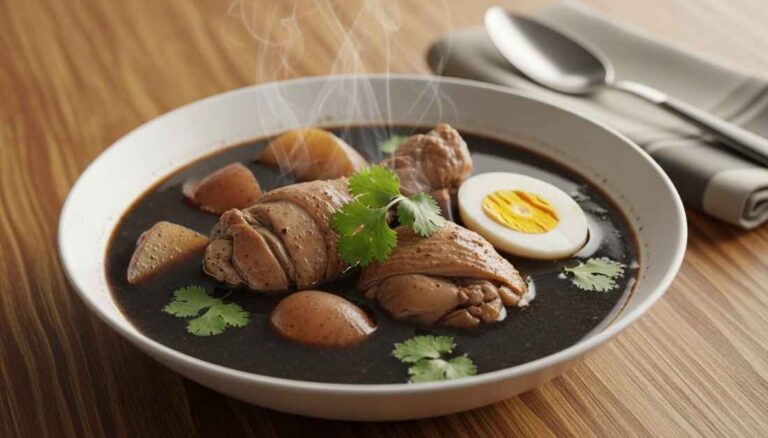
Beef Bones for Soup: How to Make Rich Homemade Bone Broth

When it comes to creating a deeply flavorful and comforting soup, few ingredients can match the richness of beef bones for soup. For generations, home cooks around the world have used beef bones to create nourishing broths, hearty soups, and slow-cooked meals filled with incredible flavor.
Unlike ordinary soup made with only meat and vegetables, beef bone soup develops a unique depth because the bones release natural collagen, marrow, minerals, and savory flavors during slow cooking. The result is a golden, rich broth with a silky texture that can transform simple ingredients into an unforgettable homemade meal.
Whether you are preparing a traditional family soup, making homemade beef stock, or looking for a nutrient-rich comfort food recipe, learning how to choose and cook the right beef bones can make a huge difference.
In this complete guide, you will learn everything about selecting the best beef bones for soup, preparing them correctly, cooking techniques, flavor tips, storage methods, and how to create restaurant-quality broth at home.
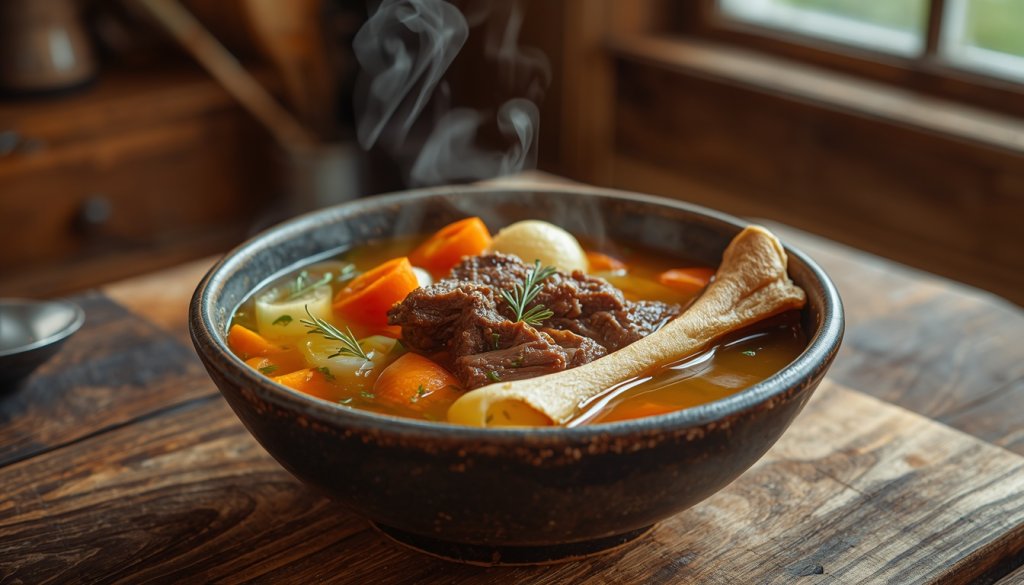
Why Use Beef Bones for Soup?
Beef bones are one of the best ingredients for building a flavorful soup base. While meat provides protein and texture, bones provide the foundation that creates a rich and satisfying broth.
During slow cooking, the connective tissues inside the bones break down and release gelatin, which gives the soup a smooth mouthfeel. Marrow inside the bones also adds richness and a deep beef flavor that cannot be achieved with regular cuts of meat alone. beef bones for soup
Benefits of Using Beef Bones:
- Creates a naturally rich and flavorful broth
- Adds collagen and gelatin for texture
- Provides minerals from the bones
- Enhances the taste of vegetables and seasonings
- Makes affordable ingredients taste luxurious
- Perfect for soups, stews, and sauces
- Can be stored and used for multiple recipes
Types of Beef Bones Best for Soup
Choosing the right type of bone is important because different bones create different flavors and textures. The best soup usually combines several types of beef bones.
| Type of Beef Bone | Best Use | Flavor Result |
|---|---|---|
| Marrow Bones | Rich broth and soup base | Deep, buttery flavor |
| Knuckle Bones | Bone broth | High collagen content |
| Oxtail Bones | Hearty soups and stews | Rich beef flavor |
| Short Rib Bones | Meaty soups | Strong savory taste |
| Neck Bones | Traditional soups | Full-bodied flavor |
| Joint Bones | Gelatin-rich broth | Silky texture |
Ingredients for Homemade Beef Bone Soup
| Ingredient | Amount | Purpose |
|---|---|---|
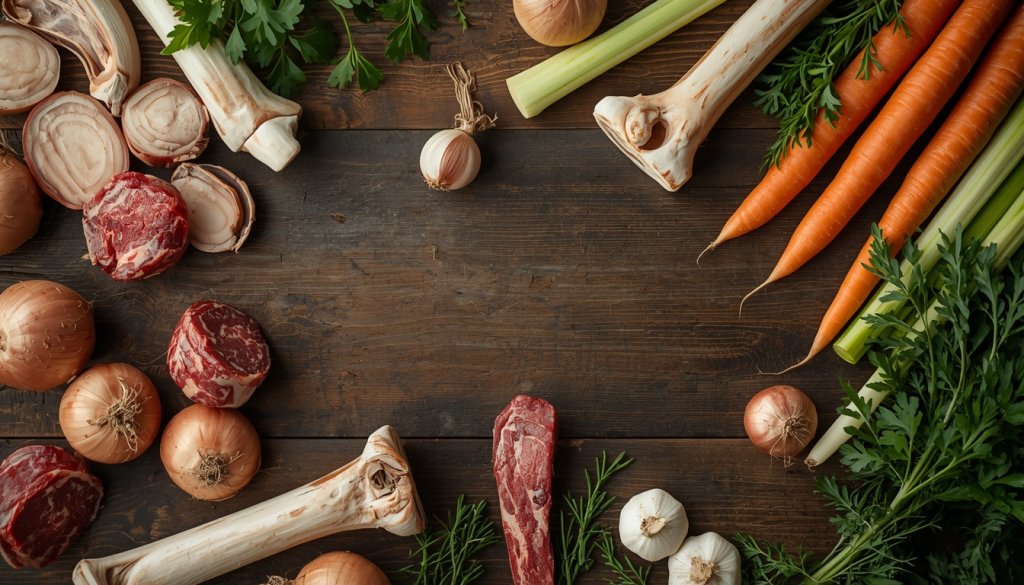
| Beef marrow bones | 3–4 pounds | Main flavor source |
| Beef soup bones | 2 pounds | Extra richness |
| Yellow onions | 2 large | Add sweetness |
| Carrots | 3 medium | Natural sweetness |
| Celery stalks | 3 | Aromatic flavor |
| Garlic cloves | 6 | Deep flavor |
| Bay leaves | 2 | Herbal aroma |
| Fresh thyme | 4 sprigs | Earthy flavor |
| Black peppercorns | 1 tablespoon | Warm spice |
| Apple cider vinegar | 2 tablespoons | Helps extract flavor |
| Water | 10–12 cups | Soup base |
| Fresh parsley | For garnish | Fresh finish |
Kitchen Equipment Needed
- Large stock pot or Dutch oven
- Baking tray for roasting bones
- Fine mesh strainer
- Sharp kitchen knife
- Storage containers
- Ladle
How to Prepare Beef Bones for Soup
Step 1: Choose Quality Beef Bones
The quality of your bones directly affects the final flavor. Look for fresh beef bones with visible marrow, some connective tissue, and a clean smell. Grass-fed or high-quality beef bones often produce excellent results.
Step 2: Roast the Bones for Extra Flavor
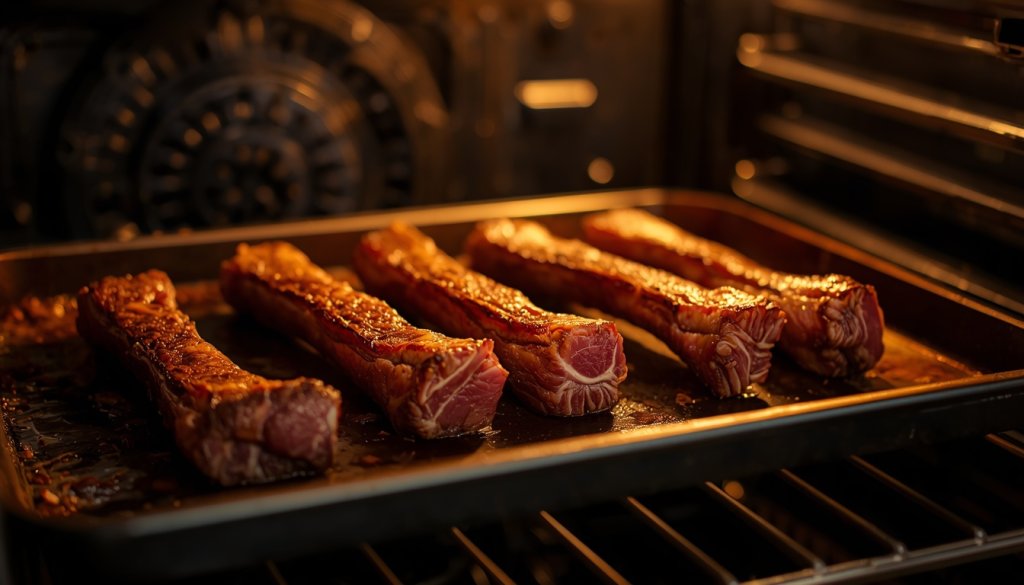
Preheat your oven to 425°F (220°C). Place the beef bones on a baking tray and roast for 30–40 minutes until they become golden brown. Roasting creates deeper flavor through caramelization and gives your broth a richer color.
Step 3: Prepare the Vegetables
While the bones roast, wash and roughly chop onions, carrots, celery, and garlic. There is no need to cut them perfectly because they will mainly add flavor to the broth.
Step 4: Combine Ingredients
Place roasted bones into a large stock pot. Add vegetables, herbs, peppercorns, apple cider vinegar, and water. Make sure the bones are mostly covered with liquid.
Step 5: Slow Simmer the Soup
Bring the mixture to a gentle boil, then reduce heat to low. Allow the soup to simmer slowly for several hours. Slow cooking helps extract maximum flavor, collagen, and nutrients from the bones.
Step 6: Strain and Serve
Once the broth reaches a rich flavor and golden color, strain out the bones and vegetables. The finished broth can be enjoyed immediately or stored for future recipes.
The Secret Behind Perfect Beef Bone Soup
The secret to excellent beef bones for soup is patience. Unlike quick soups, bone broth requires time because flavor develops slowly. Roasting the bones, using aromatic vegetables, and maintaining a gentle simmer creates a broth that is rich, smooth, and full of natural taste.
A slow cooking process allows collagen and marrow to dissolve into the liquid, creating the signature body and texture that makes homemade beef bone soup special.
Read more: beef bones for soup
Expert Tips for Making the Best Beef Bones for Soup
Making a flavorful beef bone soup requires more than simply boiling bones in water. Small cooking techniques can dramatically improve the taste, texture, and quality of your homemade broth. Follow these expert tips to create a rich and restaurant-quality soup base.
1. Roast the Bones Before Simmering
One of the biggest secrets to flavorful beef bone soup is roasting the bones first. High heat creates caramelization on the surface of the bones, which adds a deeper color and richer beef flavor to the final broth.
2. Use a Combination of Bones
Using only one type of bone may create a good broth, but combining marrow bones, knuckle bones, and meaty soup bones creates a much more balanced result. Marrow adds richness, while connective tissues provide collagen and body.
3. Keep the Cooking Temperature Low
A gentle simmer is better than a rapid boil. Boiling too aggressively can make the broth cloudy and affect the clean, smooth flavor. Slow cooking allows the bones to release their nutrients gradually.
4. Remove Foam During Cooking
During the first few hours of cooking, impurities may rise to the surface. Skimming this foam helps create a cleaner and clearer broth.
5. Don’t Add Too Many Vegetables
Vegetables should enhance the beef flavor, not overpower it. Onions, carrots, and celery are classic choices because they add sweetness and balance without dominating the broth.
6. Allow Enough Cooking Time
Great bone broth cannot be rushed. For maximum flavor, simmer beef bones for at least 8–12 hours. The longer cooking time helps extract collagen, marrow, and deep savory flavors.
7. Cool the Broth Properly
After cooking, cool the broth quickly before storing. Once refrigerated, a good bone broth often develops a jelly-like texture because of the natural gelatin content.
Common Mistakes When Making Beef Bone Soup
| Mistake | Why It Happens | How to Fix It |
|---|---|---|
| Skipping the roasting step | Saves preparation time | Roast bones first for deeper flavor |
| Using too much water | Weakens the broth | Use enough water to cover bones only |
| Boiling too hard | Heat is too high | Maintain a gentle simmer |
| Cooking for too little time | Wanting faster results | Allow several hours for extraction |
| Not removing impurities | Skipping skimming | Remove foam during early cooking |
| Adding salt too early | Broth reduces over time | Season near the end |
| Using poor-quality bones | Choosing only cheap leftovers | Select fresh marrow and joint bones |
Delicious Beef Bone Soup Variations
1. Classic Vegetable Beef Bone Soup
Add potatoes, carrots, celery, green beans, and chunks of beef after preparing the broth. This creates a complete family-style soup packed with vegetables and protein.
2. Asian-Inspired Beef Bone Broth
Add ginger, garlic, star anise, cinnamon, and green onions for an aromatic Asian-style broth similar to traditional noodle soups.
3. Slow Cooker Beef Bone Soup
A slow cooker is perfect for bone broth. Roast the bones first, then transfer everything to the slow cooker and cook on low for 10–12 hours.
4. Instant Pot Beef Bone Broth
For a faster option, use a pressure cooker. Cook beef bones under high pressure for approximately 2–3 hours to create a rich broth.
5. Spicy Beef Bone Soup
Add chili flakes, paprika, cayenne pepper, or fresh peppers for a spicy version with extra warmth and flavor.
6. Creamy Beef Mushroom Soup
Combine beef bone broth with sautéed mushrooms and cream for a luxurious soup with a rich, earthy taste.
7. Keto-Friendly Beef Bone Soup
Skip high-carb vegetables and add leafy greens, mushrooms, zucchini, and low-carb ingredients for a keto-friendly meal.
8. Traditional Rustic Beef Soup
Keep the vegetables chunky and add shredded beef for an old-fashioned farmhouse-style soup perfect for family gatherings.
Health Benefits of Beef Bone Broth
Beef bone broth has been enjoyed for generations because it provides a combination of flavor and naturally occurring nutrients. The slow cooking process helps extract valuable compounds from the bones and connective tissues.
1. Source of Collagen and Gelatin
When connective tissues break down during cooking, they release gelatin, which gives bone broth its smooth texture and traditional richness.
2. Supports Protein Intake
Beef bone soup can contribute protein to your diet, especially when combined with vegetables and meat.
3. Provides Essential Minerals
Bones naturally contain minerals such as calcium, phosphorus, and magnesium that can contribute to the nutritional profile of the broth.
4. Supports Healthy Eating Habits
Homemade broth allows complete control over ingredients, sodium levels, and added flavors compared with many packaged soup products.
5. Comforting and Satisfying Meal
A warm bowl of beef bone soup is filling, comforting, and ideal during colder months or when you need a nourishing homemade meal.
Nutrition Facts (Approximate Per Serving)
Nutrition values vary depending on the type of bones used, cooking time, and added ingredients. The following values represent a typical homemade beef bone soup.
| Nutrient | Approximate Amount |
|---|---|
| Calories | 180–250 kcal |
| Protein | 15–25 g |
| Carbohydrates | 8–12 g |
| Fat | 10–15 g |
| Collagen/Gelatin | High |
| Iron | Good source |
| Calcium | Moderate amount |
| Sodium | Depends on seasoning |
Storage Instructions
Refrigerator Storage
Allow the broth to cool completely, then store it in airtight glass containers. Homemade beef bone broth can stay fresh in the refrigerator for approximately 4–5 days.
Freezer Storage
For longer storage, freeze the broth in freezer-safe containers or silicone molds. Frozen beef broth can last up to 3–6 months while maintaining good quality.
Fat Layer Storage Method
When refrigerated, the fat from the bones may rise and form a protective layer on top. Some cooks keep this layer intact because it helps preserve freshness and adds flavor when reheated.
How to Reheat Beef Bone Soup
Stovetop Method
Place the soup in a pot and warm slowly over medium-low heat. Stir occasionally until evenly heated.
Microwave Method
Heat individual servings in short intervals, stirring between each interval to distribute heat.
Frozen Soup
For best results, thaw frozen broth overnight in the refrigerator before reheating.
Best Foods to Serve with Beef Bone Soup
- Crusty sourdough bread
- Garlic bread
- Steamed vegetables
- Rice or noodles
- Fresh garden salad
- Mashed potatoes
- Whole grain rolls
- Roasted vegetables
Meal Prep Tips
- Prepare a large batch of broth and freeze portions for future recipes.
- Use leftover broth as a base for sauces, stews, and gravies.
- Freeze broth in small containers for easy weekday cooking.
- Add fresh vegetables when reheating for a complete meal.
- Label containers with cooking dates for better organization.
- Season only after reheating because flavors become stronger over time.
Homemade Beef Bone Broth vs Store-Bought Broth
| Feature | Homemade Beef Bone Broth | Store-Bought Broth |
|---|---|---|
| Flavor | Deep and rich | Usually lighter |
| Ingredients | Full control | May contain additives |
| Collagen Content | Naturally higher | Varies by product |
| Sodium Control | Fully customizable | Often higher sodium |
| Cost | Affordable with leftover bones | Regular purchase cost |
Recipe Card
Homemade Beef Bones for Soup Recipe
A rich and flavorful homemade beef bone soup made with roasted beef bones, marrow bones, fresh vegetables, herbs, and slow-simmered broth. This traditional recipe creates a deep, comforting soup base perfect for family meals, stews, sauces, and healthy homemade cooking.
| Prep Time | 20 Minutes |
|---|---|
| Cook Time | 8–12 Hours |
| Total Time | 8–12 Hours 20 Minutes |
| Servings | 8 Servings |
| Calories | Approximately 200 Calories Per Serving |
| Course | Soup / Broth |
| Cuisine | Traditional Homemade |
| Difficulty | Easy |
| Cooking Method | Slow Simmering |
| Best For | Comfort Food, Meal Prep, Homemade Stock |
Recipe Notes
- Roasting the beef bones before cooking creates a deeper color and richer flavor.
- Use a combination of marrow bones and joint bones for the best texture and taste.
- A slow simmer produces better results than a fast boil.
- Apple cider vinegar helps release flavors from the bones during cooking.
- Do not add too much water because it can weaken the broth flavor.
- For a clearer broth, strain the soup through a fine mesh strainer.
- The broth may become jelly-like after refrigeration, which indicates natural gelatin content.
- Season the finished broth after cooking because the flavor becomes stronger as it reduces.
- Save leftover broth and use it for rice, sauces, soups, and stews.
Frequently Asked Questions About Beef Bones for Soup
1. What are the best beef bones for soup?
The best beef bones for soup include marrow bones, knuckle bones, oxtail bones, neck bones, and joint bones. A combination of different bones creates the richest flavor and texture.
2. How long should beef bones simmer for soup?
For the best flavor, beef bones should simmer slowly for 8–12 hours. Longer cooking allows more collagen, marrow, and flavor to be extracted.
3. Do I need to roast beef bones before making soup?
Roasting is not required, but it is highly recommended. Roasting creates caramelized flavors and gives the broth a deeper color and richer taste.
4. Can I make beef bone soup in a slow cooker?
Yes. Slow cookers are excellent for bone broth. Simply roast the bones first, add ingredients, and cook on low for 10–12 hours.
5. Can I make beef bone broth in an Instant Pot?
Yes. A pressure cooker can significantly reduce cooking time. Beef bones can usually be cooked under pressure for around 2–3 hours.
6. Why does my beef bone broth turn into jelly?
A jelly-like texture is normal and usually means the broth contains natural gelatin released from connective tissues during cooking.
7. How long does homemade beef bone soup last?
Stored properly in an airtight container, homemade beef bone broth lasts about 4–5 days in the refrigerator.
8. Can I freeze beef bone broth?
Yes. Beef bone broth freezes very well and can be stored for approximately 3–6 months in freezer-safe containers.
9. Should I remove the fat from beef bone broth?
Removing fat is optional. Some people prefer a lighter broth, while others keep the fat because it adds flavor and richness.
10. Can I reuse beef bones after making broth?
Most of the flavor and nutrients are extracted during cooking, but some bones may be reused for a lighter second batch of broth.
11. What vegetables go best with beef bone soup?
Classic vegetables include onions, carrots, celery, garlic, potatoes, mushrooms, and leafy greens. These ingredients complement the rich beef flavor.
12. Is beef bone broth high in protein?
Beef bone broth contains protein from collagen and gelatin. Adding meat or vegetables can increase the overall protein content.
13. Can I use frozen beef bones for soup?
Yes. Frozen beef bones work well. Simply thaw them before roasting or cooking for the best results.
14. Why does my beef broth taste weak?
Weak broth usually happens because of too much water, insufficient cooking time, or not using enough bones. Simmering longer helps concentrate the flavor. beef bones for soup
15. What can I use homemade beef broth for?
Homemade beef broth can be used for soups, stews, gravies, sauces, rice dishes, noodles, and many other recipes.
Conclusion: Make Rich Homemade Soup with Beef Bones
Learning how to properly use beef bones for soup can completely change the way you prepare homemade meals. Instead of relying on packaged broth or artificial flavors, you can create a naturally rich and satisfying soup base using simple ingredients and traditional cooking methods.
The combination of roasted beef bones, marrow, aromatic vegetables, and slow cooking creates a deep flavor that cannot be achieved with quick recipes. The gentle simmering process allows the bones to release their natural collagen, gelatin, and savory flavors, resulting in a smooth and comforting broth.
Whether you are making classic beef soup, preparing homemade stock, creating sauces, or storing broth for future recipes, this method provides a versatile kitchen essential that every home cook can enjoy.
The beauty of homemade beef bone soup is its simplicity. With quality bones, fresh vegetables, and a little patience, you can create a nourishing recipe that brings warmth, flavor, and comfort to your table.
So choose your favorite beef bones, prepare your ingredients, and enjoy the incredible taste of traditional homemade bone broth made from scratch.
Quick Recipe Summary
| Recipe Name | Homemade Beef Bones for Soup |
|---|---|
| Main Ingredient | Beef Marrow Bones |
| Cooking Style | Slow Simmered Broth |
| Preparation Time | 20 Minutes |
| Cooking Time | 8–12 Hours |
| Servings | 8 |
| Storage | 4–5 Days Refrigerator / 3–6 Months Freezer |
| Best Season | Fall and Winter |