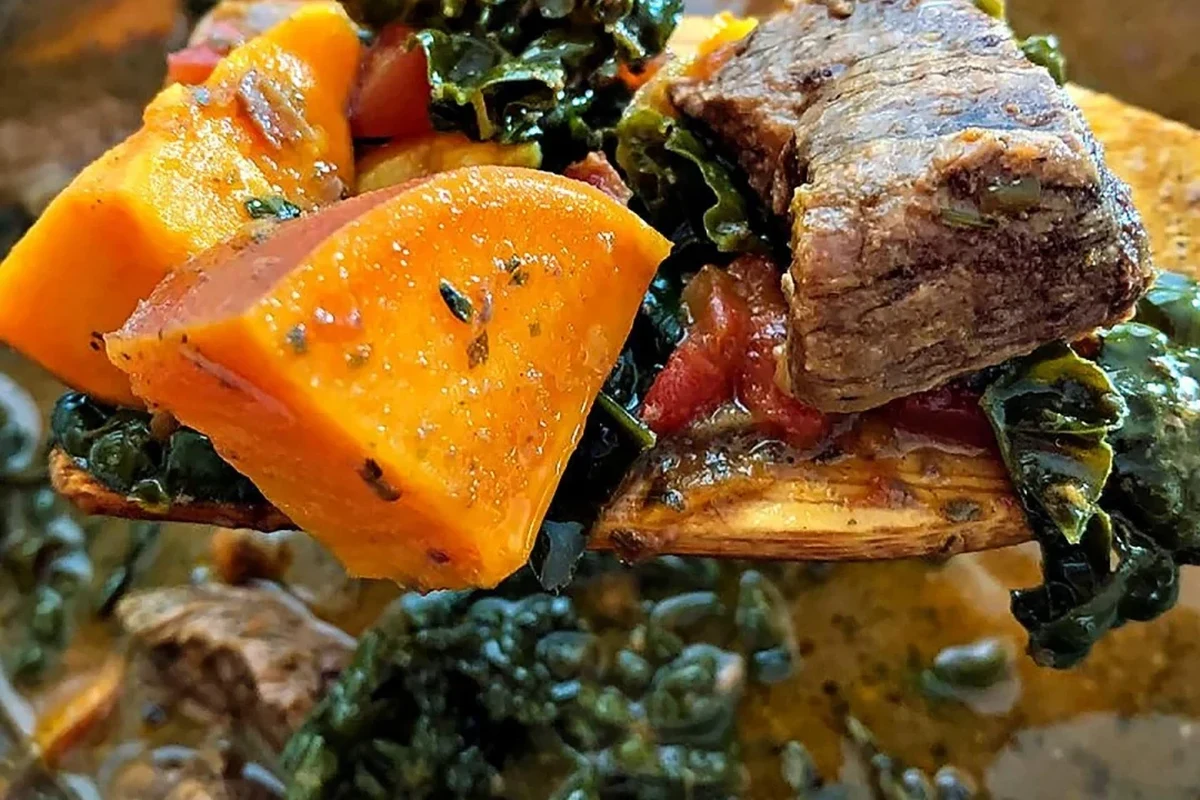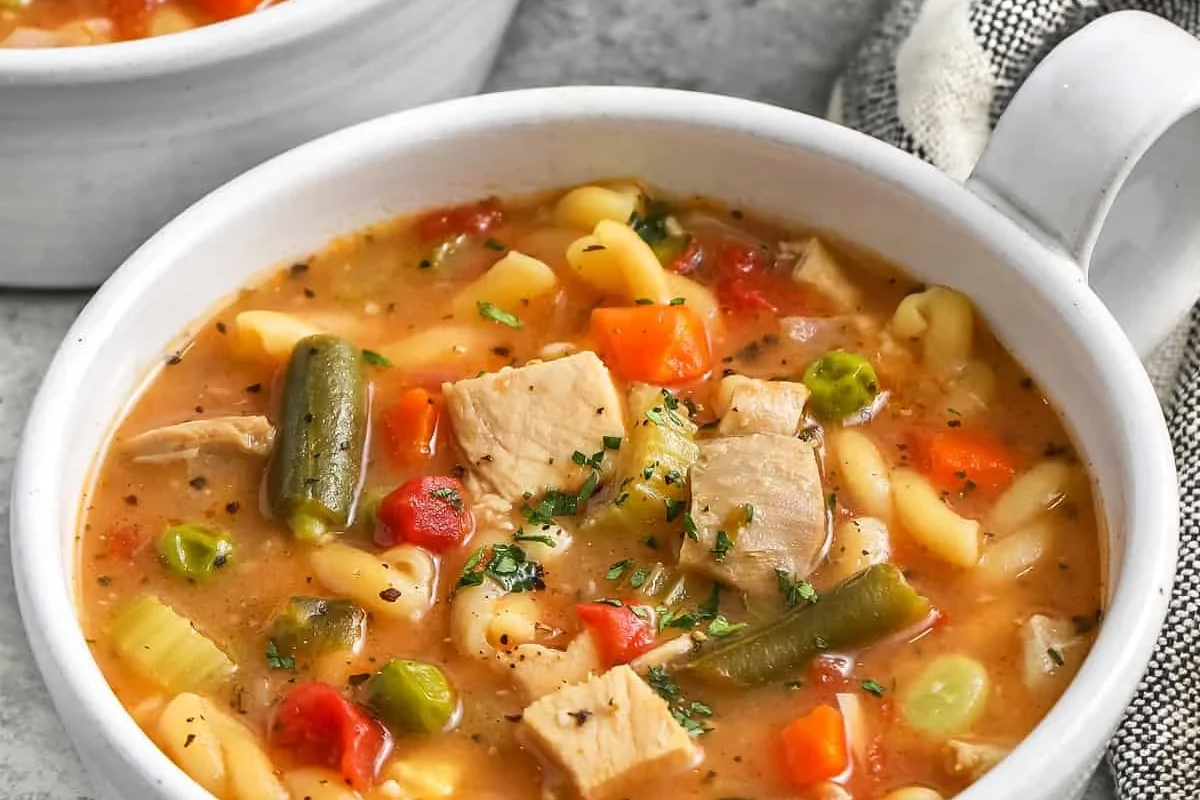
Healthy Meals for One

Healthy meals for one work best when they combine protein, vegetables, and a smart carb in a single portion. The easiest approach is to use flexible Belizean-friendly ingredients, cook small batches, and store leftovers safely.
Healthy meals for one are simple, balanced single-serving dishes that help you eat well without cooking a full family recipe. For BelizeanRecipe readers, that can mean a quick plate built from familiar ingredients like eggs, beans, tortillas, fish, chicken, rice, and vegetables—without wasting food or flavor.
- Balance first: Build each plate around protein, vegetables, and a smart carb.
- Use flexible ingredients: Eggs, beans, tortillas, rice, cabbage, and chicken make solo cooking easier.
- Flavor smart: Lime, garlic, peppers, herbs, and hot sauce add taste without extra heaviness.
- Reduce waste: Cook smaller portions and freeze or repurpose leftovers intentionally.
Healthy Meals for One: What They Are and Why They Work
Quick answer: simple, balanced, single-serving meals for busy people
A healthy meal for one is not about perfection. It is a realistic plate with protein, fiber, smart carbs, and vegetables in portions that make sense for one person.
The best versions are easy to scale, fast to cook, and flexible enough to use what is already in your kitchen. That matters in 2026, when many home cooks want convenience without depending on takeout every day.
Who this guide is for in Belize and beyond
This guide is for students, workers, parents cooking for themselves, older adults, travelers, and anyone who does not want leftovers for days. It also fits Belizean kitchens where ingredients may vary by neighborhood, season, or market day.
If you are cooking for one because of a schedule, budget, or lifestyle change, the goal is the same: make one plate that feels complete and satisfying. If you need a specialized diet for medical reasons, talk with a doctor or registered dietitian before changing your routine.
Why street-food-inspired meals can still be healthy
Street food gets a bad reputation only when the meal is heavy on frying, salt, or oversized portions. But the same flavor profile can work in a lighter way: grilled chicken instead of fried, beans instead of extra starch, cabbage slaw instead of creamy dressing, or a tortilla wrap instead of a greasy shell.
That is why Belizean-style flavors can fit healthy meals for one so well. Lime, garlic, peppers, onion, herbs, and hot sauce add character without needing a long ingredient list.
Think of this as practical street-food inspiration adapted for one-plate cooking, not a strict diet plan.
What to Build Into a Healthy One-Person Meal
The plate formula: protein, fiber, smart carbs, and vegetables
A useful way to plan is to start with four parts: protein, fiber-rich vegetables, a smart carb, and a little fat for flavor. Protein helps the meal feel complete, vegetables add volume and nutrients, and carbs give you energy.
For one person, the exact amount will vary by appetite, age, activity level, and what else you eat during the day. Instead of chasing numbers, aim for balance on the plate.
Best ingredient groups for solo portions
Single servings work best with ingredients that are easy to divide, store, and remix. Eggs, canned beans, small fillets of fish, chicken portions, yogurt, tofu, tortillas, rice, oats, and chopped vegetables all fit that pattern.
These foods are practical because they can become breakfast, lunch, or dinner without much extra work. If you want more ideas for portable options, you may also like our guide to snacks for lunch and recipes for 1.
How to keep flavor high without relying on excess oil or salt
Flavor does not have to come from heavy frying. Acid, heat, herbs, and aromatics can do a lot of the work: lime juice, garlic, onion, black pepper, cumin, cilantro, and a little hot sauce can make a small meal taste complete.
Roasting vegetables until lightly browned, toasting tortillas, or searing chicken in a hot pan can also build flavor. The key is to use enough seasoning to wake up the food, but not so much that salt becomes the only thing you taste.
- Season in layers: a little before cooking and a little at the end.
- Use citrus or vinegar to brighten beans, grains, and vegetables.
- Keep a few sauces and herbs on hand so one base meal can taste different each night.
Belizean-Friendly Ingredients That Make Single Servings Easy
Proteins: eggs, beans, fish, chicken, yogurt, and tofu
Eggs are one of the easiest proteins for one person because they cook quickly and pair with almost anything. Beans are another strong option because they are affordable, filling, and easy to turn into bowls, wraps, or side dishes.
Fish and chicken work well when you buy or portion them in small amounts. Yogurt can help with breakfast bowls or sauces, while tofu is useful if you want a plant-based protein that takes on seasoning well.
Carbs: tortillas, brown rice, sweet potato, oats, and whole-grain bread
For a healthy meal for one, carbs should support the plate, not dominate it. Tortillas, brown rice, sweet potato, oats, and whole-grain bread all work because they are versatile and easy to portion.
Whole-grain bread and oats are especially helpful for fast breakfasts or quick dinners. Sweet potato and brown rice are good when you want something more filling without relying on fried sides.
Vegetables and add-ins: cabbage, tomato, onion, peppers, callaloo, and avocado
Vegetables add texture, color, and freshness to a solo meal. Cabbage is budget-friendly and holds up well in slaw, stir-fries, and wraps; tomato and onion are useful in almost every savory dish; peppers add crunch and aroma; callaloo works well in soups, sautés, and egg dishes; avocado adds richness when used in a moderate portion.
These ingredients are especially helpful because they can be used raw or cooked. That makes it easier to avoid waste when you are preparing only one plate.
Pantry staples for fast meals: seasonings, lime, garlic, hot sauce, and canned goods
A small pantry can still support a lot of healthy meals for one. Keep basics like garlic, dried spices, lime, hot sauce, canned beans, canned tuna or sardines if you use them, and broth or stock when available.
Note: Check labels for sodium, added sugar, allergens, and oil type when buying canned or packaged foods. Product claims vary by brand, so confirm details before relying on them for a regular meal plan.
- Choose one protein, one carb, and at least one vegetable.
- Check whether canned or packaged items are low enough in sodium for your needs.
- Plan how the ingredient can be reused in another meal to reduce waste.
How to Cook Healthy Meals for One Without Waste
Portioning strategies for one-plate cooking
The easiest way to avoid waste is to think in single-use portions before you start cooking. That may mean one chicken breast, two eggs, a small bowl of rice, or half a can of beans saved for another meal.
If you cook from larger packages, divide the food into meal-sized containers right away. That makes it easier to stop yourself from cooking too much just because the package is bigger than you need.
Batch-prep methods that still feel fresh
Batch prep does not have to mean eating the same bowl all week. You can cook one base ingredient, like rice, beans, or roasted vegetables, and change the flavor with different toppings, sauces, or herbs.
For example, beans can become a breakfast side one day, a tortilla filling the next, and a soup starter later in the week. That is also why simple meal-building pairs well with healthy protein snacks when you need something between meals.
Best cooking techniques for speed and nutrition: sautéing, steaming, roasting, and boiling
Sautéing is great for onions, peppers, greens, eggs, and quick chicken strips. Steaming works well for vegetables when you want to preserve texture and keep added fat low.
Roasting gives vegetables and proteins deeper flavor with minimal hands-on time, while boiling is useful for eggs, potatoes, sweet potatoes, grains, and some legumes. The best method depends on the ingredient and how much cleanup you want afterward.
Common Mistakes When Cooking for One
Making too much and losing freshness
The most common problem is cooking as if you are feeding several people. That often leads to leftovers that are forgotten, soggy, or thrown away.
It is better to make a smaller plate and, if needed, save a second portion intentionally. That is different from accidental overshooting.
Under-seasoning small portions
Small meals can taste flat if you season them like large family dishes without adjusting. A one-person plate needs enough seasoning to be noticeable in every bite.
Use tasting as you cook, but be careful not to over-salt. Acid and fresh herbs can help bring the flavor forward without making the food heavy.
Using too many packaged shortcuts
Packaged shortcuts are useful, but too many of them can push sodium, fat, or additives higher than you want. A meal built from several convenience items can become less healthy than cooking a few basics yourself.
Try to use shortcuts strategically: canned beans, pre-washed greens, or a ready sauce can save time, but the rest of the plate should still look like real food.
Skipping vegetables or protein
A carb-only meal may feel easy, but it usually leaves the plate incomplete. Protein and vegetables help with fullness, balance, and texture.
Even a simple egg wrap with cabbage and tomato is stronger than bread alone. The goal is not a complicated menu; it is a complete one.
- Build the meal around one protein and one vegetable.
- Use fresh acid and herbs to lift the flavor.
- Keep portions small enough to finish or safely store.
- Cooking a family-size batch without a storage plan.
- Relying on salt to fix bland food.
- Letting convenience foods replace the whole meal.
Food Safety, Storage, and Reheating for Single-Serve Meals
Safe handling for meat, eggs, seafood, and cooked grains
Food safety matters even more when you cook for one, because leftovers may sit longer before being eaten. Follow recognized guidance from the USDA or your local health authority for safe internal temperatures, especially for poultry, ground meats, seafood, and egg dishes.
Keep raw meat and seafood separate from ready-to-eat foods, wash hands and surfaces after handling raw ingredients, and refrigerate cooked food promptly. If food smells off, looks slimy, or shows spoilage, throw it out.
Use official food-safety guidance for minimum internal temperatures and storage times. When in doubt, chill food quickly, keep it covered, and do not taste food that may have spoiled.
How long leftovers last in the fridge
Leftover storage time depends on the food, the refrigerator temperature, and how quickly it was cooled. For many cooked dishes, a common food-safety rule is to refrigerate promptly and use within a few days, but you should confirm exact timing with a recognized food-safety source or local authority because it can vary by food type.
Label containers with the date so you are not guessing later. That small habit helps prevent waste and makes one-person meal planning much easier.
Freezer-friendly options for one-person meal planning
Some foods freeze better than others. Beans, cooked rice, soups, stews, shredded chicken, and many cooked vegetables can be frozen in single portions if cooled and packed safely.
Delicate items like fresh avocado, watery salads, and some dairy-based sauces usually do not freeze well. Freeze only what is likely to keep its texture after thawing.
Best reheating methods to preserve texture and flavor
Reheat food until it is steaming hot and follow safe reheating guidance from trusted food-safety sources. The method matters: the microwave is fast, but a skillet or oven may keep texture better for tortillas, roasted vegetables, or chicken.
Add a splash of water or broth to rice and grains if they seem dry. For crisp foods, avoid over-microwaving if you want to keep them from turning soft.
Budget, Convenience, and Value: What Makes a Meal for One Worth Making
Cost-saving ingredients that stretch across multiple meals
The best value ingredients are the ones that can appear in several dishes. Eggs, beans, rice, oats, cabbage, onions, tortillas, and seasonal vegetables are useful because they can be mixed and matched throughout the week.
If you want to stretch your shopping list further, choose ingredients that overlap with breakfast, lunch, and dinner. That is often more practical than buying a unique ingredient for every recipe.
When homemade beats takeout or street food
Homemade meals often win when you want control over salt, oil, and portion size. They also help when you need a meal built around what is already in your pantry.
Takeout and street food still have a place, especially on busy days, but cooking at home becomes more worthwhile when you can reuse ingredients and avoid paying for extras you do not need. For lighter snack-style ideas, see our guides to healthy food appetizers and healthy snacks work.
Limitations of solo cooking and how to work around them
Cooking for one can feel inefficient because many ingredients are sold in family-sized packs. It can also be hard to stay motivated when you are tired and only cooking for yourself.
Work around that by keeping a short list of repeatable meals, freezing extra portions, and using flexible ingredients that do not spoil quickly. A few good bases are often better than trying to maintain a huge recipe rotation.
Final Recommendation: The Best Approach to Healthy Meals for One in 2026
Simple formula for choosing meals that are realistic, affordable, and satisfying
The best approach in 2026 is simple: pick one protein, one vegetable, one smart carb, and one bright seasoning or sauce. That formula keeps meals balanced, budget-friendly, and easy to repeat without getting boring.
If you want more structure, start with ingredients that can work in multiple meals and cook only what you are likely to eat or safely store. That is the smartest way to make healthy meals for one without wasting time or food.
Closing takeaway for BelizeanRecipe readers
Healthy solo cooking does not need fancy tools or complicated recipes. In a Belizean kitchen, a well-seasoned single plate with beans, eggs, fish, chicken, tortillas, rice, and vegetables can be just as satisfying as a larger family meal—often with less waste and more control.
For most home cooks, the best healthy meals for one are the ones you can repeat, store safely, and enjoy without stress. If your schedule is tight, focus on simple combinations and reliable leftovers; if you want variety, rotate sauces, vegetables, and proteins instead of changing everything at once.
Common Questions
It should include protein, vegetables, and a carb in a portion that matches your appetite. The meal should also be easy to finish or store safely.
Eggs, beans, fish, chicken, oats, tortillas, and quick-cooking vegetables are all easy options. They work well in many different meals.
Use lime, garlic, onion, peppers, herbs, and a little heat from sauce or seasoning. Browning and roasting also help build flavor.
The biggest mistake is cooking too much and letting food go stale. Under-seasoning small portions is another common problem.
Yes, but keep the prep flexible and portioned. Cook a few base ingredients and change the flavor with toppings or sauces.
Frequently Asked Questions
An egg-and-vegetable plate with a tortilla or small serving of rice is one of the easiest options. It cooks quickly and can be adjusted to what you already have.
Rotate seasonings, sauces, and vegetables instead of changing the whole meal structure. That keeps prep simple while still giving you variety.
Eggs, beans, chicken, fish, cabbage, onions, tomatoes, tortillas, rice, and oats are practical choices. They store well and can be used in more than one recipe.
Choose ingredients that overlap across breakfast, lunch, and dinner. Cabbage, beans, eggs, and seasonal vegetables usually give good value because they stretch easily.
Storage time depends on the food and how it was handled, so follow trusted food-safety guidance for the exact item. Cool food quickly, keep it covered, and label it with the date.
Reheat food until it is steaming hot and use a method that protects texture when possible. If food smells off or shows spoilage, do not eat it.