Microwavable Food

Microwavable food is a practical choice for busy Belizean homes when you want fast, safe, and filling meals. The best options are moist, portion-friendly foods that reheat evenly and fit your storage routine.
Microwavable food is any meal or snack designed to reheat quickly and safely in a microwave, and it can be a practical option for Belizean homes that need speed without giving up a filling bite. For students, workers, and busy families, the best choices are the ones that reheat evenly, stay moist, and fit your budget and storage space.
- Best fit: Students, workers, families, and small households benefit most from quick reheats and easy portions.
- Choose wisely: Rice dishes, soups, stews, tamales, and leftovers usually reheat better than crisp fried foods.
- Check labels: Watch portion size, sodium, sugar, allergens, and storage instructions on packaged foods.
- Heat safely: Use microwave-safe containers, stir or rotate food, and confirm doneness with safe-temperature guidance.
- Plan ahead: Shallow storage, clear dating, and proper thawing improve both safety and texture.
What Microwavable Food Is and Why It Matters in Belizean Kitchens
Quick definition and the main question answered early
Microwavable food includes leftovers, homemade meal prep, frozen meals, and packaged snacks that can be warmed in a microwave instead of a stovetop or oven. The main advantage is convenience: you can turn a cold meal into something ready to eat with less time, less cleanup, and usually less fuel use.
In Belizean kitchens, that matters because many households balance school schedules, shift work, shared kitchens, and limited prep time. Microwavable food is not just “instant food”; it is a way to keep everyday meals accessible when cooking from scratch is not realistic.
Who microwavable food is best for: students, workers, families, and small households
Microwavable food works especially well for students who need a fast lunch, office workers who bring packed meals, and parents who want a reliable backup for busy evenings. It is also useful in small households where cooking a full pot every day can lead to waste.
For people living alone or with limited kitchen equipment, microwavable options can help stretch leftovers and reduce food spoilage. The key is choosing foods that stay tasty after reheating, not just foods that heat quickly.
How microwavable food fits the BelizeanRecipe Street Food & Snacks angle
At BelizeanRecipe, microwavable food belongs in the street food and snacks conversation because many popular bites can be made ahead, stored, and reheated later. Think of tamales, savory pastries, rice-and-bean leftovers, soups, and snack-size portions that behave well under quick heat.
If you also enjoy browsing Street Food Snacks, you already know that convenience and flavor often go hand in hand. The challenge is preserving both after storage and reheating.
Best Types of Microwavable Food to Keep on Hand
Ready-to-heat meals, snacks, and single-serve options
The most useful microwavable foods are the ones you can portion easily and reheat without much guesswork. That usually includes single-serve rice bowls, soup cups, snack wraps, hand pies, dumplings, tamales, and leftover stews packed in shallow containers.
Single portions are easier to heat evenly than large, dense containers. They also help reduce waste because you only warm what you plan to eat.
Belize-friendly choices: rice dishes, tamales, pastries, soups, and leftovers
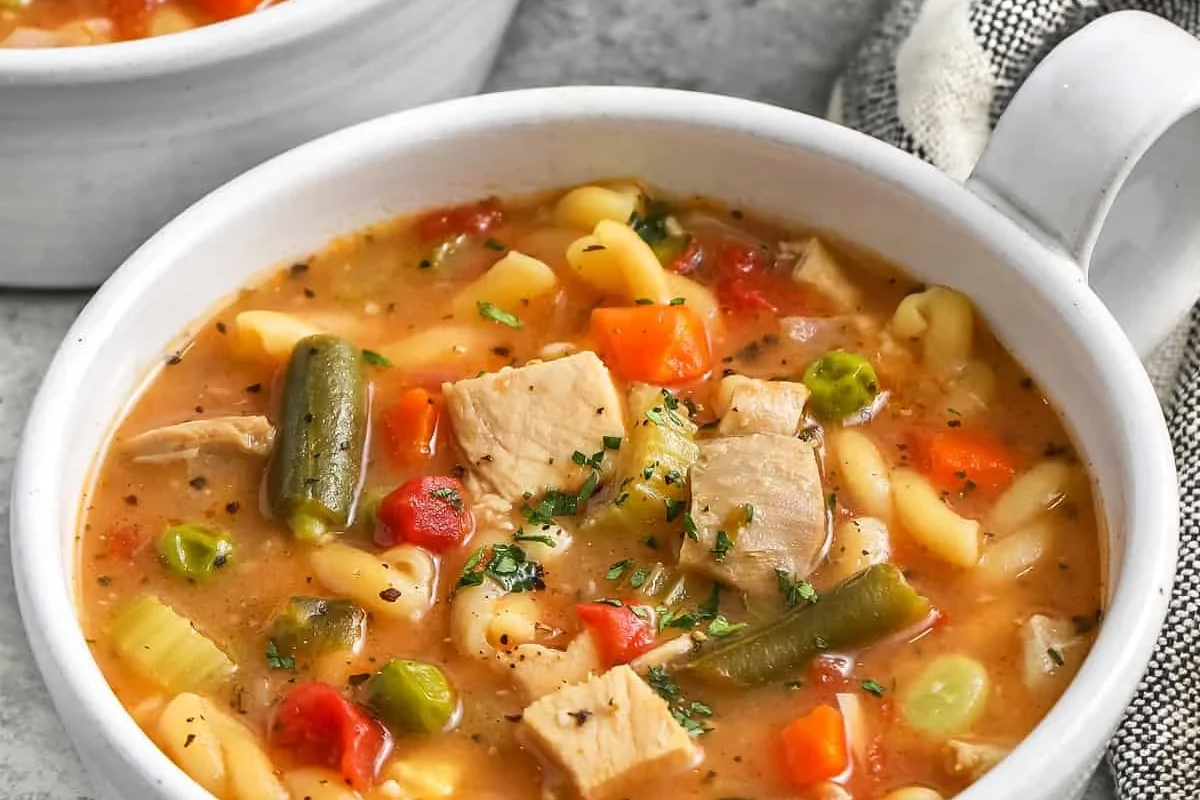
Belizean-style microwavable foods often start with familiar staples: rice and beans, stewed chicken, panades, garnaches with components stored separately, tamales, salbutes, and savory baked items. Soups and broths also reheat well if they are stored properly and stirred before serving.
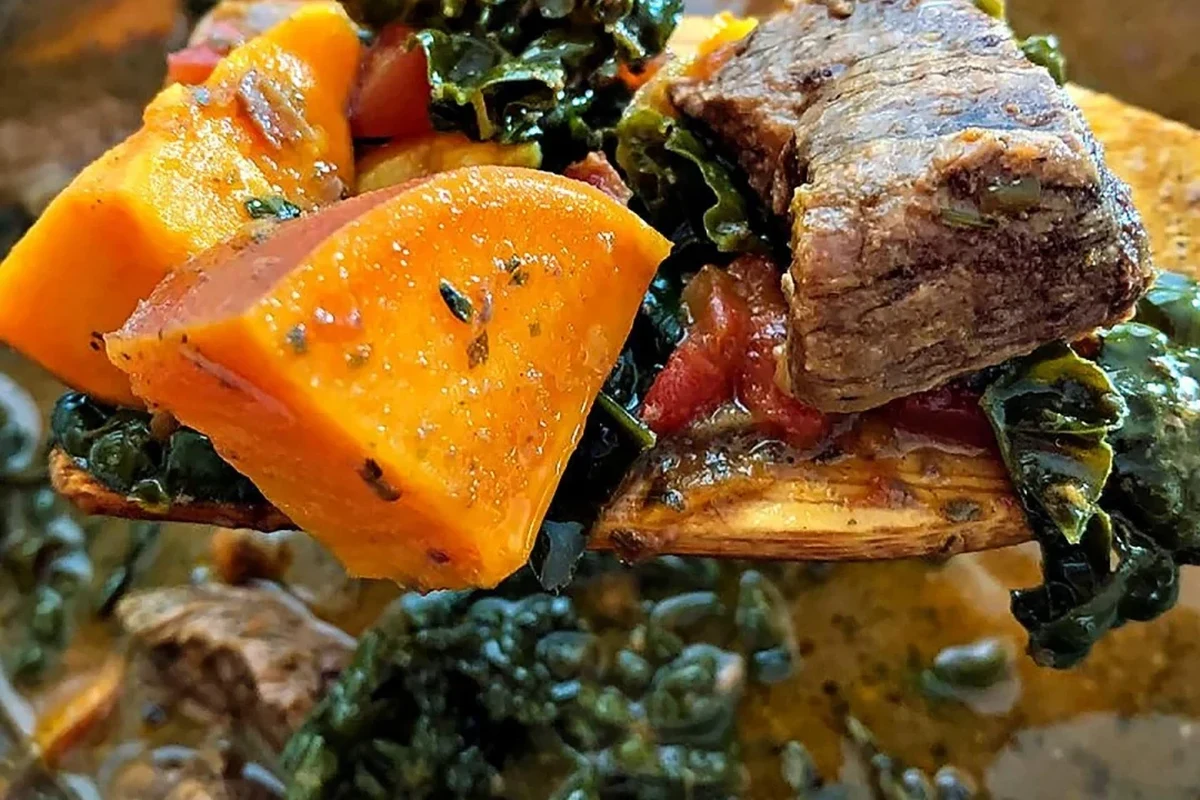
Many leftovers from a home-cooked meal can become great microwavable food the next day. Rice dishes, beans, stews, and braised meats usually hold up better than crisp fried foods, which tend to soften in the microwave.
Homemade leftovers
Best when you want lower cost, familiar flavor, and flexible portions. The limitation is that texture depends on how well the food was stored and covered.
Frozen single-serve meals
Useful when you need predictable convenience and long freezer storage. Check sodium, allergens, and heating instructions carefully.
How to choose between homemade, frozen, and packaged options
Homemade microwavable food gives you the most control over ingredients and flavor, especially if you are managing salt or avoiding specific allergens. Frozen meals are often the easiest backup because they keep longer and usually include heating directions on the package.
Packaged snacks are best when speed matters most, but they are not always the most filling choice. If you need a meal that lasts through a long workday, choose options with a balance of starch, protein, and some fat so they feel more satisfying.
Key Ingredients and Buying Criteria That Make Microwavable Food Work
Ingredients that reheat well: moisture, fat, starch, and protein balance
The best microwavable foods usually have enough moisture to stay tender, enough fat to keep them from drying out, and enough starch or protein to make them feel like a real meal. Rice, beans, tortillas, breaded items, stews, and saucy fillings often reheat better than dry, lean foods.
Foods with a little sauce or broth tend to do better than foods that are already crisp. If you are packing food yourself, adding a spoonful of sauce or a damp paper towel cover can help preserve texture during reheating.
When building a microwavable meal, keep one part moist and one part hearty. For example, pair rice with beans and stew, or a pastry with a soup or broth on the side.
What to look for on labels: portion size, sodium, sugar, preservatives, and allergens
For packaged microwavable food, read the label before buying. Portion size matters because many single packages contain more or less food than you expect, and sodium can be high in some ready-to-heat meals.
Also check added sugar, preservatives, and allergen statements. Common allergens may include wheat, milk, eggs, soy, peanuts, tree nuts, fish, and shellfish, depending on the product. If you have a medical allergy or sensitivity, confirm the label every time because formulas can change.
If anyone in the household has a food allergy, do not rely on memory. Read the full ingredient list and allergen statement on every package, and avoid cross-contact during storage and reheating.
Value factors: price per serving, convenience, and filling power
Good value is not only about the lowest shelf price. It also includes how many servings you actually get, how filling the food is, and whether it saves you time or reduces waste.
A cheaper snack that leaves you hungry may cost more in the long run than a slightly larger meal with beans, rice, or protein. For busy households, the best value often comes from foods that can be stretched into lunch or dinner without losing quality.
How to Microwave Food Safely and Get Better Results
Best containers and materials for microwave use
Use containers labeled microwave-safe, and follow the manufacturer’s instructions when they are available. Glass, ceramic, and some microwave-safe plastics are commonly used, while metal, foil, and containers with metallic trim should stay out of the microwave.
If you are unsure about a container, transfer the food to a microwave-safe dish. That is usually safer than guessing.
- Microwave-safe container or original package instructions
- Portion size that fits one meal or snack
- Moisture-rich ingredients for better reheating
- Allergen and storage guidance if packaged
Power levels, timing, stirring, covering, and standing time
Microwave ovens vary a lot in power, so heating time is always approximate unless the package gives a specific direction for your model. Using medium power for thicker foods can help them heat more evenly instead of scorching the edges.
Stirring or rotating food partway through heating helps reduce cold spots. Covering the dish loosely helps trap steam and prevent splatter, and a short standing time after heating allows the heat to spread through the food more evenly.
How to avoid cold spots, splatter, sogginess, and dried-out edges
Cold spots happen when the outside looks hot but the center is still cool. That is common in dense foods like casseroles, stuffed pastries, and thick rice dishes, so breaking food into smaller portions helps.
To reduce sogginess, avoid sealing food too tightly and do not overdo the water. To reduce dried-out edges, cover the food loosely and stop heating as soon as it is hot enough rather than pushing it far beyond that point.
- Heat in smaller portions when possible
- Stir or rotate partway through
- Let food stand briefly before eating
- Using sealed containers that trap steam
- Heating one thick block of food without checking the center
- Assuming every microwave heats at the same speed
Common Mistakes People Make with Microwavable Food
Overheating, underheating, and uneven heating
One of the biggest mistakes is assuming that longer heating automatically means better results. Overheating can dry out meat, toughen bread, and make sauces separate, while underheating leaves the center unsafe or unappetizing.
Uneven heating is especially common with dense leftovers. If the outside is hot but the middle is still cool, pause and continue in short intervals rather than trying to fix it with one long burst.
Using the wrong container or sealing food too tightly
Some containers warp, crack, or release odors when heated. Others trap too much steam and make food watery or messy.
A loose cover is usually better than a tight seal because it lets steam escape while still protecting against splatter. That balance helps preserve texture and makes cleanup easier.
Ignoring portion size and moisture loss
Large portions are harder to reheat well, especially if the food is thick or layered. Splitting a meal into smaller containers before chilling or freezing often gives better results later.
Moisture matters too. Foods that start out dry usually get drier in the microwave, so pairing them with sauce, broth, or a moist side can improve the final result.
Food Safety, Doneness Cues, and Reheating Rules
Safe internal temperature and when food is ready to eat
For leftovers and reheated foods, recognized food-safety guidance from agencies such as the USDA recommends reheating to a safe internal temperature, commonly 165°F for leftovers. The most reliable way to confirm doneness is with a food thermometer, especially for meat, poultry, casseroles, and mixed dishes.
If you do not have a thermometer, look for steaming heat throughout, but remember that visual cues are not as dependable as temperature. When in doubt, reheat again and check the center.
When to discard leftovers and when to reheat again
Leftovers should be refrigerated promptly and handled with clean utensils to reduce contamination risk. If food has been left out too long, smells off, looks slimy, or shows mold, it should be discarded rather than reheated.
Reheating more than once is not ideal from a quality standpoint, but the bigger issue is safe handling. Only reheat what you plan to eat, and avoid repeated warming and cooling cycles when possible.
Follow official food-safety guidance for leftovers, especially with rice, meat, seafood, eggs, and dairy-based snacks. When food has been improperly stored or shows spoilage signs, discard it instead of trying to save it.
Special caution for meat, seafood, eggs, and dairy-based snacks
These foods deserve extra care because they can spoil faster or carry a higher food-safety risk if handled poorly. Seafood and dairy-based fillings can be especially sensitive to storage time and temperature changes.
If a snack contains meat, eggs, or cheese, treat it like a full leftover meal, not like a shelf-stable dry snack. Keep it cold until reheating and do not leave it sitting out after warming for too long.
Storage, Shelf Life, and Make-Ahead Planning
How to store homemade microwavable food in the fridge and freezer
Store homemade microwavable food in shallow, covered containers so it cools faster and reheats more evenly later. Labeling containers with the date helps you keep track of what should be eaten first.
For freezing, use freezer-safe packaging that reduces air exposure. That helps protect flavor and texture, especially for rice dishes, stews, and fillings.
Typical shelf life for cooked foods, frozen snacks, and packaged items
Shelf life varies by recipe, packaging, and storage temperature, so there is no one number that fits every food. Cooked leftovers usually have a shorter refrigerator life than frozen snacks or shelf-stable packaged items, and packaged foods should always follow the date and storage instructions on the label.
If you are unsure how long something has been stored, do not guess. Check official food-safety guidance and the product label, or discard the item if safety is uncertain.
Best reheating strategy for texture and flavor preservation
For the best texture, thaw frozen food safely in the refrigerator when possible, then reheat in smaller portions. Add a little moisture if needed, especially for rice, beans, and stews that may thicken in storage.
Foods with crisp coatings, like some pastries or fried snacks, will usually taste better if you accept a softer texture or use a different reheating method when safe and appropriate. The microwave is fast, but it is not always the best tool for keeping things crisp.
For make-ahead lunches, store sauce separately when you can. That helps prevent sogginess and gives you more control over texture when reheating.
Final Recommendation: When Microwavable Food Is Worth It and When It Is Not
Best use cases for busy Belizean homes, dorms, and office lunches
Microwavable food is worth it when speed, convenience, and portion control matter more than perfect texture. It is especially useful for breakfast, lunch, and late-night meals in dorms, offices, and homes where people eat on different schedules.
If you want more ideas for quick morning meals, you may also like Best Fast Food Breakfast. That kind of planning makes it easier to build a realistic daily routine without relying on takeout every time.
Limitations to keep in mind for taste, texture, and nutrition
Microwavable food is convenient, but it can fall short when you want crispness, fresh garnish, or slow-cooked depth. Some packaged options are also high in sodium or low in fiber, so they should be chosen thoughtfully rather than automatically.
For the best balance, keep a mix of homemade leftovers, frozen backups, and a few shelf-stable snacks. That gives you flexibility without depending on one type of food for every meal.
Practical takeaway for choosing the right microwavable food in 2026
In 2026, the smartest microwavable food choices are still the simple ones: foods that store well, reheat evenly, and match your household’s real schedule. If you prioritize moisture, portion size, and safe storage, microwaved meals can be both practical and satisfying.
For Belizean homes, the best approach is to choose microwavable food that fits your routine, not just your appetite. When in doubt, start with leftovers, simple rice-and-stew combinations, and snack-size items that you can reheat safely and enjoy without waste.
Common Questions
It is food designed to be reheated quickly in a microwave, including leftovers, frozen meals, and packaged snacks.
Rice dishes, stews, soups, tamales, and many leftovers usually reheat well if stored properly.
Cover it loosely, add a little moisture if needed, and stop heating as soon as it is hot enough.
Yes, if they were stored safely and reheated to a safe internal temperature.
Use a microwave-safe glass, ceramic, or labeled plastic container, and avoid metal or foil.
Frequently Asked Questions
Meals with rice, beans, stew, soup, or soft fillings usually work best because they reheat evenly and stay satisfying. Small, single-serve portions also help reduce waste and make timing easier.
Homemade food gives you more control over ingredients and flavor, while packaged food offers convenience and longer shelf life. Choose based on your schedule, budget, and how much control you want over salt, allergens, and portion size.
Look at serving size, sodium, sugar, allergens, and storage instructions. If the package gives heating directions, follow them closely because microwave power varies by model.
It should be steaming hot throughout, and thicker foods should be checked in the center. A food thermometer is the most reliable way to confirm safety, especially for meat, poultry, and mixed dishes.
That depends on the food and how it was stored, so follow recognized food-safety guidance and the specific recipe or label when available. If you are unsure about time, smell, or appearance, it is safer to discard the food.
Fried foods, crisp pastries, and breaded items often lose texture in the microwave. If texture matters, store components separately or use a different reheating method when safe and appropriate.