4th of July Appetizers

4th of July appetizers should be easy to serve, travel well, and hold up in warm weather. The best menu mixes make-ahead, hot, and fresh items while following basic food-safety guidance.
4th of July appetizers should be easy to serve, simple to scale, and sturdy enough to handle warm weather, travel, and a hungry crowd. For a successful spread, focus on finger foods, make-ahead options, and bold flavors that stay appealing from the first plate to the last.
- Best strategy: Build a mix of cold, hot, crunchy, and protein-based snacks.
- Make-ahead wins: Dips, pinwheels, fruit, and chopped toppings reduce party-day stress.
- Texture matters: Keep sauces and wet ingredients separate until serving time.
- Safety first: Follow USDA or local guidance for holding, chilling, and reheating.
What Are 4th of July Appetizers? A Quick Answer for Party Planners
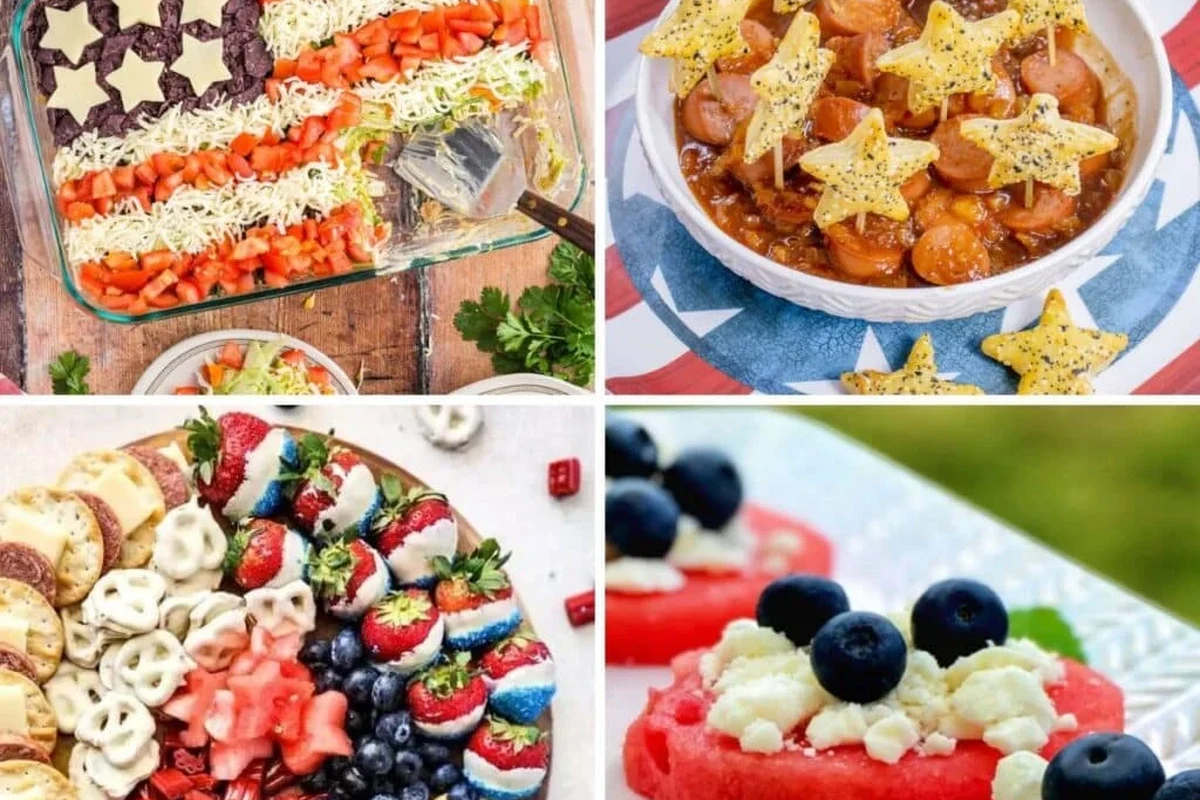
4th of July appetizers are small, shareable foods served before or alongside the main cookout meal. They usually lean on picnic-friendly formats like dips, skewers, sliders, chips, fried bites, veggie trays, and assemble-only snacks that can sit out briefly without losing all their appeal.
For 2026 gatherings, the best choices are still the ones that travel well, hold texture, and do not require complicated last-minute finishing. If you want a crowd-pleasing spread, think in terms of variety: one cool item, one hot item, one crunchy item, and one protein-based option.
Who These Appetizers Are Best For: Backyard Hosts, Potluck Guests, and Busy Families
These appetizers are ideal for backyard hosts who need food that can be served outdoors with minimal fuss. They also work well for potluck guests because many can be packed in containers, transported safely, and arranged quickly at the destination.
Busy families benefit from this style too, especially when dinner needs to double as the party menu. If you are feeding children, older relatives, or mixed age groups, choose foods with familiar flavors and keep at least a few mild options on the table.
Best with no-cook platters, simple dips, and assembly-only bites.
Can handle baked, grilled, or fried snacks with a little planning.
Can build a more varied spread with make-ahead components and layered flavor.
Key Ingredients and Flavor Building Blocks for Crowd-Pleasing Fourth of July Snacks
The most reliable party appetizers start with ingredients that are easy to prep and easy to recognize. Fresh produce, dips, cheeses, tortillas, bread, cooked meats, beans, and pantry staples all work well because they can be mixed and matched without a lot of special equipment.
Fresh, Make-Ahead, and Budget-Friendly Ingredient Options
Fresh ingredients like tomatoes, cucumbers, corn, herbs, berries, and citrus add color and brightness. Make-ahead staples such as hummus, salsa, hard-boiled eggs, shredded chicken, canned beans, crackers, and tortillas help keep costs and stress down.
If you are shopping on a budget, build the menu around one or two anchor ingredients and then extend them with affordable add-ons. For example, a bean dip can be topped with salsa, cheese, or chopped vegetables, while a simple slaw can be turned into a filling for sliders or tacos.
For party planning, the smartest snacks are the ones that stretch well, travel safely, and still taste good after sitting out briefly.
How to Balance Sweet, Salty, Smoky, and Spicy Flavors
A good Fourth of July spread does not need every flavor in every dish. Instead, balance the table as a whole: something sweet like fruit salsa or glazed bites, something salty like chips or seasoned crackers, something smoky from grilled vegetables or meats, and something spicy for guests who like heat.
If you are serving a mixed crowd, keep spice on the side when possible. That lets guests customize without making the entire platter too hot for kids or heat-sensitive eaters.
Use fresh herbs, lime or lemon juice, pickled vegetables, and a little salt to make simple ingredients taste brighter without adding much prep time.
Easy Cooking Techniques That Work for Street Food & Snacks Style Appetizers
Street food-style appetizers are usually built for speed, portability, and strong texture. That makes them a great fit for holiday gatherings because they can be cooked in batches or assembled from components right before serving.
No-Cook, Grill, Fry, Bake, and Assemble-Only Methods
No-cook options include fruit platters, layered dips, roll-ups, pinwheels, and cheese boards. Grill-based snacks like skewers, corn, and mini sandwiches bring a smoky note that suits outdoor celebrations, while baked items such as stuffed jalapeños, biscuit bites, or mini hand pies are easier to batch than many stovetop dishes.
Fried snacks can be festive, but they need careful timing because they lose crispness quickly. Assemble-only methods are often the easiest for large groups because the components can be prepared ahead and built just before guests arrive.
How to Keep Batches Fast, Crisp, and Party-Ready
Batch cooking works best when you separate the parts that can be made early from the parts that need final heat or assembly. Keep crunchy toppings, sauces, and fresh herbs off until the last minute so they do not soften the whole tray.
For a crisp finish, spread hot foods out on a rack or lined tray rather than stacking them. If you are making several trays, rotate them in and out in a planned order so the first batch is not cold before the last batch is done.
- Prep dips and chopped toppings earlier in the day, then assemble just before serving.
- Use shallow trays for hot appetizers so steam escapes faster.
- Keep sauces in squeeze bottles or small bowls for faster self-serve setup.
How to Choose the Right Appetizers for Your Crowd, Budget, and Serving Setup
The best appetizer menu is the one that fits your guest count, your equipment, and your serving space. A backyard with a grill and cooler can handle different foods than a small apartment patio or a potluck table with limited outlets and no warming gear.
Decision Criteria: Prep Time, Heat Tolerance, Transport, and Portion Size
Start by asking how long the food can sit comfortably before it is served. Then consider whether it needs to stay hot, chilled, or room temperature, and whether it will travel in a car, cooler, or insulated bag.
Portion size matters too. Small bites are easier for mingling, while slightly larger snacks can help bridge the gap between appetizers and dinner. If your event includes children, choose options that are easy to hold and not too messy.
Best Options for Large Gatherings vs. Small Family Celebrations
Large gatherings usually do best with scalable foods like sliders, trays of pinwheels, vegetable platters, chips with dip, and skewers. These can be multiplied without changing the method much, which makes them practical for catering-style spreads; see also catering appetizers for more planning ideas.
Small family celebrations can be more flexible. You might choose one hot appetizer, one chilled snack, and one easy dessert-like bite such as fruit cups or berry skewers. If you want a healthier balance on the table, the ideas in healthy food appetizers can help you round out the menu.
| Option | Best For | Key Consideration |
|---|---|---|
| Cold platters and dips | Big groups and potlucks | Need food-safe chilling and quick serving |
| Grilled skewers and sliders | Backyard cookouts | Need timing so they stay hot and juicy |
| Assemble-only bites | Busy hosts | Need fresh components and good organization |
Common Mistakes to Avoid When Making 4th of July Appetizers
Many party snacks fail for simple reasons: too much moisture, too little seasoning, or poor timing. The good news is that these problems are easy to avoid once you know what to watch for.
Overcrowding, Soggy Textures, Weak Seasoning, and Timing Problems
Overcrowding happens when too many items are placed on one tray or in one pan, which traps steam and softens crisp foods. Soggy textures also show up when wet ingredients are added too early, especially on toast points, chips, or fried bites.
Weak seasoning is another common issue. Because appetizers are small, they need enough salt, acid, and seasoning to stand out, but that does not mean making everything intense. The goal is clear flavor, not heaviness.
- Season in layers and taste components before assembly.
- Keep crunchy and wet ingredients separate until serving time.
- Stagger cooking so hot foods land on the table fresh.
- Piling hot food into deep containers right away.
- Adding sauces too early to crisp snacks.
- Assuming bland foods will improve once guests arrive.
Food Safety, Doneness Cues, and Outdoor Serving Tips for Summer Events
Outdoor parties need a little more planning because heat, sun, and time can all affect food safety. For current official guidance, check USDA or your local health authority, especially if you are serving meat, dairy, eggs, or seafood.
Safe Holding Temperatures, Cross-Contamination Prevention, and Chill Time
Keep cold foods cold and hot foods hot, and do not leave perishables out too long in warm weather. Use clean serving utensils for each dish, keep raw and cooked foods separate, and replace platters that have been sitting out for too long instead of topping them off with fresh food.
If your menu includes items like chicken, beef, shrimp, or egg-based dishes, follow recognized safe internal-temperature guidance and use a food thermometer where appropriate. A good shortcut is to prepare a food safety plan before the party starts, including cooler space, ice packs, and a clear rotation for refilling trays.
Do not rely on smell or appearance alone to judge safety. When in doubt, follow official food-safety guidance and discard food that has been held too long or shows spoilage signs.
Storage, Reheating, and Make-Ahead Planning for Leftovers and Party Prep
Make-ahead planning saves time, but only if you store and reheat foods correctly. The best approach is to prep components in advance, then finish them close to serving so texture and safety both stay on track.
How Long Different Appetizers Keep and the Best Reheat Methods
Storage time depends on the ingredients, how the food was handled, and whether it stayed properly chilled. In general, perishable foods should be refrigerated promptly and kept in covered containers; always verify specific guidance from trusted food-safety sources if you are unsure.
Reheat hot appetizers until they are steaming hot throughout, following safe temperature guidance for the food type. Crisp items usually reheat best in an oven, toaster oven, or air fryer, while saucy dishes may do better on the stove or in the microwave with stirring between intervals.
Some appetizers, like fresh salsa, cut fruit, or leafy platters, are better served cold and do not improve much after reheating. Plan leftovers accordingly so you are not forced to save foods that will lose quality fast.
- Choose appetizers that fit your serving setup, not just your menu idea.
- Balance the table with cold, hot, crunchy, and protein-based options.
- Keep texture by separating wet and crisp components until serving time.
- Follow official food-safety guidance for holding, chilling, and reheating.
Final Recommendation: The Best 4th of July Appetizer Strategy for Easy, Festive Success
The easiest way to build strong 4th of July appetizers is to keep the menu simple, varied, and weather-friendly. Pick one or two make-ahead items, one hot snack, and one fresh platter, then organize your serving setup so the food can move from prep to table without losing quality.
If you want the most reliable result, choose foods that are easy to portion, easy to transport, and easy to eat while standing. That approach works for backyard parties, potlucks, and family cookouts alike, and it keeps the celebration focused on guests instead of kitchen stress.
Common Questions
A good one is easy to eat, easy to serve, and sturdy enough for outdoor weather. It should also fit your guest count and prep time.
Both can work well. A balanced spread usually includes one or two cold items and at least one hot snack.
Dips, pinwheels, fruit trays, and chopped vegetable platters are strong choices. They save time and can be assembled quickly.
Use coolers, ice packs, and shallow serving trays. Keep perishable foods out for as little time as possible.
Avoid foods that turn soggy fast or need constant temperature control. Delicate fried items and overly wet snacks can be tricky.
Frequently Asked Questions
Dips, pinwheels, fruit platters, and chopped veggie trays are among the easiest. They can be prepped earlier in the day and assembled quickly before guests arrive.
Keep sauces and wet toppings separate until the last minute. Use shallow trays and avoid stacking hot foods too tightly.
Sliders, skewers, chips with dip, veggie platters, and tray bakes scale well. They are easy to multiply without changing the method much.
Perishable foods should not sit out too long in warm weather. Follow USDA or local health authority guidance and discard food that has been held beyond safe limits.
Check safe internal temperatures and how the food will be held until serving. A food thermometer is the most reliable way to confirm doneness.
Yes. Build around seasonal produce, beans, tortillas, crackers, and simple dips. Stretch one main ingredient with fresh toppings or sauces.