Easy Snacks for Kids

Easy snacks for kids work best when they are simple, filling, and safe for the child’s age. Belizean pantry staples like fruit, tortillas, beans, cheese, yogurt, and bread make that easy to do.
Easy snacks for kids should be fast, affordable, safe, and familiar enough that children will actually eat them. In Belizean kitchens, that often means using fruit, tortillas, cheese, beans, yogurt, bread, or simple baked bites that come together with little fuss.
- Keep it simple: The easiest snacks use a few familiar ingredients and little cleanup.
- Balance matters: Pair fruit or bread with protein or fat for better staying power.
- Safety first: Cut foods for younger children and follow food-safety storage guidance.
- Plan for portability: Use ice packs and sturdy containers for school, travel, and beach days.
Easy Snacks for Kids: Quick Belizean-Inspired Ideas Parents Can Make Today
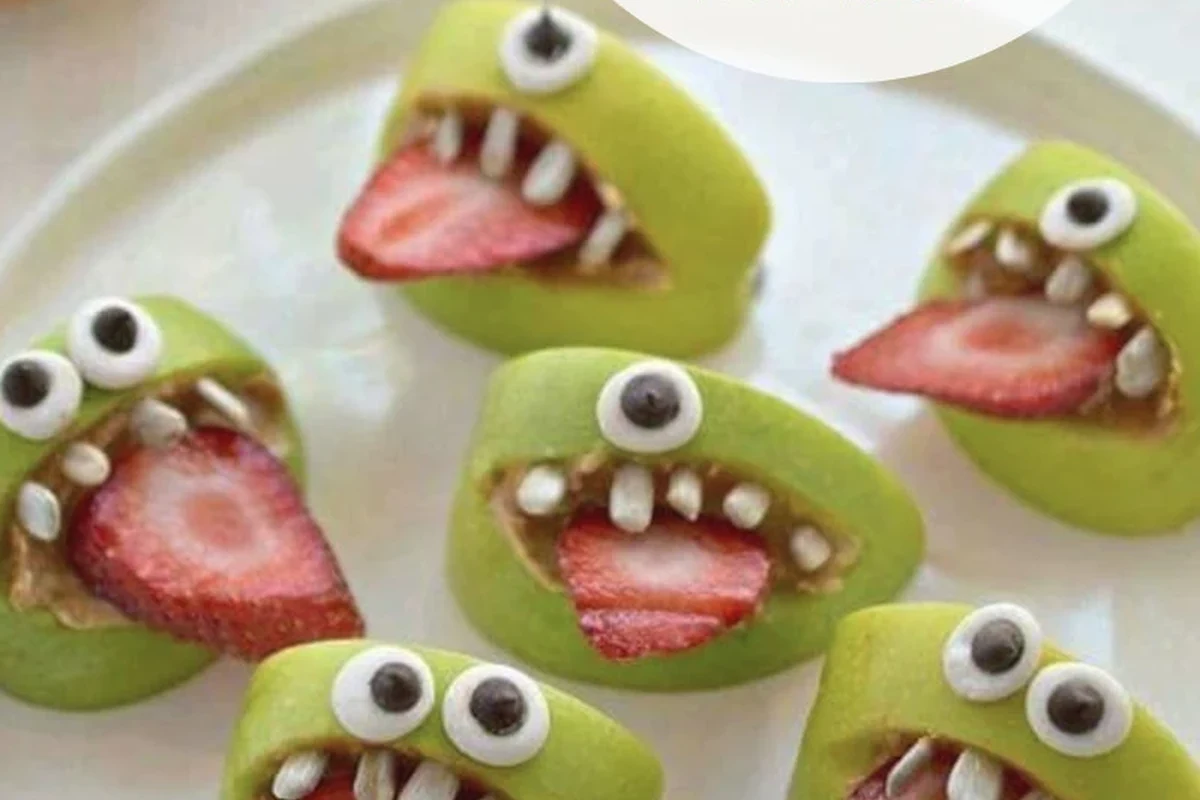
For busy parents, the best snack is the one you can put together with what is already in the kitchen. This guide focuses on simple, kid-friendly ideas that fit school mornings, after-school hunger, weekend outings, and the kind of everyday snacking that happens between meals.
When we say “Belizean-inspired,” we mean snacks that use familiar local pantry staples and straightforward home-style flavors, not complicated recipes or special equipment.
What Makes a Snack “Easy” for Kids in Real Life?
“Easy” is not just about the recipe. For parents, it usually means a snack that can be made quickly, costs reasonably little, uses ingredients you already have, and leaves minimal cleanup behind.
Time, cost, ingredients, and cleanup
A snack feels easy when you do not need a long shopping list or a long prep session. Fresh fruit, bread, tortillas, oats, peanut butter, cheese, and canned or cooked beans are common examples of ingredients that can stretch into several snack options without much effort.
Cleanup matters too. A no-cook snack or a one-pan bake is often more realistic than something that needs multiple bowls, a mixer, and a long cooling time. That is why many families keep a few repeatable snack formulas on hand rather than chasing brand-new recipes every day.
Age-appropriate texture and portion size
What is easy for one child may not be safe or practical for another. Younger children usually need softer textures, smaller pieces, and foods that are easy to chew and swallow.
Cut round foods like grapes, cherry tomatoes, and hot dogs into safer shapes for younger children, and avoid hard, sticky, or large choking hazards. For age-specific choking guidance, follow recognized pediatric and public health recommendations.
Portion size also matters. A snack should take the edge off hunger without replacing a meal unless that is your intention. Small servings of fruit plus protein, or starch plus a little fat, usually work better than a huge sugar-heavy snack that leaves kids hungry again soon after.
Best Ingredients to Keep on Hand for Easy Kids’ Snacks
A stocked kitchen makes snack time much simpler. If you keep a few flexible ingredients around, you can build several snack options from the same base foods.
Budget-friendly staples found in Belizean kitchens
Common Belizean pantry and fridge staples often include tortillas, bread, eggs, beans, cheese, plantains, bananas, papaya, mango, peanut butter, oats, crackers, and plain yogurt. These ingredients can be turned into sweet or savory snacks with very little extra work.
For families who want more filling snacks, beans, eggs, and cheese add protein, while tortillas, bread, oats, and fruit provide easy energy and fiber. If you want more ideas that work beyond kid snacks, our quick and easy meal ideas guide can help you build from the same pantry basics.
Fresh, shelf-stable, and freezer-friendly options
A balanced snack pantry usually includes three types of ingredients. Fresh items like fruit, yogurt, cucumbers, and cheese help with quick assembly. Shelf-stable items like crackers, oats, canned beans, nut or seed butters, and tortillas are useful when shopping is delayed. Freezer-friendly items like sliced bread, muffins, or cooked plantains can save time later in the week.
Keep a “snack shelf” or bin with the ingredients you use most often. When kids are hungry and impatient, visibility matters almost as much as variety.
How to Build a Balanced Snack Kids Will Actually Eat
The best easy snacks for kids usually combine at least two food groups. That makes the snack more satisfying and reduces the chance that a child will be hungry again in 10 minutes.
Mixing protein, fiber, and natural sweetness
Protein helps snacks feel more filling, while fiber from fruit, vegetables, beans, or whole grains adds staying power. Natural sweetness from fruit can make a snack more appealing without needing a lot of added sugar.
Good examples include apple slices with peanut butter, cheese with crackers, yogurt with banana, tortilla roll-ups with beans, or mango with a little plain yogurt. These are simple combinations, but they work because they balance taste and texture.
Simple flavor combinations that work well
Kids often prefer snacks that are easy to recognize. Mild savory flavors, lightly sweet fruit pairings, and familiar textures usually work better than overly spicy or heavily seasoned foods.
- Use one main flavor idea per snack instead of mixing too many ingredients.
- Keep dips simple, such as yogurt, hummus, bean mash, or peanut butter.
- Offer crunchy and soft options so children can choose what feels best.
If your household likes sweeter snack ideas, you may also find our sweet snacks Belizean guide useful for flavor inspiration that still stays fairly simple.
10 Easy Snack Ideas for Kids Using Everyday Ingredients
These ideas are designed to be flexible, not rigid recipes. You can adjust the ingredients based on what is available, what your child likes, and any food allergies or dietary needs.
No-cook snacks for busy afternoons
1. Fruit and yogurt cups. Layer banana, papaya, mango, or berries with plain or lightly sweetened yogurt. Add a spoonful of oats or granola if the child is old enough to eat it safely.
2. Peanut butter banana toast. Toast bread, spread peanut butter, and top with banana slices. For a nut-free version, use sunflower seed butter if your child can have it.
3. Cheese and crackers. This is one of the simplest school-day snacks because it is fast, familiar, and easy to pack.
4. Bean dip with tortilla chips or soft tortilla wedges. Mash cooked beans with a little oil, lime, or mild seasoning. Keep the texture smooth for younger children.
5. Fruit skewers or fruit cups. Use soft, bite-size fruit pieces. For younger kids, skip sharp skewers and serve the fruit in a cup instead.
If you need more portable ideas for grown-ups too, our snacks for work article has several practical grab-and-go concepts that can also inspire family snack boxes.
Quick stovetop or oven-baked snacks
6. Mini cheese quesadillas. Warm a tortilla with cheese, then cut into small triangles. This is a good option when you want something warm without much effort.
7. Egg muffins or baked egg cups. Whisk eggs with chopped vegetables and bake in a muffin tin. These are helpful when you want a protein-rich snack that can be made ahead.
8. Baked plantain rounds. Slice ripe plantains and bake until tender. They offer natural sweetness and a soft texture many children enjoy.
9. Oat muffins or simple banana-oat bites. These work well for breakfast-style snacking and can be made with everyday pantry ingredients.
Exact baking times vary by oven, pan size, and ingredient moisture. Check for doneness by texture and color rather than relying only on the clock.
Portable snacks for school, travel, and beach days
10. Tortilla roll-ups. Spread bean mash, cream cheese, or peanut butter on a tortilla, roll it tightly, and slice into pinwheels if the child is old enough for that shape.
For lunch boxes or outings, choose snacks that travel well and do not need to stay hot for long. If you are packing for midday meals too, our snacks for lunch guide offers more ideas that fit containers and coolers.
- Choose soft, age-appropriate textures.
- Pack enough food for the time away from home.
- Use an insulated bag or ice pack for cold foods when needed.
- Keep napkins, wipes, and a spill-proof container handy.
Smart Substitutions for Picky Eaters and Dietary Needs
Flexible snacks are easier to keep in rotation because they can be adjusted without starting over. That matters when a child refuses one ingredient or when a family is managing allergies or food restrictions.
Dairy-free, egg-free, and gluten-free swaps
For dairy-free snacks, try fruit with nut or seed butter, bean dip, avocado mash, or dairy-free yogurt if available. For egg-free snacks, focus on fruit, toast, tortillas, beans, or baked oat snacks. For gluten-free snacks, use corn tortillas, rice cakes, fruit, yogurt, potatoes, beans, or certified gluten-free oats if appropriate for your household.
Always read labels carefully if allergies are involved. Cross-contact can happen during manufacturing or in the kitchen, so families with serious allergies should follow a doctor’s guidance and official allergen safety advice.
Healthier swaps for sugar, salt, and frying
If you want to reduce added sugar, lean on ripe fruit, cinnamon, vanilla, or a small amount of honey for older children only if appropriate. If you want to reduce salt, choose plain crackers, unsalted nuts or seeds where age-appropriate, and mild homemade dips instead of heavily seasoned packaged snacks.
Baking instead of frying is often easier for cleanup and can be more practical for batch prep. Still, the goal is not perfection; it is a snack that fits your family’s routine and keeps kids satisfied.
Food Safety and Storage Tips for Kids’ Snacks
Snack safety matters just as much as flavor. That is especially true for dairy, eggs, cooked beans, and cut fruit, which can spoil faster than shelf-stable foods.
Safe handling for fresh fruit, dairy, and cooked foods
Wash hands, rinse produce, and keep raw and ready-to-eat foods separate. Use clean containers and utensils, and refrigerate perishable snacks promptly after prep.
For cooked eggs, bean dishes, and other hot foods, follow recognized food-safety guidance for safe internal temperatures. When in doubt, check official USDA or local health authority recommendations rather than guessing.
If a snack contains dairy, eggs, meat, or cooked beans, it should not sit out for long in warm weather. Belizean heat can make a cooler or insulated lunch bag especially important for outings, school, and beach days.
How long snacks last in the fridge, freezer, or lunchbox
Storage time depends on the food, the container, and the refrigerator temperature. In general, homemade snacks with perishable ingredients should be refrigerated soon after making them and eaten within a safe window recommended by official food-safety guidance or the recipe’s ingredient labels.
Nonperishable snacks like crackers, tortillas, and some baked goods usually last longer in the pantry, but they still need to be kept dry and sealed. For lunchboxes, use an ice pack when needed and discard food that has been left out too long in unsafe temperatures.
Throw away food that smells off, looks slimy, shows mold, or has been sitting in unsafe conditions. When a snack’s safety is uncertain, it is better not to serve it.
Common Mistakes to Avoid When Making Snacks for Kids
Most snack problems come from trying to make the food too fancy or too large. Simple usually wins, especially with children.
Overcomplicating recipes and using too many ingredients
Kids often do better with snacks that are easy to recognize. If a snack has too many flavors, too many textures, or too many steps, it can become more work for the parent and less appealing to the child.
It is usually better to repeat a few reliable combinations than to invent a new snack every day. That also makes shopping, prep, and cleanup easier.
Poor portioning, soggy textures, and unsafe choking hazards
Large portions can overwhelm younger children, while soggy snacks can turn them off quickly. Pack wet ingredients separately when possible, and assemble right before eating if texture matters.
- Cut foods into age-appropriate pieces.
- Keep dips and crunchy items separate until serving.
- Use small, manageable portions that match the child’s appetite.
- Serving whole grapes, large nuts, or other choking risks to young children.
- Leaving perishable snacks out too long.
- Overfilling containers so children cannot finish the snack comfortably.
Final Recommendation: The Best Easy Snacks for Kids by Situation
The best choice depends on when and where the snack will be eaten. For school mornings, the most practical options are fruit and yogurt cups, cheese and crackers, or peanut butter toast because they are fast and easy to pack.
For after-school hunger, warm snacks like mini quesadillas, egg muffins, or baked plantain rounds usually feel more satisfying. For weekend treats, fruit skewers, tortilla roll-ups, or a small baked snack can feel a little more special without becoming complicated.
If you want the simplest rule, keep one fruit, one protein, and one ready-to-eat starch in the kitchen at all times. That small habit makes easy snacks for kids much easier to repeat day after day.
Common Questions
Fruit, cheese, crackers, or toast with peanut butter can come together in minutes.
Simple, familiar foods like banana slices, yogurt, tortilla roll-ups, and mini quesadillas are often easier wins.
Combine a carbohydrate with protein or fat, such as fruit with yogurt or crackers with cheese.
Avoid common choking hazards like whole grapes, large nuts, and hard sticky candies.
Yes, as long as you use safe containers and keep perishable foods cold when needed.
Frequently Asked Questions
Fruit with yogurt, cheese and crackers, peanut butter toast, and tortilla roll-ups are among the easiest options. They use everyday ingredients and need very little prep.
Pair a carbohydrate with protein or fat, such as fruit with yogurt or toast with peanut butter. That combination usually helps kids stay satisfied longer.
Choose snacks that travel well, such as crackers, fruit cups, cheese, muffins, or tortilla roll-ups. Use an ice pack for anything perishable.
Keep flavors mild, portions small, and ingredients familiar. Offer one new item alongside a snack you know the child already likes.
Use soft textures and cut foods into small, age-appropriate pieces. Avoid common choking hazards such as whole grapes, large nuts, and hard sticky candies for young children.
It depends on the food and the temperature, but perishable snacks should not sit out for long in warm conditions. Follow official food-safety guidance and discard food if you are unsure.