How to Cook Pork Chops Juicy

To cook juicy pork chops, sear them in a hot skillet and finish in the oven until they reach an internal temperature of 145°F. Always allow the meat to rest for at least five minutes before serving to ensure the juices remain inside.
Achieving juicy pork chops at home is less about luck and more about mastering temperature control and preparation. By understanding the science of muscle fibers and utilizing the right heat, you can consistently produce tender, succulent results that rival professional kitchens.
- Target Temperature: Aim for 145°F to ensure safety without drying out the meat.
- Use a Thermometer: Digital meat thermometers are the only accurate way to avoid overcooking.
- Resting Period: Always rest pork for 5-10 minutes to lock in the natural juices.
- Thickness Matters: Choose chops at least 1-inch thick for the best cooking results.
The Secret to Perfectly Juicy Pork Chops: The BelizeanRecipe Standard
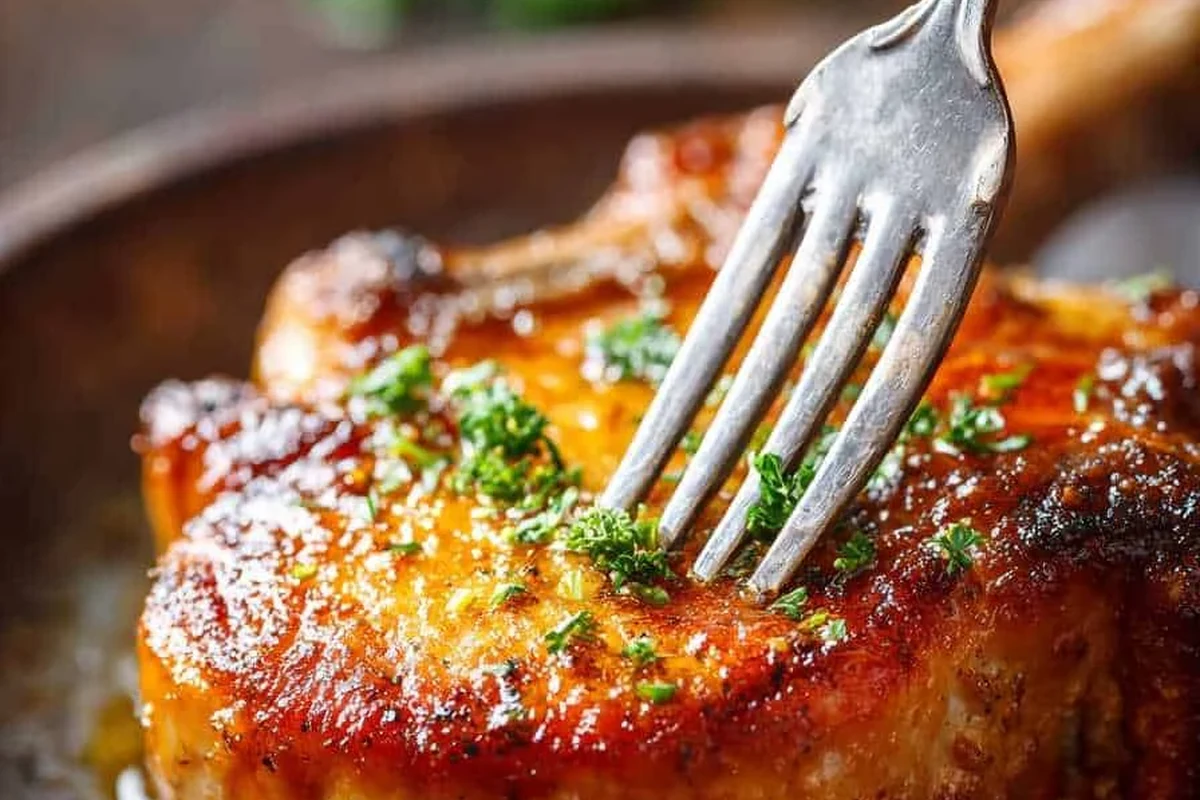
The journey to a succulent pork chop begins with respecting the meat’s structure. Often, home cooks treat pork chops like thin steaks, searing them at high heat until they become tough and fibrous. Because pork is a lean protein, it lacks the intramuscular fat found in marbled beef, meaning it has a lower threshold for error.
Why Most Home Cooks Overcook Pork
For decades, outdated safety guidelines encouraged cooking pork until it was grey throughout, leading to a widespread habit of overcooking. In 2026, we know that pork is safe when cooked to a much lower internal temperature. When you cook past the recommended point, the proteins contract and squeeze out all the moisture, resulting in the dry, “rubbery” texture many people associate with pork.
The Golden Rule: Temperature Over Time
The most reliable way to ensure juiciness is to prioritize the internal temperature over a fixed cook time. Every stove and pan performs differently, so relying on a timer is often a recipe for disappointment. Instead, aim for the target internal temperature and pull the meat off the heat just before it hits that mark, allowing carry-over cooking to do the rest.
Just as you must manage heat carefully for delicate proteins like chicken, pork requires a watchful eye. If you are ever curious about how to handle other proteins, you might find our guide on how long to cook frozen chicken breast in an Instant Pot helpful for understanding how different cooking methods impact texture.
Understanding Your Cut: Bone-In vs. Boneless
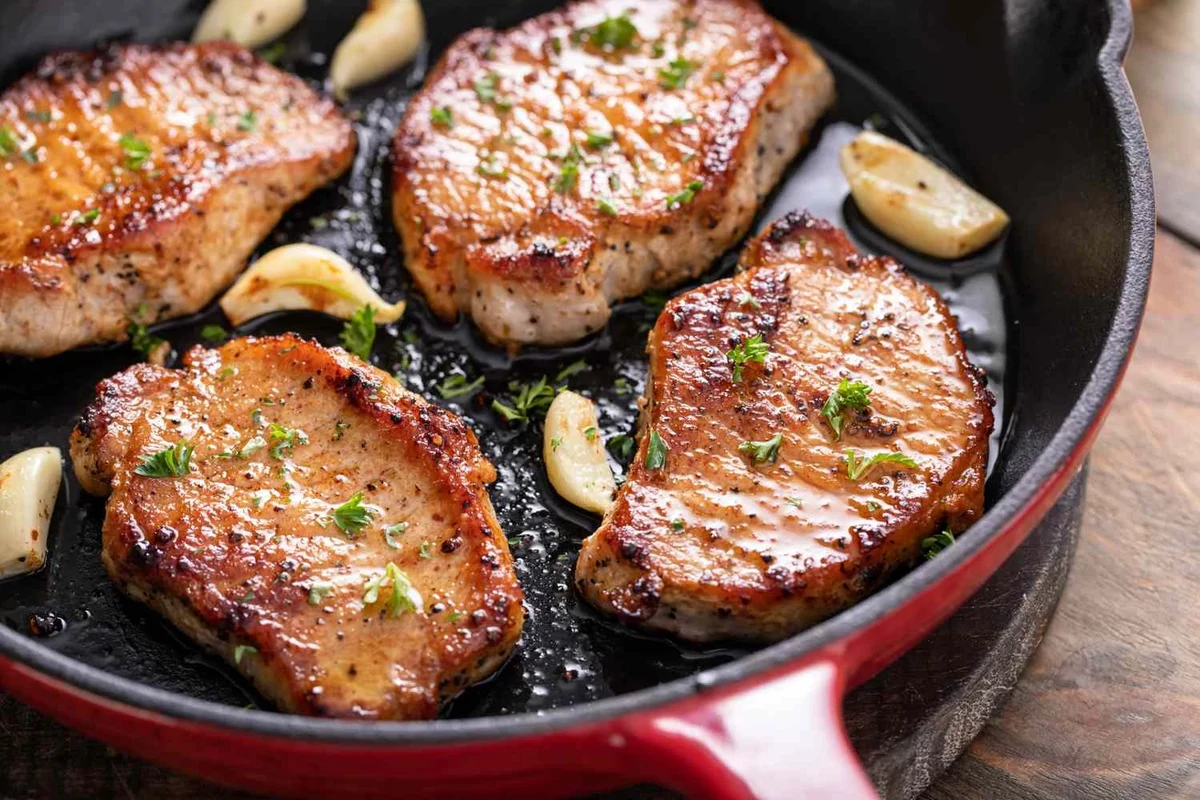
The cut of meat you choose significantly dictates how it will behave in the pan. Bone-in chops generally offer more flavor and a slightly slower, more even cook because the bone acts as an insulator. Boneless chops are convenient and cook faster, but they are also more prone to drying out if left on the heat for even a minute too long.
Selecting the Best Pork Chops for Maximum Moisture
Look for chops that are well-trimmed but still have a thin layer of fat on the edge. This fat renders down during the searing process, basting the meat and adding richness. If you are looking to balance a hearty meal with a sweet finish, you might consider pairing your savory pork with a simple homemade chocolate cake as a perfect dessert.
The Importance of Thickness for Even Cooking
Always aim for chops that are at least 1 to 1.5 inches thick. Thin chops often overcook in the center before you can achieve a proper crust on the outside. Thick cuts provide a buffer, allowing you to develop a deep, golden-brown sear while keeping the center tender and juicy.
Essential Ingredients and Flavor Profiles
Flavor is important, but for juiciness, preparation is paramount. Brining is the most effective way to ensure moisture retention. By soaking your chops in a simple solution of salt, water, and aromatics for 30 to 60 minutes, you change the structure of the muscle proteins so they can hold onto more liquid during the cooking process.
Seasoning is a personal choice, but avoid heavy sugar-based rubs if you plan to sear at high temperatures, as they can burn before the meat is cooked through.
Step-by-Step Technique: The Sear-and-Finish Method
The most professional way to cook a chop is to start on the stovetop and finish in the oven.
Take the pork out of the refrigerator 20 minutes before cooking. This ensures the center isn’t ice-cold, which helps the chop cook evenly.
Heat a heavy-bottomed cast iron skillet over medium-high heat with a high-smoke-point oil. Sear the pork until a deep golden crust forms, about 3-4 minutes per side.
Transfer the skillet to a preheated 400°F (200°C) oven to finish cooking gently until the internal temperature reaches the target.
The Crucial Rest Period: Why You Must Wait
Never slice into your pork immediately. Resting the meat on a warm plate for 5 to 10 minutes allows the juices, which have migrated to the center during cooking, to redistribute throughout the fibers. If you cut too early, those juices will run out onto the board, leaving you with a dry chop.
Food Safety and Doneness Cues
In 2026, the standard for safe pork consumption is an internal temperature of 145°F (63°C), followed by a 3-minute rest. Using a digital instant-read thermometer is the only way to verify this safely.
Do not rely on the color of the meat or the clarity of the juices to determine doneness, as these are unreliable indicators. Always use a calibrated digital thermometer.
Common Mistakes and How to Troubleshoot Them
If your chops are rubbery, you likely overshot the temperature. If they are dry, you may have used a pan that was too thin, causing uneven heat distribution. For those who enjoy traditional preparations, sometimes experimenting with classic techniques, like learning how to make an aloo chop recipe, can help improve your overall comfort and confidence with heat management in the kitchen.
Proper Storage and Reheating Guidelines
Store leftover pork in an airtight container in the refrigerator for up to 3 days. When reheating, do not use the microwave on high power, as it will dry out the meat instantly. Instead, place the chops in a skillet with a splash of water or broth, cover with a lid, and warm over low heat until just heated through.
Final Verdict: Achieving Restaurant-Quality Results at Home
The secret to juicy pork isn’t a complex recipe; it is disciplined heat management. By selecting thick-cut chops, utilizing a quick brine, searing for color, and finishing to a precise internal temperature of 145°F, you can easily master this dish. The rest period is the final, non-negotiable step to ensuring every bite remains succulent.
Common Questions
Use a digital instant-read thermometer to check the thickest part of the chop; it is done when it reaches 145°F.
Yes, as long as the internal temperature has reached 145°F, the pork is safe and will be more tender than if cooked to grey.
Loosely tenting the pork with aluminum foil helps keep it warm while it rests without steaming the crust you worked hard to create.
Use oils with a high smoke point, such as avocado, grapeseed, or canola oil, to prevent burning during the sear.
Thin chops cook very quickly and are prone to drying; if using thin ones, sear them over high heat for only 1-2 minutes per side.
Frequently Asked Questions
The ideal internal temperature is 145°F (63°C), followed by a 3-minute rest period. This ensures the pork is safe while remaining tender and moist.
Yes, brining is an excellent way to add moisture. Soaking chops in a salt-water solution for 30-60 minutes helps the meat retain juices during the cooking process.
Dry pork chops are usually the result of overcooking or not letting the meat rest. Ensure you use a thermometer to avoid exceeding 145°F and always rest the meat before slicing.
It is safer and more effective to thaw pork chops completely before cooking. Cooking from frozen often leads to an uneven crust and an overcooked exterior before the center is safe to eat.
A cast iron skillet is the best choice because it retains heat well and provides an even, deep sear. Stainless steel is a good alternative if it has a heavy, conductive base.
You should rest your pork chops for at least 5 to 10 minutes. This allows the internal juices to redistribute throughout the fibers for maximum tenderness.