Meal Prep Ideas with Chicken Breast

meal prep ideas with chicken breast becomes easier to understand when you focus on the key facts, common mistakes, and practical steps first.
- Match the activity: Choose features for the user, terrain, weather, space, and frequency of use.
- Verify fit: Check size, compatibility, dimensions, limits, included parts, warranty, and return policy.
- Inspect regularly: Cleaning, storage, wear checks, and replacement guidance affect safety and value.
- Know the limits: Performance and protection vary by product, setup, user, environment, and skill.
Meal Prep Ideas with Chicken Breast

Mastering chicken breast for meal prep is one of the most effective ways to simplify your week. Because chicken breast is lean and relatively neutral in flavor, it acts as a versatile canvas for a wide variety of seasonings, marinades, and cooking methods. Whether you are aiming for quick grab-and-go lunches or structured dinners, having a batch of pre-cooked chicken ready in your refrigerator can save you hours of active cooking time.
At BelizeanRecipe, I often emphasize that successful meal prep isn’t just about cooking in bulk; it’s about preparing ingredients that remain appetizing and safe throughout the week. From shredded chicken for tacos to sliced strips for salads, the key lies in proper seasoning, correct internal cooking temperatures, and airtight storage.
If you prefer a smoky, outdoor-inspired flavor for your meal prep, try using a Ninja Woodfire Grill Chicken Breast Recipe. The intense heat and smoke flavor hold up incredibly well even after a day or two in the fridge.
Essential Cooking Techniques for Meal Prep
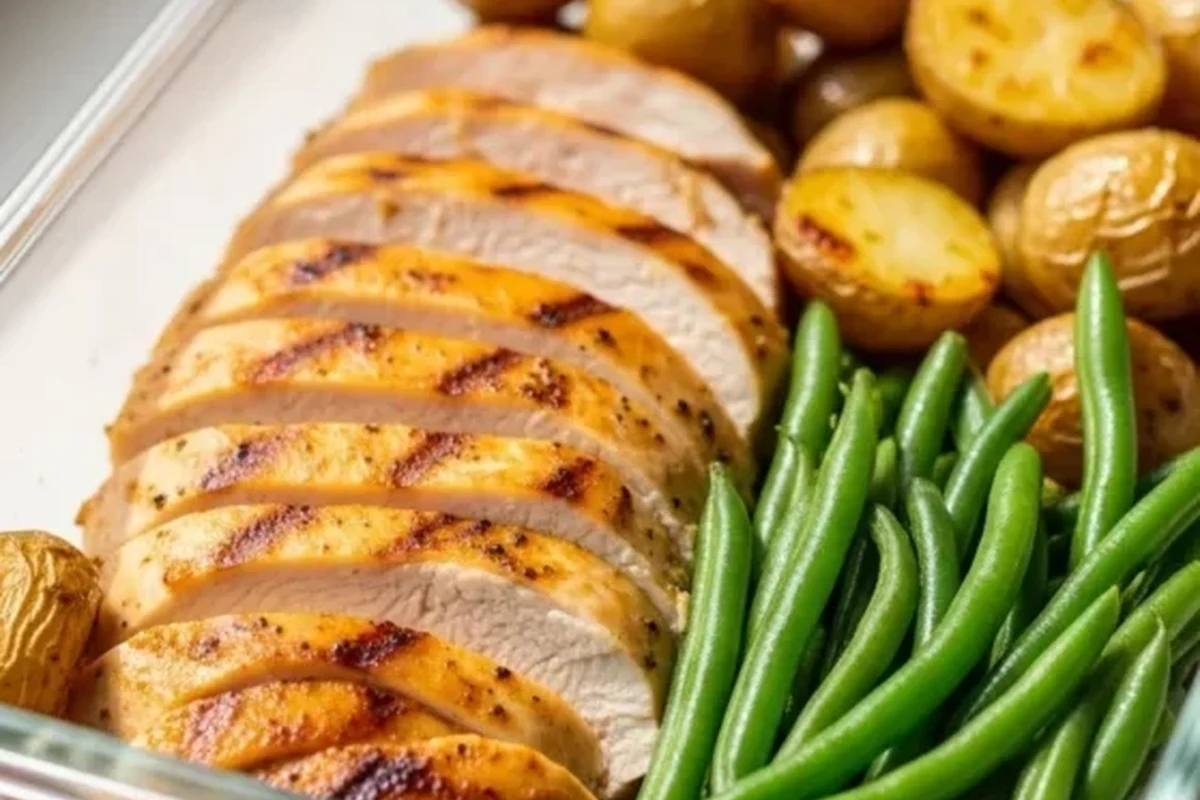
To keep chicken breast from becoming dry during the week, choose cooking methods that lock in moisture. Avoid overcooking, which is the primary reason home cooks find meal-prepped chicken unappealing by Wednesday.
Flavor Profiles and Versatility
The biggest mistake in meal prep is “flavor fatigue.” If you cook five pounds of plain, boiled chicken, you will likely struggle to finish it. Instead, focus on “base” cooking—preparing the chicken with minimal seasoning—and then diversifying with sauces, or batch-cooking multiple flavor profiles.
- Lean protein source for balanced macros
- Cooks faster than bone-in cuts
- Easily shredded, cubed, or sliced
- Can dry out if overcooked
- Lacks the fat content of thighs
- Requires aggressive seasoning
Consider creating a “Belizean-style” base by marinating your chicken in recado (achiote paste), lime juice, and garlic. This base works perfectly for Belizean Chicken Tacos or as a protein topper for rice and bean bowls.
Food Safety and Storage Best Practices
Food safety is non-negotiable when preparing meals for the week. Bacteria thrive in the “danger zone” between 40°F and 140°F. Following these steps ensures your meal prep remains safe and high-quality.
According to USDA guidelines, cooked chicken should be stored in the refrigerator at 40°F or below and consumed within 3 to 4 days. If you prep more than you can eat in that window, portion it into freezer-safe containers immediately after cooling.
- Cool chicken quickly before sealing containers.
- Use a food thermometer to ensure an internal temperature of 165°F.
- Use airtight glass containers to prevent odors and moisture loss.
- Leaving cooked chicken out on the counter for more than two hours.
- Storing chicken with raw vegetables if they are meant to be eaten raw.
- Reheating the same portion multiple times.
Reheating Tips for Moist Chicken
Reheating is where most meal-prepped chicken fails. Microwaving chicken breast on high for two minutes will almost always lead to rubbery, tough meat. To avoid this, try these methods:
- The Splash Method: Add a tablespoon of water, broth, or sauce to your container before microwaving. Cover it with a damp paper towel to create a gentle steam environment.
- Low and Slow: If you are home, reheat your chicken in a skillet over medium-low heat with a small amount of oil or butter.
- Cold Usage: If your chicken is cooked well, it doesn’t always need reheating. It can be excellent served cold in salads or wraps.
Decision Criteria: Choosing Your Method
When planning your week, consider how much time you have and what your schedule looks like. If you have a busy week ahead, prioritize “one-pot” meals where the chicken is cooked directly in the sauce. If you want variety, stick to the “base-cook” method where you prepare plain chicken and add different sauces each day.
| Method | Best For | Texture |
|---|---|---|
| Poaching | Shredded tacos/salads | Very moist |
| Roasting | Grain bowls/wraps | Firm/Chewy |
| Searing | Stir-fries/Sandwiches | Crispy exterior |
Conclusion and Recommendations
Meal prepping with chicken breast is a high-reward habit that requires only a bit of planning. By focusing on gentle cooking methods, proper temperature control, and versatile flavor bases, you can avoid the common pitfalls of dry, uninspired meals. Start small—perhaps just three days’ worth of lunches—to see what cooking style fits your routine best.
- Always use a thermometer to reach an internal temp of 165°F.
- Store in airtight containers for up to 4 days.
- Add a splash of liquid when reheating to keep the meat moist.
- Diversify your meals with different sauces rather than different cooking methods.
For most home cooks, the best approach is roasting or poaching a large batch of chicken breast on Sunday. It provides the most flexibility for the week ahead. If you find your chicken too dry, prioritize poaching or cooking it in a sauce, such as a curry or a tomato-based dish, to ensure it stays succulent until the very last meal.
Common Questions
To retain moisture, avoid overcooking by using an instant-read meat thermometer to pull the chicken off the heat the moment it reaches an internal temperature of 165°F. Brining the breasts in a salt-water solution for 30 minutes before cooking can also help the meat stay juicy throughout the week.
Yes, chicken thighs are an excellent, more forgiving alternative because their higher fat content makes them harder to overcook. You can swap them in most recipes using a 1:1 ratio, though you may need to adjust the cooking time slightly longer to account for the denser meat.
Store your cooked chicken in airtight glass or BPA-free plastic containers to prevent cross-contamination and moisture loss. For optimal food safety and quality, consume the refrigerated meal prep within three to four days.
Using the convection setting on your oven is ideal for meal prep because the circulating air cooks multiple sheet pans of chicken evenly and more quickly than a standard bake setting. If you live at a high altitude, you may need to increase your oven temperature by 15–25°F and reduce the cooking time to prevent the exterior from drying out before the center is done.
It is generally better to store chicken breasts whole and slice them right before you are ready to eat. Keeping the meat intact helps preserve its natural juices and prevents the edges from drying out during reheating.
Frequently Asked Questions
The best way to keep chicken breast moist is to avoid overcooking it by using a meat thermometer to pull the chicken off the heat at exactly 165°F (74°C). Brining your chicken in a saltwater solution for 30 minutes before cooking or poaching it in liquid are also highly effective techniques to retain moisture. Keep in mind that exact cooking times vary based on the thickness of the meat, your specific oven model, and the heat intensity of your stovetop.
Yes, chicken thighs are an excellent, more forgiving substitute for chicken breast in almost any meal prep recipe. Because thighs have a higher fat content, they remain tender even if slightly overcooked, making them ideal for reheating throughout the week. Note that thighs generally require a longer cook time than breasts, and your final dish’s fat content and flavor profile will shift depending on the cut you choose.
According to USDA food safety guidelines, cooked chicken should be refrigerated at 40°F (4°C) or below within two hours of cooking and consumed within three to four days. Always store your chicken in airtight containers to prevent cross-contamination and moisture loss. If you do not plan to eat the meals within this timeframe, freezing is the safest method to maintain quality and safety.
A “base-and-build” technique works best: cook a large batch of simply seasoned chicken with salt, pepper, and garlic powder, then add specific sauces or toppings when you serve each meal. This allows you to transform a single batch of chicken into multiple cuisines, such as adding taco seasoning for a bowl or teriyaki sauce for a stir-fry. Final seasoning levels are largely a matter of personal taste and the specific brand of spices you prefer to use.
The most frequent mistake is overcrowding the pan, which causes the chicken to steam rather than sear and results in a rubbery texture. To achieve better browning, cook the chicken in smaller batches or arrange it in a single layer on a sheet pan with adequate space between pieces. Be aware that the moisture content of your specific chicken—which can vary by region and processing—may influence how much liquid is released into the pan during cooking.
It is generally better to store chicken breasts whole and slice them only when you are ready to eat. Leaving the meat intact helps it retain its juices during storage and reheating, whereas pre-sliced chicken tends to dry out much faster in the refrigerator. However, if your goal is portion control or quick assembly, slicing beforehand is acceptable, provided you use an airtight container to mitigate the loss of freshness.