Greek Sheet Pan Chicken

Greek sheet pan chicken is a convenient, one-pan meal that roasts seasoned protein and vegetables together for a flavorful Mediterranean dinner. By using uniform sizing and a high-heat oven, you can achieve perfectly cooked results with minimal cleanup.
Greek sheet pan chicken is a streamlined, one-pan meal that combines marinated protein with roasted vegetables, offering a vibrant Mediterranean flavor profile with minimal cleanup. As we head into 2026, this reliable method remains a top-tier solution for home cooks looking to balance nutrition, flavor, and efficiency in their weekly meal rotations.
- Protein Choice: Use chicken thighs for the best results, as they remain juicy during the roasting.
- Even Cooking: Cut vegetables and chicken into uniform sizes to ensure everything finishes at the same.
- Avoid Crowding: Spread ingredients in a single layer to ensure they roast properly rather than steaming.
- Food Safety: Always use a meat thermometer to confirm the chicken reaches an internal temperature of.
What is Greek Sheet Pan Chicken and Why It’s a Weeknight Essential
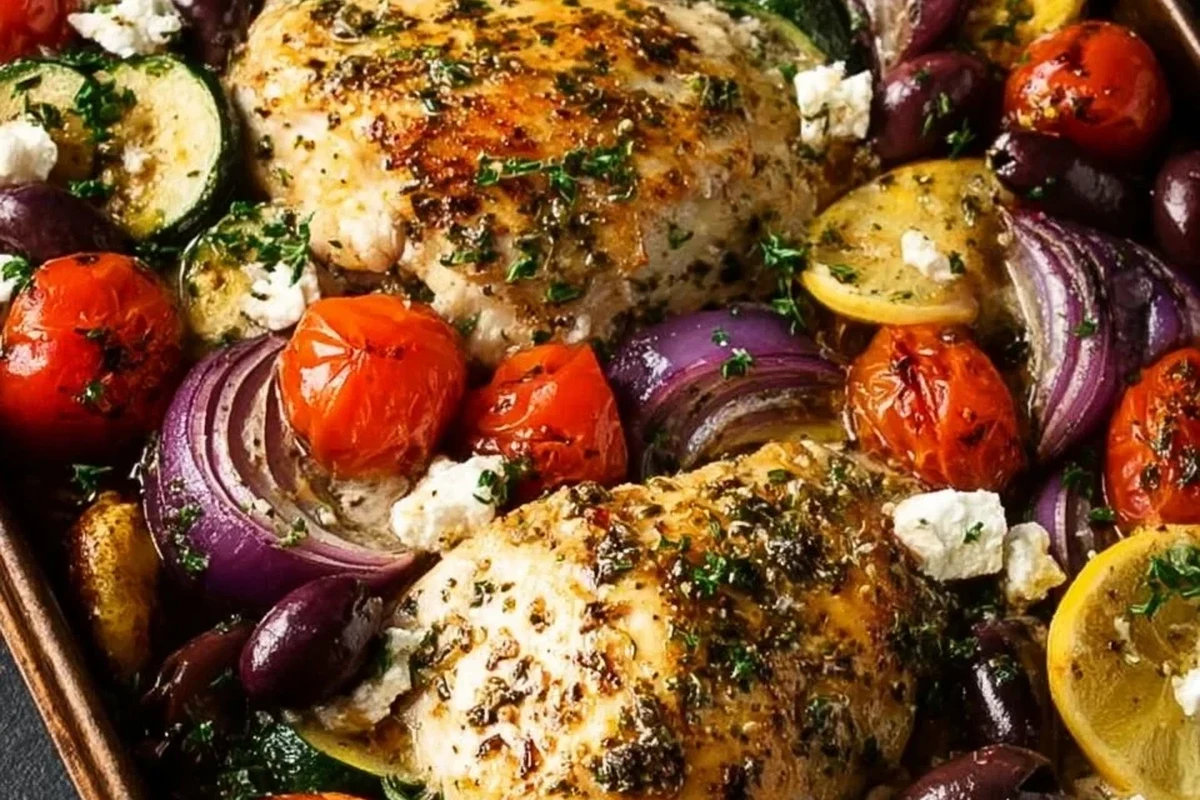
The concept of sheet pan cooking centers on the “set it and forget it” philosophy, where protein and produce roast together on a single surface. Greek-style preparations typically lean on a signature blend of olive oil, lemon juice, dried oregano, garlic, and sometimes crumbled feta or olives to create a bright, savory profile. Unlike the slow-simmering process of a Belizean curry chicken recipe, this method relies on high-heat roasting to caramelize the ingredients, resulting in a crisp exterior and tender interior.
While many chicken dishes require multiple pots, the sheet pan method minimizes dishwashing by concentrating all components on a single baking sheet, making it ideal for busy weeknights.
The Core Components: Essential Ingredients for Authentic Flavor
Selecting the Perfect Protein: Thighs vs. Breasts
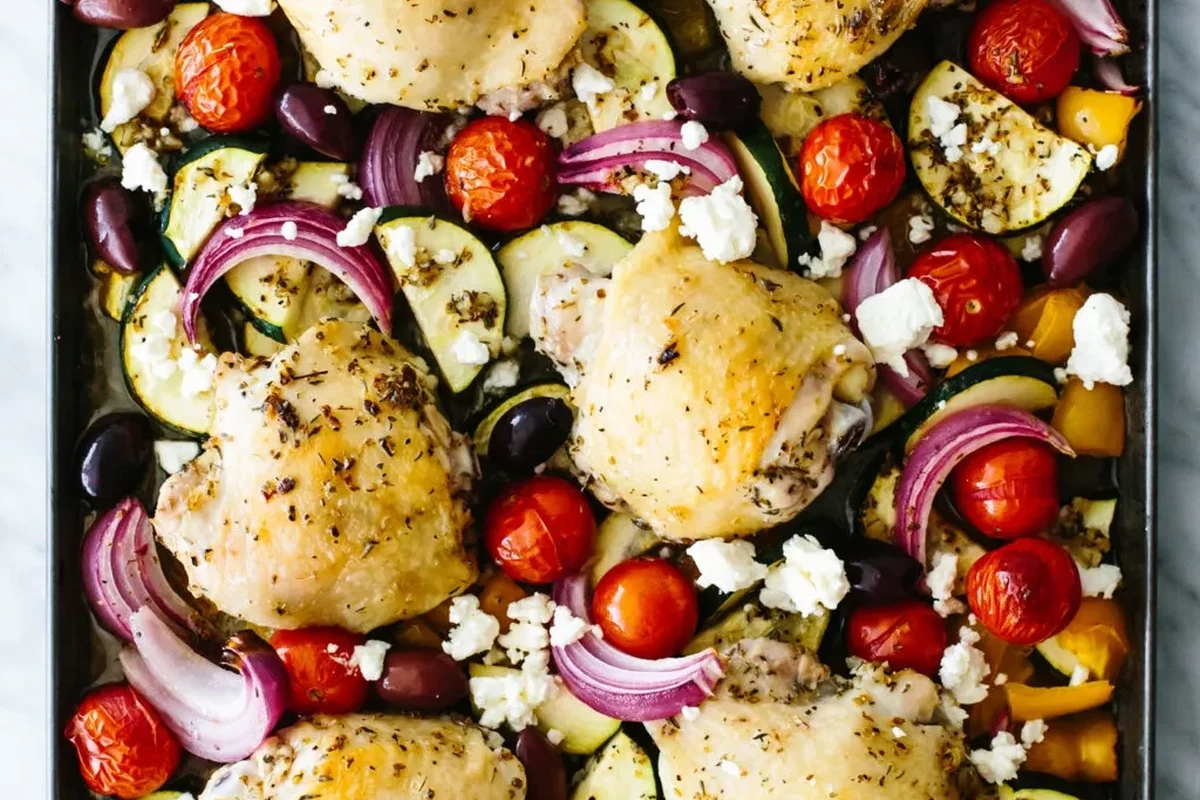
For high-heat roasting, chicken thighs are generally preferred over breasts. The higher fat content in thighs keeps the meat moist during the 25–35 minute cooking window required for vegetables to soften. If you prefer white meat, you can use breasts, but they may need to be cut into larger chunks or added to the pan later in the cooking process to prevent them from drying out.
The Marinade: Balancing Acid, Fat, and Aromatics
The foundation of any Greek marinade is the “golden ratio” of fat and acid. Extra virgin olive oil provides the base, while fresh lemon juice adds the necessary acidity to tenderize the meat. Aromatics like minced garlic, dried oregano, and a pinch of black pepper are non-negotiable. For an extra depth of flavor, some cooks add a splash of red wine vinegar or a pinch of smoked paprika.
Choosing Your Vegetables: Achieving Uniform Cooking Times
The secret to a successful sheet pan bake is choosing vegetables with similar water content and density. Classic Greek pairings include red onion wedges, bell peppers, cherry tomatoes, and kalamata olives. Denser vegetables, such as potatoes or carrots, should be cut into smaller, uniform pieces to ensure they finish roasting at the same time as the chicken.
If you find yourself with extra chicken, you might consider preparing air fryer chicken thighs as a quick side or a separate meal prep option for the following day.
Step-by-Step Cooking Technique: Mastering the One-Pan Method
Combine your oil, lemon, and spices in a bowl. Coat the chicken and vegetables thoroughly. For best results, let the mixture marinate for at least 30 minutes in the refrigerator.
Cut all ingredients into bite-sized pieces. Ensure the chicken pieces are roughly the same size to promote even cooking throughout the pan.
Spread the ingredients in a single layer on a rimmed baking sheet. Avoid overcrowding, as this causes the food to steam rather than roast.
Roast at 400°F (200°C) until the chicken reaches a safe internal temperature of 165°F (74°C) as verified by a meat thermometer.
The Role of Fresh Herbs and Finishing Touches
The heat of the oven can dull the flavor of delicate fresh herbs like parsley or dill. For the most vibrant taste, sprinkle fresh herbs over the pan immediately after removing it from the oven. Adding a final crumble of feta cheese or a drizzle of tzatziki sauce just before serving provides a cooling contrast to the roasted aromatics.
Customizing Your Sheet Pan: Substitutions and Dietary Adaptations
The beauty of this method lies in its versatility. If you are looking for a zucchini bell pepper chicken recipe variation, simply swap the potatoes for zucchini slices—though remember that zucchini cooks much faster and should be added to the pan toward the end of the roasting time.
- Minimal cleanup
- Customizable to seasonal produce
- High-protein meal option
- Vegetables can release excess moisture
- Requires careful oven monitoring
Food Safety, Handling, and Proper Storage
Always use a clean cutting board for chicken and wash hands thoroughly after handling raw meat. Use a digital food thermometer to ensure the chicken reaches an internal temperature of 165°F (74°C) before consumption.
Leftovers should be stored in an airtight container in the refrigerator within two hours of cooking. They generally maintain their quality for up to 3 to 4 days. When reheating, use a microwave or an oven set to 350°F until the chicken is heated through; adding a splash of water or broth can help prevent the chicken from drying out during the reheating process.
Common Pitfalls and Troubleshooting Your Sheet Pan Bake
Preventing Soggy Vegetables
Soggy vegetables are usually the result of overcrowding the pan or using too much oil. Ensure there is enough space between ingredients for air to circulate. If you are using moisture-heavy vegetables like tomatoes, consider placing them in the center of the pan where they can roast in the chicken juices without making the rest of the tray wet.
Avoiding Overcooked Chicken
If your vegetables require more time than your chicken, start the vegetables in the oven for 10–15 minutes before adding the chicken to the pan. This staggered approach ensures that every component reaches perfection at the same time.
The Value of the Greek Sheet Pan Method in a Modern Kitchen
In 2026, efficiency is a primary driver in home cooking. The Greek sheet pan method isn’t just about convenience; it’s about maximizing flavor through the Maillard reaction—the browning process that occurs at high temperatures. By combining protein and vegetables on one surface, the natural juices from the chicken flavor the vegetables, creating a cohesive dish that tastes like it took much longer to prepare.
Greek sheet pan chicken is a foundational skill for any modern cook. It is perfect for busy weeknights or meal prep, provided you focus on uniform ingredient sizing and careful temperature management. While it lacks the complexity of long-simmered stews, its speed and ease of cleanup make it a superior choice for a balanced, flavorful meal.
Common Questions
Red onions, bell peppers, cherry tomatoes, and kalamata olives are classic choices that pair well with Mediterranean flavors.
It is not strictly necessary, but turning the ingredients halfway through can help ensure even browning on all sides.
Yes, you can marinate the chicken and store it in the fridge for up to 24 hours before roasting to deepen the flavor.
If your oven runs hot, reduce the temperature to 375°F and extend the roasting time by 5-10 minutes to prevent burning.
Using parchment paper or aluminum foil makes cleanup significantly easier and prevents ingredients from sticking to the pan.
Frequently Asked Questions
Yes, but be aware that breasts cook faster and can dry out. Cut them into larger pieces or add them to the pan halfway through the roasting time.
Avoid overcrowding the pan, which traps steam. Ensure there is space between ingredients so they roast rather than steam in their own juices.
A temperature of 400°F (200°C) is ideal. It is high enough to brown the chicken and caramelize the vegetables without burning the marinade.
Store leftovers in an airtight container in the refrigerator for 3 to 4 days. Always ensure the chicken was cooked to 165°F initially.
Yes, but cut them into small, bite-sized cubes so they cook through at the same rate as the chicken. Larger chunks will remain raw in the middle.
Reheat in the oven at 350°F until warmed through. Adding a small splash of broth or water can help keep the chicken from drying out.