What Is a Chicken Tender

A chicken tender is a small, distinct muscle located under the breast meat, prized for its natural softness and fast cooking time. It is a versatile, lean cut perfect for frying, baking, or air-frying.
A chicken tender is a specific, small strip of meat located just beneath the main breast muscle, prized for its natural tenderness and mild flavor. In the culinary world, it serves as a versatile staple that works equally well for quick weeknight dinners or seasoned, crispy appetizers.
- Anatomy: The tenderloin is a specific muscle, not just a slice of breast meat.
- Preparation: Use a double-dredge technique to ensure your breading stays intact.
- Safety: Always ensure an internal temperature of 165°F (74°C) using a thermometer.
- Flavor: Tenders readily absorb marinades, making them ideal for bold, tropical seasonings.
What Is a Chicken Tender? Understanding the Cut and Culinary Versatility
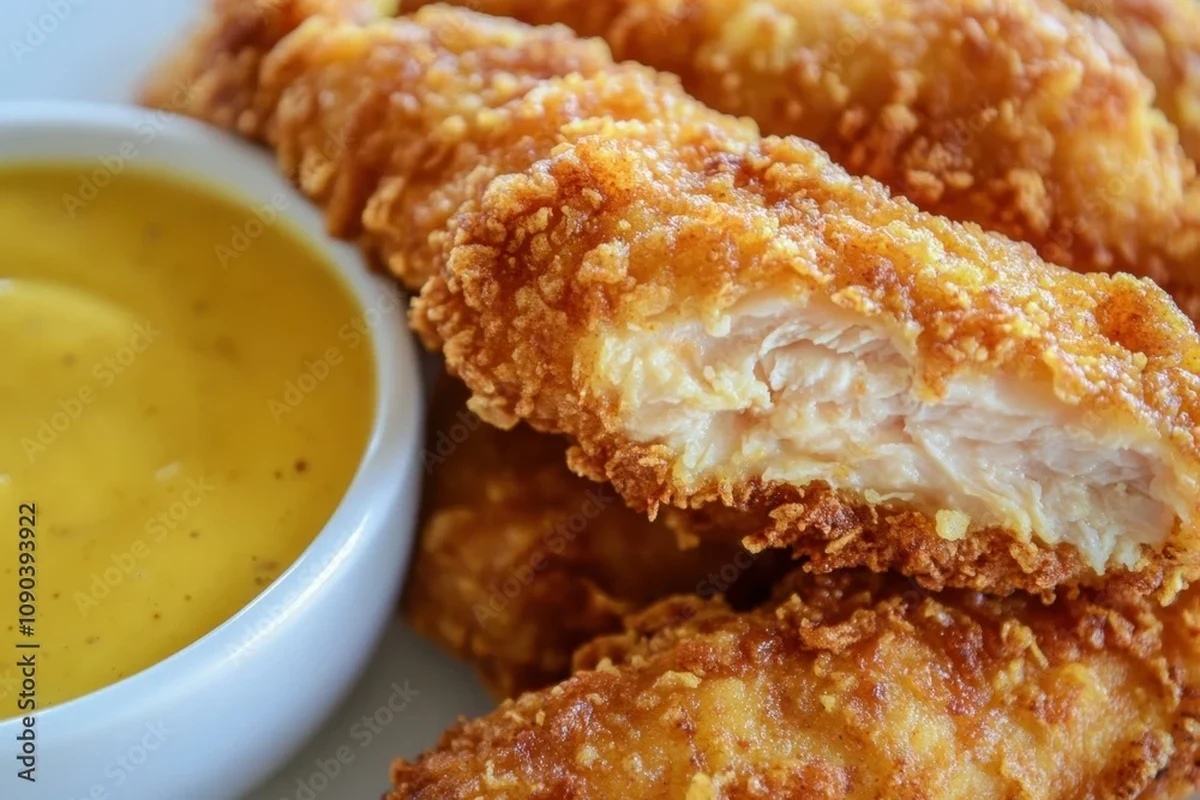
Often confused with simple breast strips, the true chicken tender—also known as the tenderloin—is a distinct anatomical part of the bird. Because it is a small, relatively inactive muscle, it possesses a unique texture that remains soft even after high-heat cooking. Whether you are preparing a Belizean BBQ chicken recipe or a quick snack for the family, understanding this cut helps you achieve better results in your kitchen.
The Anatomy of a Chicken Tender: What Sets It Apart
Differentiating Tenders from Breast Meat and Strips
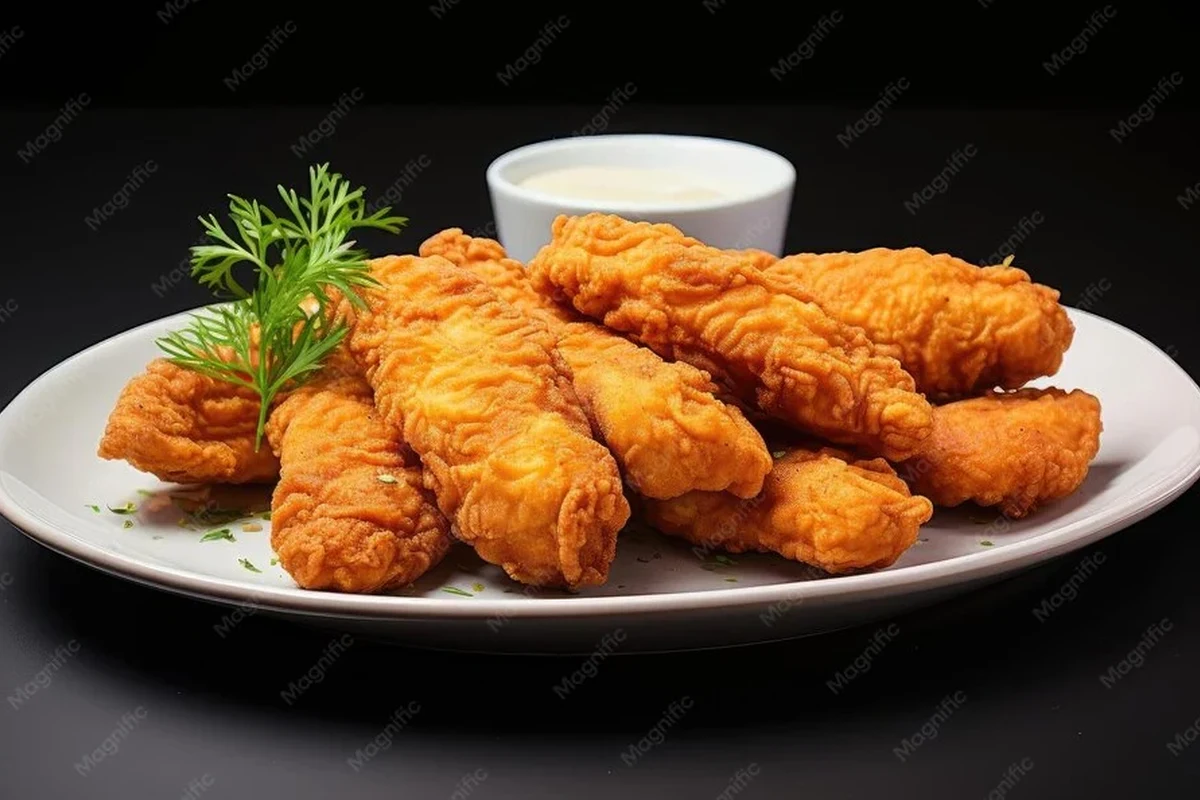
Many home cooks use the terms “tender” and “breast strip” interchangeably, but they are not the same. A true tenderloin is the pectoralis minor, a small, finger-shaped muscle found tucked under the larger breast meat. A “strip,” conversely, is often just a slice of the larger breast muscle cut into a uniform shape. While both are lean, the tenderloin has a distinct grain that makes it inherently more delicate.
Why the Pectoralis Minor is the Gold Standard for Tenderness
Because the pectoralis minor does not perform heavy lifting, it contains less connective tissue than other parts of the chicken. This biological reality is why it is the “gold standard” for quick, tender bites. When handled correctly, it stays juicy without requiring the long, slow braising often needed for tougher cuts like thighs.
If you purchase a whole chicken, you can locate the tenderloin by feeling for the small, loose muscle on the underside of the breast plate. Removing it carefully keeps the main breast intact for other uses.
Selecting the Best Chicken Tenders: A Buyer’s Guide
Fresh vs. Frozen: Decision Criteria for Home Cooks
Fresh tenders offer the best control over seasoning and moisture, as they have not been processed in saline solutions. However, high-quality frozen tenders are an excellent convenience for busy households in 2026. If you choose frozen, look for “individually quick frozen” (IQF) options, which allow you to thaw only what you need, preventing waste.
Identifying Quality: Color, Texture, and Sourcing
Quality chicken should have a consistent pale pink color. Avoid any meat that looks gray or has a slimy residue. When sourcing, look for labels that indicate no added hormones or antibiotics to ensure you are getting the cleanest product possible for your family meals.
Essential Ingredients for the Perfect Chicken Tender
The Role of the Marinade: Achieving Moisture and Flavor
Because chicken tenders are so lean, they can dry out quickly if overcooked. A short soak in a buttermilk or yogurt-based marinade introduces acidity, which helps tenderize the protein further and ensures the breading sticks effectively.
Selecting the Right Breading: Flour, Panko, and Cornmeal
The crust is just as important as the meat. Flour creates a classic, soft coating, while Panko breadcrumbs provide a light, airy crunch. For a heartier texture, many cooks mix in cornmeal, which adds a distinct golden color and a satisfying snap when fried.
Mastering the Technique: How to Cook Restaurant-Quality Tenders
The Double-Dredge Method for Maximum Crunch
To ensure your breading doesn’t slide off, use the double-dredge method: dip the tender in flour, then an egg wash, and finally your seasoned crumbs or cornmeal. This creates a structural “glue” that holds the crust together during the cooking process.
Choosing Your Cooking Method: Deep-Frying vs. Air-Frying
Deep-frying remains the traditional way to achieve a uniform, golden-brown finish. However, as more home cooks utilize modern appliances, air-frying has become a popular alternative. If you enjoy the versatility of compact cooking tools, you might also be interested in how to prepare air fryer chicken thighs using similar seasoning profiles.
Pat the tenders dry with paper towels to ensure the breading adheres properly.
Apply salt, pepper, and your choice of herbs to the meat before dredging.
Follow the flour-egg-crumb sequence for a secure crust.
Safety, Handling, and Storage Best Practices
Preventing Cross-Contamination in the Kitchen
Always use a dedicated cutting board for raw poultry. Wash your hands thoroughly with warm, soapy water for at least 20 seconds after handling raw chicken to prevent the spread of bacteria.
Safe Internal Temperatures and Doneness Cues
According to USDA food safety guidelines, all poultry must reach an internal temperature of 165°F (74°C) to be considered safe for consumption. Always use a digital meat thermometer to verify this; do not rely on color alone.
Proper Storage and Shelf Life for Raw and Cooked Tenders
Raw tenders can be stored in the refrigerator for 1 to 2 days. Cooked tenders should be cooled and placed in an airtight container within two hours and consumed within 3 to 4 days.
Troubleshooting Common Mistakes in the Kitchen
Why Breading Falls Off: Common Culprits and Solutions
The most common reason for falling breading is moisture on the surface of the chicken. If the meat is wet when it hits the flour, the breading will steam off. Always pat the meat completely dry before you begin your dredging process.
Avoiding Dryness: Managing Cooking Times and Heat Levels
Because tenders are small, they cook very quickly. If you use too high a heat, the outside will burn before the inside is safe to eat. Keep your oil temperature consistent if deep-frying, or monitor your air fryer closely, as the small size of the tender means it can go from juicy to dry in just a minute of extra time.
The Belizean Twist: Elevating Tenders with Local Flavors
Integrating Caribbean Spices and Tropical Marinades
You can give your chicken tenders an authentic island flair by using a spice rub featuring allspice, thyme, and habanero. A citrus-based marinade using lime or sour orange juice adds a bright, acidic note that cuts through the richness of a fried crust, much like the flavors found in a traditional Belizean curry chicken recipe.
Serving Suggestions: Pairing Tenders with Belizean Sides
Serve your tenders alongside coconut rice and beans or a fresh slaw with a hint of scotch bonnet pepper. The contrast between the crunchy, spiced chicken and the creamy, savory sides makes for a balanced and satisfying meal.
Final Verdict: Why Chicken Tenders Remain a Culinary Staple
Chicken tenders are a reliable, fast-cooking, and universally appealing cut of meat. By respecting their delicate nature and employing proper breading techniques, you can transform this simple protein into a meal that rivals any restaurant. Whether you are experimenting with local Caribbean spices or keeping it classic, the key lies in maintaining food safety, managing moisture, and ensuring the internal temperature reaches 165°F.
Common Questions
No, the tender is a specific muscle found underneath the breast, whereas a fillet is typically a slice of the main breast muscle.
They are naturally the softest part of the bird because the muscle does very little movement, resulting in a tender, juicy bite.
Yes, they can be pan-seared or grilled, though they require careful monitoring to prevent them from drying out due to their lean nature.
Reheat them in an oven or air fryer at 350°F until crispy; avoid the microwave, which will make the breading soggy.
No, chicken tenders are boneless, making them a very convenient and easy-to-prep protein for families.
Frequently Asked Questions
Technically, no. A chicken tender (tenderloin) is a specific muscle found under the breast, while chicken strips are often slices cut from the larger breast muscle.
Pat the chicken completely dry before dredging. Using the double-dredge method—flour, egg wash, and breadcrumbs—ensures a secure, crunchy crust.
Chicken tenders must reach an internal temperature of 165°F (74°C) to be safe for consumption. Use a digital thermometer to verify this every time.
Yes, you can freeze cooked tenders in an airtight container for up to three months. Reheat them in an oven or air fryer to restore the crunch.
Raw chicken tenders should be kept in the refrigerator and used within 1 to 2 days. Always store them on the bottom shelf to prevent juices from dripping onto other foods.
They are small muscles that do very little work in the bird, resulting in less connective tissue and a naturally soft, delicate texture.