Broiled Chicken Breast

Broiling chicken breast involves using the direct, intense heat of your oven’s top element to achieve a golden, caramelized exterior. This method is perfect for quick, flavorful meals that keep the meat juicy and tender.
Broiling chicken breast is a high-heat technique that mimics the intensity of outdoor grilling, resulting in a golden-brown exterior and juicy, tender meat. By utilizing the direct radiant heat of your oven’s broiler, you can achieve professional-quality results in less than 15 minutes, making it a perfect solution for quick weeknight meals in 2026.
- Uniformity: Pound chicken to an even thickness to ensure consistent cooking.
- Temperature: Always aim for an internal temperature of 165°F (74°C) using a digital thermometer.
- Smoke Points: Choose high-heat oils like avocado or grapeseed to avoid excess smoke.
- Resting: Let the chicken rest for 5 minutes after broiling to retain moisture.
What is Broiled Chicken Breast? The Ultimate Belizean-Inspired Technique
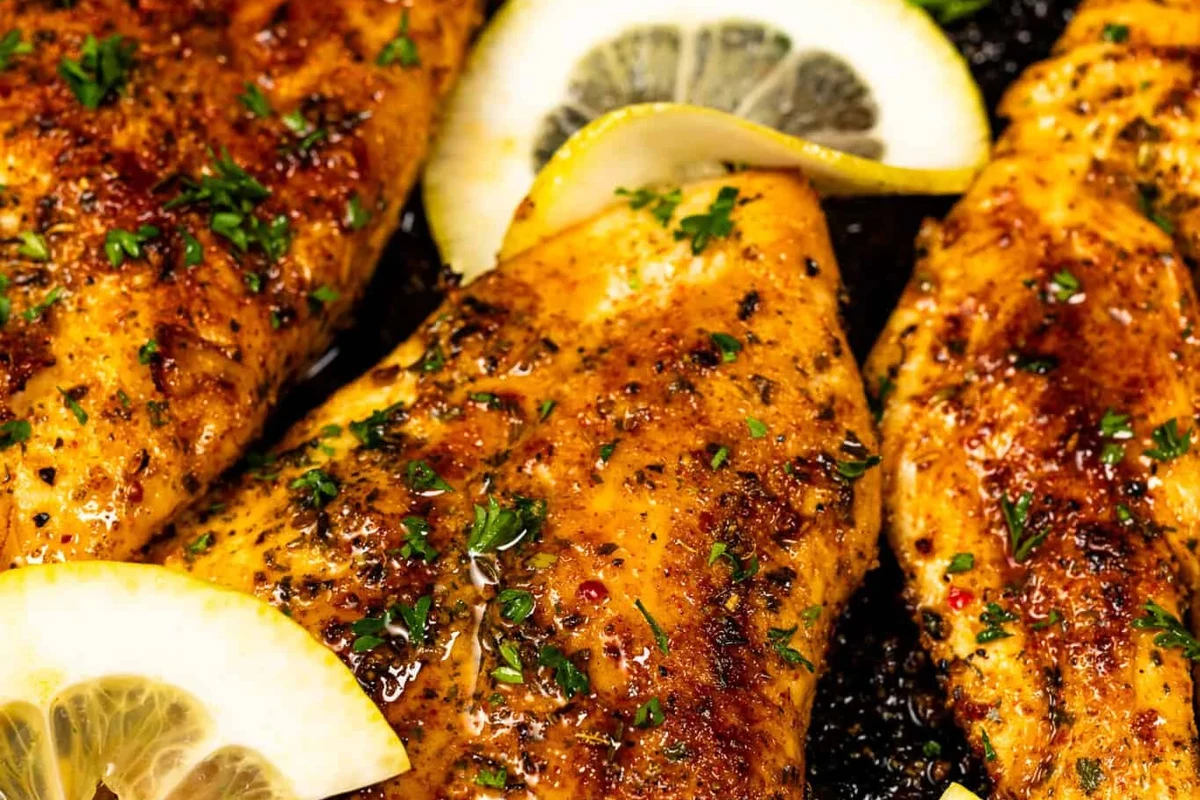
In Belizean kitchens, we value the art of achieving a deep, caramelized char on poultry, often reminiscent of a traditional Belizean BBQ chicken recipe. Broiling is essentially “upside-down grilling.” Instead of a heat source beneath the meat, the broiler element at the top of your oven provides intense, direct heat that sears the surface of the chicken breast rapidly.
This method is distinct from baking because it focuses on browning and flavor development rather than gentle, ambient heat. When executed correctly, the high temperature locks in moisture while creating a savory crust that enhances any seasoning blend, from citrus-heavy marinades to aromatic spice rubs.
Why Broiling is the Secret to Succulent Chicken Breast
The Science of High-Heat Direct Cooking
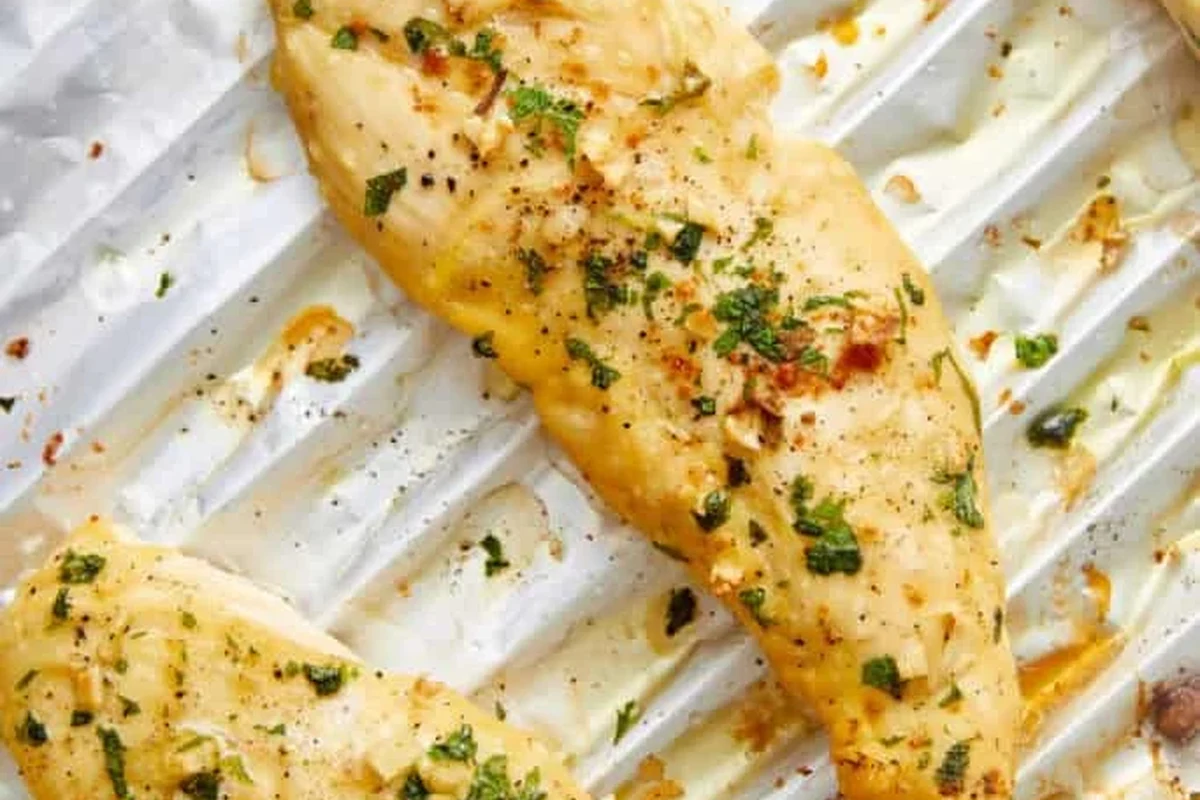
The broiler operates by emitting infrared radiation, which travels directly to the surface of the food. Unlike baking, which warms the air inside the oven to heat the chicken through, broiling creates an immediate reaction on the exterior. This process, known as the Maillard reaction, is what transforms the proteins and sugars on the surface of the chicken into a complex, flavorful, and crispy layer.
Comparing Broiling vs. Baking: Why Broiling Wins for Flavor
Baking chicken breast at lower temperatures for a longer time often leads to moisture loss through evaporation before the outside can properly brown. Broiling, however, is a sprint, not a marathon. Because the cook time is significantly shorter, the interior of the chicken remains succulent while the exterior achieves a restaurant-style finish. While baking is excellent for large roasts or stews like our Belizean curry chicken recipe, broiling is the superior choice for thin, boneless cuts that need a bold, charred profile.
Always keep a close eye on your chicken during the last few minutes of the broil. Because of the intense heat, the difference between perfectly caramelized and burnt can be less than 60 seconds.
Selecting the Best Chicken Breast for Broiling
Quality Criteria: What to Look for at the Market
When shopping, prioritize uniform, boneless, skinless chicken breasts. Look for meat that is plump and pale pink with no signs of graying or excessive liquid in the packaging. If you are preparing chicken for a dish like Belizean chicken tacos, selecting breasts of similar size and weight ensures they will finish cooking at the same time.
Preparation: The Importance of Uniform Thickness
The most common cause of unevenly cooked chicken is inconsistent thickness. A chicken breast is naturally thicker at one end. To ensure even cooking, place the breast between two sheets of plastic wrap and gently pound the thicker end with a meat mallet until the entire piece has a uniform thickness of about 3/4 inch. This simple step prevents the thin end from drying out while waiting for the thick end to reach the safe internal temperature.
The Belizean-Inspired Broiled Chicken Breast Recipe
Essential Ingredients for a Tropical Flavor Profile
To capture that signature Belizean flair, use a marinade or rub featuring lime juice, garlic, allspice, and a touch of heat from habanero or black pepper. These ingredients thrive under the high heat of the broiler, creating a fragrant, zesty crust.
Step-by-Step Technique: Achieving the Perfect Char
Move your top oven rack to the highest position, usually 4–6 inches from the broiler element. Preheat your broiler on “High” for at least 5–10 minutes.
Pat the chicken dry with paper towels. Moisture is the enemy of a good sear. Brush lightly with high-smoke-point oil and apply your seasoning.
Place the chicken on a broiler pan or a rimmed baking sheet lined with foil. Broil for 5–7 minutes per side, depending on thickness, until the internal temperature reaches 165°F (74°C).
Mastering the Internal Temperature: How to Tell When It’s Done
Visual cues can be misleading. Always use a digital meat thermometer inserted into the thickest part of the breast. According to food safety standards, the chicken is fully cooked and safe to consume once it reaches an internal temperature of 165°F.
Always verify the internal temperature with a calibrated meat thermometer. Relying on “clear juices” or visual color is not a substitute for accurate temperature verification.
Common Mistakes and How to Avoid Them
Preventing Dryness: The Moisture Trap
Overcooking is the primary reason for dry chicken. Because broiling is fast, the window for error is small. If you find your chicken is browning too quickly on the outside but remains raw in the center, lower your rack by one position and continue cooking.
Managing Flare-Ups and Smoke Point Issues
Using oils with low smoke points (like extra virgin olive oil) under a broiler can cause excessive smoke. Use avocado, grapeseed, or refined coconut oil, which can withstand high temperatures without burning or producing acrid smoke.
Safe Handling and Food Safety Standards
Proper Thawing and Preparation Hygiene
Always thaw chicken in the refrigerator, never on the counter. Once thawed, keep raw chicken away from other ingredients to prevent cross-contamination. Wash your hands thoroughly with warm, soapy water for at least 20 seconds after handling raw poultry.
- Use a dedicated cutting board for raw poultry.
- Check internal temperature with a thermometer.
- Rinsing raw chicken, which spreads bacteria.
- Leaving cooked chicken at room temperature for more than two hours.
Storage, Reheating, and Meal Prep
Best Practices for Refrigeration and Freezing
Store leftover broiled chicken in an airtight container in the refrigerator for up to 3–4 days. If you plan to keep it longer, store it in the freezer for up to 3 months. Proper packaging helps prevent freezer burn and maintains flavor quality.
Reviving Leftovers: How to Reheat Without Toughness
Reheating chicken breast often leads to rubbery texture. To avoid this, add a tablespoon of water or broth to the container and reheat covered on low power in the microwave, or gently warm it in a skillet over medium-low heat with a splash of liquid.
Troubleshooting Your Broil: Common Kitchen Challenges
Why Your Chicken Isn’t Browning Evenly
If the surface isn’t browning, the oven might not be hot enough, or the rack is too low. Ensure you have preheated the broiler thoroughly. Additionally, ensure the chicken is dry; if the surface is wet, the oven will steam the meat rather than sear it.
Adjusting for Oven Power and Rack Positioning
Every oven is different. If your broiler seems weak, move the rack closer to the element. If it seems too powerful and scorches the surface instantly, move the rack down. You are the best judge of your appliance’s performance.
Final Recommendations: Is Broiling Right for Your Kitchen?
Broiling is an excellent, time-efficient method for home cooks looking to add depth and texture to chicken breast. It is ideal for those who crave the flavors of grilled food but need the convenience of indoor cooking. While it requires attentive monitoring to prevent overcooking, the results—succulent, flavorful, and beautifully browned chicken—are worth the effort. For beginners, start by using a slightly lower rack position to gain confidence with the heat before moving to the highest setting.
Common Questions
Not if you monitor the internal temperature carefully. Because it is a fast process, it prevents the long-term moisture loss associated with slow baking.
Yes, but avoid thick, sugary glazes until the very end, as they can burn quickly under the direct broiler heat.
Check your manual; most ovens feature a high-heat top-down setting. If not, use the highest possible temperature setting, though it may not provide the same char.
Yes, flipping ensures even heat distribution on both sides and helps achieve a uniform crust.
Ideally, 4 to 6 inches away. Too close and it burns; too far and it won’t achieve the signature broiled char.
Frequently Asked Questions
Typically, chicken breast takes 5–7 minutes per side. The exact time depends on the thickness of the breast and your oven’s power.
A broiler pan with a rack is ideal as it allows hot air to circulate underneath the chicken. If you don’t have one, a rimmed baking sheet lined with foil works well.
No, it is not recommended. You should always thaw chicken completely before broiling to ensure it cooks evenly and reaches a safe internal temperature.
Use oils with a high smoke point, such as avocado, grapeseed, or refined coconut oil. Avoid extra virgin olive oil, which can smoke and burn under high heat.
Do not overcook the meat. Use a meat thermometer to pull the chicken exactly at 165°F (74°C) and let it rest for 5 minutes before slicing.
Yes, broiling is a healthy cooking method because it requires little added fat and allows excess fat to drip away from the meat during the cooking process.