Fajitas De Pollo

Fajitas de pollo are prepared by searing marinated chicken strips with bell peppers and onions over high heat to achieve a charred, smoky flavor. This quick, high-protein meal is best served immediately with warm tortillas and fresh toppings.
Fajitas de pollo are a vibrant, high-heat dish featuring strips of marinated chicken sautéed with crisp bell peppers and onions. This guide explores the essential techniques to achieve that signature char and juicy texture right in your home kitchen as of 2026.
- High-Heat Sear: Use a hot skillet to brown the chicken rather than steaming it.
- Strategic Slicing: Always cut chicken against the grain to ensure a tender result.
- Batch Cooking: Cook chicken in small portions to maintain high pan temperatures.
- Food Safety: Monitor internal temperatures to ensure the chicken reaches 165°F.
What Are Authentic Fajitas De Pollo?
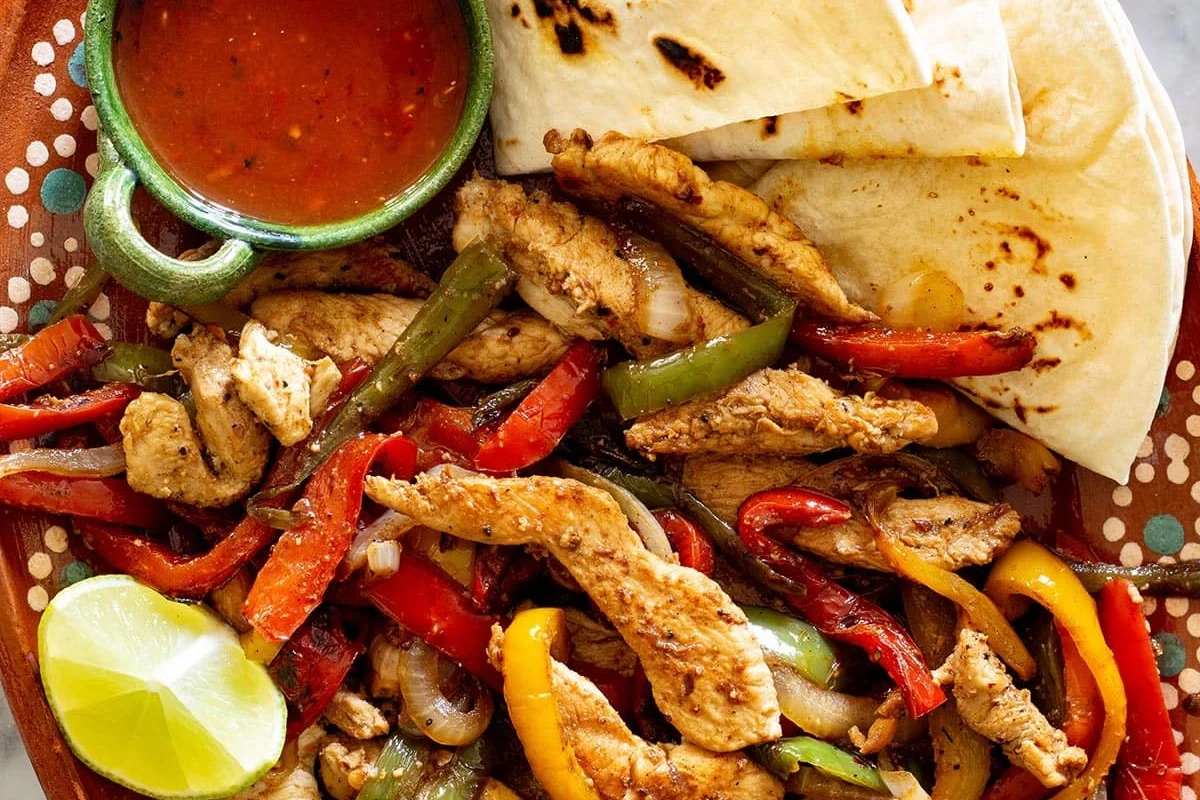
Authentic fajitas de pollo rely on the marriage of high-quality protein, fresh aromatics, and a precise sear. Unlike stir-fries that rely on sauces, the flavor in fajitas comes primarily from the marinade and the Maillard reaction—the browning process that occurs when chicken hits a screaming-hot pan.
The Evolution of Fajitas in Belizean Cuisine
In Belize, the influence of regional culinary traditions has transformed the humble fajita into a staple of home-style cooking. While rooted in Northern Mexican tradition, the Belizean iteration often incorporates local citrus marinades and fresh, garden-grown peppers, reflecting a preference for bold, natural flavors that complement our tropical climate.
Fajitas in Belizean households often prioritize the use of locally sourced chicken and seasonal peppers, making this a versatile dish that changes slightly depending on what is available at the market.
Essential Ingredients for Belizean-Style Fajitas De Pollo
Selecting the Best Chicken Cuts for Tenderness
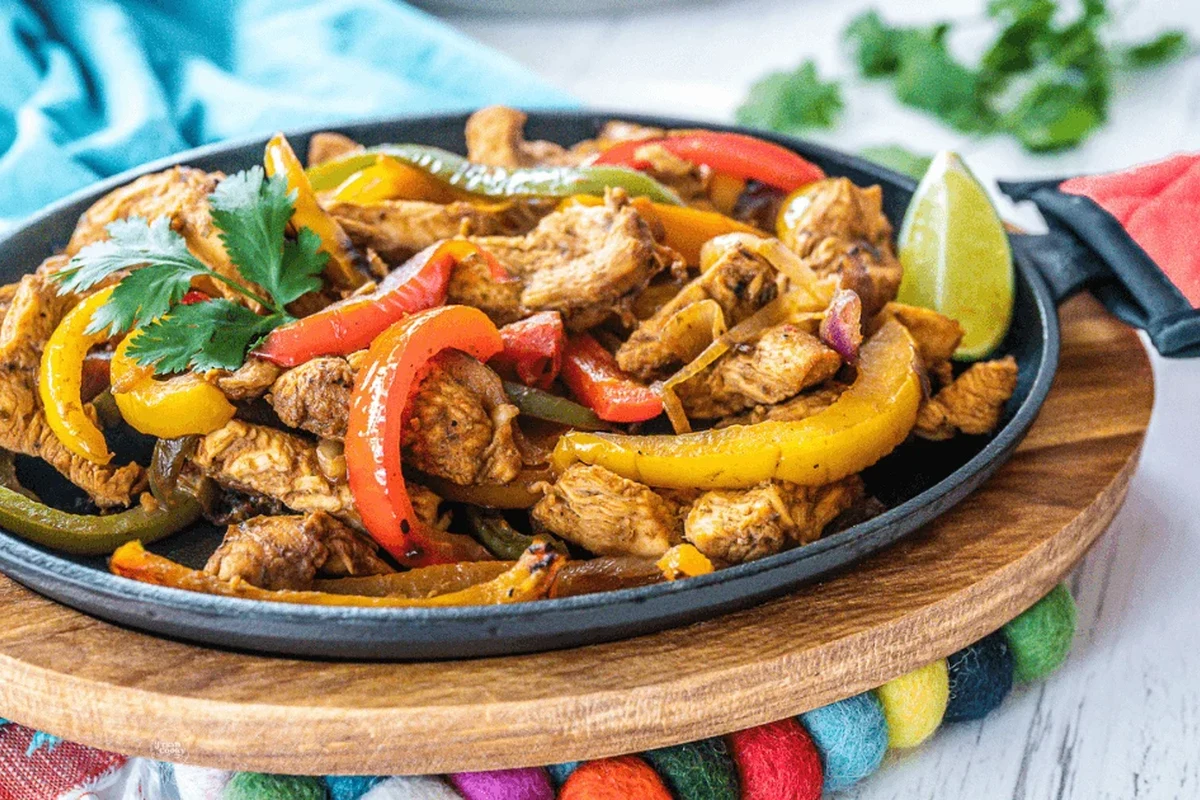
Boneless, skinless chicken breast is the standard choice for its lean profile and quick cooking time. However, for those who prioritize moisture, chicken thighs are an excellent alternative. Always ensure the meat is sliced against the grain to maintain a tender bite.
The Spice Blend: Achieving the Signature Char and Flavor
A balanced spice rub typically includes cumin, chili powder, smoked paprika, garlic powder, and a touch of salt and pepper. Integrating lime juice into the marinade helps tenderize the fibers, while a small amount of oil ensures the spices adhere to the meat and promote even browning.
Vegetable Selection: Bell Peppers and Onions
The classic trio of green, red, and yellow bell peppers provides both visual appeal and a mix of sweetness and crunch. White or red onions are preferred for their sharp bite, which mellows beautifully under high heat.
Step-by-Step Cooking Technique: Achieving the Perfect Sear
Combine your chicken strips with spices and lime juice for at least 30 minutes, keeping it refrigerated until ready to cook.
Heat a cast-iron skillet or heavy-bottomed pan until it is nearly smoking to ensure a proper sear.
Add the chicken in a single layer, allowing it to develop a deep, golden-brown crust before flipping.
Remove the chicken and add the vegetables to the same pan, scraping up the flavorful browned bits from the bottom.
The Importance of High-Heat Cooking
High heat is non-negotiable. If the pan temperature is too low, the chicken will release its internal moisture, effectively boiling in its own juices rather than searing. This results in gray, rubbery meat instead of the succulent, charred strips desired for fajitas.
Controlling Moisture to Avoid Steaming the Chicken
To keep the pan dry, always pat your chicken strips dry with a paper towel before adding them to the marinade. Additionally, avoid overcrowding the pan; if the pieces are touching too much, the steam trapped between them will prevent browning.
Common Mistakes to Avoid When Making Fajitas
- Use a cast-iron skillet for superior heat retention.
- Slice vegetables into uniform strips for even cooking.
- Adding all ingredients to the pan at the same time.
- Reheating leftovers in the microwave for too long.
Overcrowding the Pan: Why Batch Cooking Matters
Batch cooking is the secret to restaurant-quality results. By cooking the chicken in smaller portions, you maintain the pan’s surface temperature, ensuring every piece gets that essential contact with the hot metal.
Improper Slicing Techniques for Texture
Always identify the direction of the muscle fibers in the chicken. Slicing perpendicular to these fibers shortens them, making the meat significantly easier to chew and more pleasant to eat.
Safety, Handling, and Storage Guidelines
Always cook chicken to an internal temperature of 165°F (74°C) as measured by a food thermometer. Never reuse marinade that has touched raw chicken unless it has been boiled first.
Safe Poultry Handling in the Home Kitchen
Prevent cross-contamination by using dedicated cutting boards for raw chicken. Wash all surfaces and utensils thoroughly with hot, soapy water immediately after handling poultry.
Proper Storage and Shelf Life for Leftovers
Store cooked fajitas in an airtight container in the refrigerator for up to 3 to 4 days. If freezing, consume within 2 months for the best quality.
Best Practices for Reheating Without Drying Out the Chicken
To reheat, add a small splash of water or broth to a pan and warm the chicken gently over medium heat. Avoid the microwave if possible, as it tends to overcook the edges of the chicken while leaving the center cool.
Customizing Your Fajitas: Substitutions and Additions
Alternative Proteins and Vegetarian Options
While chicken is the classic choice, portobello mushrooms or strips of firm tofu can be marinated in the same spice blend for a satisfying vegetarian version. For meat lovers, lean beef strips work exceptionally well with the same technique.
Tortilla Choices: Flour vs. Corn for Authentic Texture
Flour tortillas are traditional for fajitas due to their soft, pliable nature that holds heavy fillings well. Corn tortillas offer a more distinct, earthy flavor, but they must be heated thoroughly on the grill or griddle to prevent cracking.
Condiments and Toppings for a Complete Meal
Elevate your plate with fresh toppings like cilantro, diced tomatoes, sour cream, or a squeeze of fresh lime. A simple homemade pico de gallo adds a bright acidity that cuts through the richness of the seasoned meat.
The Value of Homemade Fajitas: A Nutritional and Economic Perspective
Why Making Fajitas at Home Outperforms Restaurant Dining
Preparing fajitas at home gives you total control over the sodium and fat content. You can choose high-quality oils and adjust the spice levels to suit your personal preference, often at a fraction of the cost of dining out.
Final Verdict: Elevating Your Weeknight Dinner Routine
Fajitas de pollo are an ideal weeknight meal because they balance speed with deep, complex flavors. By mastering the high-heat sear and avoiding common overcrowding mistakes, you can achieve a professional-quality result that is both economical and nutritionally customizable for any home cook.
Common Questions
Ensure your pan is preheated until nearly smoking and avoid overcrowding it, which allows the chicken to sear rather than steam.
Absolutely; chicken thighs are often more flavorful and forgiving than breasts, making them an excellent choice for juicy fajitas.
Slicing the chicken against the grain and not overcooking it are the two most important factors for maintaining a tender bite.
Thirty minutes to an hour is sufficient for a quick marinade; avoid exceeding four hours if using acidic ingredients like lime juice.
A cast-iron skillet is ideal because it retains heat exceptionally well, which is essential for getting the perfect sear on your chicken and vegetables.
Frequently Asked Questions
Boneless, skinless chicken breast is the standard, but chicken thighs provide more moisture and tenderness due to their higher fat content.
Avoid overcrowding the pan and ensure the heat is high enough to sear the chicken quickly. Overcrowding causes the meat to steam in its own juices, leading to a rubbery texture.
Yes, if your marinade contains acidic ingredients like lime juice, marinating for more than 4 hours can break down the meat fibers too much, resulting in a mushy texture.
Always ensure the chicken reaches an internal temperature of 165°F (74°C) as verified by a food thermometer.
Flour tortillas are traditional because their elasticity holds the filling well. Corn tortillas are a delicious alternative but require heating to remain pliable.
Store leftovers in an airtight container in the refrigerator for up to 4 days. Reheat gently in a pan with a splash of water to maintain moisture.