Pressure Cook Chicken Breast Frozen

Yes, you can safely pressure cook frozen chicken breast by setting your appliance to high pressure for 12 to 15 minutes. Always ensure the meat reaches an internal temperature of 165°F before serving.
You can safely and effectively pressure cook chicken breast from frozen, making it an ideal method for last-minute meal preparation in 2026. By utilizing high-pressure steam, the appliance bypasses the need for lengthy thawing, allowing you to move from the freezer to a fully cooked meal in under an hour.
- Safety First: Always verify that your chicken reaches an internal temperature of 165°F (74°C).
- Liquid Ratio: Use at least one cup of liquid to ensure the pressure cooker builds steam.
- Natural Release: Allow for a 10-minute natural pressure release to keep the meat tender.
- Spacing Matters: Do not stack frozen breasts in a solid block; keep them slightly separated for.
Can You Pressure Cook Chicken Breast From Frozen? The Definitive Answer
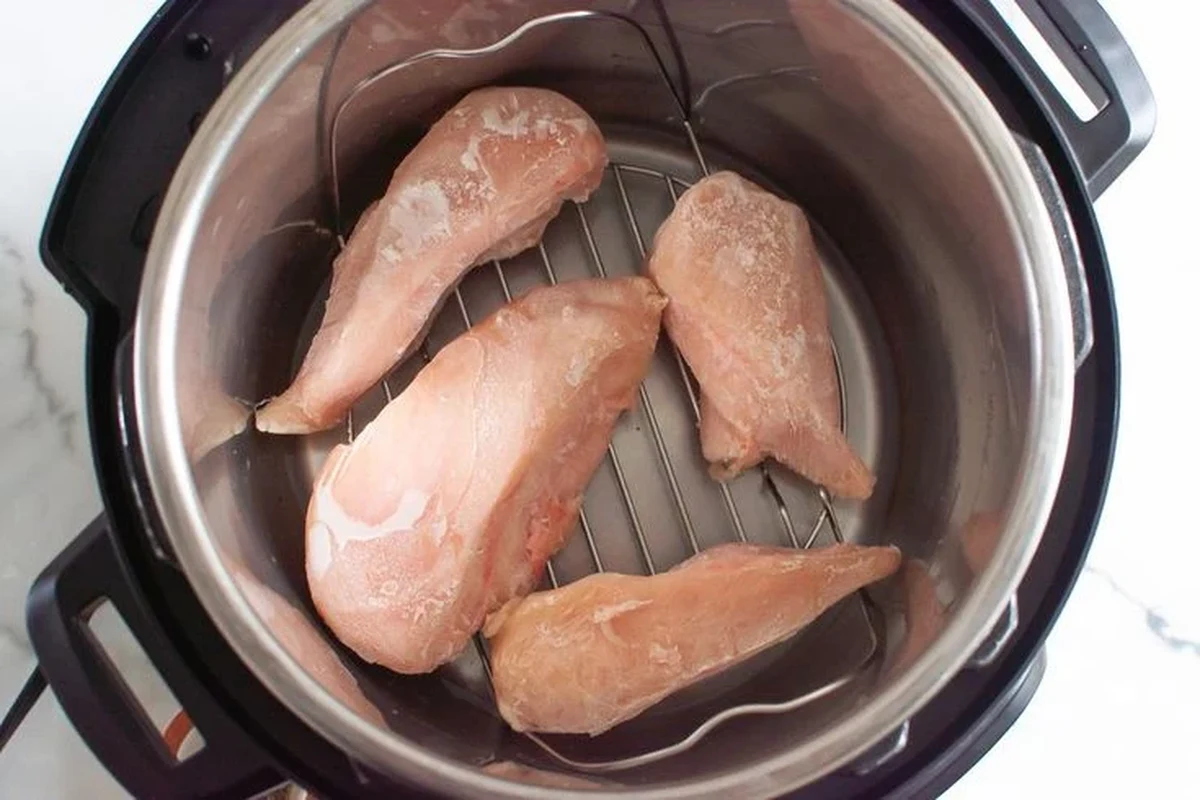
Yes, pressure cooking frozen chicken breast is a standard, safe practice when performed in an electric pressure cooker. Because the appliance reaches high temperatures rapidly, it moves the meat through the “danger zone” (where bacteria thrive) much faster than traditional thawing methods. While the texture may differ slightly from fresh, pan-seared poultry, the convenience of this method is unmatched for busy households.
Why Instant Pot Cooking is a Game Changer for Busy Kitchens
Modern pressure cookers have transformed how we approach weeknight dinners. When you forget to pull protein from the freezer, the ability to pressure cook chicken breast from frozen acts as a culinary safety net. It allows you to maintain a consistent meal schedule without the planning required for overnight defrosting. Whether you are prepping for Belizean Chicken Tacos or a simple shredded protein for salads, this method provides a reliable, hands-off solution.
The Science of Pressure Cooking Frozen Poultry
How Pressure Levels Affect Texture and Moisture Retention
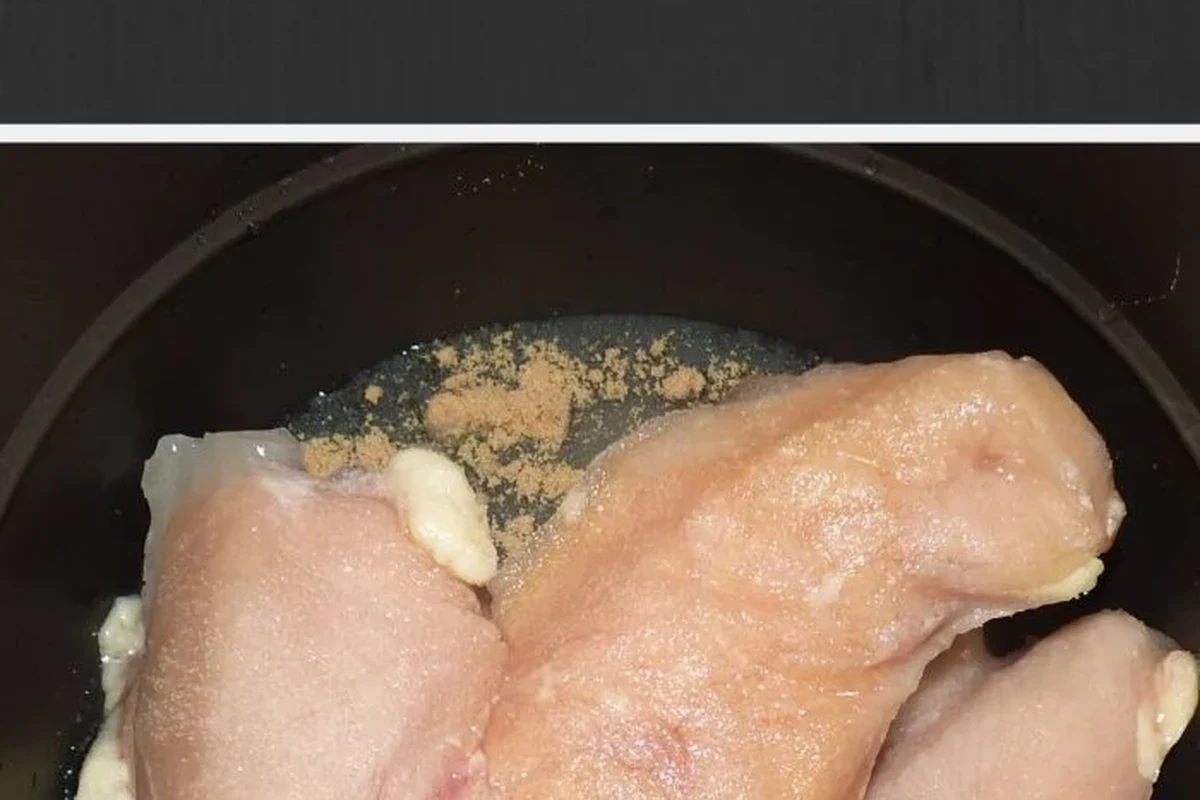
Pressure cooking works by raising the boiling point of water, creating an environment that tenderizes proteins quickly. When cooking from frozen, the initial minutes of the cycle are spent melting the ice crystals surrounding the meat. High pressure is essential here; it ensures that the heat penetrates the center of the breast before the exterior becomes overcooked and stringy. To maintain moisture, always ensure there is enough liquid to generate the necessary steam.
Understanding Internal Temperature and Food Safety Standards
According to food safety guidelines, chicken must reach an internal temperature of 165°F (74°C) to be considered safe for consumption. Always use a digital meat thermometer inserted into the thickest part of the breast to verify doneness.
Because frozen chicken releases extra water as it melts, the internal temperature can be unpredictable. You cannot rely on a timer alone; you must verify that the thickest part of the breast has reached the safe threshold before serving.
Essential Ingredients for Flavorful Frozen Chicken
Selecting the Right Aromatics and Spices
Frozen chicken often lacks the surface area for a dry rub to adhere properly. Instead, focus on building a flavorful poaching liquid. Use garlic, onions, bay leaves, and peppercorns in the pot. For a profile similar to a Belizean Curry Chicken, consider adding a splash of coconut milk or a dash of curry powder directly into your cooking liquid.
The Role of Liquid Ratios in Pressure Cooking
You must have at least one cup of thin liquid (water, broth, or stock) in the pot to allow the pressure cooker to build steam. If you are cooking a large batch of frozen breasts, increase this to 1.5 cups to account for the ice melting and the extended time required to reach pressure.
Step-by-Step Technique: From Freezer to Table
Place your trivet inside the pressure cooker and add at least one cup of liquid. Season the frozen breasts with salt, pepper, and herbs before placing them on the trivet.
Secure the lid and set to high pressure. For a standard 8-ounce frozen breast, cook for 12–15 minutes. Note that the machine will take longer to come to pressure than it would with fresh meat.
Allow the pot to release pressure naturally for at least 10 minutes. This prevents the muscle fibers from seizing up, which often happens with a quick release.
Common Mistakes to Avoid When Cooking Frozen Chicken
- Use a trivet to keep chicken out of the boiling liquid.
- Verify temperature with a thermometer.
- Use natural release to maintain tenderness.
- Stacking frozen breasts in a solid block.
- Using a quick-release valve immediately.
- Skipping the liquid base.
Flavor Variations and Belizean-Inspired Seasoning Blends
Classic Belizean Stewed Chicken Seasoning Profile
To infuse your chicken with authentic flavors, use a blend of recado (annatto paste), garlic, thyme, and black pepper. While you cannot sear the meat while frozen, you can whisk these ingredients into your broth to ensure they permeate the chicken as it cooks.
Adapting Recipes for Shredded vs. Whole Breast Applications
If you intend to shred the chicken for chicken salad or soups, you can be slightly more lenient with the cook time, as the meat will be broken down. For whole breasts intended for slicing, precision is key—stick to the 12–15 minute range to avoid dry, chalky results.
Storage, Reheating, and Food Safety Best Practices
Once cooked, cool leftovers quickly and store in an airtight container in the refrigerator for no more than 3-4 days. If the chicken develops an off odor or slimy texture, discard it immediately.
Verdict: Is Frozen-to-Pressure Cooking Right for Your Routine?
Pressure cooking frozen chicken is a highly efficient tool for the 2026 home cook, offering a perfect balance of speed and safety. While it may not yield the crispy skin or complex Maillard reaction of a grilled breast, the convenience is unbeatable for busy weeknights. If you have the time to thaw your meat in the refrigerator overnight, you may achieve a slightly better texture, but for those unplanned meal moments, this method is a reliable kitchen staple.
Common Questions
Most frozen chicken breasts require 12 to 15 minutes on high pressure depending on thickness.
No, the pressure cooker is designed to handle frozen items safely and efficiently.
It may be slightly softer than pan-seared chicken, which is perfect for shredding or soups.
Yes, but ensure they are not frozen together in a solid, icy block for even results.
If the thermometer reads below 165°F, simply reseal the pot and cook for an additional 2–3 minutes.
Frequently Asked Questions
For an average 8-ounce frozen chicken breast, set your pressure cooker to high for 12 to 15 minutes. Always verify the internal temperature reaches 165°F.
Yes, ensure you have at least one cup of liquid in the pot. The frozen chicken will release its own moisture, but the base liquid is required to build pressure.
Dry rubs struggle to stick to frozen surfaces. It is better to season the poaching liquid or add herbs and spices to the pot so the flavors infuse during the steaming process.
Natural pressure release allows the chicken fibers to relax slowly. A quick release often causes the meat to seize and become tough or stringy.
Yes, it is safe because the pressure cooker quickly raises the internal temperature of the meat through the danger zone, provided you reach 165°F internally.
Always use a digital meat thermometer. Insert it into the thickest part of the breast to ensure it has reached a minimum of 165°F (74°C).