How Long Does Chicken Have to Boil

Boiling chicken is a fundamental technique for creating tender, flavorful meat used in everything from hearty stews to refreshing salads. Achieving the perfect result requires understanding that “boiling” is often a misnomer; for the best texture, you should actually be poaching your chicken at a gentle simmer.
- Temperature Control: Use a gentle simmer rather than a rolling boil to keep the meat tender.
- Safety First: Always verify that the chicken reaches an internal temperature of 165°F.
- Flavor Matters: Add aromatics like garlic and herbs to the cooking liquid to infuse flavor.
- Cold Start: Beginning with cold water promotes even cooking throughout the meat.
How Long Does Chicken Have to Boil: The Definitive Guide for 2026
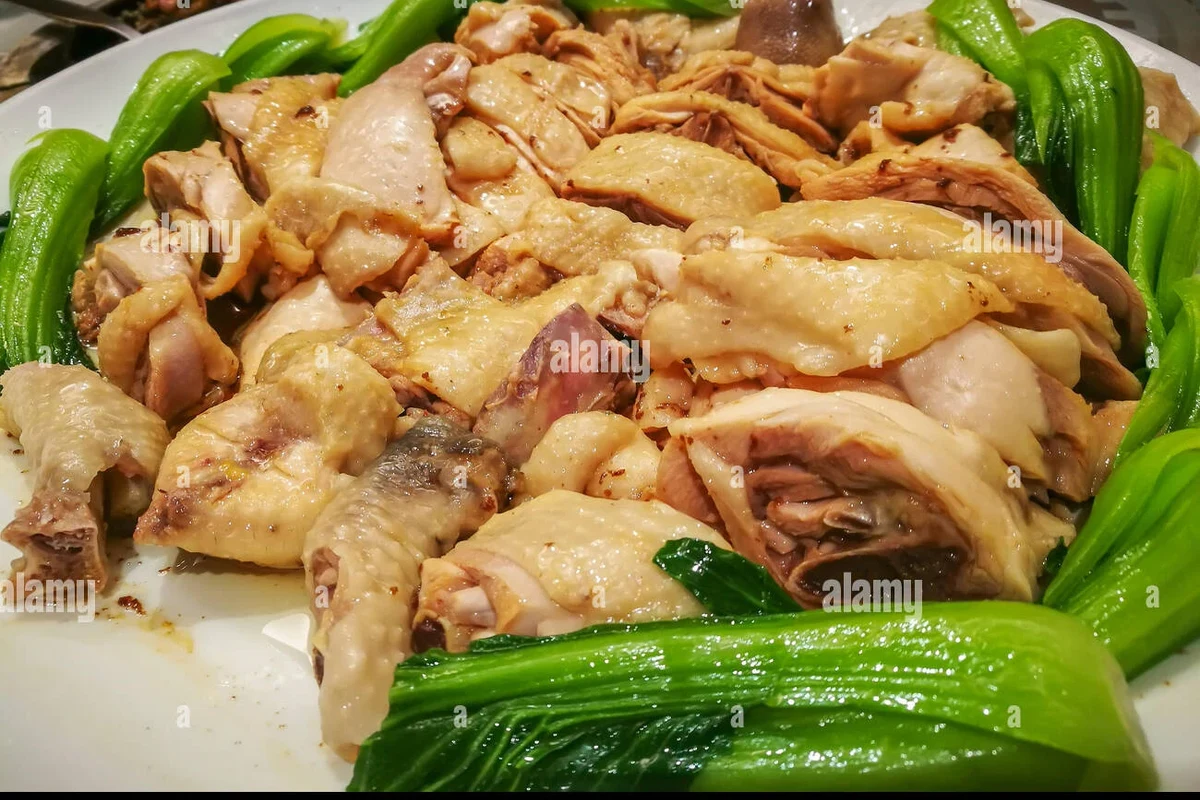
In 2026, home cooks are increasingly focused on efficiency and flavor extraction. Whether you are preparing a base for Zupas chicken noodle soup or simply need shredded protein for the week, the duration depends entirely on the cut of the bird and whether it is bone-in or boneless.
The Golden Rule: Determining Boiling Time for Perfect Chicken
Standard Boiling Times by Cut
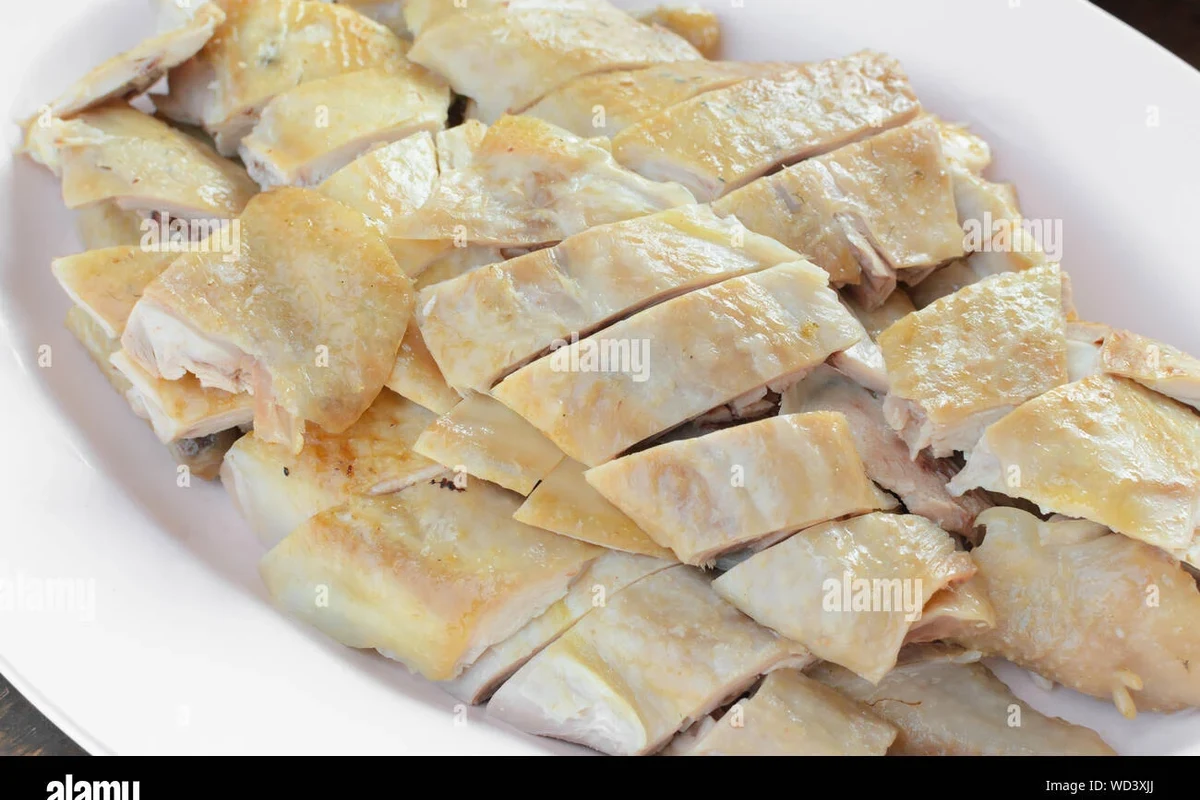
As a general baseline, boneless breasts take roughly 12–15 minutes, while bone-in pieces like thighs or legs require 25–30 minutes. A whole chicken, depending on size, will take anywhere from 60 to 90 minutes. Always prioritize internal temperature over time alone.
Why “Boiling” is Often About Poaching
True boiling—where bubbles break the surface vigorously—is the enemy of tender chicken. High temperatures cause the muscle fibers to tighten rapidly, resulting in dry, rubbery meat. Instead, aim for a “sub-boil” or gentle simmer, where only small bubbles rise to the surface. This technique ensures the chicken remains succulent while the connective tissues break down slowly.
Key Ingredients and Preparation for Belizean-Style Boiled Chicken
Selecting the Right Chicken Cuts for Flavor and Texture
For dishes that require deep flavor, such as a traditional Belizean curry chicken recipe, bone-in, skin-on cuts are superior. The bones release collagen into the liquid, creating a rich, silky mouthfeel that boneless breasts simply cannot replicate.
Aromatic Additions: Enhancing the Stock
Do not boil chicken in plain water. Enhance your poaching liquid with aromatics like onions, garlic, celery, bay leaves, and black peppercorns. If you are aiming for a Caribbean-inspired profile, a sprig of fresh thyme or a piece of habanero (left whole) can add a subtle, authentic depth.
Mastering the Technique: Step-by-Step Boiling Process
Managing Heat: Why a Rolling Boil Ruins Texture
A rolling boil is too aggressive. It creates a turbulent environment that strips flavor from the meat and toughens the proteins. By keeping the liquid at a “smile” (a gentle simmer), you protect the integrity of the chicken.
Food Safety and Doneness: Preventing Common Kitchen Mistakes
How to Identify When Chicken is Fully Cooked
The meat should be opaque throughout, with no pink remaining near the bone. However, visual cues are unreliable. The juices should run clear when the thickest part of the meat is pierced.
The Critical Role of Food Thermometers in 2026
In 2026, a digital instant-read thermometer is the most essential tool in any kitchen. According to USDA food safety standards, all chicken—whether breast, thigh, or wing—must reach an internal temperature of 165°F (74°C) to be considered safe to consume.
Storage, Shelf Life, and Reheating Best Practices
Proper Cooling Techniques to Avoid Bacterial Growth
Never leave boiled chicken at room temperature for more than two hours. To cool quickly, transfer the meat to a shallow container, allowing heat to dissipate faster before placing it in the refrigerator.
Safely Reheating Without Drying Out the Meat
To keep boiled chicken moist when reheating, add a splash of broth or water to the container. If you are looking for ways to use your leftovers, consider incorporating them into a Belizean chicken tacos recipe, where the meat can be lightly sautéed with spices to regain texture.
Common Troubleshooting: Why Your Chicken Might Be Tough or Bland
- Use a thermometer to verify doneness.
- Season the poaching water generously with salt.
- Let the chicken rest for 5-10 minutes before shredding.
- Boiling the chicken too rapidly.
- Overcrowding the pot, which lowers the temperature too much.
- Discarding the poaching liquid (use it as stock!).
Value and Versatility: Why Mastering This Technique Matters
From Simple Boiled Chicken to Belizean Stews and Salads
Mastering the boil is the gateway to countless meals. It is a cost-effective way to prepare large batches of protein for meal prep. Once you have a handle on the basic technique, you can explore more complex dishes or even prepare a hearty Belizean boil cake as a side to complement your savory chicken dishes.
Common Questions
Bone-in chicken thighs or legs usually take 25 to 30 minutes to cook completely at a gentle simmer.
The USDA recommends an internal temperature of 165°F (74°C) for all cooked chicken.
Yes, partially covering the pot helps maintain a consistent temperature and prevents excessive liquid evaporation.
Absolutely, the liquid becomes a flavorful chicken stock that can be used for soups or rice.
Avoid overcooking by monitoring the internal temperature and letting the meat rest before shredding or slicing.
Frequently Asked Questions
Boneless chicken breasts typically take 12 to 15 minutes to cook through at a gentle simmer. Always use a meat thermometer to ensure they reach an internal temperature of 165°F.
Yes, boiling chicken for too long will cause the meat to become dry, stringy, and rubbery. Once the chicken reaches 165°F, it should be removed from the heat.
Boiling in broth or water seasoned with aromatics like onions, garlic, and herbs will result in much more flavorful meat. Plain water will result in bland chicken.
While a thermometer is best, you can check if the juices run clear and the meat is opaque throughout with no pink remaining. It is highly recommended to use a digital thermometer for safety.
Cooked chicken can be safely stored in an airtight container in the refrigerator for 3 to 4 days. Ensure it is cooled properly before storing.
Starting with cold water is generally preferred as it allows the chicken to heat up gradually, resulting in more even cooking and better texture.