Frozen Chicken Breast in a Pressure Cooker

Cooking frozen chicken breast in a pressure cooker is safe and convenient by increasing cooking time by 50% and adding extra liquid. Always use a meat thermometer to ensure the chicken reaches an internal temperature of 165°F.
Cooking frozen chicken breast in a pressure cooker is a reliable, time-saving method that allows you to prepare a nutritious meal without the need for advance planning. As we navigate the busy kitchens of 2026, mastering this technique ensures you can go from freezer to table in under an hour, maintaining the integrity of the poultry while infusing it with flavor.
- Liquid Ratio: Always add at least 1 to 1.5 cups of liquid to ensure steam production.
- Safety First: Ensure the chicken reaches an internal temperature of 165°F to be safe for consumption.
- Timing: Increase standard cooking time by 50% when starting with frozen breasts.
- Texture: Use a natural pressure release for 10 minutes to help the meat stay tender.
Can You Cook Frozen Chicken Breast in a Pressure Cooker? (The Quick Answer)
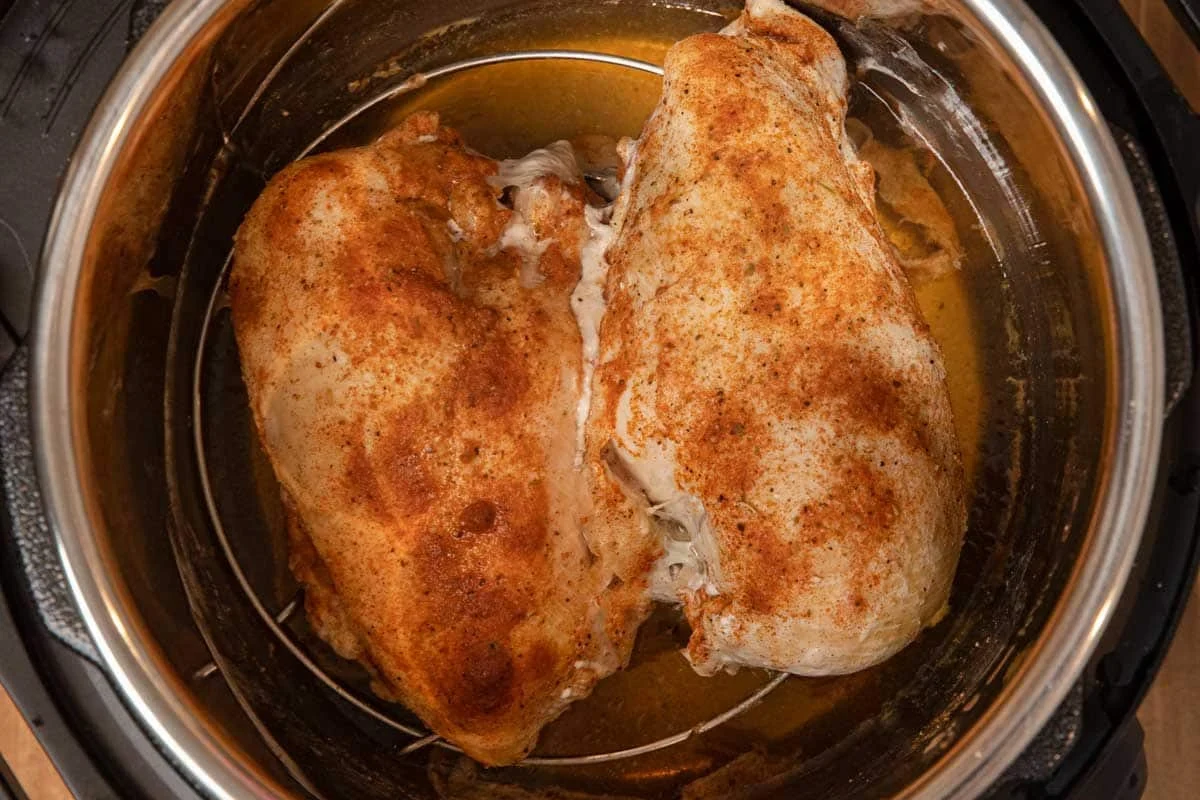
Yes, you can safely cook frozen chicken breast in a pressure cooker by adding extra liquid and increasing the cooking time by approximately 50% compared to thawed chicken. This method is a staple for busy cooks who need to prepare proteins quickly without sacrificing food safety standards.
Why the Pressure Cooker is a Game-Changer for Busy Belizean Kitchens
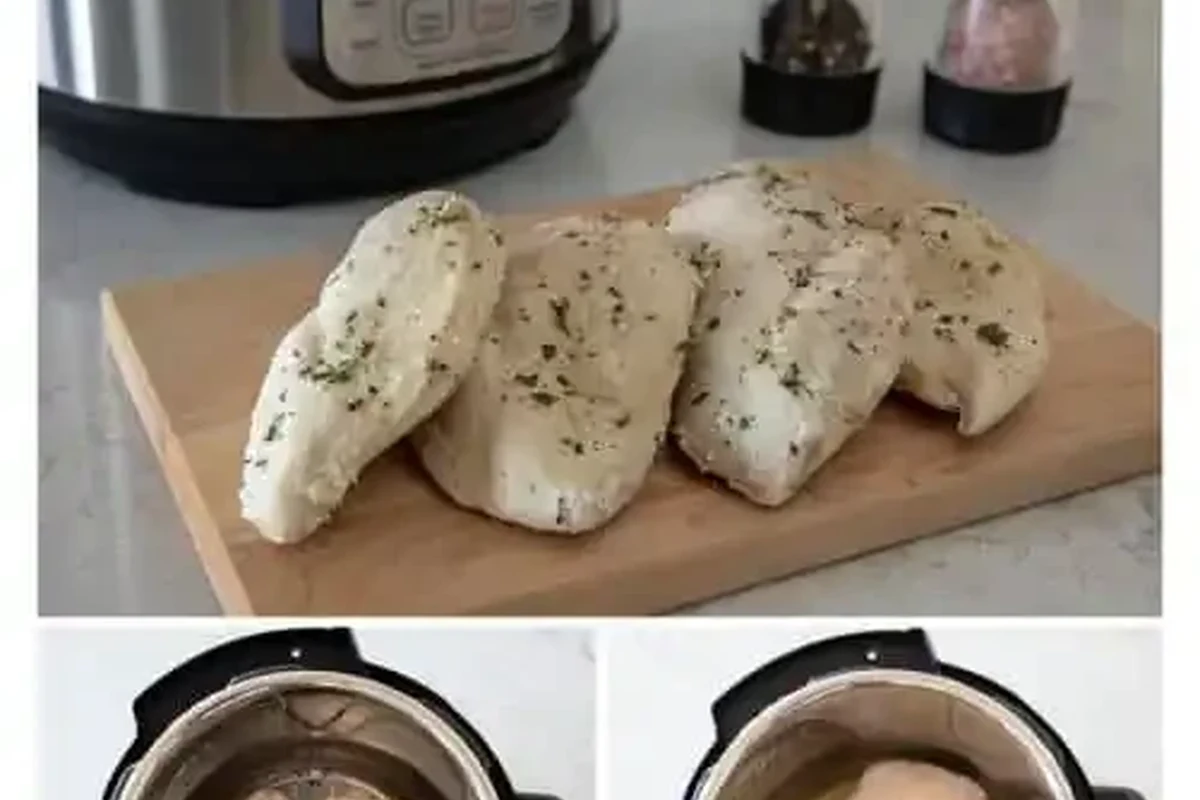
In Belizean households, where slow-cooked meals like Belizean curry chicken recipe are traditional favorites, the pressure cooker offers a modern bridge between heritage flavors and hectic schedules. Whether you are prepping for Belizean chicken tacos or a simple weeknight dinner, the pressure cooker minimizes the time spent in the kitchen.
The Science Behind Pressure Cooking Frozen Poultry
Pressure cookers work by trapping steam, which increases the boiling point of water and forces heat into the center of the food much faster than conventional methods. When cooking frozen chicken, the device effectively thaws and cooks the meat simultaneously. Because the exterior of the frozen breast thaws quickly, the internal pressure ensures the center reaches a safe temperature before the outside becomes overcooked.
Real-Kitchen Benefits: Saving Time When You Forgot to Thaw
The primary benefit is convenience. If you have ever reached into the freezer and realized your main protein is a solid block of ice, you know the frustration of waiting hours for a thaw. Pressure cooking eliminates this bottleneck, allowing you to incorporate chicken into soups, shredded salads, or stir-fries immediately.
Always separate your chicken breasts before freezing them individually. If they are frozen in a large clump, the pressure cooker will not cook them evenly, leading to raw centers.
Essential Equipment: Choosing the Right Pressure Cooker for Your Needs
Whether you are using a modern electric multi-cooker or a traditional stovetop model, the principles remain the same. In 2026, many home cooks are upgrading to smart pressure cookers with precise digital timers, which help avoid the guesswork associated with older equipment.
Size and Material Considerations for Efficient Heat Distribution
For a standard family meal, a 6-quart pressure cooker is usually sufficient. Stainless steel inner pots are generally preferred for their durability and lack of chemical coatings. Ensure the pot has a heavy base to prevent scorching, especially when cooking with thicker sauces or marinades.
Safety Features Every Home Cook Should Look For
Modern pressure cookers include essential safety interlocks that prevent the lid from opening while the unit is pressurized. Always inspect your sealing ring (gasket) for cracks and ensure the pressure-release valve is clear of debris before each use.
Step-by-Step Guide: How to Cook Frozen Chicken Breast Perfectly
Place a trivet or steamer basket at the bottom of the pot. This prevents the chicken from sitting directly on the bottom, which reduces the risk of a “burn” notice.
Pour at least 1 to 1.5 cups of liquid (water, broth, or marinade) into the pot. You need enough liquid to create sufficient steam to build pressure.
Season your chicken generously. Because the cooking process is rapid, dry rubs work well, but keep delicate herbs for the end.
Seal the lid and set to high pressure for 12–15 minutes, depending on the thickness of the breasts. Allow for a natural release of pressure for 10 minutes before opening.
Mastering the Flavor: Essential Ingredients and Belizean-Inspired Seasonings
To keep your chicken moist and flavorful, use a base of chicken stock infused with aromatics like garlic, onion, and local spices. If you enjoy the depth of flavor found in a chicken papaya curry recipe, consider adding a dash of turmeric or cumin to your cooking liquid.
Avoid using thick, sugary glazes or barbecue sauces during the initial pressure-cooking stage. High-sugar ingredients often cause the bottom of the pot to trigger a “burn” warning.
Food Safety and Doneness: Ensuring Your Chicken is Safe to Eat
Regardless of the cooking method, food safety is paramount. The USDA recommends an internal temperature of 165°F (74°C) for all poultry.
Internal Temperature Guidelines for Poultry
Always use a digital meat thermometer to verify the temperature. Insert the probe into the thickest part of the breast. Do not rely on color or timing alone, as variables such as the size of the chicken breast and the starting temperature of the appliance can cause fluctuations.
Troubleshooting Common Pressure Cooking Issues
If you encounter the dreaded “burn” notice, it usually means there is insufficient liquid or the food is touching the bottom of the pot. If the chicken is undercooked, simply bring the pot back to pressure for an additional 2–3 minutes. If it is slightly dry, shred it and toss it in a sauce to reintroduce moisture.
Storage, Shelf Life, and Reheating Best Practices
Cooked chicken can be stored in an airtight container in the refrigerator for up to 3–4 days. When reheating, add a small splash of water or broth to the container to prevent the meat from drying out. Avoid using high heat, which can make the protein rubbery.
Final Verdict: Is Cooking Frozen Chicken in a Pressure Cooker Worth It?
Cooking frozen chicken breast in a pressure cooker is a highly effective technique for the modern home cook who values efficiency. While it may not provide the crispy exterior of a grill, it offers unparalleled convenience for soups, salads, and shredded chicken dishes.
- Always use at least one cup of liquid to generate sufficient steam.
- Increase cooking time by 50% compared to fresh, thawed chicken.
- Use a meat thermometer to ensure an internal temperature of 165°F.
- Allow for a natural pressure release to keep the meat tender.
Common Questions
Yes, it is perfectly safe as long as the chicken reaches an internal temperature of 165°F. The pressure cooker’s high heat ensures the meat passes through the food-safety danger zone quickly.
You should use at least 1 to 1.5 cups of liquid, such as broth or water. This ensures there is enough steam to build pressure without the bottom of the pot scorching.
Frozen chicken breasts generally require 12–15 minutes on high pressure. The exact time depends on the thickness of the breasts and the specific model of your cooker.
A natural release for about 10 minutes is recommended. This prevents the chicken from toughening up due to rapid pressure changes.
Yes, but stick to dry rubs or spices. Avoid thick, sugary sauces before cooking, as they are likely to cause a burn warning on the bottom of the pot.
Frequently Asked Questions
Frozen chicken breasts typically take 12 to 15 minutes on high pressure, depending on their thickness. Always allow for a 10-minute natural pressure release to ensure the meat stays tender.
Yes, you must add at least 1 to 1.5 cups of liquid, such as water or broth, to ensure the pressure cooker can build pressure safely without triggering a burn notice.
Yes, it is safe as long as the internal temperature of the chicken reaches 165°F (74°C). The pressure cooking process is efficient enough to move the meat through the danger zone quickly.
Avoid overcooking by sticking to the recommended times and using a natural release method. Shredding the chicken immediately after cooking can also help it absorb juices and maintain better texture.
You can, but you must increase the cooking time by roughly 50% and ensure you have enough liquid. Adjust the seasoning accordingly, as the extra liquid may dilute the flavors.
If the chicken hasn’t reached 165°F, reseal the pot and cook for an additional 2–3 minutes on high pressure. Always verify the temperature with a reliable digital meat thermometer.