Boiling Chicken Whole

Boiling a whole chicken involves gently simmering the bird in water with aromatics to produce tender meat and a flavorful, versatile stock. It is a highly efficient, foundational technique perfect for meal prepping and creating homemade soup bases.
Boiling a whole chicken is a foundational culinary technique that yields tender meat and a flavorful, nutrient-dense broth, serving as the backbone for countless home-cooked meals. By gently simmering the bird, you unlock a versatile ingredient that can be shredded for tacos, incorporated into comforting soups, or served as a simple, wholesome protein.
- Temperature Control: Maintain a gentle simmer rather than a hard boil to ensure the meat remains.
- Safety First: Always verify the chicken has reached an internal temperature of 165°F using a meat.
- Flavor Building: Add onions, garlic, and fresh herbs to the pot to create a rich, homemade.
- Dual Purpose: This method provides both cooked protein for shredding and a nutritious base for soups.
The Art of Boiling Chicken Whole: A Belizean Kitchen Essential
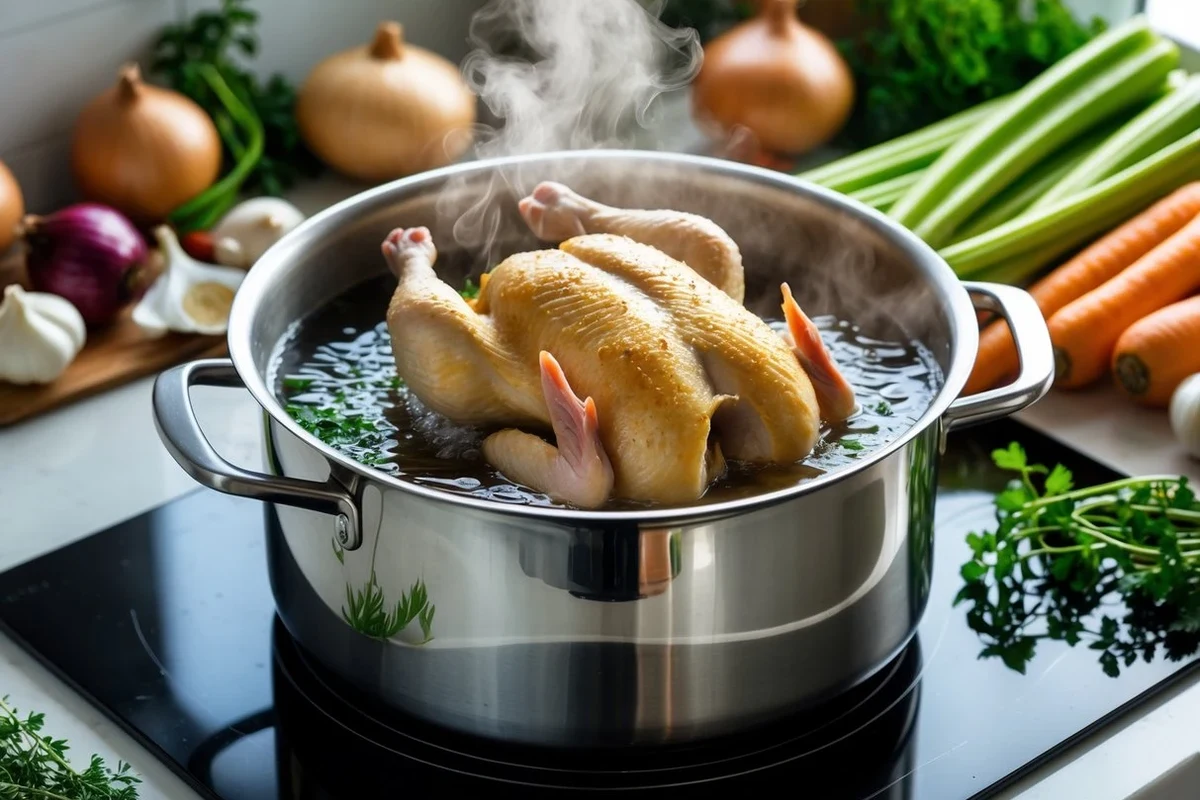
In many kitchens, the process of boiling a whole chicken is viewed as a labor of love—a slow, steady method that transforms a basic bird into a culinary asset. As we look at kitchen practices in 2026, the emphasis remains on efficiency and minimizing waste. When you boil a whole chicken, you aren’t just cooking dinner; you are creating a base for future meals, ensuring that every part of the bird is utilized to its fullest potential.
What Does It Mean to Boil a Whole Chicken?
Boiling a whole chicken involves submerging the bird in water or a seasoned liquid and bringing it to a gentle, controlled simmer. Despite the name “boiling,” you should rarely keep the water at a violent, rolling boil. A gentle simmer is the secret to retaining moisture and preventing the meat from becoming stringy or tough.
The Difference Between Boiling and Poaching
While often used interchangeably, there is a technical distinction. Poaching occurs at a lower temperature (typically 160°F to 180°F), which is ideal for delicate proteins. Boiling, or more accurately, simmering, happens closer to 212°F. For a whole chicken, we aim for a low simmer, which provides enough heat to cook the bone-in meat thoroughly while extracting collagen from the carcass to enrich the broth.
Why Boil a Whole Chicken? Real-Kitchen Benefits
The primary advantage of this method is the dual output: you receive both cooked chicken meat and a rich, golden stock. This is a staple strategy for busy families who rely on meal prep to get through the week.
Efficiency for Meal Prep and Soup Bases
Having a pot of broth and cooked chicken ready allows you to pivot quickly to other dishes. You might use your freshly prepared stock as the base for a chicken leek and potato soup recipe or keep the shredded meat on hand for quick lunches. It is an economical way to manage your food budget while ensuring you always have high-quality, homemade ingredients on hand.
Texture and Tenderness: The Belizean Stew Style
In Belizean cooking, the slow-cooked nature of this method is often the first step in creating rich, stewed dishes. By boiling the bird until it is tender, the meat easily pulls away from the bone, which is essential for recipes where you want the flavors of the sauce to penetrate the fibers of the chicken.
If you plan to use the meat for cold salads, remove the chicken from the pot as soon as it reaches 165°F and let it cool in the liquid for 15 minutes before shredding. This keeps the meat succulent.
Selecting the Right Bird: Buying Guide for the Best Results
The quality of your final dish starts at the market. When selecting a whole bird, consider how you intend to use it.
Weight and Age Considerations
For most home cooking, a “fryer” or “broiler” chicken, typically weighing between 3 and 4 pounds, is ideal. These birds are young and tender. If you choose a “roaster,” which is older and larger, you will need to increase your cooking time significantly to ensure the connective tissues break down properly.
Fresh vs. Frozen: Impact on Flavor and Texture
Fresh chicken often has a slightly better texture, but high-quality frozen birds are perfectly acceptable for boiling. If using a frozen bird, ensure it is completely thawed in the refrigerator before it hits the pot to ensure even cooking and food safety.
Essential Ingredients and Aromatics for a Belizean-Style Broth
A bland broth leads to a bland meal. To elevate the water, you must build a flavor profile that complements the natural sweetness of the chicken.
The Holy Trinity of Belizean Seasoning
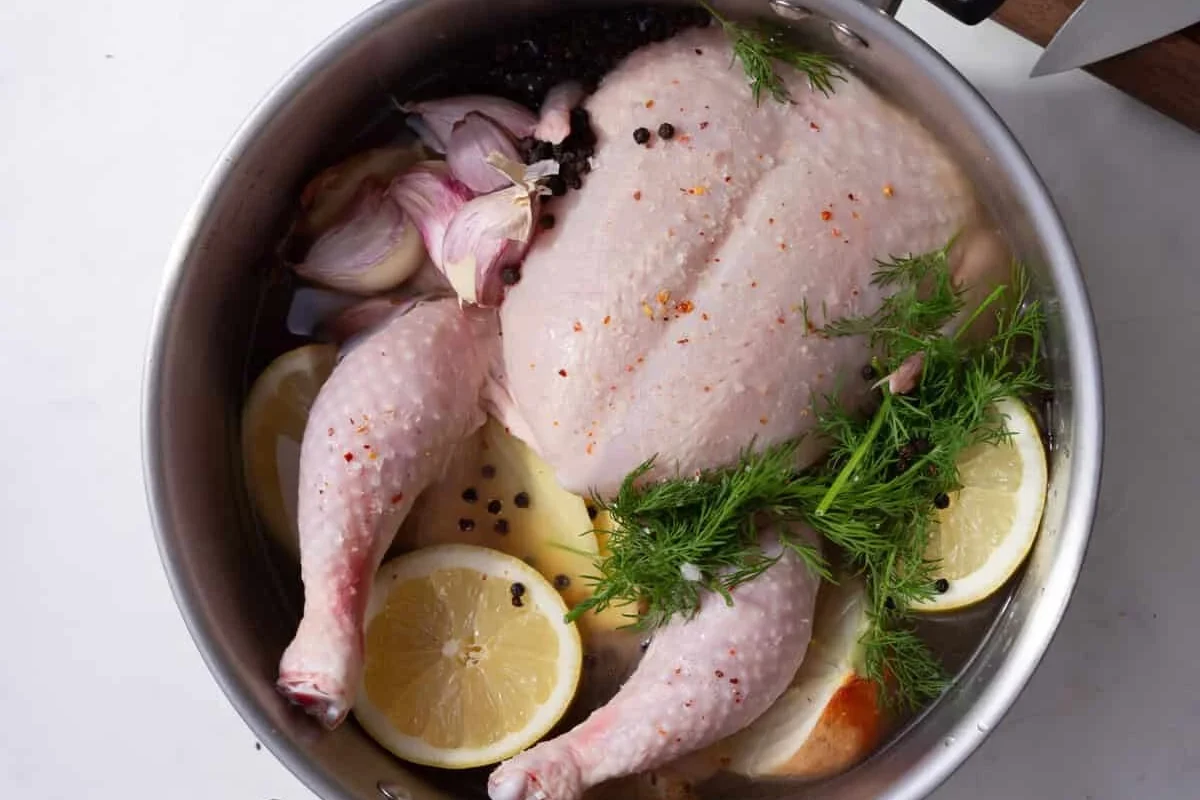
The foundation of many Belizean pots starts with onions, garlic, and sweet peppers. Adding these aromatics to the water creates a depth of flavor that store-bought stock simply cannot match. Consider adding a few sprigs of fresh thyme or a bay leaf to the mix.
Balancing Herbs and Spices
Don’t be afraid to season the water generously with salt. Since the chicken absorbs the liquid as it cooks, the salt helps season the meat from the inside out. You can also add black peppercorns or a dash of recado if you are aiming for a specific regional profile.
- Use cold water to start the boil to allow flavors to release slowly.
- Skim the foam off the top during the first 20 minutes.
- Adding too much salt at the start, as the liquid reduces and becomes saltier.
- Using a pot that is too small, which prevents even heat distribution.
Step-by-Step Technique: How to Boil a Whole Chicken Perfectly
Follow these steps for consistent, safe results every time you head into the kitchen.
Doneness Cues: Ensuring Food Safety and Optimal Texture
The only reliable way to know if your chicken is cooked is to use a meat thermometer. According to food safety guidelines, chicken must reach a minimum internal temperature of 165°F (74°C) in the thickest part of the thigh and breast.
Never rely on color alone to judge doneness. Always use an instant-read thermometer to ensure the chicken has reached 165°F to prevent foodborne illness.
Safety First: Handling and Storage Guidelines
Proper handling is non-negotiable. Always wash your hands and any surfaces that have come into contact with raw poultry. When storing, divide the meat and broth into smaller, shallow containers to help them cool down rapidly in the refrigerator.
Limitations and When to Choose Roasting Instead
Boiling is excellent for soup and shreddable meat, but it lacks the Maillard reaction—the browning that creates deep, savory flavors. If you want crispy skin or a complex, roasted flavor profile, reach for the oven instead. For those days, a Belizean BBQ chicken recipe might be more appropriate than a boiled approach.
Final Verdict: When Boiling Chicken Whole is Your Best Strategy
Boiling a whole chicken is the most effective strategy when your goal is meal preparation, creating a hearty stock, or preparing meat for dishes like Belizean chicken tacos. It is a forgiving, low-maintenance technique that rewards the home cook with high-quality ingredients for multiple meals. While it won’t give you crispy skin, its utility in a busy kitchen is unmatched.
Common Questions
The chicken is safe to eat once an instant-read thermometer reaches 165°F in the thickest part of the meat.
It is safer to thaw the chicken completely in the refrigerator first to ensure even cooking throughout the bird.
A large, heavy-bottomed stockpot is ideal because it holds heat evenly and provides enough space for the bird to be fully submerged.
Yes, seasoning the water with salt and aromatics is essential, as it allows the flavors to penetrate the meat while it cooks.
Stored in an airtight container, the cooked chicken will stay fresh in the refrigerator for three to four days.
Frequently Asked Questions
A whole chicken typically takes 60 to 90 minutes to boil, depending on its size. Always use a meat thermometer to confirm it has reached an internal temperature of 165°F.
Yes, leaving the skin on during the boiling process adds flavor and healthy fats to your broth. You can easily remove it after the chicken is cooked if you prefer.
Absolutely, that liquid is a homemade chicken stock. Strain out the vegetables and aromatics, and store the broth in the refrigerator for up to four days or freeze it for months.
Your chicken likely boiled at too high a temperature. A vigorous boil toughens the proteins, so always keep the water at a gentle simmer for the best texture.
No, never leave cooked chicken at room temperature for more than two hours. Transfer it to the refrigerator promptly to ensure food safety.
If the meat tastes bland, shred it and toss it with fresh herbs, citrus juice, or a savory sauce. You can also reduce the broth further to concentrate its flavor.