How Long to Cook Frozen Chicken Breast in Instant Pot

Cook frozen chicken breasts on high pressure for 10 to 15 minutes, depending on their thickness. Always ensure the internal temperature reaches 165°F (74°C) for food safety.
Cooking frozen chicken breast in an Instant Pot typically takes 10 to 15 minutes at high pressure, depending on the thickness of the meat. Always ensure the chicken reaches a safe internal temperature of 165°F (74°C) before serving.
- Timeframe: Use 10–12 minutes for standard breasts and 15 minutes for thick ones.
- Liquid: Always use at least one cup of liquid to prevent the burn error.
- Safety: Verify a 165°F internal temperature with a meat thermometer.
- Texture: Use a 10-minute natural pressure release to keep the meat tender.
How Long to Cook Frozen Chicken Breast in the Instant Pot: The Quick Answer
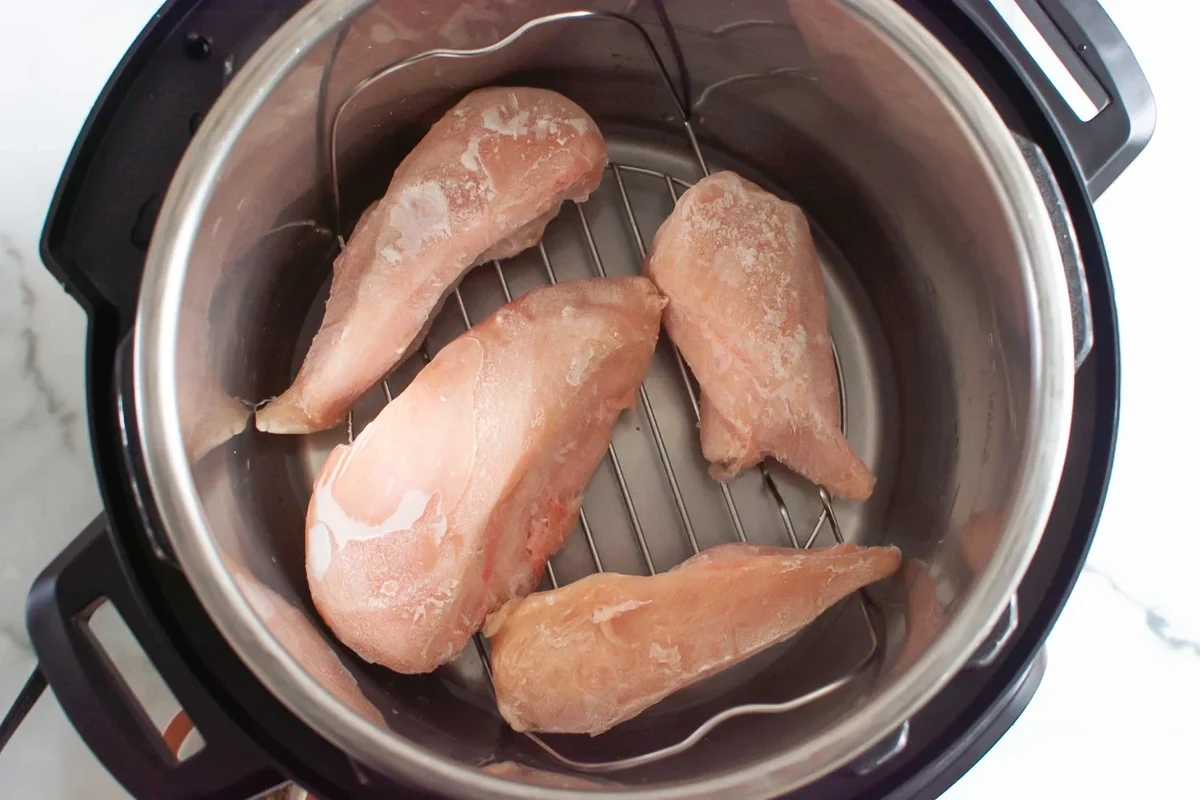
For standard-sized, individually frozen chicken breasts, set your Instant Pot to high pressure for 10–12 minutes. If the breasts are exceptionally thick or frozen in a large, solid block, increase the time to 15 minutes to ensure thorough cooking.
Understanding the Instant Pot Method for Frozen Poultry
Why the Pressure Cooker is a Game-Changer for Busy Kitchens
The Instant Pot has revolutionized the way we handle last-minute dinner preparations. When you forget to pull meat from the freezer, the pressure cooker acts as a reliable safety net. By utilizing high-pressure steam, the appliance penetrates the frozen exterior of the poultry, effectively thawing and cooking the meat in a fraction of the time required by an oven or stovetop. This method is a staple for home cooks who need to assemble quick meals, such as Belizean chicken tacos, without the hours of advance planning usually required for thawing.
The Science Behind Pressure Cooking Frozen Meat
Pressure cooking works by raising the boiling point of water trapped inside a sealed chamber. As the temperature climbs, the steam forces heat into the center of the frozen chicken breast. Because the moisture remains trapped, the chicken stays succulent rather than drying out, which is a common issue with high-heat methods like grilling or baking. It is essential to remember that the “cooking time” only begins once the pot reaches full pressure, which may take an additional 5–10 minutes depending on the volume of frozen items inside.
Step-by-Step Guide: Cooking Frozen Chicken Breast Perfectly
Essential Ingredients and Liquid Ratios
To prevent the dreaded “Burn” error, you must always include a minimum of one cup of liquid (water, chicken broth, or stock) in the base of the Instant Pot. This liquid generates the necessary steam to build pressure. For added flavor, you can incorporate aromatics like garlic, onion, or bay leaves into the liquid base, similar to the foundational steps used in a classic Belizean curry chicken recipe.
The Cooking Process: From Freezer to Table
Determining Doneness: Ensuring Food Safety and Temperature Cues
According to USDA food safety guidelines, all poultry must reach an internal temperature of 165°F (74°C) to be considered safe for consumption. Always use a digital meat thermometer inserted into the thickest part of the breast to verify doneness.
Optimizing Your Results: Tips for Tenderness and Flavor
Seasoning Techniques for Frozen Chicken
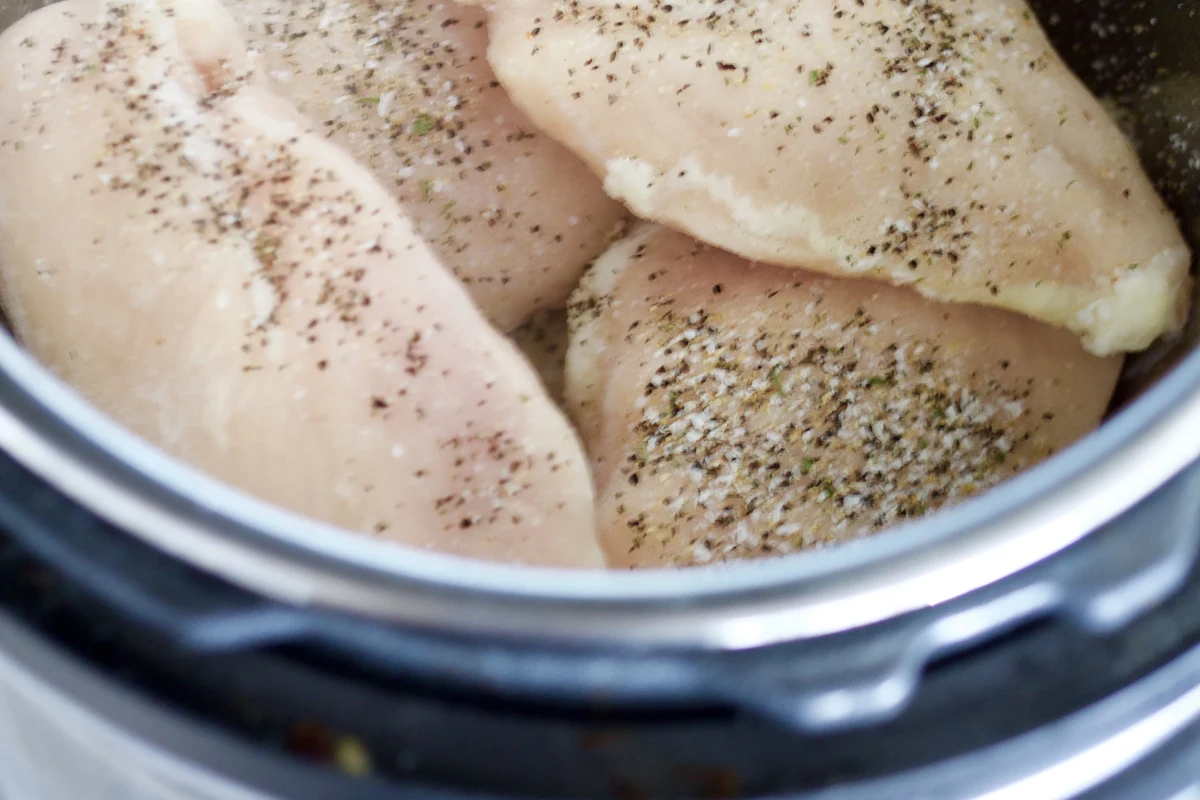
Seasoning frozen meat can be tricky because the exterior is often coated in ice crystals. For the best results, cook the chicken plain first. Once the cycle is complete, remove the chicken, pat it dry, and then apply your favorite dry rubs or glazes. If you prefer to season before cooking, use a robust spice blend that can withstand the steaming process, as delicate herbs may lose their potency.
The Importance of the Natural Pressure Release
While a “Quick Release” is tempting when you are hungry, it can cause the muscle fibers of the chicken to seize up, resulting in a tough, rubbery texture. A 10-minute natural pressure release (NPR) allows the internal temperature of the meat to stabilize, ensuring the juices redistribute throughout the breast. This is the secret to getting results that rival the tenderness of slow-cooked Belizean BBQ chicken.
Troubleshooting Common Mistakes
- Use the trivet to keep chicken out of the water.
- Use a meat thermometer for accuracy.
- Allow for natural pressure release.
- Overcrowding the pot.
- Skipping the liquid base.
- Using a “Quick Release” immediately.
Safe Handling and Storage Guidelines
If you have leftover cooked chicken, store it in an airtight container in the refrigerator for up to 3–4 days. For longer storage, you can freeze the cooked meat for up to 3 months, though it is best used in soups or stews after thawing.
Versatile Ways to Serve Your Instant Pot Chicken
Once you have mastered the basic technique, the possibilities are endless. The resulting chicken is perfectly tender, making it ideal for shredding. You can use this base for quick salads, wraps, or even as a protein addition to a hearty soup. If you are looking for inspiration, consider incorporating this cooked chicken into a quick meal plan that utilizes your favorite pantry staples.
Cooking frozen chicken breast in an Instant Pot is a highly effective, safe, and time-saving method for the modern home cook. While it may not provide the same crispy skin as oven roasting, it produces moist, tender meat that is perfect for shredded applications. For the best quality, always use a meat thermometer to confirm the internal temperature reaches 165°F (74°C), and prioritize a natural pressure release to maintain the best possible texture.
Common Questions
Most frozen chicken breasts require 10–12 minutes on high pressure.
No, the Instant Pot is designed to cook poultry directly from the freezer.
Yes, as long as it reaches an internal temperature of 165°F.
Ensure there is enough liquid and the pot is sealed properly.
Yes, but reduce the cooking time to 6–8 minutes due to their smaller size.
Frequently Asked Questions
Yes, it is safe to cook frozen chicken in an Instant Pot as long as the internal temperature of the meat reaches 165°F (74°C) to ensure all bacteria are destroyed.
The standard requirement of at least one cup of liquid remains the same. The ice on the chicken will melt and add to the liquid, but it does not replace the need for an initial cup of broth or water.
You can stack them, but try to keep them in a single layer if possible for even cooking. If stacking is necessary, add an extra 2–3 minutes to the total cooking time.
Rubbery texture usually occurs from a quick pressure release. Allowing for a natural pressure release helps the proteins relax and retain moisture.
If the center is undercooked, seal the lid and pressure cook for an additional 3–5 minutes. Always check the temperature with a thermometer before serving.
It is best to season after cooking. The steam can wash away spices during the process, and applying them afterward ensures better flavor adherence.