Meal Prep Ideas with Chicken Breast

Meal prepping with chicken breast involves cooking large batches using methods like baking or poaching to ensure you have lean protein ready for the week. By using versatile spice blends and proper storage techniques, you can keep your meals fresh, safe, and flavorful.
Meal prepping with chicken breast is the most effective way to ensure you have high-quality, versatile protein ready for busy weekdays. By mastering a few core cooking techniques and flavor profiles, you can transform simple ingredients into a variety of nutritious meals that stay fresh throughout your work week.
- Internal Temperature: Always cook chicken to 165°F (74°C) for food safety.
- Resting: Let chicken rest after cooking to retain maximum moisture.
- Storage: Use airtight containers and consume within 3-4 days of refrigeration.
- Variety: Use different marinades to avoid flavor fatigue during the week.
The Ultimate Guide to Efficient Meal Prep with Chicken Breast
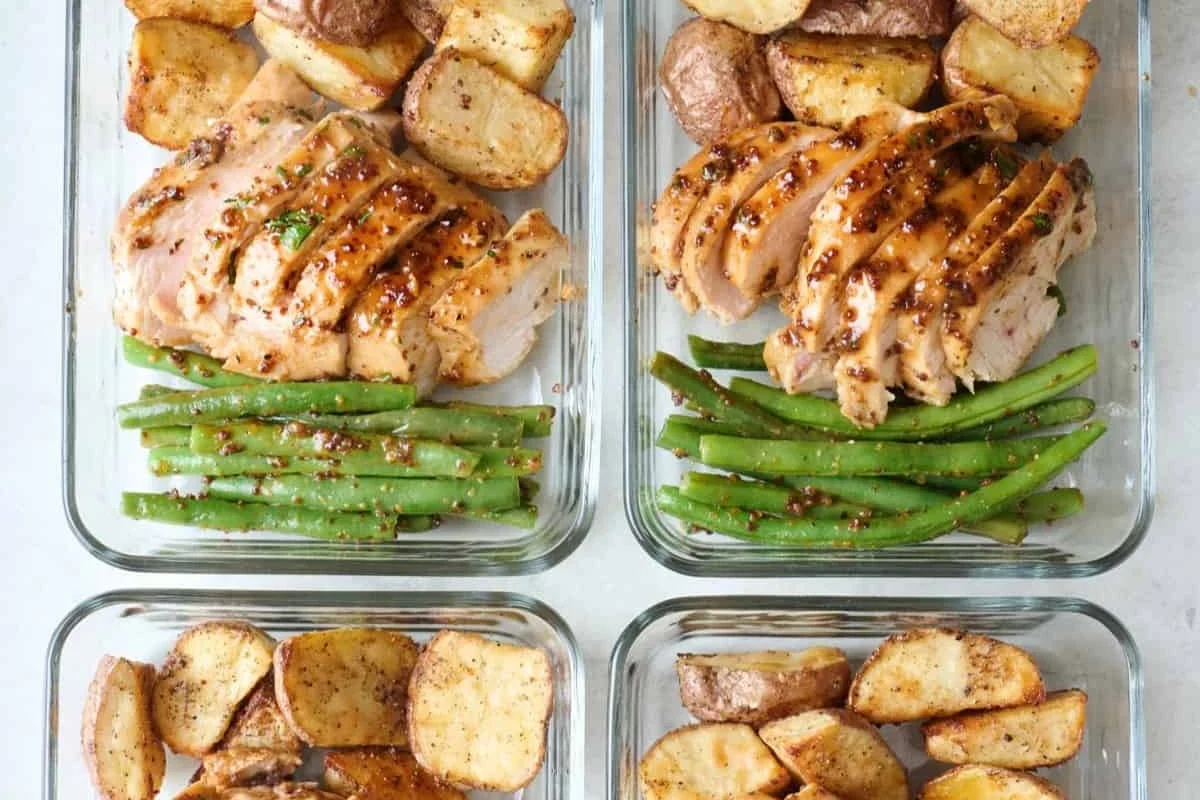
As we move through 2026, the demand for efficient, home-cooked meals has never been higher. Chicken breast remains the cornerstone of meal prep because of its lean profile and ability to act as a blank canvas for diverse seasoning blends. Whether you are looking to assemble quick salads, hearty bowls, or components for a Belizean chicken tacos recipe, consistency in your preparation is the secret to success.
Why Chicken Breast is the Gold Standard for Meal Prep
Nutritional Profile and Versatility
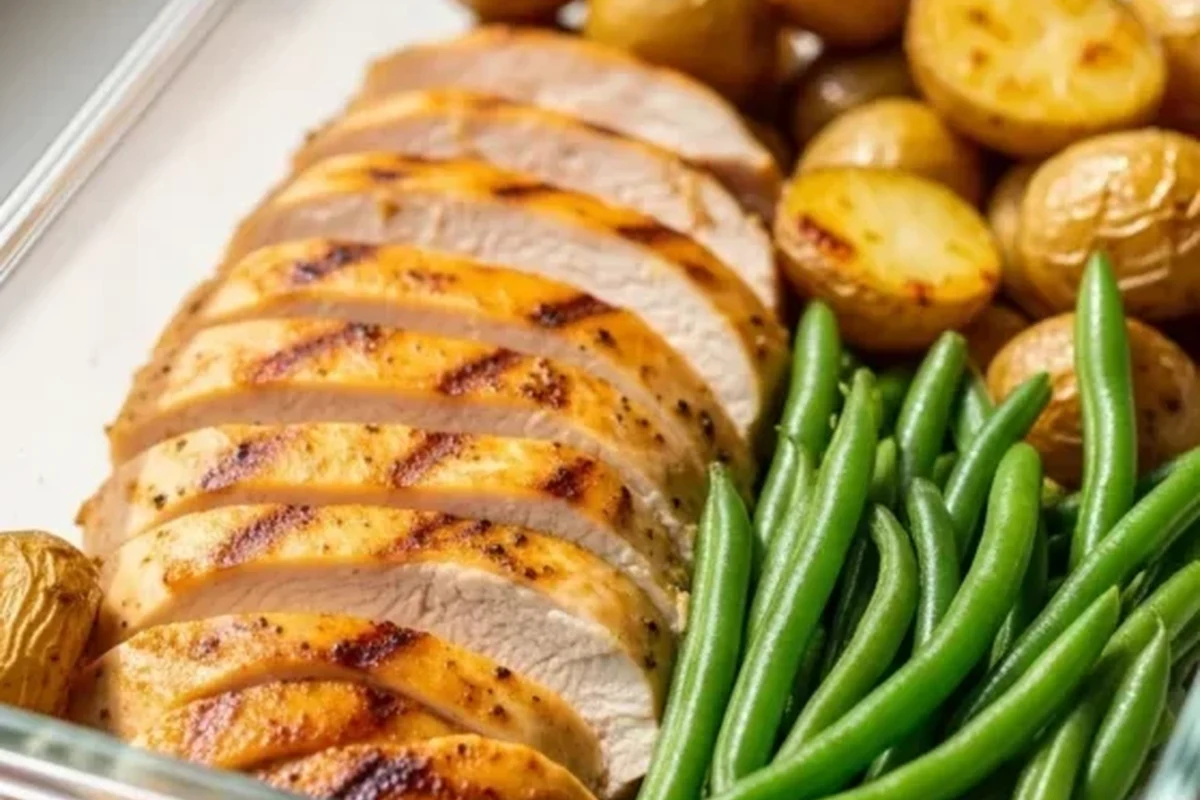
Chicken breast is prized for being high in protein and relatively low in fat. Because it has a mild flavor, it pairs equally well with heavy spices, citrus marinades, or simple herbs. This versatility means you can cook a large batch on Sunday and enjoy it in vastly different formats—from cold wraps to warm stir-fries—without feeling like you are eating the same meal twice.
Who Benefits Most from Chicken Breast Meal Prep?
Meal prepping with chicken is ideal for busy parents, fitness enthusiasts, and professionals who want to avoid the expense and nutritional uncertainty of takeout. It provides a reliable safety net, ensuring you have a healthy option ready when time is short.
Always aim to cook your chicken to an internal temperature of 165°F (74°C) as measured by a reliable meat thermometer to ensure food safety.
Essential Ingredients and Flavor Profiles for Belizean-Inspired Prep
Selecting the Best Cuts: Fresh vs. Frozen Quality
Whether you choose fresh or frozen depends on your budget and storage space. Fresh chicken often has a better texture for searing, while high-quality frozen breasts, when thawed properly in the refrigerator, are excellent for poaching or slow cooking.
Must-Have Aromatics and Belizean Spices
To keep your palate interested, focus on bold aromatics. Garlic, onion, habanero (used sparingly), and fresh cilantro are staples in Belizean kitchens. Incorporating these into your prep—perhaps as a marinade or a finishing rub—adds depth that transforms plain chicken into a vibrant dish reminiscent of a Belizean curry chicken recipe.
Mastering the Techniques: How to Cook Chicken Breast for Meal Prep
The Perfect Bake: Retaining Moisture at High Heat
Baking is the most “hands-off” method for large quantities. To prevent the meat from drying out, brush the breasts with a little oil or a thin layer of marinade and bake at 400°F (200°C) for about 18–22 minutes. Resting the meat for at least five minutes before slicing is crucial to keep the juices inside.
Stovetop Searing: Building Flavor and Texture
If you have access to a gas range with griddle, searing is an excellent way to build a golden-brown crust. This method works well when you want the chicken to have a bit of a “char” or smoky finish, which is particularly effective for salads.
The Poaching Method: Ideal for Shredded Applications
Poaching involves simmering chicken in seasoned water or broth until cooked through. This is the best technique for meal prep that requires shredded chicken, such as for tacos or soups.
Strategic Storage and Food Safety Protocols
Never leave cooked chicken at room temperature for more than two hours. Once cooled, store it in airtight containers in the refrigerator for up to 3 to 4 days.
Optimal Cooling and Airtight Storage Solutions
Allowing the chicken to cool slightly before putting it in the fridge prevents condensation from forming inside the container, which can lead to soggy chicken and faster spoilage. Use glass containers when possible, as they do not retain odors and are easier to sanitize.
Common Mistakes and How to Troubleshoot Them
The “Dry Chicken” Dilemma: Causes and Solutions
Dryness is usually caused by overcooking. If you find your chicken is consistently tough, invest in a digital meat thermometer. Removing the chicken from the heat the moment it hits 165°F (74°C) is the most effective way to maintain moisture.
Flavor Fatigue: Keeping Your Prep Exciting
Don’t season everything the same way. Divide your batch: keep half with a neutral herb seasoning and marinate the other half in a bold spice blend. This allows you to pivot your meal plans mid-week.
Recipe Spotlight: Belizean-Style Lemon Herb Chicken Prep
Ingredients and Preparation Steps
For this style, use lime juice (a staple in the region), olive oil, minced garlic, dried oregano, and a touch of black pepper. Marinate for 30 minutes, then bake or pan-sear until fully cooked.
Whisk together lime juice, garlic, and herbs.
Let the chicken sit in the mixture before cooking using your preferred method.
Maximizing Value: Buying and Budgeting Tips
Bulk Buying and Portioning Strategies
Buying family-sized packs is almost always cheaper per pound. When you get home, divide the chicken into portion-sized bags immediately. This makes thawing for the week much faster and helps manage your grocery budget effectively throughout 2026.
Final Recommendations for Sustainable Meal Prepping
Successful meal prep is about consistency rather than perfection. Start by mastering one cooking method and one flavor profile. As you gain confidence, you can expand your repertoire to include more complex dishes. By prioritizing food safety, proper storage, and varied seasoning, you can ensure your chicken breast prep remains a delicious and reliable part of your routine.
Common Questions
It is lean, high in protein, and acts as a neutral base that pairs well with almost any flavor profile.
The safest method is to thaw it in the refrigerator overnight rather than at room temperature.
Avoid overcooking by using a meat thermometer and store the chicken in an airtight container to lock in moisture.
Yes, a slow cooker is excellent for poaching chicken breast, making it very easy to shred for various recipes.
Prepare the chicken with a neutral seasoning first, then add different sauces or toppings at the time of serving.
Frequently Asked Questions
Cooked chicken breast typically lasts for 3 to 4 days when stored in an airtight container in the refrigerator.
Reheat it gently in a pan with a splash of water or broth, or use a microwave on low power. Adding a bit of moisture helps prevent the meat from becoming rubbery.
Yes, you can freeze cooked chicken for up to 3 months. For best results, shred or slice it before freezing to make it easier to incorporate into future meals.
You can use lemon-herb blends, classic taco seasoning, curry powders, or simple garlic and onion powder. Keeping the base neutral allows for more variety in your daily meals.
Use a dedicated cutting board for raw poultry and wash your hands, utensils, and surfaces thoroughly with hot, soapy water immediately after handling.
Cooking it whole helps keep it juicier during the initial cook. You can then slice or cube it once it has rested and cooled.