
Gluten Free Caesar Dressing

Traditional Caesar dressing is often not gluten-free due to the use of malt vinegar in Worcestershire sauce. You can easily make a safe version at home by selecting certified gluten-free ingredients and avoiding wheat-based thickeners.
Making a delicious Caesar dressing at home is a rewarding culinary skill, but for those managing gluten sensitivities, the standard store-bought bottle often contains hidden wheat-based ingredients. This guide helps you navigate the transition to a safe, scratch-made dressing that maintains the traditional flavor profile you love.
- Check Labels: Always verify that your Worcestershire sauce is specifically labeled gluten-free.
- Fresh Ingredients: Grate your own Parmesan cheese to avoid wheat-based anti-caking agents.
- Emulsion Safety: Use pasteurized egg yolks to minimize food safety risks in raw dressings.
- Storage: Keep your dressing refrigerated and aim to use it within 48 hours for the.
Is Caesar Dressing Naturally Gluten-Free? The 2026 Truth
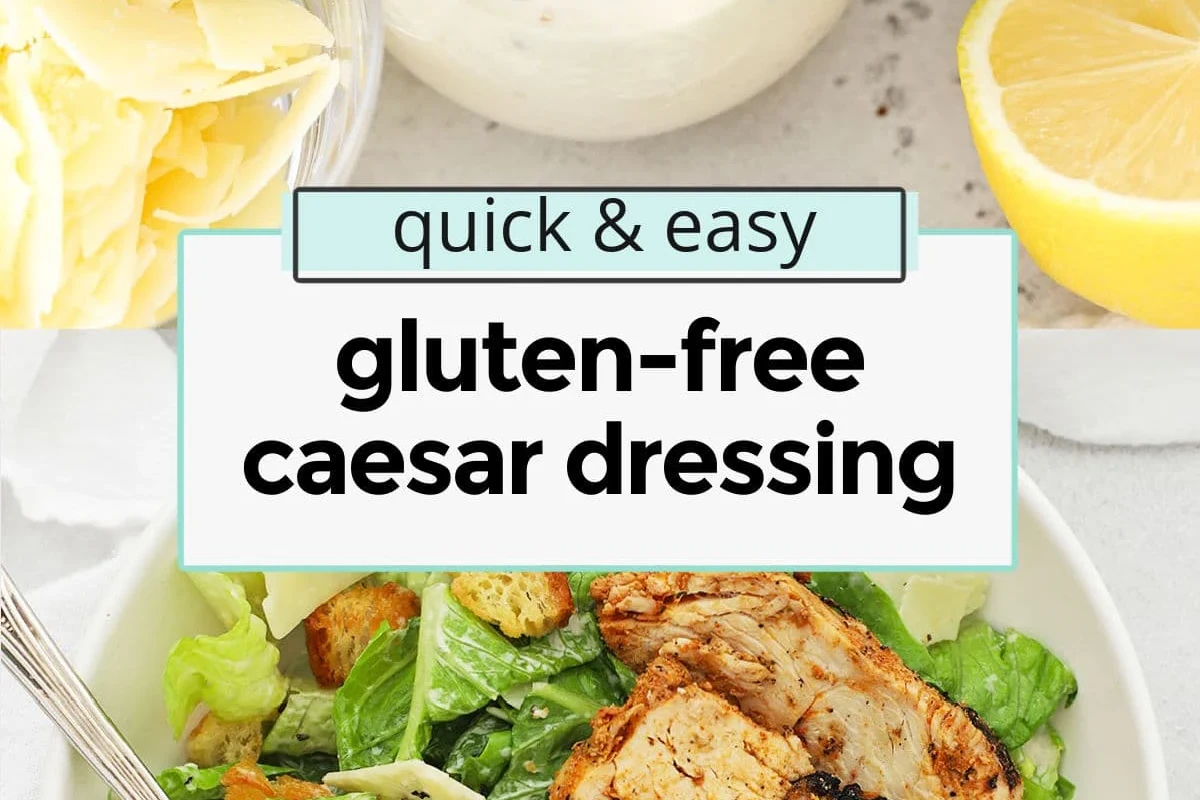
In 2026, many home cooks are surprised to discover that traditional Caesar dressing is not inherently gluten-free. While the core components—egg yolks, oil, lemon juice, and garlic—are naturally safe, the secondary ingredients used to build that signature depth are common vehicles for hidden gluten.
Understanding the Hidden Gluten Culprits in Traditional Recipes
The primary concern in most commercial and classic restaurant-style dressings is Worcestershire sauce. Many traditional formulations rely on malt vinegar, which is derived from barley, a gluten-containing grain. Furthermore, some commercial thickeners, stabilizers, or even certain brands of croutons used as “toppers” can introduce cross-contamination risks into your bowl. Being diligent about reading labels is the most effective way to ensure your salad remains safe for your dietary needs.
The Essential Gluten-Free Caesar Dressing Recipe
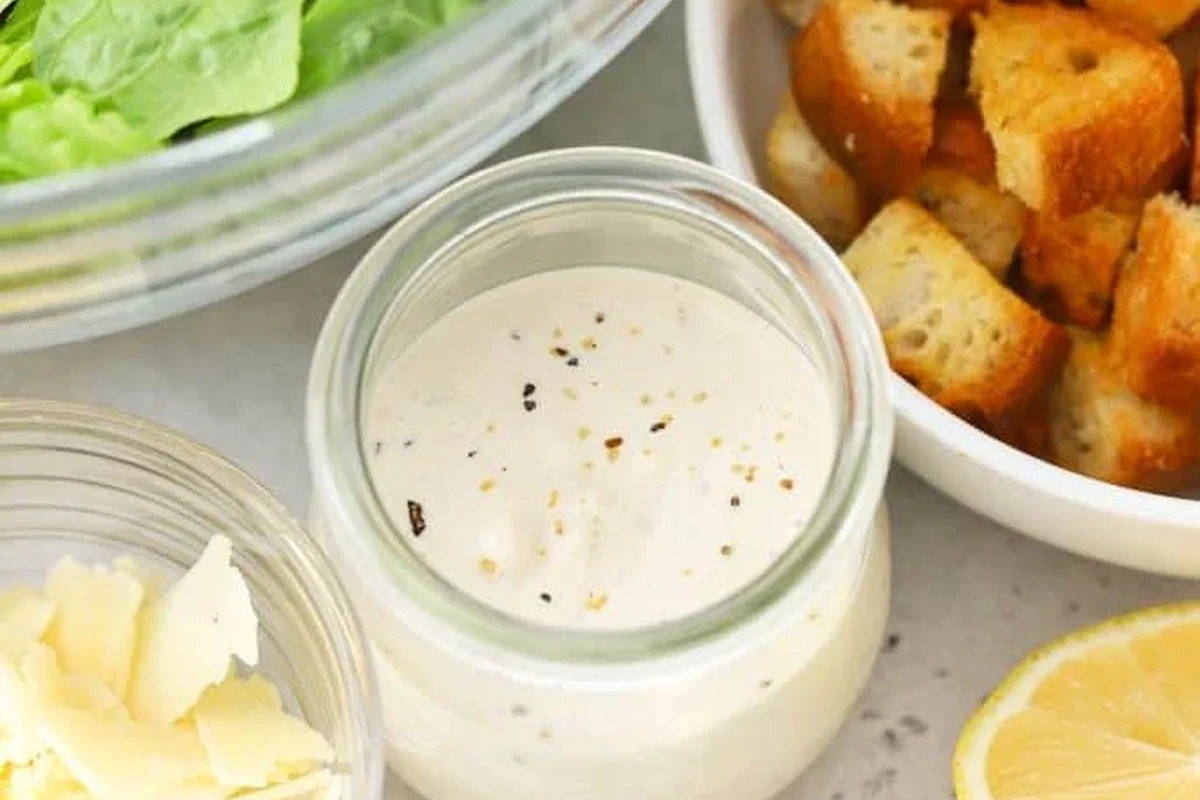
Creating a balanced, creamy dressing requires attention to the emulsification process. By focusing on high-quality fresh ingredients, you can replicate the bold, savory character of a restaurant-grade Caesar without the need for processed additives.
Core Ingredients: Building the Authentic Umami Base
To build your base, you will need fresh pasteurized egg yolks, high-quality extra virgin olive oil, freshly squeezed lemon juice, minced garlic, and gluten-free Worcestershire sauce. The umami profile is rounded out by anchovy fillets (or anchovy paste) and freshly grated Parmesan cheese. Ensure your Parmesan is authentic, as some pre-grated varieties use anti-caking agents that may contain wheat-based starch.
Step-by-Step Preparation: Techniques for the Perfect Emulsion
Whisk the egg yolks, lemon juice, minced garlic, and anchovies in a bowl until smooth.
Slowly drizzle in your oil while whisking constantly. A slow, steady stream is vital to creating a stable, creamy emulsion.
Stir in the gluten-free Worcestershire sauce and Parmesan cheese, adjusting salt and pepper to taste.
Mastering Substitutions: Making Caesar Dressing Safe for Everyone
Customizing your recipe allows you to control exactly what goes into your meal. When shopping for substitutions, always verify the “Certified Gluten-Free” label on processed items like condiments.
Navigating Gluten-Free Worcestershire Sauce Options
Always check the ingredient list for malt vinegar. Instead, seek out brands that explicitly state they use distilled white vinegar or apple cider vinegar, which are gluten-free, and verify the manufacturer’s stance on shared-facility manufacturing to avoid cross-contact.
Choosing the Right Anchovies and Parmesan for Dietary Needs
Anchovies packed in oil are generally safe, but always read the label to ensure no flavorings or additives containing wheat have been included. For Parmesan, buying a block and grating it yourself is the safest and most flavorful approach, as it eliminates the risk of gluten-containing fillers found in some pre-shredded options.
Real-Kitchen Benefits: Why Homemade Gluten-Free Dressing Wins
Preparing your dressing from scratch provides significant control over your nutritional profile and flavor intensity. Unlike shelf-stable dressings that use preservatives to maintain texture for months, fresh dressing highlights the vibrancy of lemon and the saltiness of the anchovies.
If you have leftover ingredients from your meal prep, consider how you store your kitchen tools; keeping your prep area clean is just as important as reading labels when managing dietary restrictions.
Common Mistakes and How to Avoid Them
The most common issue in dressing preparation is a “broken” emulsion, where the oil and liquid separate. This usually happens when the oil is added too quickly. If your dressing separates, stop adding oil and whisk in a teaspoon of warm water or a fresh egg yolk to help pull the mixture back together.
Food Safety, Storage, and Shelf-Life Guidelines
Because this recipe uses raw egg yolks, food safety is paramount. Use pasteurized eggs to reduce the risk of salmonella. Keep the dressing refrigerated at all times and consume within 24 to 48 hours.
Proper Storage Techniques to Maintain Freshness and Safety
Store your dressing in an airtight glass container in the coldest part of your refrigerator. Never leave it out on the counter during a meal; instead, serve only the amount needed and return the rest to the fridge immediately.
Final Recommendations: Elevating Your Salad Experience
To truly elevate your salad, pair your homemade dressing with fresh, crisp romaine and gluten-free croutons made from toasted almond flour bread or certified GF artisan loaves. By taking the time to source safe, high-quality ingredients, you ensure that your Caesar salad remains a delicious, worry-free staple in your home kitchen.
Frequently Asked Questions
Many store-bought Caesar dressings contain gluten, often hidden in the Worcestershire sauce or as thickeners. Always check the label for malt vinegar or wheat-based additives.
Yes, anchovy paste is a convenient alternative to fillets. Ensure the product is pure and does not contain added fillers or wheat-based ingredients.
Because it contains raw egg yolks, homemade Caesar dressing should be stored in the refrigerator and consumed within 24 to 48 hours for safety.
If your dressing separates, stop adding oil immediately. Whisk in a small amount of warm water or an extra egg yolk to help re-emulsify the mixture.
You can use certified gluten-free bread toasted with olive oil and garlic. Alternatively, roasted chickpeas or toasted nuts provide a great crunch without the gluten.
No, traditional Worcestershire sauce often contains malt vinegar derived from barley. Always specifically look for a bottle labeled ‘Gluten-Free’ to ensure safety.


