Raw Carrot Salad Recipe

A raw carrot salad is a simple, crisp side dish made by tossing grated carrots with a bright, acidic dressing. It is the perfect accompaniment to heavy, savory dishes to provide a refreshing balance.
A raw carrot salad is a vibrant, crunchy side dish that highlights the natural sweetness of fresh carrots, typically tossed in a bright, acidic dressing. In the Belizean kitchen, this staple serves as a refreshing contrast to hearty, savory main courses, bringing balance to every plate.
- Freshness: Use firm, vibrant carrots for the best crunch.
- Technique: Grate or shave the carrots uniformly for even flavor.
- Timing: Dress the salad just before serving to avoid sogginess.
- Balance: Use lime or vinegar to cut through the natural sweetness.
What is a Raw Carrot Salad? An Introduction to the Belizean Kitchen Staple
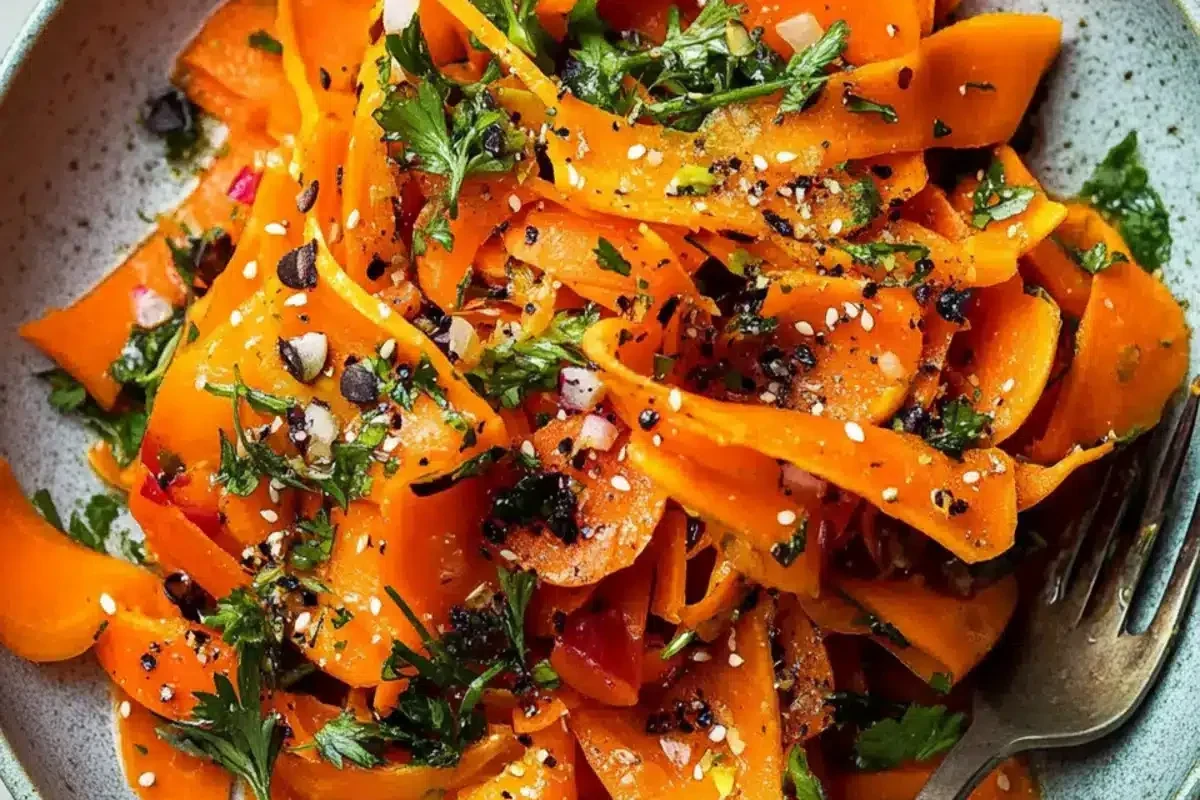
At its core, a raw carrot salad is a study in simplicity. It focuses on the texture of finely grated or shaved carrots, enhanced by aromatics and a balanced dressing that cuts through the richness of heavy, slow-cooked meals. Unlike cooked carrot dishes, the raw version retains a crisp, satisfying “snap” that defines its culinary appeal.
The Cultural Significance of Raw Carrot Salad in Belizean Cuisine
In Belize, meals are often bold, featuring stewed meats, rice and beans, and fried plantains. The raw carrot salad acts as a necessary palate cleanser. It is a humble yet essential component of the Sunday dinner table and community gatherings, prized for its ability to provide a clean, crisp finish to a plate filled with complex, savory flavors.
Who Is This Recipe For? Understanding the Appeal of Fresh, Crunchy Sides
This recipe is ideal for home cooks looking for a quick, nutritious side that requires no heat. It is particularly well-suited for busy weeknights, large family potlucks, or anyone needing a reliable, crowd-pleasing addition to their 2026 meal rotation that balances out heavier protein-centric dishes.
Key Ingredients: Selecting the Best Produce for Your Salad
- Fresh, firm carrots with vibrant color
- Citrus or vinegar for acidity
- High-quality aromatics (onions, garlic, or peppers)
- Neutral oil or a touch of sweetness to balance
Choosing the Right Carrots: Texture and Sweetness Profiles
Select carrots that are firm to the touch, as soft or rubbery carrots will result in a limp, unappealing salad. Look for bright orange skins without deep cracks or green tops that have wilted. Younger, thinner carrots often offer a sweeter, more tender profile, while larger, mature carrots provide a robust crunch that stands up well to dressing.
Essential Aromatics and Acids: Balancing the Belizean Flavor Profile
The “Belizean touch” often involves a hit of bright acid—typically lime juice or a mild white vinegar—paired with finely minced onions or a hint of habanero for those who enjoy heat. The acidity is crucial; it softens the raw fiber of the carrots just enough while brightening their earthy sweetness.
Optional Add-ins: Elevating Your Salad with Texture and Color
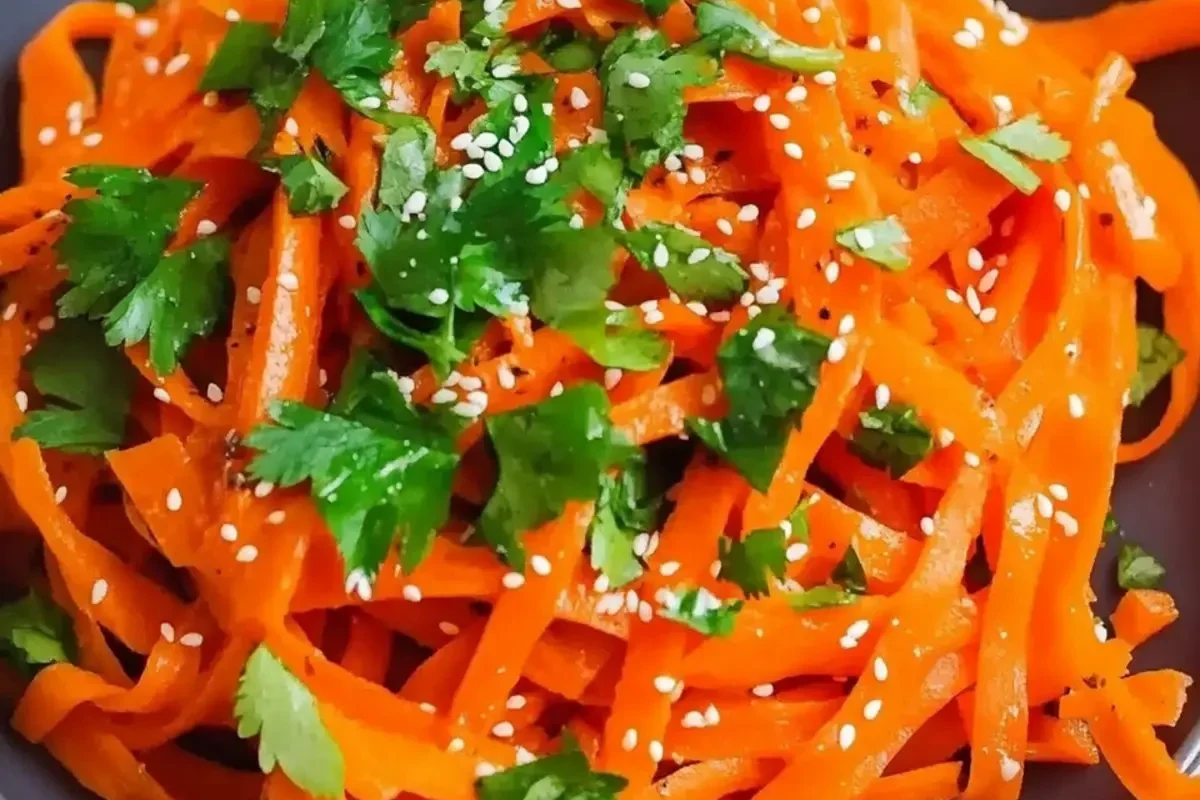
While the base is simple, many cooks add raisins for a pop of sweetness, toasted nuts for a buttery crunch, or freshly chopped cilantro to introduce an herbal note. Each addition should be balanced against the main carrot profile to ensure the salad remains crisp and refreshing.
How to Make the Perfect Raw Carrot Salad: Step-by-Step Technique
Wash and peel your carrots thoroughly. Use a box grater for a uniform shred or a vegetable peeler to create long, thin ribbons for a more sophisticated mouthfeel.
In a separate small bowl, whisk your acid, oil, salt, and any aromatics together until fully emulsified. Pouring this over the carrots just before serving ensures the salad stays crunchy.
Key Techniques: Grating vs. Shaving for Different Mouthfeels
The choice between grating and shaving changes the salad’s character. Grating (using the medium side of a box grater) creates a finer texture that absorbs dressing easily, making for a cohesive bite. Shaving with a peeler creates wider, ribbon-like strands that look elegant and provide a more pronounced crunch.
Common Mistakes and How to Avoid Them
- Dress the salad shortly before serving to maintain crunch.
- Use fresh lime juice for the most authentic flavor.
- Over-salting, which draws out too much moisture.
- Letting the salad sit in dressing for hours, which leads to sogginess.
The Soggy Salad Trap: Managing Excess Moisture
Carrots have a high water content. To avoid a watery puddle at the bottom of your bowl, avoid over-mixing the salad once it is dressed. If you are preparing it for a later time, keep the dressing and the grated carrots separate until the final moment.
Food Safety and Preparation Best Practices
Always wash raw produce under running water to remove soil and potential contaminants. Keep your cutting board and grater clean to prevent cross-contamination if you have been handling raw meat or poultry.
Cleaning and Sanitizing Raw Produce
Even if carrots look clean, they should be scrubbed under cold, running water. Peeling is recommended to remove any lingering dirt from the exterior. Ensure that your workspace is clean, especially when prepping multiple ingredients for a meal.
Storage and Shelf Life: Keeping Your Salad Fresh
Raw carrot salad is best consumed within 24 hours of preparation. While it can be stored in an airtight container in the refrigerator for up to two days, the texture will soften over time as the carrots absorb the dressing. If you notice any signs of wilting or an off-smell, it is time to discard the salad.
The Nutritional Value and Culinary Benefits
Carrots are a source of beta-carotene and fiber. Because this salad is served raw, it provides a satisfying crunch that encourages slow eating and satiety. Its light, acidic nature makes it the perfect accompaniment to heavy, traditional dishes, providing a necessary contrast that makes a meal feel complete.
Final Recommendations and Serving Suggestions
This raw carrot salad is an essential, reliable side dish for your 2026 recipe rotation. It pairs excellently with stewed chicken, fried fish, or any dish featuring beans and rice. By keeping the ingredients fresh and mastering the balance of acid and salt, you can elevate this simple side into a standout part of your meal.
Frequently Asked Questions
Yes, but keep the dressing separate until you are ready to serve. This prevents the carrots from softening and becoming soggy.
Look for fresh, firm carrots that are free of deep cracks. Smaller, younger carrots are often sweeter and more tender.
It can be stored in an airtight container for up to two days, though it is best enjoyed within the first 24 hours for maximum crispness.
Yes, you can add ingredients like cabbage or bell peppers for extra crunch. Just ensure they are sliced thinly to match the texture of the carrots.
This recipe is naturally gluten-free and vegan. Always check the labels on any added oils or seasonings to ensure they meet your specific dietary needs.
It pairs best with rich, savory dishes like stewed meats, fried fish, or rice and beans. The acid in the salad helps balance those heavy flavors.