
Caesar Dressing Without Mayo

You can make a delicious Caesar dressing without mayo by using creamy alternatives like Greek yogurt, silken tofu, or mashed avocado. These bases provide the necessary texture to carry the bold, tangy flavors of garlic, lemon, and anchovies.
Creating a vibrant, tangy Caesar dressing without mayo is entirely possible by relying on natural emulsifiers like Greek yogurt, avocado, or silken tofu. This approach allows you to control the flavor profile while achieving that signature creamy consistency essential for a perfect salad.
- Base selection: Choose Greek yogurt for protein, avocado for richness, or silken tofu for a vegan-friendly.
- Emulsion technique: Drizzle your oil slowly while whisking to ensure the dressing stays creamy and doesn’t.
- Flavor balance: Always prioritize high-quality anchovies and fresh lemon juice to maintain the authentic Caesar profile.
- Food safety: Keep homemade dressings refrigerated and aim to consume them within 3 to 5 days.
Caesar Dressing Without Mayo: The Creamy, Authentic Alternative
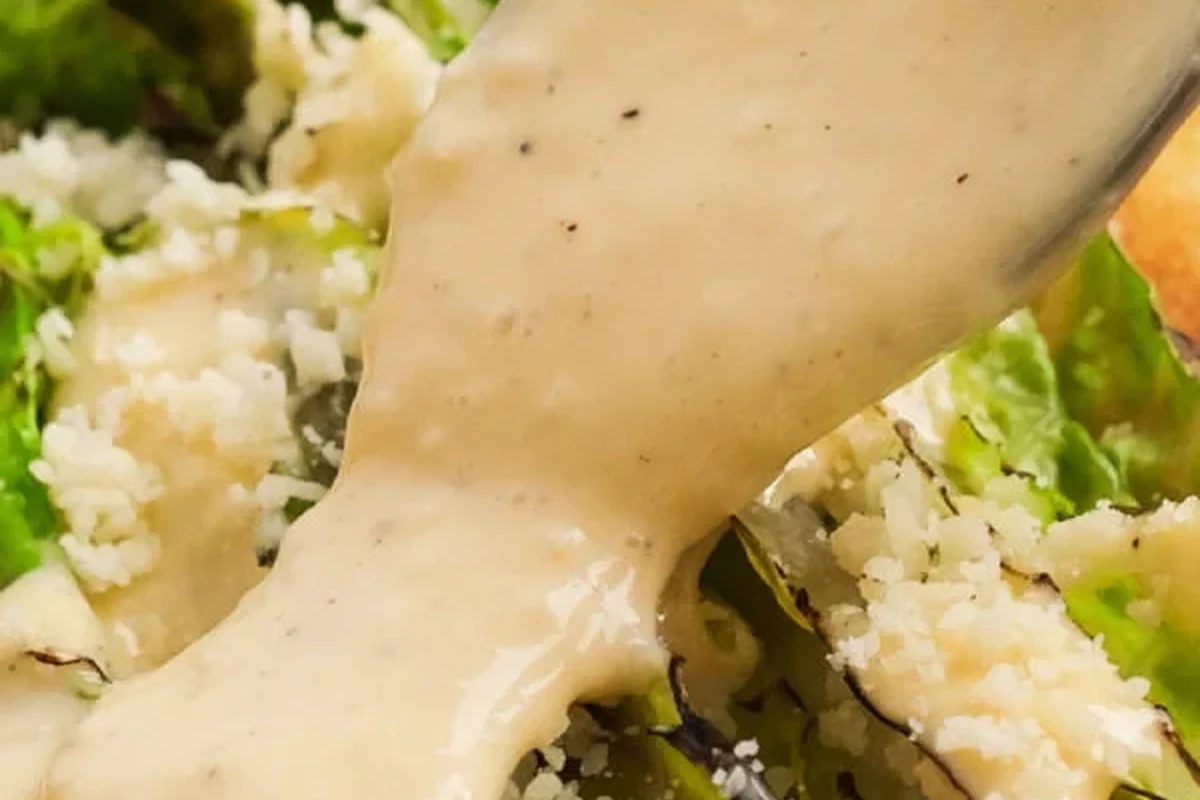
Many home cooks in 2026 are looking to step away from store-bought, mayo-heavy dressings to embrace fresher, lighter ingredients. A traditional Caesar dressing relies on the richness of egg yolk and oil, but by substituting the mayonnaise base, you can highlight the bold, savory notes of garlic, anchovy, and lemon. This method yields a cleaner taste that complements crisp romaine and crunchy croutons without feeling heavy.
What Makes a Classic Caesar Dressing Without Mayo Possible?
The Science of Emulsification: Moving Beyond Store-Bought Mayonnaise
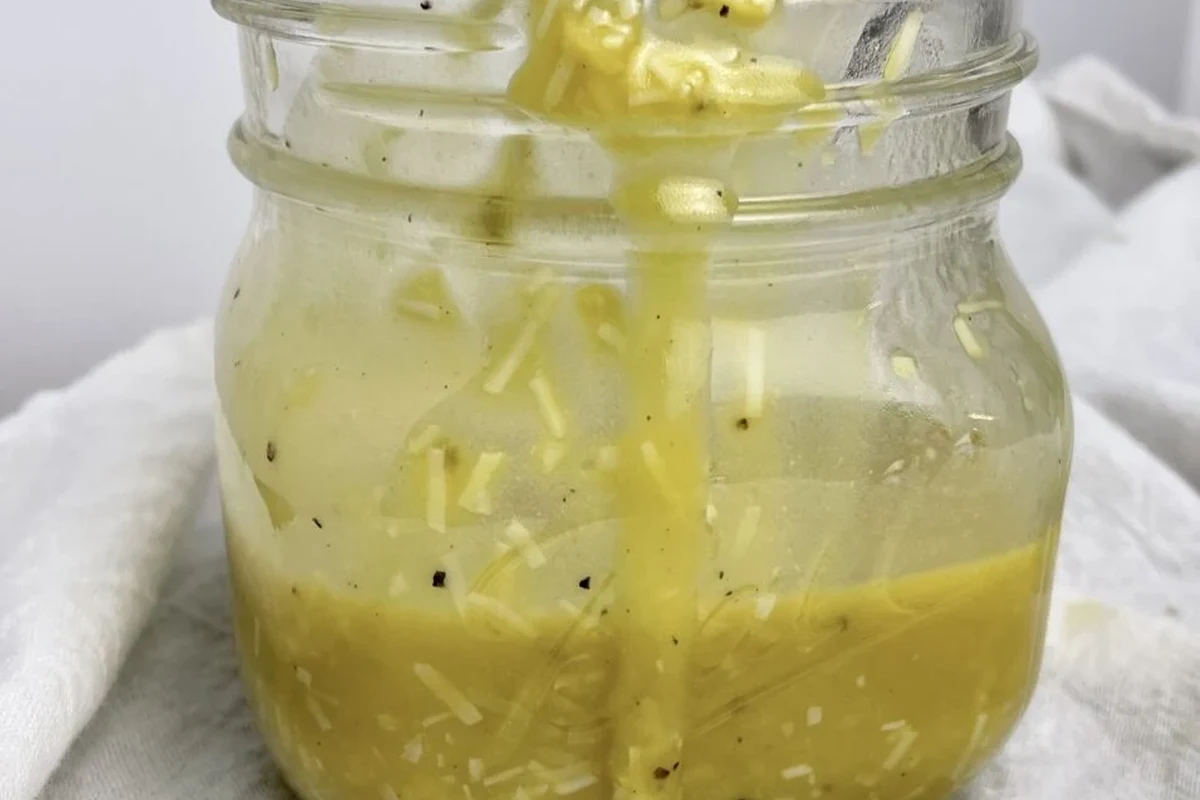
Emulsification is the process of blending two liquids that usually do not mix, such as oil and vinegar, into a stable, creamy mixture. When you skip mayonnaise, you must introduce a new emulsifier to hold the dressing together. Ingredients like Greek yogurt or even the natural fats in avocado serve as a bridge, allowing the oil to disperse evenly throughout the dressing without separating.
Who Benefits from Mayo-Free Caesar Dressing?
This style of dressing is ideal for individuals seeking a higher protein content or those looking to reduce their reliance on processed vegetable oils often found in commercial spreads. It is a fantastic option for meal preppers who want to customize the tanginess and salt levels of their dressing to suit a variety of salad greens.
If you are looking to simplify your kitchen workflow, consider keeping a set of high-quality glass jars on hand for mixing and storing your dressings. For those interested in home organization, you might find it helpful to learn about managing your kitchen gadgets and tech setups to keep your prep space clutter-free.
Core Ingredients: Building the Flavor Profile
The Essential Trio: Anchovies, Garlic, and Lemon
The soul of a Caesar dressing lies in the “umami bomb” created by anchovies. Whether you use oil-packed fillets or a high-quality paste, they provide the necessary salt and depth. Fresh garlic adds a sharp bite, while freshly squeezed lemon juice acts as the acid that balances the richness of your chosen base.
Choosing the Right Base: Greek Yogurt, Silken Tofu, or Avocado
- Greek Yogurt: Provides a tangy, thick texture and a boost of protein.
- Silken Tofu: An excellent neutral base that creates a velvet-like consistency without dairy.
- Avocado: Offers healthy fats and a subtle, buttery finish that mimics the mouthfeel of traditional mayo.
Selecting Quality Oils and Cheeses for Maximum Impact
Use a high-quality extra virgin olive oil for the best flavor profile. When it comes to cheese, freshly grated Parmesan or Pecorino Romano is non-negotiable. Pre-grated varieties often contain anti-caking agents that can interfere with the final texture of your dressing.
The BelizeanRecipe Method: How to Craft the Perfect Dressing
Step-by-Step Preparation: From Emulsion to Consistency
Key Techniques: Mastering the Whisk and the Drizzle
The speed of your drizzle is the secret to a professional result. Adding the oil too quickly will cause the dressing to “break.” Use a steady, thin stream and keep your whisk moving in a consistent motion to capture the oil droplets effectively.
Common Mistakes and Troubleshooting Your Dressing
Why Your Dressing Might Separate (And How to Fix It)
Separation usually occurs if the oil was added too fast or if the ingredients were at drastically different temperatures. If it breaks, stop adding oil and whisk in a teaspoon of warm water or an extra spoonful of your base ingredient to bring it back together.
Balancing Acidity and Salt: Adjusting Profiles on the Fly
Taste as you go. If it’s too tart, add a pinch of sugar or honey. If it lacks depth, a splash of Worcestershire sauce or a little extra Parmesan can bridge the gap.
When working with raw ingredients like garlic, ensure you store the dressing in the refrigerator immediately. According to food safety standards, homemade dressings should be consumed within 3 to 5 days.
Safe Handling and Storage Guidelines
Food Safety: Managing Raw Egg Yolks vs. Yogurt Bases
By using yogurt or tofu instead of raw eggs, you significantly reduce the risk of foodborne illnesses associated with uncooked poultry products. Always ensure your workspace is clean and that your storage containers are airtight.
Shelf Life and Proper Refrigeration Techniques
Store your dressing in a glass container at the back of the fridge—never the door—to maintain a consistent temperature. If you notice any changes in smell, color, or texture after a few days, it is safest to discard the remainder.
Comparing Mayo-Free Alternatives: Which Base Wins?
| Base | Best For | Key Consideration |
|---|---|---|
| Greek Yogurt | Tangy, protein-rich | High moisture content |
| Avocado | Creamy, buttery | Oxidizes/browns quickly |
| Silken Tofu | Neutral, vegan | Needs bold seasonings |
Final Verdict: Elevating Your Salad Game Without the Jar
Crafting Caesar dressing without mayo is a rewarding culinary exercise that puts you in control of your ingredients. While avocado offers the most luxurious mouthfeel, Greek yogurt is often the most practical choice for everyday home cooking due to its accessibility and stable shelf life. Whichever base you choose, focus on high-quality anchovies and fresh lemon to ensure the classic Caesar profile shines through.
Frequently Asked Questions
Homemade dressings without preservatives should be stored in an airtight container in the refrigerator and consumed within 3 to 5 days for best quality and safety.
If you prefer to avoid anchovies, you can use a tablespoon of capers or a splash of fish sauce to achieve that signature salty, umami depth.
The dressing may be thin if you used too much lemon juice or not enough emulsifier. Try adding a bit more yogurt or blending in a small amount of Parmesan cheese to thicken it.
If you use silken tofu as the base and substitute the Parmesan and anchovies with nutritional yeast and capers, you can easily create a delicious vegan version.
A whisk is traditional and gives you more control, but a blender or immersion blender is faster and ensures a perfectly smooth emulsion, especially when using avocado.
Yes, start with one clove and taste the dressing before adding more. You can also use roasted garlic for a milder, sweeter flavor profile.