
Recipe for Hot Chicken Salad

Hot chicken salad is a savory, oven-baked casserole made by combining shredded chicken with a creamy binder and topping it with a crispy, golden crust. It is a versatile, comforting side dish that is perfect for family meals or potluck gatherings.
Hot chicken salad is a comforting, oven-baked casserole that transforms simple ingredients into a savory, creamy, and crunchy delight. This dish serves as an excellent side or main course, balancing tender poultry with a rich binding sauce and a satisfying, golden-brown topping.
- Protein Choice: Use shredded rotisserie or poached chicken for the best texture.
- Moisture Control: Sauté your aromatics like onions and celery before baking to prevent a watery result.
- The Crust: Use crushed butter crackers or panko breadcrumbs for that signature crunch.
- Safety First: Ensure the casserole reaches an internal temperature of 165°F (74°C) before serving.
The Ultimate Guide to Belizean-Style Hot Chicken Salad
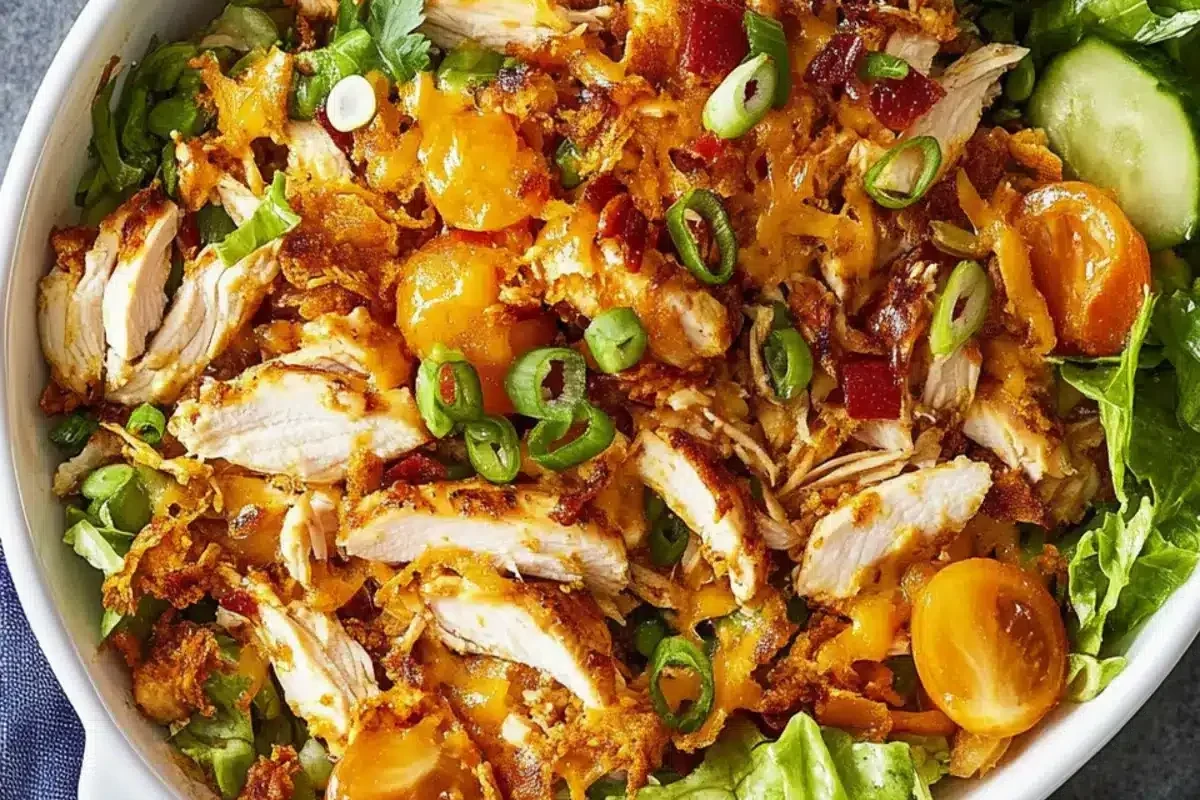
In the culinary landscape of Belize, comfort food often centers on dishes that bring people together, and a warm, baked salad is a staple for family gatherings and potlucks. Unlike cold deli-style salads, this version is baked until bubbling, allowing the flavors to meld into a cohesive, hearty meal. By 2026, home cooks are increasingly seeking ways to elevate simple pantry staples, and this recipe provides that perfect balance of familiar textures and elevated, savory depth.
What Makes Hot Chicken Salad a Comfort Food Staple
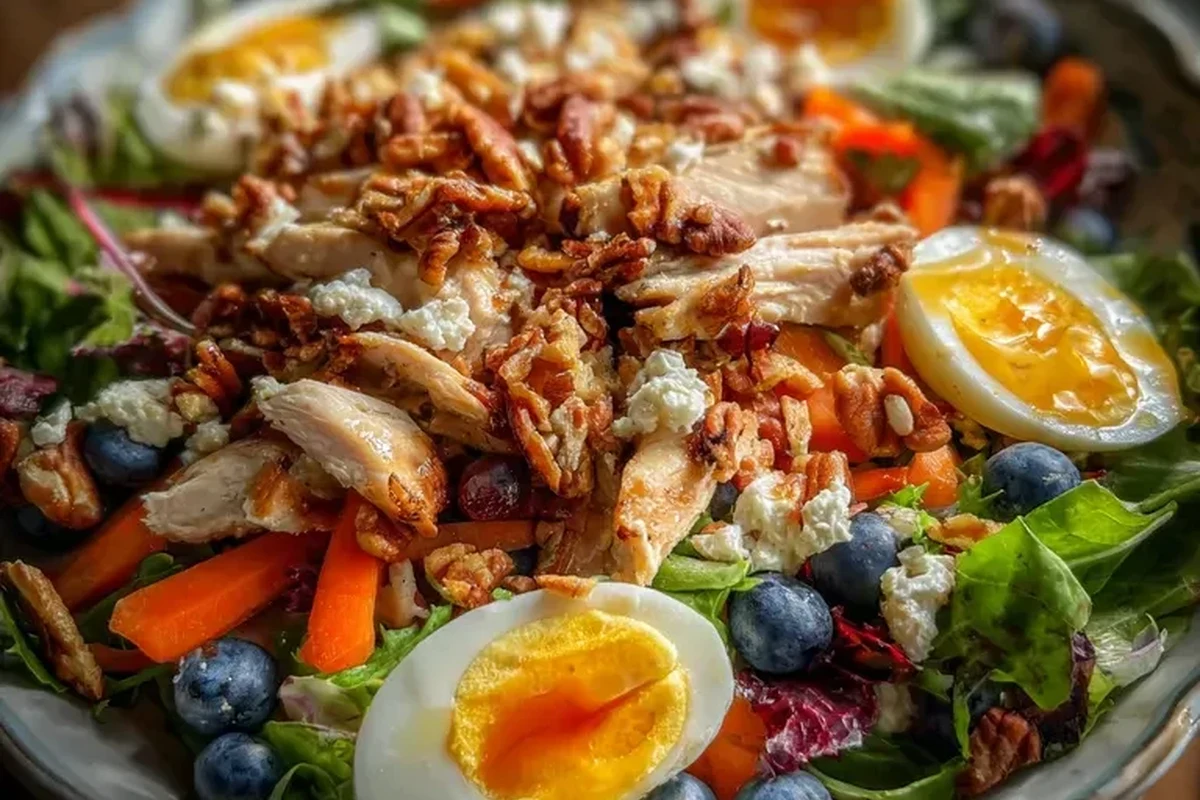
The appeal of hot chicken salad lies in its textural contrast. You have the soft, creamy base contrasted by the crunch of toasted nuts or breadcrumbs. It is forgiving, highly customizable, and perfect for utilizing leftover rotisserie or poached chicken. Whether you are preparing a dish for a casual brunch or a filling dinner, the warmth of this salad makes it a standout choice for any season.
Baked chicken salads gain their signature depth from the “binding agent,” which acts as a thermal conductor to ensure the ingredients heat evenly throughout the casserole dish.
Key Ingredients: Sourcing Quality Components for Your Salad
The Protein: Selecting the Best Chicken for Texture
The quality of your chicken dictates the final mouthfeel of the dish. While canned chicken is convenient, shredded poached chicken or high-quality rotisserie meat provides superior structure. Ensure the chicken is shredded into uniform pieces so it integrates seamlessly with the sauce rather than clumping.
The Binding Agents: Achieving the Perfect Creamy Consistency
A classic binder typically consists of mayonnaise or a combination of sour cream and cream of mushroom soup. For a more sophisticated profile, some cooks opt for a béchamel base. The goal is a consistency that is thick enough to hold the ingredients together without becoming soupy under the heat of the oven.
Add-ins: Incorporating Belizean-Inspired Flavors and Crunch
To infuse a local flair, consider adding finely diced bell peppers, sautéed onions, or a touch of mild habanero if you enjoy heat. Celery provides the essential “snap,” while toasted cashews or slivered almonds contribute a buttery crunch that sets this dish apart from standard casseroles.
- Toast your nuts in a dry pan for 2-3 minutes before adding them to the mixture to enhance their nutty aroma.
- Ensure all vegetables are diced to a similar size to guarantee even cooking throughout the salad.
- Use fresh herbs like cilantro or parsley to brighten the heavy, creamy notes of the binder.
Step-by-Step Cooking Technique: How to Prepare Hot Chicken Salad
Preparation and Mise en Place
Gather all your ingredients before beginning. Having your shredded chicken, diced aromatics, and sauce components measured and ready prevents the common issue of over-mixing. Remember that in 2026, efficient prep is the key to stress-free kitchen management.
The Cooking Process: Balancing Heat and Creaminess
Combine your protein and binder in a large mixing bowl. Fold in your aromatics gently. Transfer the mixture to a greased baking dish, spreading it evenly. You are looking for a gentle simmer around the edges of the dish, which indicates the internal temperature is rising correctly.
Achieving the Golden Crust: Topping Techniques
The crust is the crowning glory of hot chicken salad. A mixture of crushed buttery crackers (like Ritz) or panko breadcrumbs combined with melted butter creates a crisp, golden lid. Sprinkle this generously over the top during the final 10–15 minutes of baking to prevent the topping from becoming too dark.
Set your oven to 350°F (175°C) and lightly grease your baking dish with butter or non-stick spray.
In a large bowl, stir together the chicken, vegetables, binders, and seasonings until well-coated.
Transfer to the dish and bake for 20 minutes before adding the topping.
Add the cracker topping and bake for an additional 10-15 minutes until bubbly and golden.
Substitutions and Dietary Customizations
Dairy-Free and Gluten-Free Alternatives
For those with dietary restrictions, swap standard mayonnaise for a dairy-free avocado oil-based mayo. If you need to avoid gluten, use crushed gluten-free cornflakes or certified gluten-free breadcrumbs for the topping. Many find that nutritional yeast can add a “cheesy” depth without the need for actual dairy.
Protein Swaps and Vegetable Additions
While chicken is traditional, shredded turkey works beautifully, especially after the holidays. For a vegetarian-inspired side, you can substitute the poultry with chickpeas or cauliflower florets, though note that these will have a different texture profile.
Food Safety, Storage, and Reheating Guidelines
Always ensure your chicken reaches a safe internal temperature of 165°F (74°C) as recommended by food safety authorities. Never leave the salad at room temperature for more than two hours.
Proper Storage for Maximum Freshness
Store leftovers in an airtight container in the refrigerator. The salad typically stays fresh for up to three days. If you’ve prepared a large batch, consider portioning it out before cooling so you only reheat what you intend to eat.
The Best Methods for Reheating Without Losing Texture
Avoid the microwave if possible, as it can make the chicken rubbery and the sauce oily. Reheating in a conventional oven at 325°F (160°C) covered with foil will restore the dish’s moisture without sacrificing the integrity of the remaining crust.
Common Mistakes to Avoid in the Kitchen
Preventing a Watery or Runny Salad
Watery salad is usually caused by ingredients with high water content, such as raw onions or tomatoes, that haven’t been properly drained. Sauté your vegetables briefly to remove excess moisture before folding them into the binder.
Avoiding Overcooked or Dry Chicken
If you are starting with pre-cooked chicken, remember you are only “reheating” the dish, not cooking it from scratch. Over-baking will cause the proteins to tighten and release their juices, resulting in a dry, stringy texture.
- Use room-temperature ingredients for a smoother mix.
- Check the internal temperature with a food thermometer.
- Do not use high-heat settings for long periods.
- Avoid freezing the dish, as the mayo-based sauce often separates upon thawing.
Value and Versatility: When to Serve Hot Chicken Salad
Ideal Occasions for This Hearty Side
This dish is a lifesaver for busy weeknights or potluck events where you need something substantial. It pairs wonderfully with light, acidic sides like a crisp green salad or pickled vegetables, which cut through the richness of the creamy chicken base.
Pairing Recommendations for a Complete Belizean Meal
Serve your hot chicken salad alongside fluffy white rice or plantains for a truly satisfying experience. Much like when discussing nutritional considerations for pets, human meals also benefit from balanced, wholesome components that provide both satisfaction and nourishment. For a complete dining table, consider adding a side of fresh slaw, which provides a refreshing contrast to the warm, baked casserole.
Final Thoughts: Elevating Your Home Cooking with This Classic Dish
Mastering a recipe for hot chicken salad is about understanding the balance between your creamy binder and your crunchy topping. By focusing on quality ingredients and careful temperature control, you can create a reliable, comforting dish that remains a favorite for years to come. Whether you are a beginner or a seasoned cook, this recipe offers a versatile platform to experiment with flavors and textures in your own kitchen.
Frequently Asked Questions
Yes, you can assemble the mixture and store it in the refrigerator for up to 24 hours before baking. Add the topping just before placing it in the oven to ensure it stays crispy.
Shredded rotisserie chicken or poached chicken breast works best. Avoid using canned chicken if you prefer a fresh, meaty texture.
Watery salad often happens when vegetables like onions or celery are added raw and release moisture during baking. Sautéing them first helps prevent this.
It is generally not recommended to freeze this dish. The mayonnaise-based sauce tends to break and separate when thawed, ruining the creamy texture.
You can substitute mayonnaise with sour cream, Greek yogurt, or a thick homemade béchamel sauce for a different flavor profile.
The salad is done when the edges are bubbling and the topping is golden brown. Ensure the center reaches an internal temperature of 165°F.


