Salad Additives

Salad additives are the textural and flavorful components used to enhance the complexity of a fresh salad base. By layering crunchy, savory, and acidic elements, you can create a perfectly balanced dish every time.
Salad additives are the textural and flavorful components—ranging from crunchy seeds to tangy pickled vegetables—added to a base of greens to transform a simple side into a complete culinary experience. By layering these elements, you can achieve a sophisticated balance of taste and mouthfeel that elevates any meal.
- Balance textures: Always pair soft greens with a crunchy additive to keep the dish interesting.
- Use the Rule of Three: Combine one crunchy, one savory, and one acidic element for a professional flavor profile.
- Timing matters: Add crunchy components right before serving to avoid sogginess.
- Local swaps: Use available tropical ingredients like coconut or plantains to replace hard-to-find international staples.
Elevating Your Greens: The Ultimate Guide to Salad Additives
What Are Salad Additives and Why Do They Matter in Belizean Cuisine?
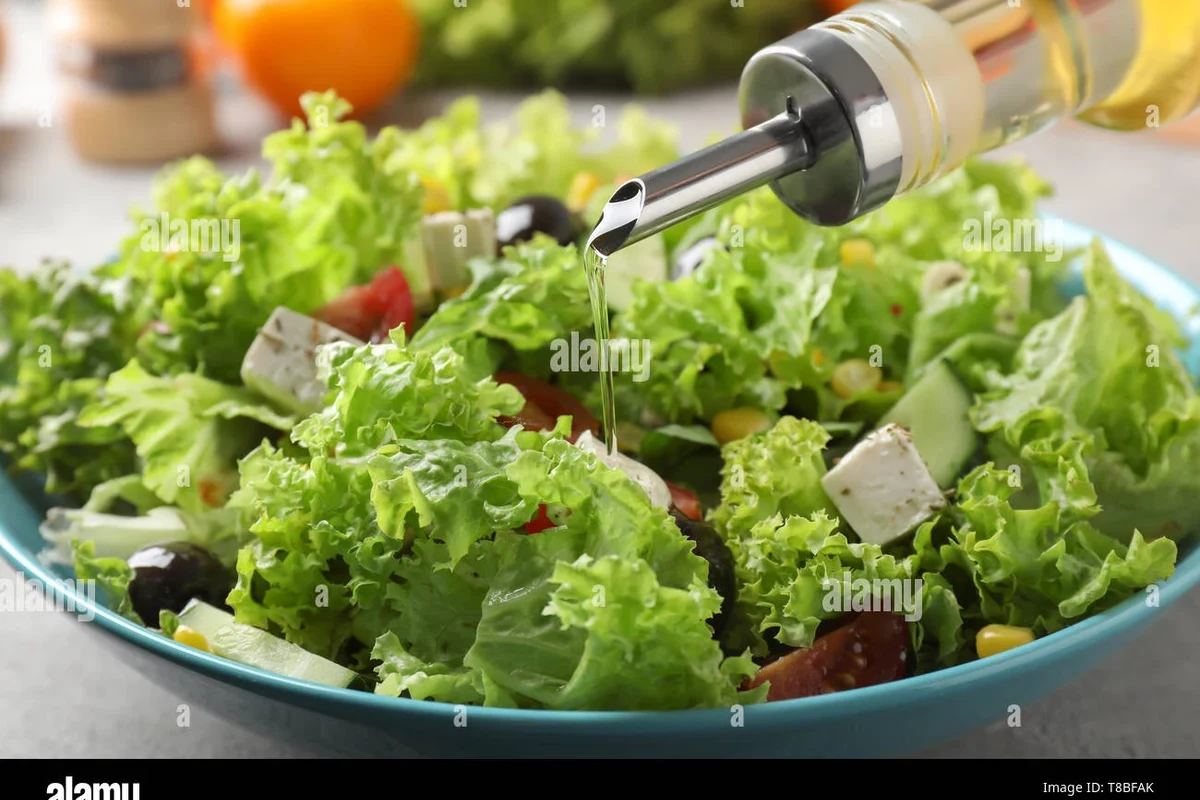
In the vibrant landscape of Belizean cooking, a salad is never just a bowl of leaves. It is an opportunity to showcase the bounty of the tropics alongside global staples. Salad additives are the functional ingredients that bridge the gap between fresh produce and a satisfying, cohesive dish.
The Philosophy of Texture and Flavor Contrast
A successful salad relies on the principle of contrast. If your greens are soft, your additives should provide resistance. If your dressing is acidic, a creamy or fatty additive can provide a necessary mellowing effect. This interplay prevents palate fatigue and keeps the dining experience engaging from the first bite to the last.
Balancing Tropical Ingredients with Global Staples
Belizean kitchens often blend local favorites like toasted coconut or fresh papaya with international pantry staples like sunflower seeds or feta cheese. This fusion respects the freshness of local produce while utilizing the depth provided by preserved or dried additives.
Think of your salad base as a canvas. The additives are the pigments that bring depth, shadow, and highlights to your creation.
Essential Salad Additive Categories: From Crunch to Creaminess
The Crunch Factor: Seeds, Nuts, and Toasted Grains
Crunch is arguably the most important element of a high-quality salad. Toasted pumpkin seeds (pepitas), cashews, or even crispy quinoa add a nutty profile that complements earthy greens. Toasting these items lightly in a dry pan until fragrant is a simple way to unlock their natural oils.
Bright and Bold: Pickled Elements and Fresh Herbs
Pickled onions, jalapeños, or even quick-pickled carrots provide a sharp acidic punch that cuts through rich dressings. Fresh herbs like cilantro, mint, or culantro (shado beni) act as aromatic additives that brighten the entire profile of the bowl.
Protein Boosters: Legumes, Cheeses, and Cured Meats
To turn a side salad into a more substantial dish, consider adding protein. Black beans, chickpeas, crumbled queso fresco, or thin ribbons of cured meat provide the satiety factor that keeps a salad from feeling like a light snack.
How to Select and Pair Additives for Maximum Flavor
Matching Additives to Your Salad Base
Pairing is intuitive once you consider the weight of the greens. Hearty greens like kale or collards can stand up to heavier additives like toasted nuts and chunks of firm cheese. Delicate spring mixes, however, are best paired with lighter additives like microgreens, toasted sesame seeds, or soft goat cheese.
The Art of the Flavor Profile: Sweet, Savory, and Acidic
Aim for a “rule of three” regarding flavor profiles. A great salad often features one sweet element (dried fruit or tropical fresh fruit), one savory element (toasted seeds or cheese), and one acidic element (pickled items or a citrus-based dressing).
When in doubt, stick to the “Rule of Three”: choose one crunchy, one savory, and one bright/acidic additive to ensure your salad feels balanced.
Substitution Guide: Making the Most of What’s in Your Pantry
Swapping Hard-to-Find Ingredients for Local Belizean Alternatives
If a recipe calls for pine nuts, don’t hesitate to use locally available peanuts or cashews. If you lack balsamic glaze, a reduction of local honey and lime juice can provide the necessary sweetness and acidity.
Texture-Matching: Finding the Right Replacement for Crunches and Soft Bites
If a recipe requires a “crunch” and you are out of nuts, toasted breadcrumbs or even fried plantain strips can provide a similar sensory experience. For a “soft” bite, avocado is the gold standard, but diced mango or cooked sweet potato can serve as a suitable alternative in tropical-themed salads.
Safe Handling and Preparation Techniques
Washing and Sanitizing Raw Additives
Any fresh additive, such as herbs or raw vegetables, must be washed under clean, running water. Avoid soaking delicate herbs for too long, as they can lose their structural integrity.
Proper Toasting and Roasting Methods for Nuts and Seeds
Always toast nuts and seeds in a dry, heavy-bottomed skillet over medium-low heat. Keep them moving to prevent burning, as their high oil content causes them to go from toasted to burnt in seconds.
Nuts and seeds can harbor pathogens if not stored correctly. Always purchase from reputable sources and store in an airtight container to prevent moisture buildup and mold growth.
Storage and Shelf Life: Keeping Your Additives Fresh
Best Practices for Dry Pantry Additives
Keep seeds, nuts, and grains in sealed glass jars in a cool, dark place. In the humid climate of 2026, adding a small food-grade desiccant packet to your pantry jars can help maintain crunch for longer periods.
Managing Moisture: Storing Fresh Herbs and Wet Toppings
Fresh herbs should be stored like flowers—stems trimmed and placed in a glass of water, or wrapped in a damp paper towel within a plastic bag. Pickled additives should always be stored in the refrigerator in their brine to maintain quality.
Signs of Spoilage: When to Toss Your Additives
If nuts smell “off” or like old paint, they have gone rancid and should be discarded. Fresh herbs that have turned slimy or brown are past their prime and will negatively impact the flavor of your salad.
Common Mistakes to Avoid When Dressing Up Your Salad
Over-Crowding the Bowl: Finding the Right Ratio
A common error is adding too many different toppings. Stick to 3–4 high-quality additives rather than tossing in everything in the pantry. This allows the individual flavors to shine.
The Soggy Trap: Timing Your Additive Application
Always add your crunchy toppings at the very last second. If you add them before dressing the salad, the moisture will cause them to soften, ruining the texture contrast you worked to achieve.
Ignoring the Seasoning: Why Additives Still Need Salt and Pepper
Even if your additives are flavorful, a light dusting of sea salt and freshly cracked black pepper over the entire finished salad acts as a flavor bridge that connects all the components.
Final Recommendations for the Modern Home Cook
Building a “Salad Bar” Kit for Quick Weeknight Meals
Keep a “salad kit” in your pantry consisting of one jar of toasted seeds, one jar of dried fruit, and one jar of seasoned croutons. Having these prepped makes assembling a nutritious side dish in 2026 much faster on busy weeknights.
Luis’s Top 3 Must-Have Additive Combinations for 2026
Best for pairing with bitter greens like arugula or watercress.
An ideal combination for hearty romaine or cabbage-based slaws.
Works beautifully with spinach or baby kale bases.
Salad additives are the secret to restaurant-quality sides at home. By focusing on the balance of crunch, acidity, and protein, you can turn any base of greens into a memorable dish. Start by experimenting with the “Rule of Three” and always keep your pantry staples dry and airtight for the best results.
Frequently Asked Questions
Always add crunchy toppings like nuts or seeds immediately before serving. Adding them too early will cause them to absorb moisture from the dressing and lose their texture.
Store nuts and seeds in airtight glass containers in a cool, dark place. In humid environments, consider using a food-grade desiccant to prevent moisture buildup.
Absolutely. Local ingredients like toasted coconut, plantain chips, or fresh tropical fruits are excellent substitutes that often provide more vibrant flavor than imported alternatives.
Aim for 3 to 4 distinct additives. Overloading the salad can lead to a muddled flavor profile where individual ingredients lose their impact.
Yes, fresh herbs are one of the most effective ways to add aromatic depth and brightness to a salad. They should be treated as a key component of your additive strategy.
If the additives have a sharp, chemical, or paint-like smell, they have gone rancid. Discard them immediately, as they will negatively affect the taste of your dish.