Caesar Salad Dressing Recipe No Egg

To make an egg-free Caesar dressing, whisk together mayonnaise, lemon juice, garlic, and Parmesan for a rich, stable emulsion. This method provides the classic, tangy flavor profile while remaining simple and safe to prepare at home.
Creating a rich, velvety Caesar salad dressing without raw eggs is entirely achievable by leveraging alternative emulsifiers like mayonnaise, Greek yogurt, or tahini. This guide provides the technical know-how to achieve that signature restaurant-quality tang and creaminess in your own kitchen throughout 2026.
- Base Selection: Use mayo for richness, Greek yogurt for tang, or tahini for a plant-based twist.
- Emulsion Technique: Add oil in a slow, steady stream to prevent the dressing from separating.
- Flavor Balance: Use fresh lemon juice and high-quality cheese to replicate the traditional umami punch.
- Safety First: Keep ingredients refrigerated and consume within 5 days to ensure freshness.
The Ultimate Caesar Salad Dressing Recipe No Egg: Creamy, Tangy, and Authentic
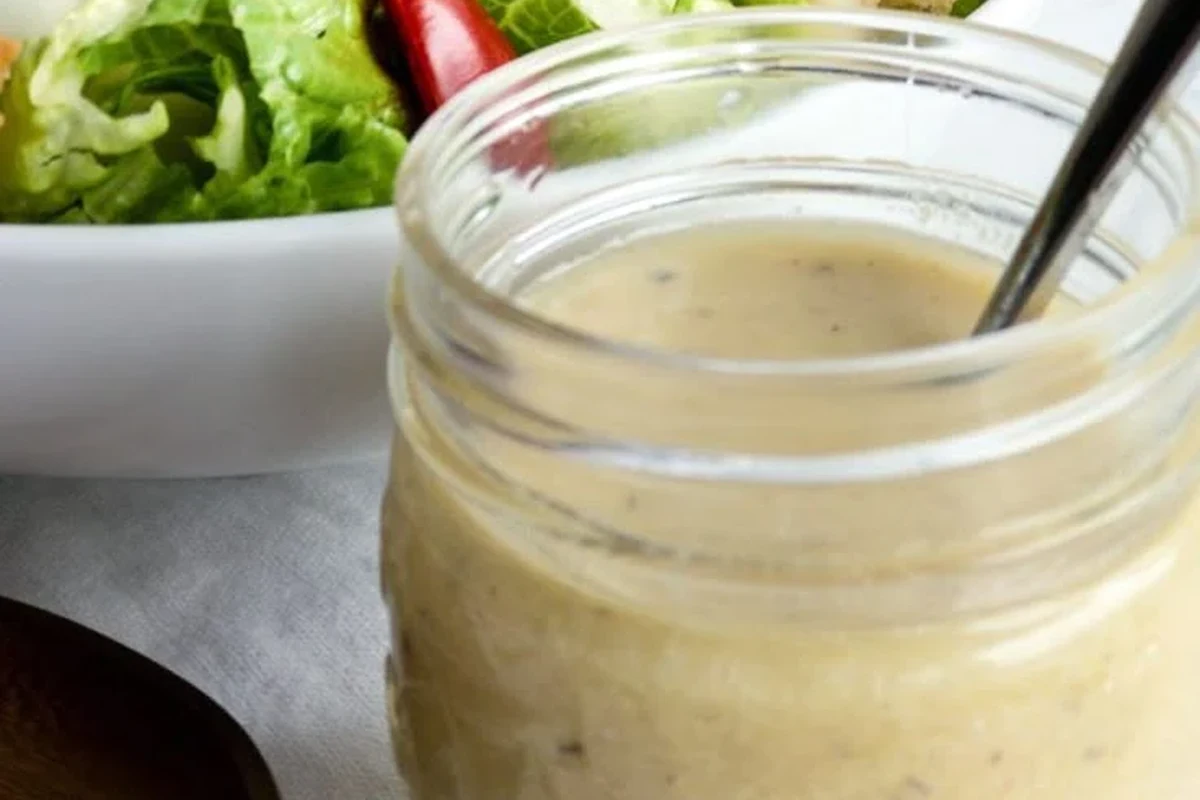
The traditional Caesar dressing relies on the lecithin found in raw egg yolks to create a stable emulsion between oil and acid. However, you can replicate this texture and flavor profile using high-quality store-bought mayonnaise or thick, strained dairy bases. By focusing on the balance of salt, acid, and savory depth, you can produce a dressing that rivals any classic version while providing peace of mind regarding raw ingredient handling.
While traditional recipes often call for coddled or raw eggs, modern home cooks frequently opt for egg-free versions to simplify preparation and prioritize food safety in diverse household settings.
What Makes a No-Egg Caesar Dressing Work?
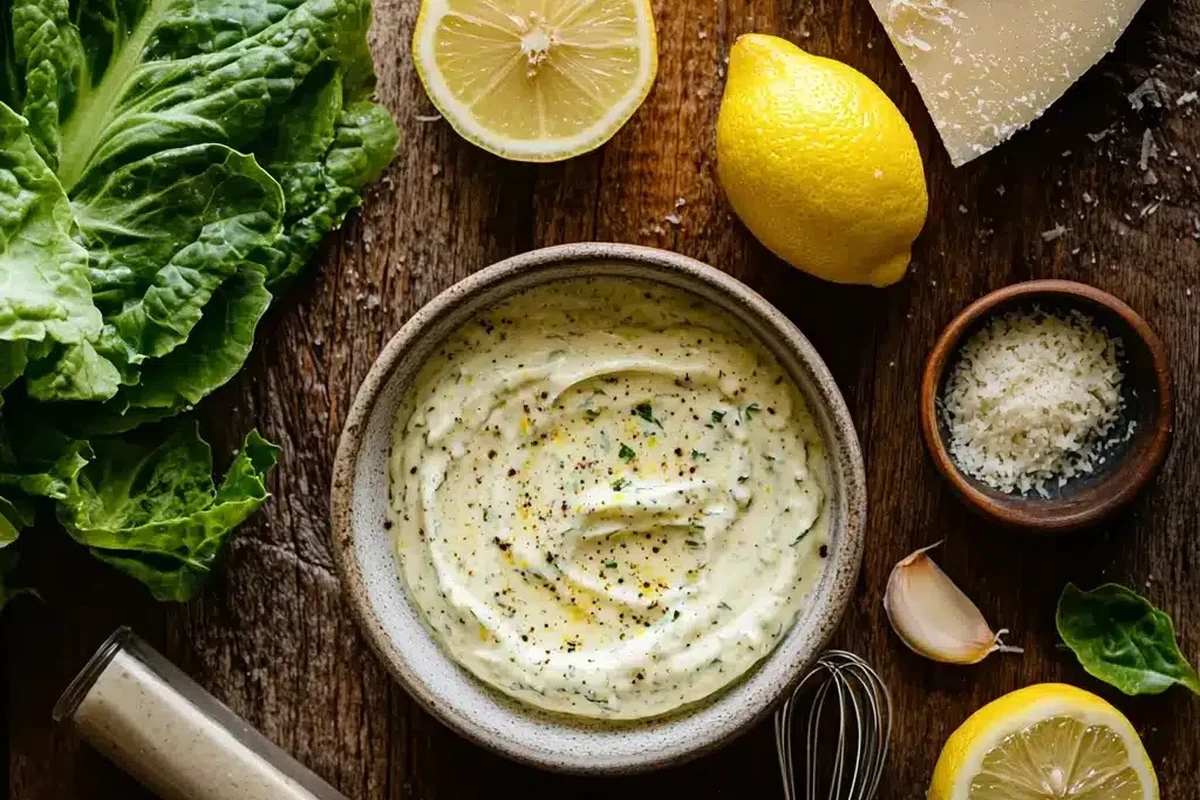
The Science of Emulsification Without Raw Eggs
Emulsification is the process of mixing two liquids that usually don’t combine, like oil and lemon juice. When you omit egg yolks, you must introduce a pre-emulsified base. Mayonnaise acts as an ideal substitute because it is already a stable emulsion of oil, egg, and acid. Alternatively, using Greek yogurt or tahini introduces different binding properties that create a thick, coating consistency without the need for manual whisking of raw protein.
Flavor Profile: Replicating the Umami Punch
The “soul” of a Caesar dressing is its savory, umami-rich depth. Traditionally, this comes from anchovies and parmesan. To maintain this without the eggs, ensure you are using high-quality, aged Parmesan or Pecorino Romano, and do not skip the Worcestershire sauce, which often contains fermented anchovies. If you are strictly vegetarian, look for vegan-certified Worcestershire sauces to maintain the flavor profile.
Essential Ingredients for Your Egg-Free Caesar Dressing
Choosing the Right Base: Mayo vs. Greek Yogurt vs. Tahini
Your choice of base determines the final texture and nutritional profile of the dressing:
- Mayonnaise: Provides the most authentic, rich, and “classic” mouthfeel.
- Greek Yogurt: Offers a lighter, tangier profile and adds a protein boost.
- Tahini: Creates a nutty, creamy, and completely plant-based alternative that pairs beautifully with the garlic.
The Anchovy Dilemma: Traditional vs. Vegetarian Substitutes
Anchovies are the hallmark of an authentic Caesar. If you are comfortable using them, oil-packed fillets provide the best flavor. If you prefer a vegetarian route, capers or a small amount of miso paste can mimic the salty, fermented bite that anchovies typically provide.
The Role of Acid and Aromatics in Flavor Balancing
Fresh lemon juice is non-negotiable for the necessary acidity that cuts through the fat. Garlic should be minced or pressed into a fine paste to ensure it distributes evenly throughout the dressing rather than leaving large, pungent chunks.
Step-by-Step Cooking Technique: How to Whisk the Perfect Emulsion
Preparation and Equipment Setup
Gather all ingredients and ensure they are at room temperature. Cold ingredients, particularly if using a yogurt base, may not emulsify as smoothly. Use a microplane to zest your lemon and grate your cheese; fine textures integrate much better into the base than coarse ones.
The Emulsification Process: Step-by-Step Instructions
Achieving the Perfect Consistency and Texture
The dressing should be thick enough to coat the back of a spoon. If it is too thick, add a teaspoon of warm water or additional lemon juice. If it is too thin, add a small amount of extra mayonnaise or yogurt.
Ingredient Substitutions and Dietary Adaptations
- Easily customizable
- Safe for those avoiding raw eggs
- Great for meal prepping
- Mayonnaise-based versions are calorie-dense
- Requires careful salt balancing
If you are making this for a crowd in 2026, prepare the dressing at least one hour before serving. This allows the garlic and anchovy flavors to “marry” and mellow into the base.
Common Mistakes to Avoid When Making Caesar Dressing
The most common issue is adding ingredients too quickly, which can lead to a “broken” or separated look. Always add oils in a slow, steady stream. Additionally, be mindful of the salt content; because Parmesan, anchovies, and Worcestershire sauce are all high in sodium, taste your dressing before adding extra salt.
While this recipe avoids raw eggs, always use pasteurized dairy or high-quality mayonnaise kept at proper refrigeration temperatures (below 40°F) to prevent bacterial growth.
Food Safety, Storage, and Shelf Life
Store your finished dressing in an airtight glass jar or container. Because it contains fresh aromatics like garlic, it is best consumed within 3 to 5 days. Never store the dressing at room temperature; always return it to the refrigerator immediately after use.
- Check expiration dates on mayonnaise or yogurt.
- Ensure your Parmesan is freshly grated for better melting.
- Verify that your Worcestershire sauce is suitable for your dietary needs.
- Confirm you have an airtight container for storage.
Why Choose Homemade Egg-Free Caesar Dressing?
Homemade dressing allows you to control the quality of the oil and the intensity of the garlic. By removing the egg, you eliminate the stress of raw handling while gaining a versatile, stable sauce that keeps well in the fridge. In 2026, home cooks are increasingly prioritizing these “from-scratch” methods that offer both convenience and a superior, preservative-free flavor profile.
The best egg-free Caesar dressing uses a high-quality mayonnaise base for that classic, velvety mouthfeel. It is an ideal project for beginners looking to improve their salad game without the technical hurdles of traditional egg-based emulsions.
Frequently Asked Questions
Yes, Greek yogurt is an excellent substitute that adds protein and a pleasant tang. It will result in a lighter dressing compared to a mayonnaise-based version.
Homemade Caesar dressing should be stored in an airtight container in the refrigerator and consumed within 3 to 5 days for the best quality and safety.
For a vegetarian option, you can use capers or a small amount of miso paste. These ingredients provide the necessary salt and umami punch that anchovies usually offer.
Separation usually happens if the oil was added too quickly. Ensure you add the oil in a slow, steady stream while whisking constantly to maintain a stable emulsion.
If you use an egg-free mayonnaise (often labeled as vegan) and check your other ingredients, this recipe can be made entirely egg-free. Always check labels on store-bought items to confirm.
Omit any added salt until the very end, as the Parmesan and anchovies are naturally salty. If it is still too salty, add a little extra base (mayo or yogurt) to dilute the flavor.
Similar Posts
10 Best Food Serving Trays 2026

ABest Food Serving Trays 2026 a specific problem: keeping food contained, making it easier to carry, or letting guests serve themselves without dragging plates all over the counter. Whether it’s a fast food…
10 Best Sandwich Trays for Automotive Use: MyBestCarDealer Buying Guide
Compare 10 sandwhich trays for automotive use, including covered, reusable, and value picks. See which options fit your vehicle needs best.
8 Best Catering Sandwich Platters for On-the-Go Automotive Needs
Compare 8 catering sandwich platters for vehicle transport, storage, and serving. See the best lidded and reusable tray options for drivers.
10 Best Sandwich Trays for Automotive Use: Practical Buyer’s Guide
Compare 10 sandwich trays for car, truck, and RV use. See the best lids, sizes, and value picks for cleaner, easier food transport.
5 Cheap Ground Beef Automotive Accessories for Smart Car Care
Compare 5 cheap ground beef picks for practical car care, storage, and trip prep with fitment tips, value guidance, and buying advice.
10 Best Corporate Lunch Catering Automotive Products for Smart Car Care
Compare 10 corporate lunch catering picks for vehicle-friendly food transport, warming, and meal prep with practical fitment and value guidance.