
Belizean Mutton Soup Recipe: Authentic Caribbean Comfort Food Guide

Belizean mutton soup is a hearty, slow-cooked dish characterized by its rich, savory broth, tender bone-in meat, and a generous medley of Caribbean “ground provisions.” As of 2026, this soup remains a cornerstone of home-style Belizean cooking, celebrated for its ability to transform simple, rustic ingredients into a deeply comforting meal.
- Meat selection: Always choose bone-in cuts like ribs or shoulder for the best flavor and texture.
- Slow cooking: Patience is key; the mutton must simmer for hours until it is fork-tender.
- Ground provisions: Root vegetables like yam and cassava are essential for thickening the broth naturally.
- Safety first: Clean meat with lime juice in a bowl to avoid cross-contamination from splashing water.
What is Traditional Belizean Mutton Soup?
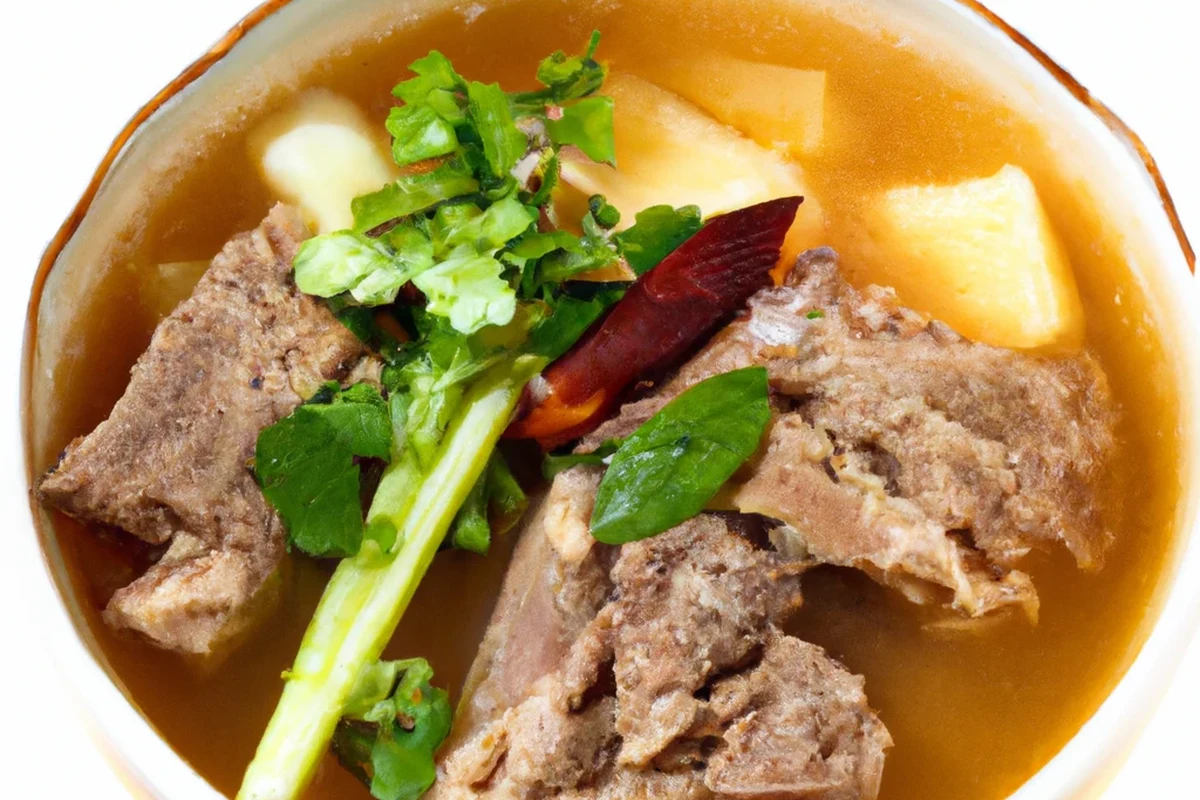
The Cultural Significance of Mutton in Belizean Cuisine
In Belize, mutton—often referring to goat or sheep—is prized for its distinct, robust flavor. Historically, it has been a centerpiece for family gatherings and weekend gatherings. The tradition of slow-cooking mutton in a soup allows the tough, flavorful connective tissues to break down, resulting in a broth that is both nourishing and deeply fragrant. It reflects the ingenuity of Belizean kitchens, where patience is the primary ingredient for success.
Defining the Flavor Profile: Why Mutton Soup Stands Out
Unlike lighter poultry soups, mutton soup offers an earthy intensity. The gamey notes of the meat are balanced by the sweet starch of yams, cassava, and plantains. Aromatics like culantro (often called “recaito” or “shadow beni”), habanero peppers, and thyme create a layered flavor profile that is uniquely Belizean. It is a savory, heavy-bodied dish that is meant to be eaten as a main course.
Key Ingredients for an Authentic Belizean Mutton Soup
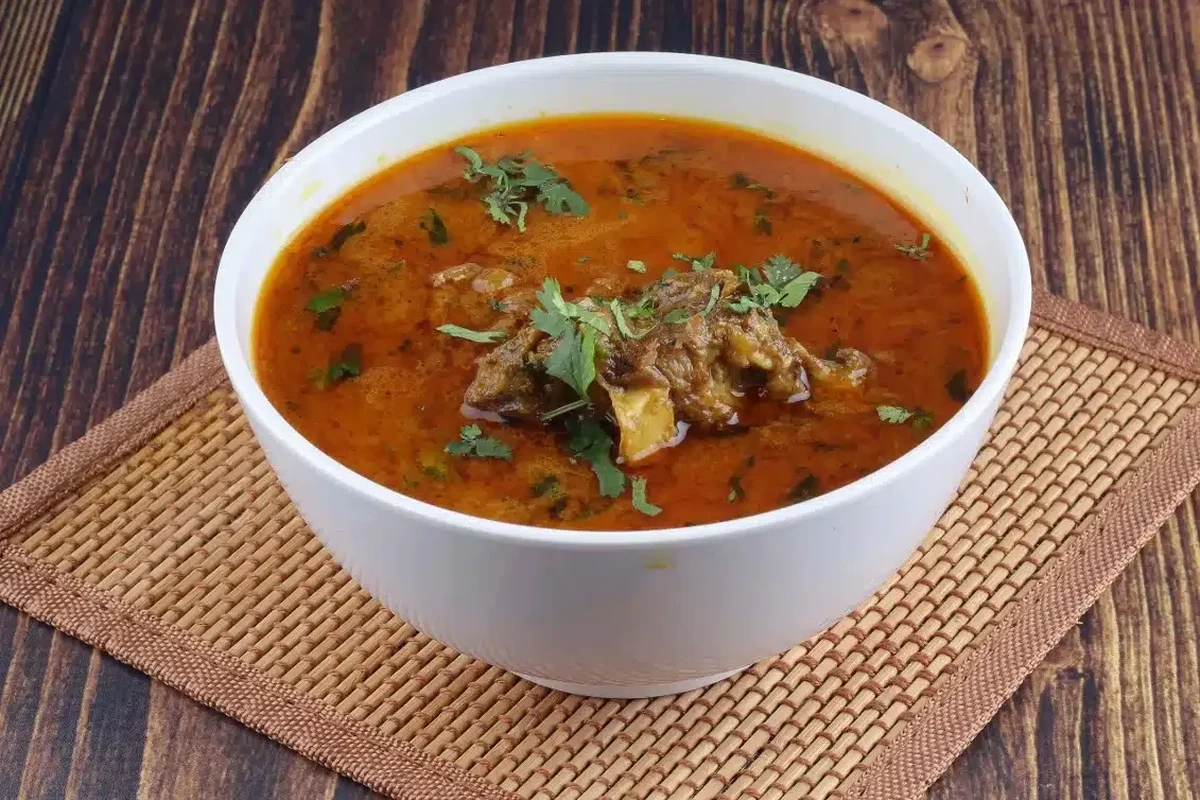
Selecting the Best Cuts of Mutton
For the best results, always prioritize bone-in cuts. The marrow and collagen in the bones are essential for achieving the signature silky mouthfeel of a proper mutton soup. Ribs, shoulder, or neck pieces are excellent choices because they offer a balance of lean meat and fat, which is necessary for flavor development during the long simmer. Belizean Mutton Soup
Essential Aromatics and Belizean Seasoning Blends
Authenticity relies on the “trinity” of Belizean seasoning: fresh garlic, onions, and local herbs. Culantro is arguably the most important green herb for this dish, as it provides a pungent, cilantro-like flavor that can stand up to the strong taste of the meat. A whole, unpierced habanero pepper is often added for a subtle, floral aroma without overwhelming the soup with heat.
The Role of Root Vegetables and Ground Provisions
The “ground provisions”—a term covering various starchy roots and tubers—are not mere accompaniments; they are integral to the soup’s texture. Cassava, yam, sweet potato, and green plantain provide natural thickening agents as they break down slightly during the boiling process.
How to Prepare Authentic Belizean Mutton Soup: A Step-by-Step Guide
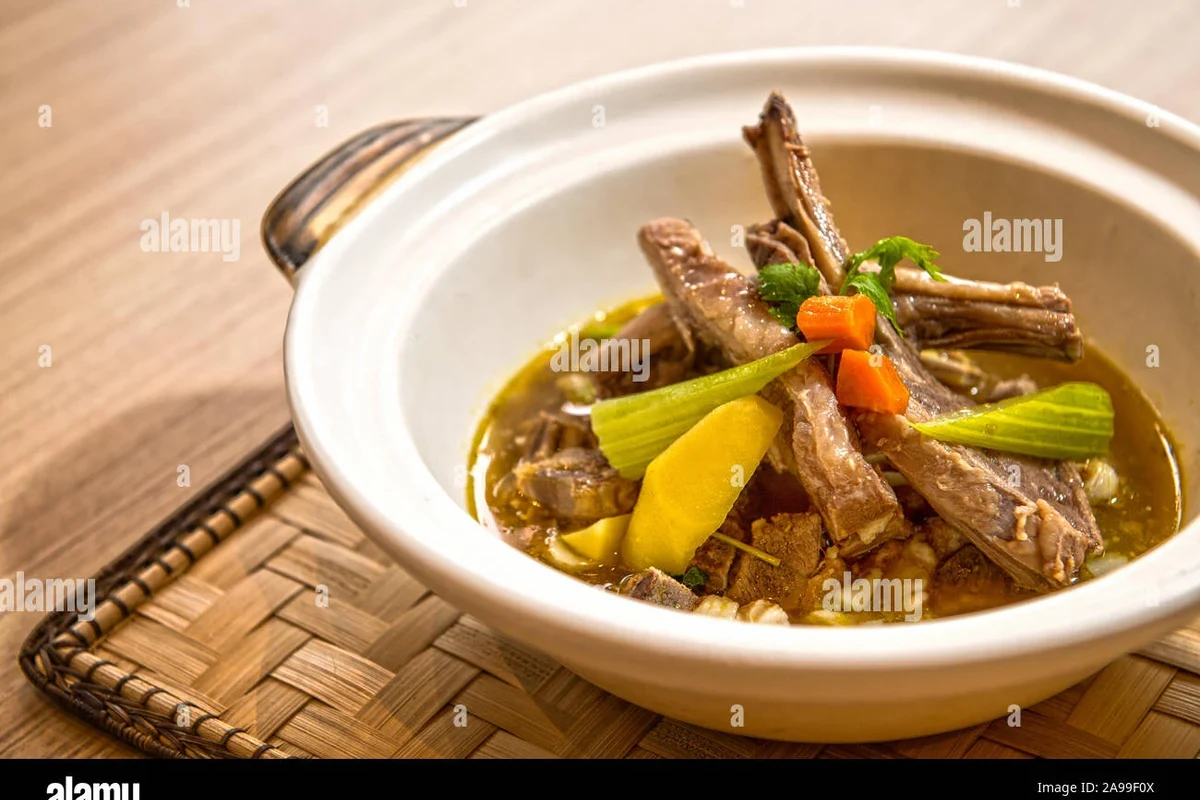
Step 1: Proper Meat Preparation and Cleaning Techniques
Proper cleaning is non-negotiable. Traditional practice involves washing the mutton in a bowl of water with lime juice or vinegar to remove any surface impurities. This step is essential for reducing the “gaminess” before the meat hits the pot.
Step 2: Building the Flavor Base: Searing and Aromatics
Start by searing the mutton in a heavy-bottomed pot or Dutch oven. Once browned, remove the meat and sauté your aromatics (onions, garlic, and peppers) in the rendered fat. This builds a deep, caramelized foundation that will permeate the entire soup.
Step 3: The Slow-Simmer Process for Tender Meat
Return the meat to the pot and cover with water or stock. Bring to a gentle boil, then reduce the heat to a low simmer. This process can take two to three hours depending on the age and cut of the meat. The goal is to reach a point where the meat is tender enough to pull away from the bone with minimal effort. Belizean Mutton Soup
Step 4: Incorporating Ground Provisions and Dumplings
Add the hardest root vegetables first (like yams and cassava) about 45 minutes before the soup is done. Softer items like plantains and your hand-rolled flour dumplings (spinners) should be added in the final 15 to 20 minutes to prevent them from disintegrating into the broth.
Mastering the Technique: Pro-Tips for the Perfect Consistency
Achieving the Ideal Broth Thickness
The starch released from the ground provisions acts as a natural thickener. If your soup remains too thin, you can mash a few pieces of boiled yam or potato directly into the pot. This creates a velvety, opaque broth that clings to the ingredients.
The Importance of Skimming the Fat
Mutton can be quite fatty. Throughout the simmering process, use a ladle to skim the excess oil from the surface. This ensures the final flavor is clean and prevents the soup from feeling overly greasy on the palate. slow cooking techniques for tender meat
Perfecting Your Flour Dumplings (Spinners)
Spinners are simply a mixture of flour, a pinch of salt, and a little water, rolled into long, thin shapes. Overworking the dough will make them tough; keep them light and pillowy by mixing just until the dough comes together. They are cooked correctly when they float to the top of the pot.
Ingredient Substitutions and Dietary Adaptations
What to Use if Mutton is Unavailable
If mutton is unavailable, lamb is the closest substitute. While it is generally younger and milder than mutton, it provides a similar texture. For a non-red meat alternative, you can use goat, though you must adjust for the potential difference in cook time.
Adjusting for Dietary Preferences and Allergies
For those avoiding gluten, you can substitute flour dumplings with corn-based alternatives or simply increase the volume of root vegetables to keep the soup hearty. Always check your spice blends for hidden allergens like wheat or soy if using pre-packaged seasonings.
Common Mistakes and Troubleshooting Your Soup
Preventing Tough or Chewy Meat
Tough meat is usually the result of boiling too quickly or under-simmering. If the meat is still chewy, you simply need more time and liquid. Adding acid—like a splash of vinegar—early on can also help tenderize the fibers.
Fixing Over-Salted or Bland Broths
If the soup is too salty, add a few large chunks of peeled raw potato; they will absorb excess salt as they cook. If the soup is bland, focus on your aromatics. Freshly crushed garlic or an extra sprig of thyme can often revive a flat-tasting broth.
Safe Handling, Storage, and Reheating
Food Safety Standards for Handling Raw Mutton
Keep raw mutton refrigerated at 40°F (4°C) or below until you are ready to cook. Avoid rinsing raw meat in the sink to prevent splashing bacteria onto your countertops; instead, use the bowl-and-lime-juice method mentioned earlier.
Proper Refrigeration and Freezing Best Practices
Leftover soup should be cooled rapidly and placed in the refrigerator within two hours of cooking. It can be safely stored for up to three to four days. For freezing, store in airtight containers and consume within two to three months for the best quality.
How to Reheat Without Ruining the Texture
Reheat on the stovetop over low heat. Avoid high heat, which can cause the dumplings to turn mushy and the vegetables to fall apart. If the soup has thickened too much in the fridge, add a small splash of water to loosen the consistency.
Final Thoughts: Why Mutton Soup is a Belizean Kitchen Staple
Mutton soup is more than just a recipe; it is a testament to the slow-food traditions that define Belizean culinary culture. By focusing on quality meat, fresh aromatics, and the patient application of heat, any home cook can create a dish that is deeply satisfying. Whether you are a beginner or a seasoned pro, mastering this soup offers a rewarding connection to the heart of Caribbean comfort food.
Frequently Asked Questions
Yes, lamb is an excellent substitute. It is generally milder and younger, but it works well with the same cooking techniques.
The meat is ready when it is fork-tender and pulls away from the bone easily. This usually takes two to three hours of simmering.
Ground provisions refer to starchy root vegetables like cassava, yam, sweet potato, and green plantain. They are essential for thickening the broth.
Leftover soup can be stored in the refrigerator for up to three to four days. Ensure it is cooled and placed in an airtight container.
Overworking the dough is the most common cause of tough dumplings. Mix the ingredients just until combined and handle them gently.
Avoid rinsing meat under a running faucet to prevent bacteria spread. Use a bowl of water with lime juice to clean the meat safely.


