Belizean Beef and Bean Soup Recipe | Authentic Caribbean Comfort Food

Belizean beef and bean soup is a cornerstone of Caribbean comfort, blending tender, slow-cooked protein with earthy legumes and aromatic spices. This hearty, one-pot dish captures the essence of Belizean home cooking, offering a nourishing meal that balances deep, savory flavors with the creamy texture of perfectly simmered beans.
- Cut Selection: Use beef cuts rich in connective tissue like chuck or brisket for maximum tenderness.
- Flavor Base: Searing the meat and using authentic recado are essential for a deep, traditional flavor.
- Bean Texture: Mash a portion of the beans to naturally thicken the broth without extra additives.
- Safety First: Cool leftovers rapidly in shallow containers and always reheat to an internal temperature of.
What is Belizean Beef and Bean Soup? A Hearty Caribbean Classic
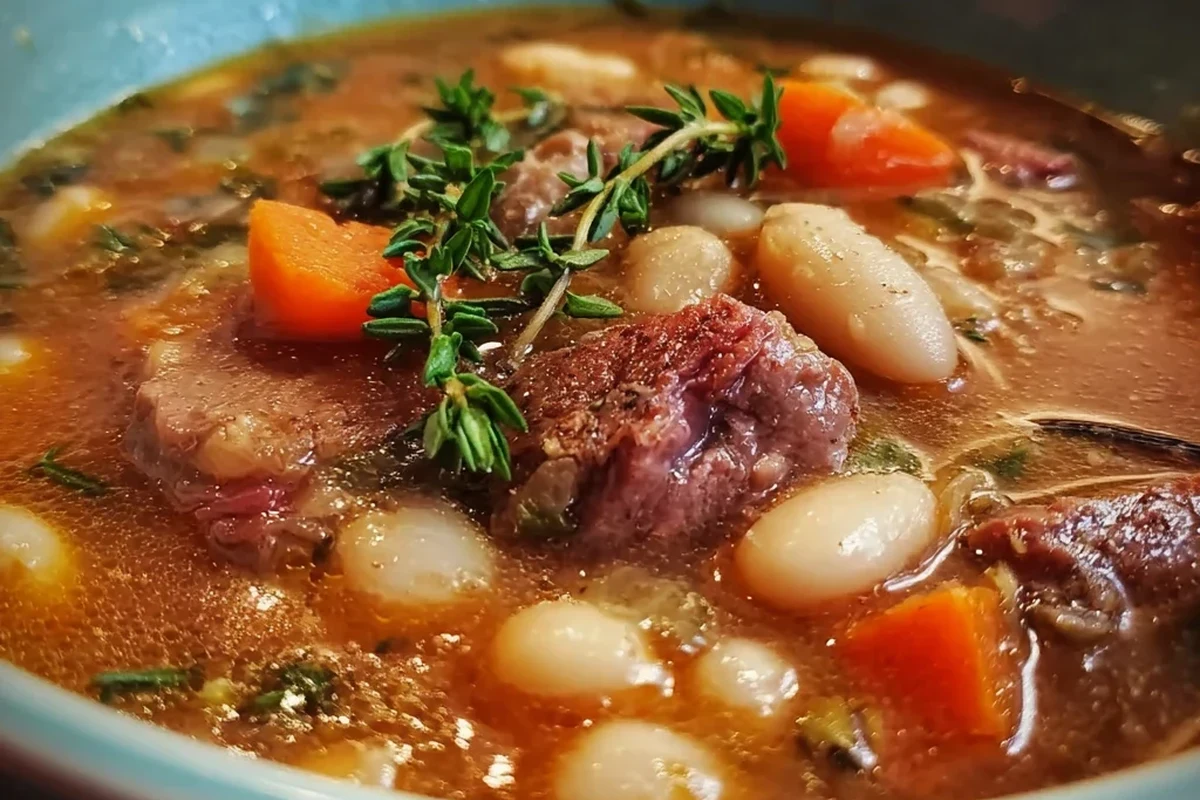
At its core, this soup is a testament to the resourcefulness and flavor-forward nature of Belizean cuisine. It typically features chunks of beef, often tougher cuts that break down into buttery tenderness over low heat, combined with red or black beans. The broth is usually thickened by the starches released from the beans and enhanced with local aromatics, creating a rich, satisfying consistency that warms the soul.
The Cultural Significance of Beef and Beans in Belizean Cuisine
In Belize, beef and beans are more than just ingredients; they are a cultural staple. Historically, beans have been a primary source of protein for families, and when paired with beef—a luxury often reserved for special occasions or Sunday dinners—they create a dish that honors tradition. It is a meal frequently shared among family and friends, reflecting the communal spirit of Belizean dining.
Who This Recipe is For: Bringing the Tropics to Your Kitchen
This recipe is perfect for the home cook looking to explore authentic Caribbean flavors without needing a professional kitchen. Whether you are a busy parent seeking a meal-prep friendly dinner or a curious cook wanting to master slow-cooked stews, this soup provides a forgiving and rewarding experience. It is designed to be accessible, using common pantry staples alongside a few key aromatics that define the Belizean palate. Belizean Beef and Bean Soup
Essential Ingredients for an Authentic Belizean Flavor Profile
Selecting the Right Cut of Beef for Slow Cooking
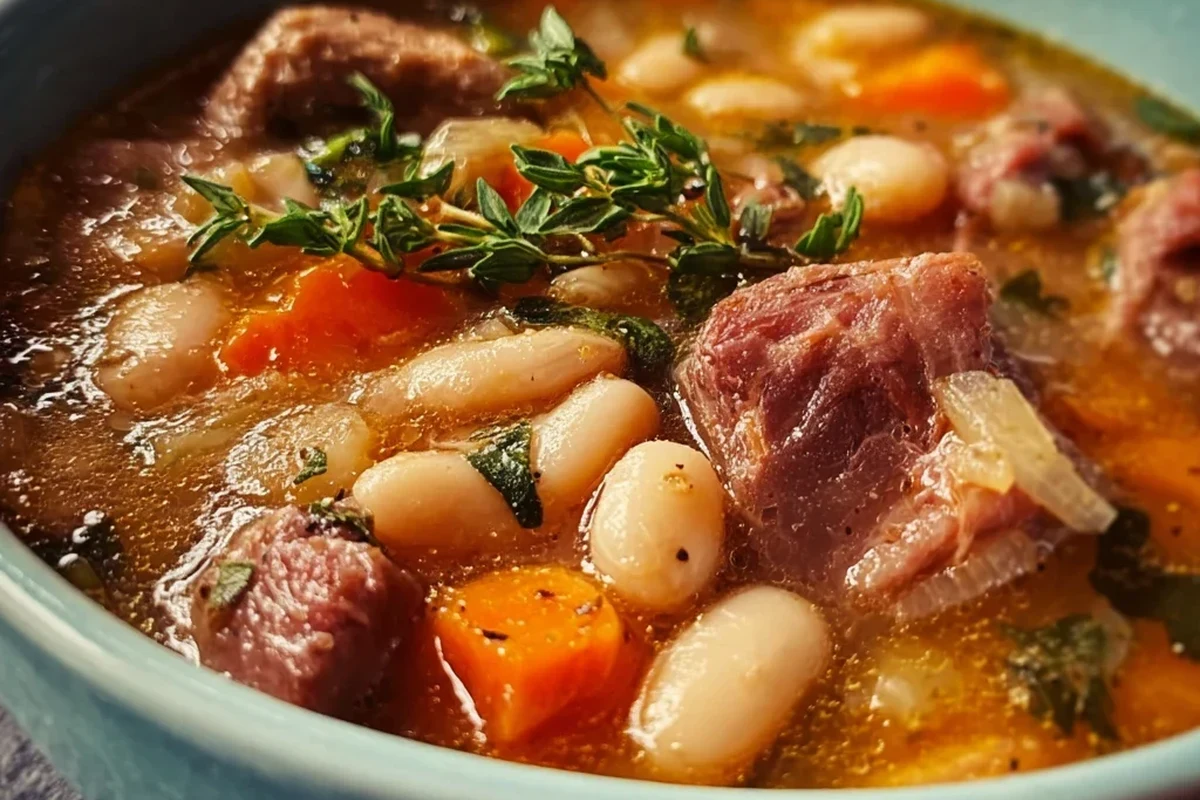
For the best results, choose cuts rich in connective tissue, such as chuck roast, brisket, or beef shank. As these cuts simmer, the collagen breaks down, adding a silky mouthfeel to the soup that leaner cuts simply cannot achieve. In 2026, many local butchers are happy to provide “stewing beef” pre-cut, which saves significant prep time. Belizean Beef and Bean Soup
The Role of Beans: Red Kidney vs. Black Beans
Both red kidney beans and black beans are traditional choices. Red kidney beans offer a slightly sweeter, earthier profile that holds its shape well, while black beans provide a deeper, creamier consistency that can tint the broth a dark, rich color. Choose based on your preference, but ensure they are properly soaked or cooked until tender before adding them to the beef base.
Aromatic Foundations: Recado, Cilantro, and Coconut Milk
The “soul” of the soup comes from its seasonings. Recado (a spice paste made from annatto, garlic, and vinegar) provides the signature color and earthy depth. Fresh cilantro adds a bright, herbaceous finish, and a splash of coconut milk is often used to round out the acidity, adding a subtle tropical creaminess that ties the earthiness of the beans to the richness of the beef.
Mastering the Technique: Step-by-Step Cooking Guide
The Searing Process: Building Deep Umami Foundations
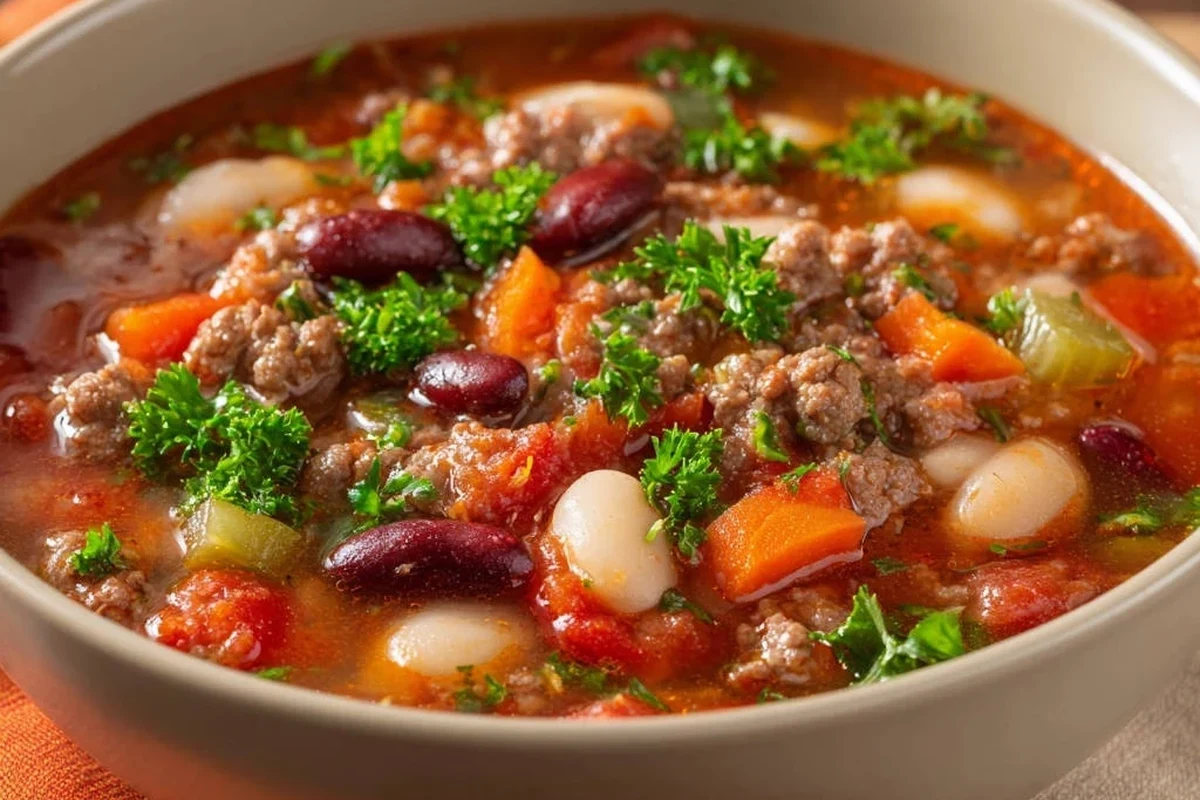
Never skip the sear. By browning the beef in small batches, you create a layer of flavor on the bottom of the pot that will dissolve into the liquid as the soup cooks. This is the difference between a thin, watery broth and one that tastes like it has been simmering for days.
Achieving the Perfect Texture: Balancing Tender Meat and Creamy Beans
The goal is a harmony where the meat is tender enough to pull apart with a fork, but the beans remain intact yet soft. If you are using dried beans, cook them separately until nearly done before adding them to the beef, as the beef often requires a longer, more aggressive simmer to break down its fibers.
The Art of Thickening: Traditional Methods vs. Modern Shortcuts
Traditionally, a portion of the beans is mashed against the side of the pot to naturally thicken the broth. If you find your soup is still too thin, you can reserve a half-cup of beans, blend them into a puree, and stir them back into the pot for a velvety finish without adding flour or cornstarch.
Buying Guide: Sourcing Quality Ingredients for 2026
When shopping in 2026, look for dry beans in bulk bins to ensure freshness, as old beans can take significantly longer to soften. For beef, prioritize local sources if available; the freshness of the meat significantly impacts the depth of the flavor profile.
- Verify that your beef is labeled for stewing or slow-cooking to avoid tough results.
- Check dried beans for debris or discolored grains before soaking.
- Always have fresh cilantro on hand; dried herbs lack the necessary brightness for this dish.
Common Mistakes and How to Avoid Them
- Salt the soup only toward the end to prevent the beans from toughening.
- Use a heavy-bottomed pot to distribute heat evenly.
- Boiling the soup vigorously; keep it at a gentle, rolling simmer.
- Overcrowding the pan during the searing stage.
The Pitfalls of Improper Bean Soaking
Skipping the overnight soak can lead to unevenly cooked beans. If you are short on time, use the “quick soak” method: boil the beans for two minutes, cover, and let them sit for one hour before starting the main cooking process.
Food Safety, Storage, and Reheating Best Practices
Safe Handling of Raw Beef and Legumes
Always wash your hands thoroughly after handling raw beef and keep raw meat separate from your vegetables and beans to prevent cross-contamination. Use dedicated cutting boards for meat preparation.
Proper Cooling and Refrigeration: Ensuring Longevity
Allow the soup to cool to room temperature within two hours of finishing. Store in airtight containers in the refrigerator for up to three to four days. If you’ve made a large batch, freezing is an excellent option; the soup will maintain its quality for up to three months in the freezer.
Value and Versatility: Why This Soup Remains a Belizean Staple
This dish is incredibly budget-friendly, as beans and root vegetables are low-cost staples. It is also highly versatile—add coconut milk for a richer flavor, or toss in extra peppers for a spicy kick. Whether you are looking for a simple weeknight dinner or a dish to feed a crowd, beef and bean soup delivers every time.
Frequently Asked Questions
Yes, you can use canned beans to save time. Simply rinse them well and add them to the soup during the last 20 minutes of simmering to prevent them from becoming mushy.
Chuck roast, brisket, or beef shank are best. These cuts contain collagen that melts during slow cooking, creating a tender, flavorful base.
The beef is done when it is fork-tender and pulls apart easily with minimal pressure. If it still feels tough or resistive, continue simmering.
You can safely store the soup in an airtight container in the refrigerator for 3 to 4 days. Always reheat until steaming hot throughout.
Yes, this soup freezes very well. Once cooled, store it in freezer-safe bags or containers for up to three months.
You can make a simple substitute by mixing paprika, garlic powder, onion powder, and a dash of vinegar. While not identical to traditional recado, it provides a similar earthy base.