Meal Prep Ideas with Chicken Breast

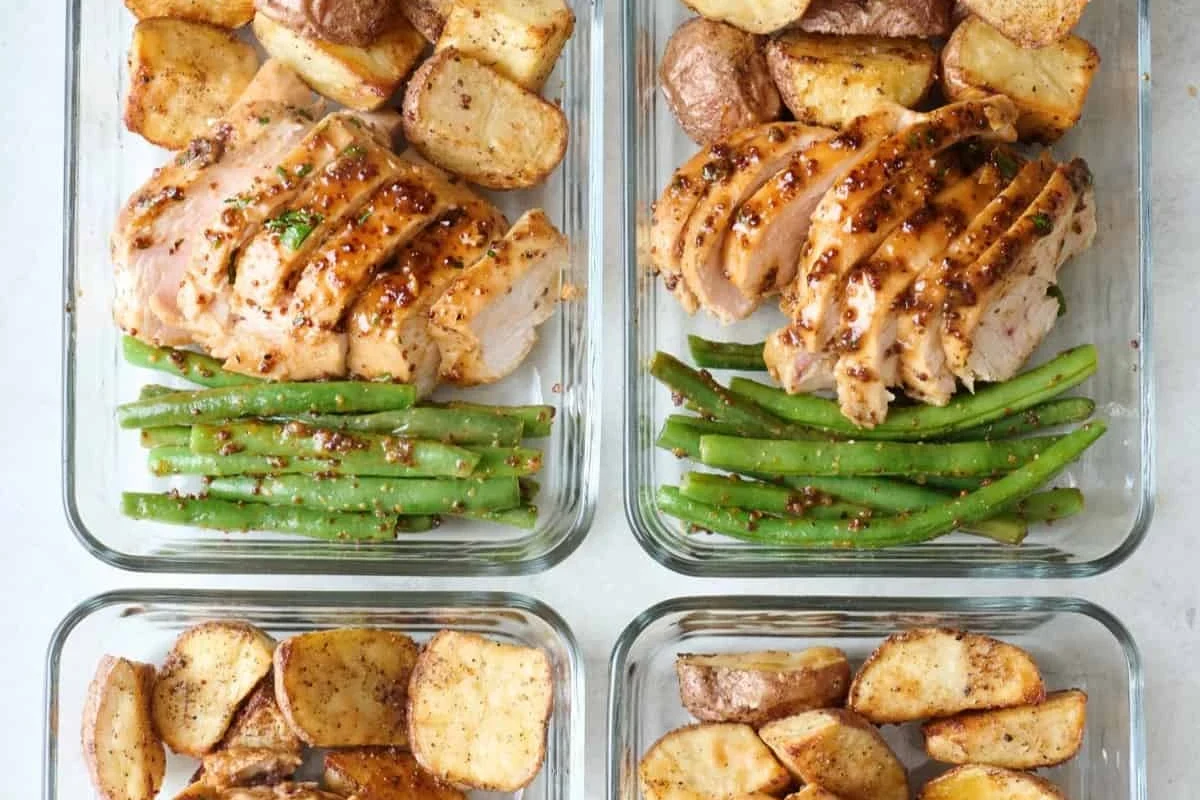
Meal prepping chicken breast involves batch-cooking lean protein with versatile seasonings to ensure healthy, ready-to-eat meals throughout the week. Focus on proper internal temperatures and airtight storage to maintain moisture and flavor for up to four days.
Meal prepping with chicken breast is the most effective way to ensure healthy, protein-rich meals are ready for your busy 2026 schedule without sacrificing flavor or quality. This guide provides the foundational techniques, safety standards, and versatile recipes you need to master efficient weekly meal preparation.
- Temperature Control: Always cook chicken to an internal temperature of 165°F.
- Moisture Retention: Allow chicken to rest before slicing and add liquid when reheating.
- Strategic Prep: Use versatile flavor profiles to prevent palate fatigue.
- Safety First: Store cooked chicken in airtight containers and refrigerate within two hours.
Meal Prep Ideas with Chicken Breast: The Ultimate Guide for Busy Home Cooks
Why Chicken Breast is the Gold Standard for Meal Prep
Nutritional Profile and Versatility
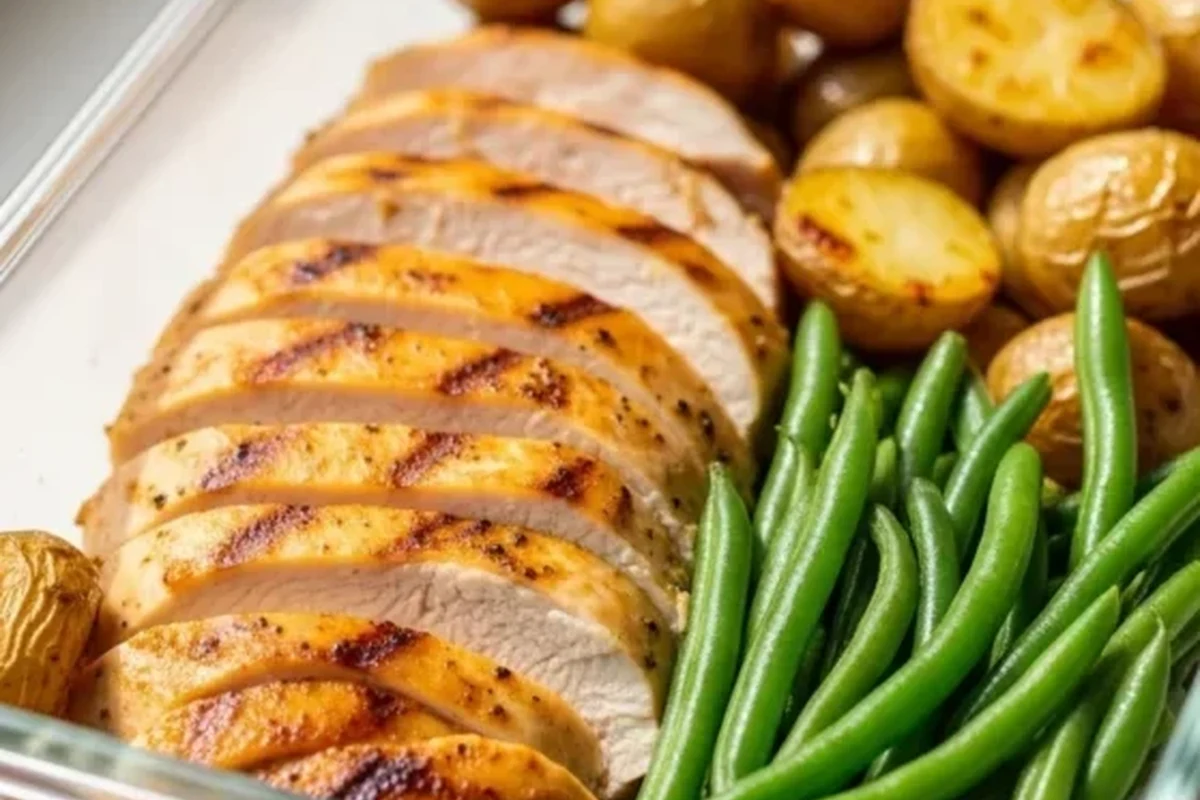
Chicken breast remains a staple in kitchens worldwide due to its lean protein content and neutral flavor profile. It acts as a blank canvas, readily absorbing marinades, spices, and cooking fats. From a macro-nutrient perspective, it provides high-quality protein with minimal fat, making it a reliable base for balanced meal planning.
Who Benefits Most from Chicken-Based Meal Prep?
Whether you are a student, a working professional, or a parent managing a household, batch-cooking chicken saves valuable time during the work week. It eliminates the “what’s for dinner” fatigue and helps maintain consistent dietary habits when life gets hectic.
When planning your weekly prep, aim for two different flavor profiles—such as a citrus-based marinade and a savory herb rub—to keep your palate interested throughout the week.
Essential Ingredients and Flavor Profiles for Belizean-Inspired Prep
The Foundation: Quality Chicken Selection and Buying Guide
The quality of your prep starts at the market. Look for breasts that are plump, pink, and free of discoloration. If you are preparing large quantities, purchasing family packs can be more budget-friendly. Always ensure the packaging is airtight and check the “sell-by” date to ensure maximum freshness.
The Flavor Palette: Essential Herbs, Spices, and Marinades
To capture the essence of Belizean cooking, incorporate ingredients like habanero (for heat), cilantro, lime juice, and allspice. These bold flavors stand up well to refrigeration and reheating, ensuring your meals taste as good on Thursday as they did on Monday.
Substitution Guide: Swapping Proteins and Vegetables
If you have dietary restrictions or simply want variety, you can easily swap chicken breast for chicken thighs using similar seasoning profiles, though adjust your cooking times accordingly. For vegetables, root vegetables like carrots and sweet potatoes hold up better in the fridge than delicate greens, which are best added fresh at the time of serving.
Core Cooking Techniques for Perfectly Juicy Chicken Breast
The Art of the Pan-Sear and Deglazing
Pan-searing creates a flavorful crust that traps moisture inside the meat. Using a gas range with a griddle can provide even heat distribution, allowing you to cook multiple breasts simultaneously while maintaining a consistent temperature.
Oven-Roasting vs. Poaching: When to Use Which
Oven-roasting is ideal for flavor development, especially when using aromatic herbs or spice rubs. Poaching, on the other hand, is the best method for creating tender, shredded chicken that is destined for Belizean chicken tacos or cold salads.
Avoiding Common Mistakes: How to Prevent Dry, Rubbery Chicken
- Use a meat thermometer to pull chicken at 165°F.
- Let the chicken rest for 5–10 minutes before slicing.
- Overcooking by guessing the time.
- Slicing the meat immediately, which allows juices to escape.
Three High-Efficiency Chicken Breast Meal Prep Recipes
Recipe 1: Belizean-Style Citrus Herb Grilled Chicken Bowls
Marinate chicken breasts in a blend of lime, orange juice, garlic, and fresh thyme. Grill until just cooked through. Serve over a base of coconut rice and black beans for a balanced, tropical-inspired meal.
Recipe 2: Shredded Chicken Breast for Tacos and Salads
Poach chicken breasts in a flavorful stock with onion, garlic, and a hint of cumin. Once cooked, shred the meat while it is still warm to better absorb seasonings. This versatile protein is perfect for a quick Belizean BBQ chicken style wrap or a refreshing salad.
Recipe 3: Sheet-Pan Chicken and Roasted Tropical Vegetables
Toss sliced chicken breast, plantains, bell peppers, and onions in a light oil and seasoning blend. Roast on a single sheet pan at 400°F until the vegetables are tender and the chicken is fully cooked. This is the ultimate “set it and forget it” meal.
Food Safety, Handling, and Storage Standards
Always ensure chicken reaches an internal temperature of 165°F (74°C) as recommended by food safety authorities. Use an instant-read thermometer to verify, as color is not a reliable indicator of doneness.
Cooling and Packaging: The Science of Preventing Bacteria Growth
Do not leave cooked chicken at room temperature for more than two hours. Divide your meal-prepped portions into airtight containers while they are still slightly warm to avoid excessive condensation, then refrigerate immediately.
Shelf Life and Reheating Strategies for Maximum Freshness
Cooked chicken is best consumed within 3 to 4 days when stored in the refrigerator. When reheating, add a small splash of water or broth to the container to prevent the meat from drying out in the microwave.
Troubleshooting Common Meal Prep Challenges
Dealing with Reheating Fatigue
If you find yourself bored with your meals, keep a variety of sauces on hand. A simple chimichurri or a quick yogurt-based dip can completely change the profile of your prepped chicken.
Texture Issues: Why Your Chicken Gets Tough in the Fridge
Toughness is often the result of slight overcooking during the initial prep. By pulling the chicken off the heat at exactly 165°F, you leave a small margin of safety for the reheating process.
Final Recommendations for Sustainable Meal Prepping
Successful meal prep is a practice of consistency rather than perfection. Start by prepping just two or three days of meals at a time to gauge your family’s preferences. By focusing on proper storage techniques and mastering a few core cooking methods, you can enjoy high-quality, delicious chicken dishes throughout the week without the stress of daily cooking.
Common Questions
Avoid overcooking by using a thermometer and let the meat rest for at least 5 minutes before portioning.
Root vegetables, broccoli, and bell peppers hold up well in the fridge without becoming overly soggy.
Most cooked chicken is best consumed within 3 to 4 days; for longer periods, consider freezing half your batch.
Yes, you can divide your sheet pan or marinade containers to create multiple flavor profiles in one cooking session.
Poaching or light oven-roasting provides the most neutral base for various sauces and recipes later in the week.
Frequently Asked Questions
Cooked chicken breast remains safe and high-quality for 3 to 4 days when stored in an airtight container in the refrigerator.
Add a tablespoon of water or broth to your container before reheating to create steam, which keeps the meat moist.
It is generally better to store chicken breasts whole and slice them right before serving to maintain maximum moisture.
Yes, cooked chicken freezes well for up to three months. Ensure it is tightly wrapped or in a freezer-safe container to prevent freezer burn.
Always use a digital meat thermometer to ensure the thickest part of the breast reaches an internal temperature of 165°F.
Yes, but they must be fully thawed in the refrigerator before cooking to ensure even heat distribution and food safety.