
Light Caesar Salad Dressing

Light Caesar salad dressing offers the same punchy, savory profile as the traditional version but swaps heavy fats for lighter alternatives like Greek yogurt. It is a versatile, nutrient-conscious staple that brings restaurant-quality flavor to your home-prepared salads in 2026.
- Base Selection: Use Greek yogurt for a protein-rich, tangy profile or low-fat mayo for a classic.
- Flavor Anchors: Always use fresh garlic and anchovies for the authentic, savory Caesar bite.
- Emulsification: Whisk ingredients slowly or use an immersion blender to ensure a smooth, stable consistency.
- Food Safety: Store your dressing in the refrigerator and consume within 5 days to ensure maximum.
What is Light Caesar Salad Dressing and Why It’s a Kitchen Essential
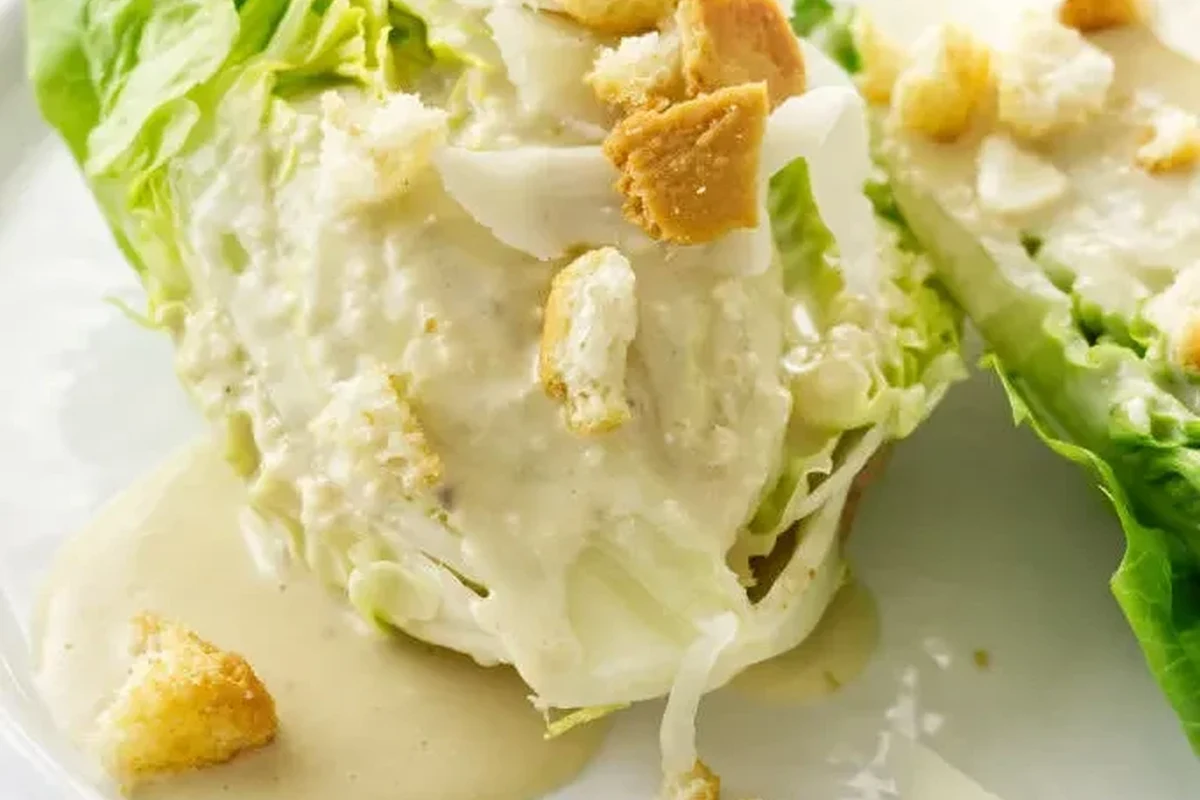
Light Caesar dressing is a modified version of the classic emulsion, typically replacing a portion or all of the egg yolk and oil base with lower-fat ingredients such as Greek yogurt, silken tofu, or buttermilk. While the traditional recipe relies on a rich, heavy base to coat romaine lettuce leaves, the lighter iteration focuses on achieving a creamy, tangy consistency without the density of high-calorie oils.
The Nutritional Edge: Why Choose a Lightened-Up Dressing?
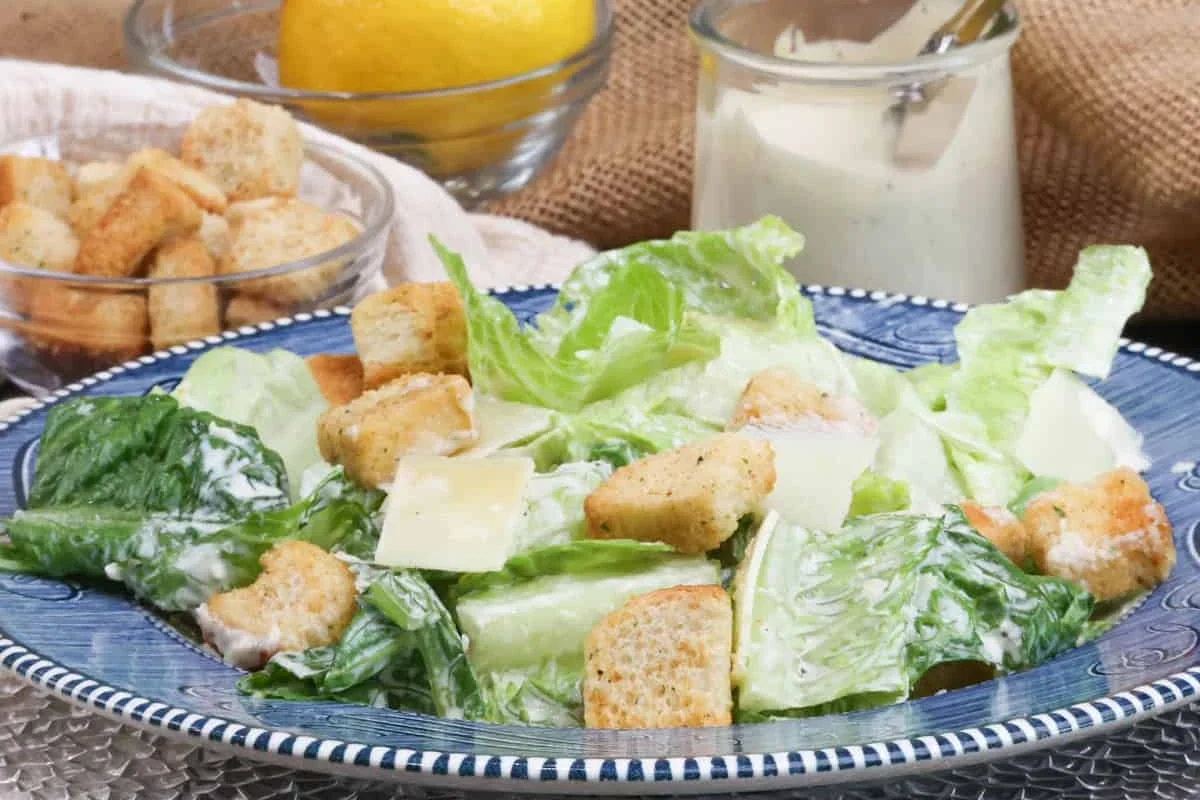
Who Benefits Most from This Version?
This dressing is ideal for home cooks looking to manage caloric intake while maintaining the rich, umami-forward experience of a Caesar salad. It is particularly useful for those who meal-prep for the week, as the lighter base often holds up well in the refrigerator, allowing for consistent, portion-controlled lunches. Light Caesar Salad Dressing
Comparing Traditional vs. Light Caesar Profiles
Traditional dressings are oil-heavy, resulting in a glossy, thick, and highly caloric coating. The light version, however, leans into acidity and protein-rich bases. You may notice a sharper tang from the yogurt or a slightly thinner consistency, which allows the dressing to coat the leaves more evenly rather than pooling at the bottom of the bowl.
Core Ingredients for a Perfect Light Caesar Dressing
The Foundation: Greek Yogurt vs. Low-Fat Mayonnaise
Choosing your base is the most significant decision in the process. Greek yogurt provides a massive boost in protein and a pleasant, velvety tartness. Low-fat mayonnaise, conversely, preserves the traditional mouthfeel more closely but with fewer calories than full-fat versions. Many cooks opt for a 50/50 split to balance structure and nutrition.
Flavor Anchors: Anchovies, Garlic, and Dijon Mustard
The “Caesar” identity comes from the anchors. Anchovies are non-negotiable for that authentic, salty depth. If you prefer to avoid whole fillets, anchovy paste is a reliable, shelf-stable alternative. Fresh garlic is essential; avoid garlic powder, as the raw, pungent bite of fresh cloves is what cuts through the dairy base.
Balancing Acidity: Lemon Juice and Vinegar Selection
Fresh lemon juice is the hallmark of a vibrant dressing. As of 2026, many home cooks are also experimenting with high-quality white balsamic or apple cider vinegar to add complexity. The goal is to brighten the heavy notes of the parmesan and garlic without overpowering the palate.
Step-by-Step: How to Craft the Ultimate Light Caesar at Home
Essential Preparation Techniques for Emulsification
To create a stable dressing, start by whisking your mustard, garlic, and anchovies into your base. If using an oil-based component, drizzle it in slowly while whisking vigorously. If using a yogurt-based approach, the emulsification is naturally more stable, but a quick pulse with an immersion blender will ensure the garlic and cheese are fully incorporated into a smooth, uniform sauce.
Common Mistakes That Ruin the Texture
The most frequent error is over-processing, which can cause the mixture to become too thin or lose its “body.” Another common pitfall is using cold ingredients; allow your yogurt or mayonnaise to reach room temperature before mixing to ensure a smoother, more cohesive result.
Ingredient Substitutions and Customization Guide
Dairy-Free and Vegan Adaptations
You can easily make this dressing plant-based by using a cashew-based cream or silken tofu in place of yogurt. Substitute the parmesan with a nutritional yeast blend and use capers instead of anchovies to maintain that signature briny, salty punch. Light Caesar Salad Dressing
Adding a Belizean Twist: Tropical Infusions for Your Salad
For a refreshing update, try adding a tiny splash of lime juice or a hint of finely grated ginger. These subtle adjustments bridge the gap between the classic Caesar and the bright, tropical flavors often found in Caribbean-inspired sides.
Safe Handling, Storage, and Shelf Life
Preventing Spoilage in Dairy-Based Dressings
Because dairy-based dressings are perishable, never leave them out on the counter for more than two hours. If you are serving the salad at an outdoor gathering, keep the dressing bowl nestled in a larger bowl of ice to maintain a safe temperature.
Troubleshooting Your Dressing: Texture and Flavor Fixes
Fixing a Broken or Too-Thin Emulsion
If your dressing appears “broken” or oily, add a teaspoon of fresh yogurt or mustard and whisk vigorously. If it is simply too thin, you can add a small amount of finely grated Parmesan cheese or a touch more yogurt to thicken the consistency.
Adjusting Saltiness and Acid Balance
If the dressing tastes flat, add a pinch of salt or a squeeze of lemon. If it is too salty, increase the yogurt base rather than adding more liquid, as this dilutes the intensity without altering the texture too drastically.
Value and Efficiency: Is Homemade Worth the Effort?
Cost-Benefit Analysis: Homemade vs. Store-Bought
Homemade dressing is generally more cost-effective and allows you to avoid the stabilizers and preservatives often found in commercial “light” bottles. By purchasing fresh ingredients in bulk—like large containers of yogurt or blocks of parmesan—you can produce multiple batches for the price of one premium store-bought bottle.
- Use Greek yogurt for a protein boost and creamy texture.
- Always use fresh garlic and quality anchovies for authentic flavor.
- Keep the dressing refrigerated and consume within 5 days for best quality.
- Adjust consistency with small amounts of yogurt or cheese rather than thinning agents.
Frequently Asked Questions
Homemade dressings containing dairy should be stored in an airtight container and used within 3 to 5 days. Always check for signs of spoilage before consuming.
Yes, low-fat mayonnaise is a great substitute that keeps the dressing creamy. Many recipes use a mix of both to balance the tang of yogurt with the richness of mayo.
If the dressing separates, add a small amount of mustard or yogurt and whisk vigorously. This helps re-emulsify the ingredients into a smooth sauce.
To minimize food safety risks, it is recommended to use pasteurized eggs or swap the egg base entirely for Greek yogurt or silken tofu.
Yes, you can use silken tofu or a cashew-based cream as the base. Replace the anchovies with capers for a similar salty, briny flavor profile.
Store the dressing in a clean, airtight glass jar or container. Keep it in the coldest part of your refrigerator, rather than the door, to maintain freshness.


One Comment